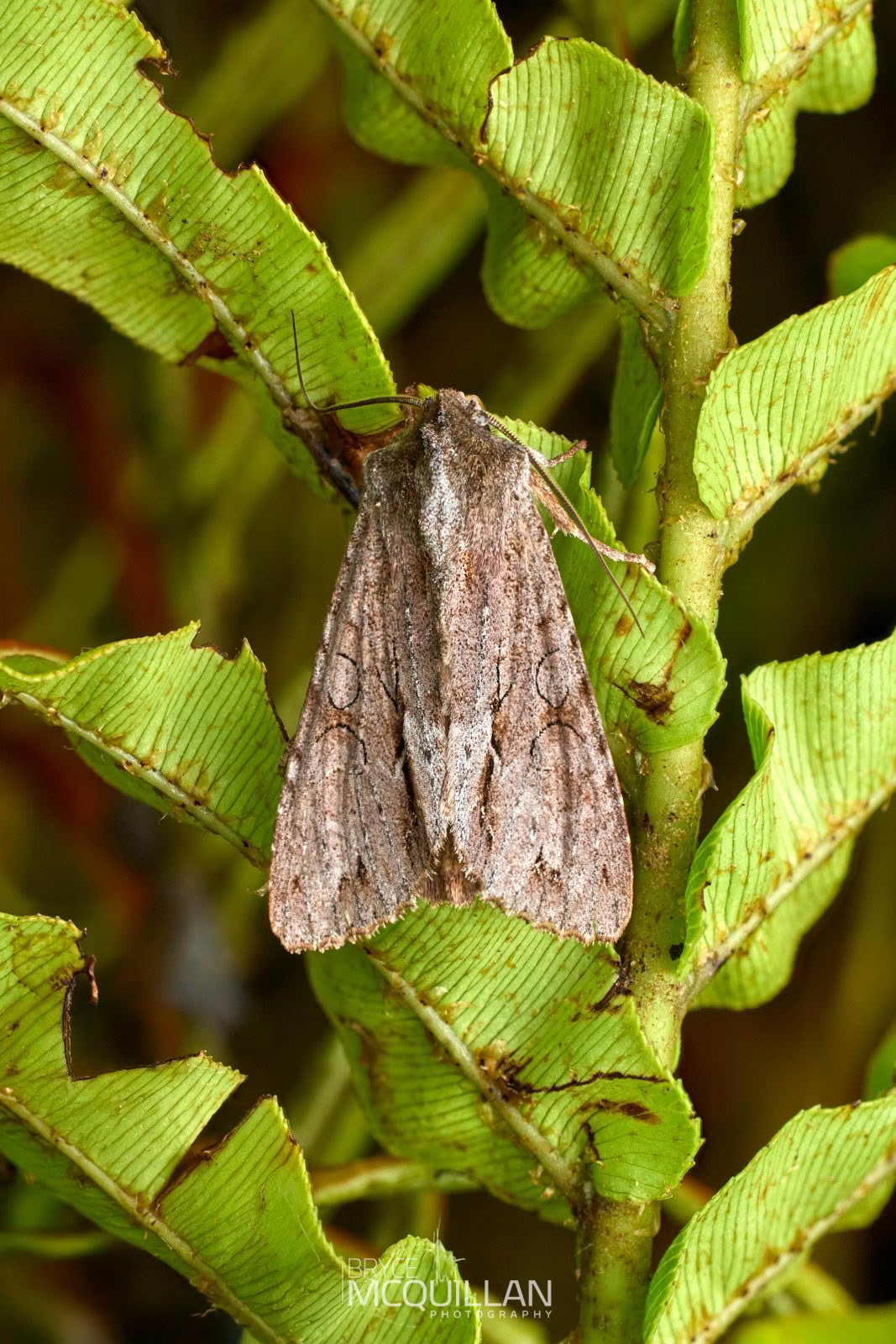
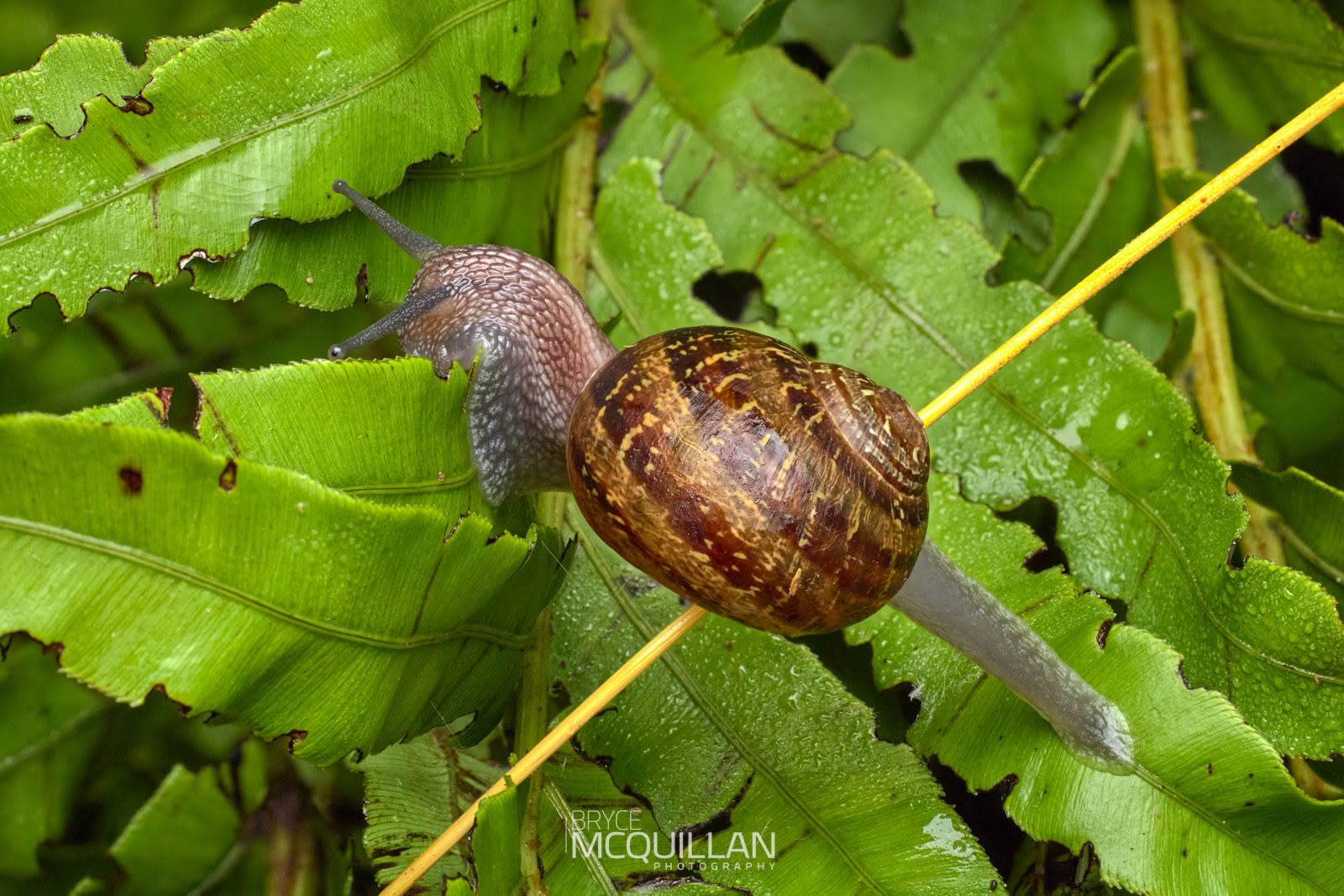
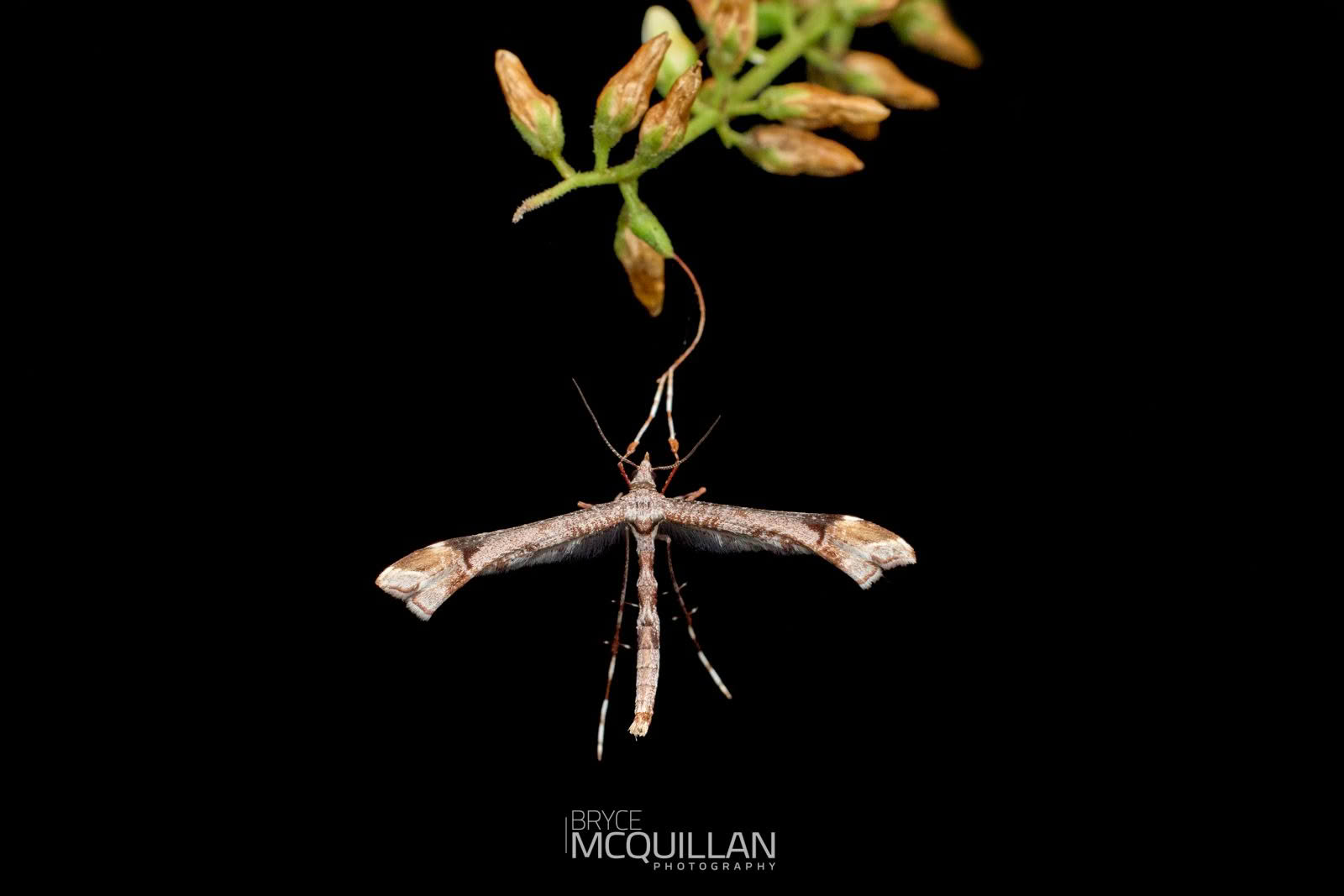
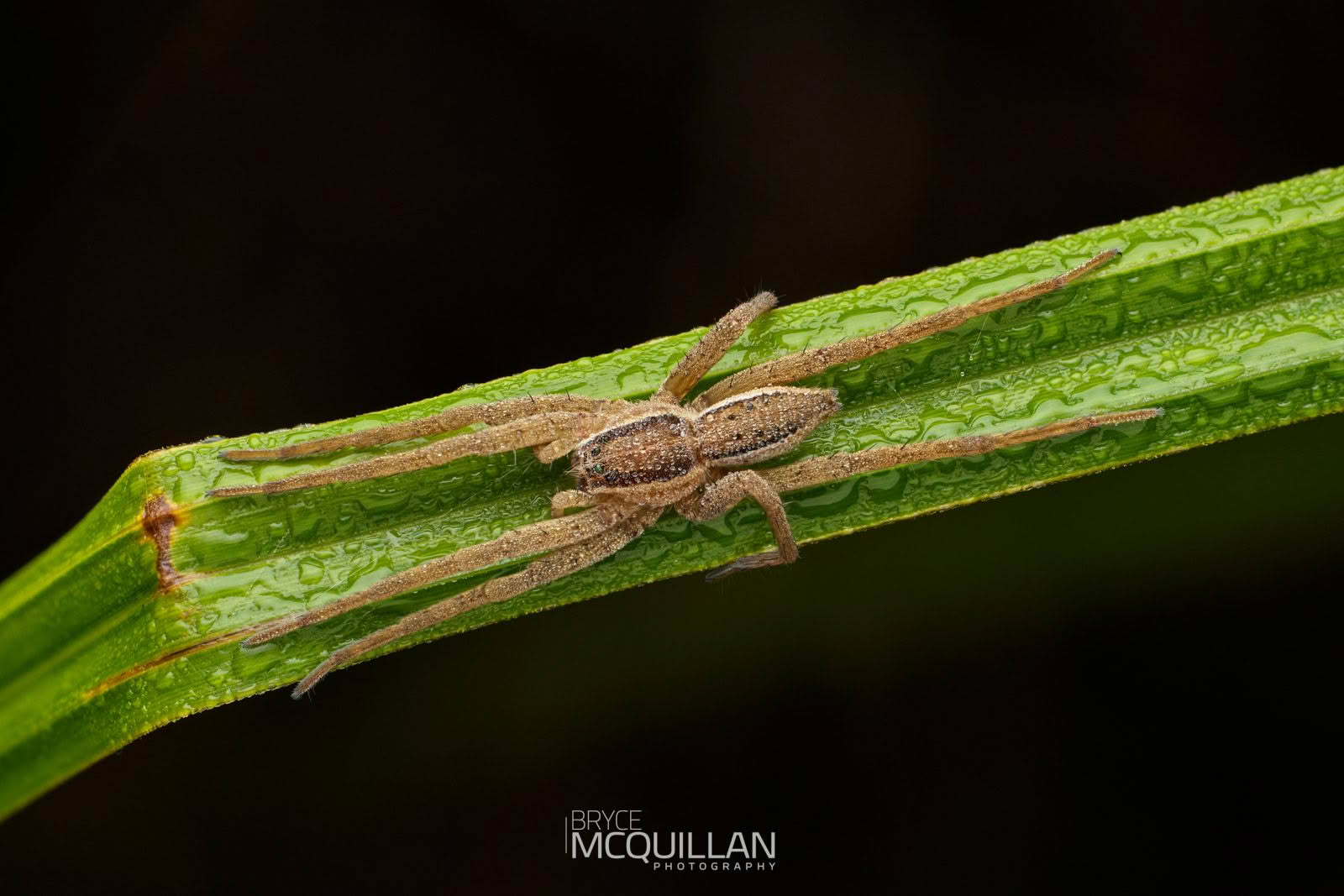
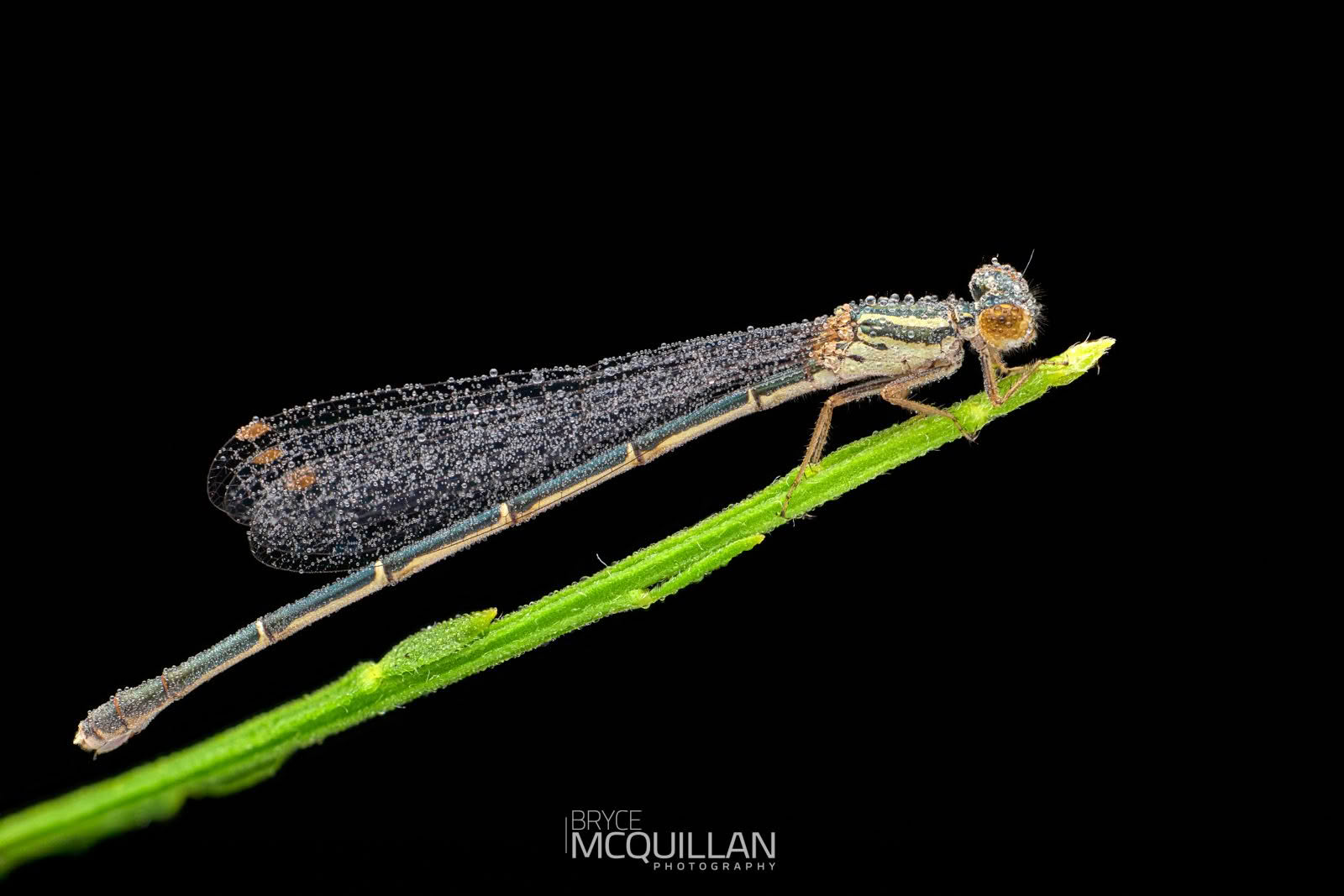
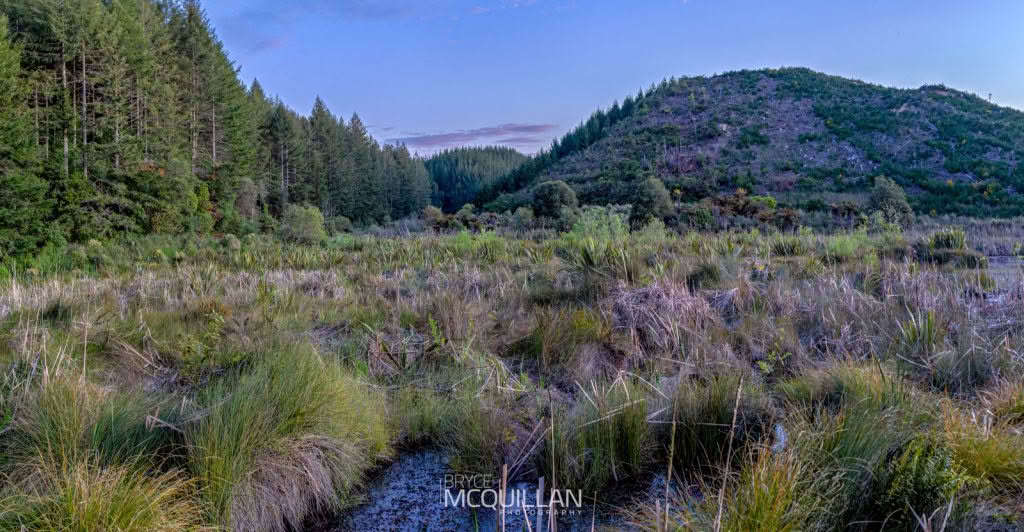
February kicked off on a high with a few fantastic nights exploring Five Mile Wetland, just south of Rotorua. Although relatively small, measuring around 1.5 km at its longest point and only a couple of hundred metres across at its widest, Five Mile Wetland supports a remarkable diversity of life. The site includes a couple of small ponds at the far end, which feed into a larger wetland area closer to the main road. These ponds are surrounded by native vegetation and a small walking track, with further native planting around the wetland margins, while the outer edges are forestry plantations of mixed ages. Much of the native planting and ongoing care of the wetland has been carried out by a small number of dedicated locals, especially Ross and Sarah, who have worked tirelessly most weekends to control weeds and pest animals.
Five Mile Wetland has an impressive diversity of invertebrate fauna, with a mix of endemic, native, and introduced species. As well as a new to science Trite species collected from the wetland in 2024 and 2025 as part of a friend’s PhD. Ross and Sarah also set up an iNaturalist project for the wetland, which currently records more than 780 invertebrate species and over 1,280 species of flora and fauna in total. Five Mile wetland Project on Inaturalist: https://www.inaturalist.org/projects/five-mile-wetland
On 1st of February, I headed out to Five Mile Wetland with two friends from Rotorua (Connor & Brain). After Brian and I had a successful night there the evening before, which you can read about at the end of my January 2025 post: https://www.brycephotography.co.nz/january-2026/, we were hoping for another good evening and we weren’t disappointed. It turned into another fantastic evening, with a great mix of species photographed.
Five Mile Wetland, at dusk – Image taken with Mobile phone.
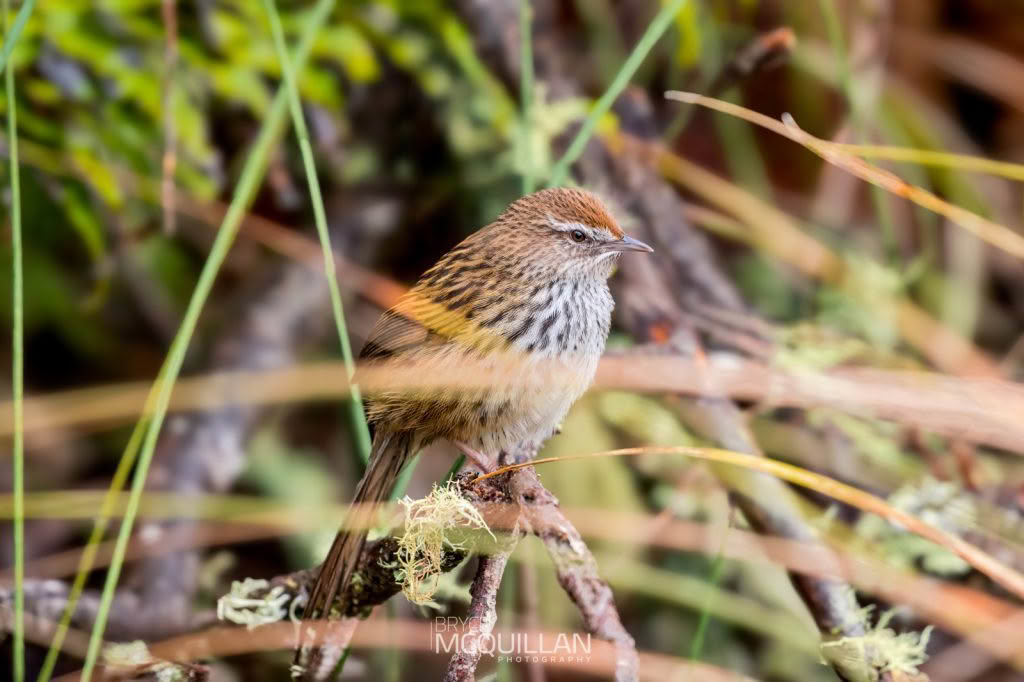
Five Mile supports an impressive variety of birdlife, largely due to the pest control and restoration work Ross and Sarah have undertaken over the past few years. As mentioned above, the wetland is home to species such as fernbird | mātātā, spotless crake, and morepork | ruru, and New Zealand falcon | kārearea can often be seen or heard from above.
Image Below: Fernbird | Mātātā, amongst native wetland vegetation – Photo not taken this month.
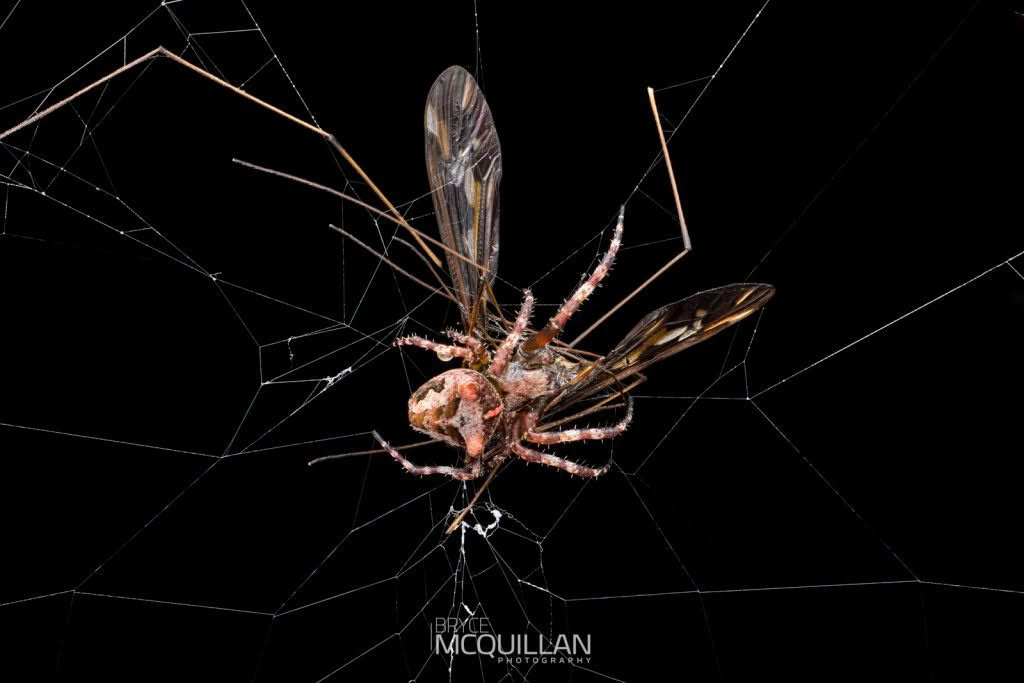
This year, I’m working on two small projects: improving my natural-background photos of orb weavers, and photographing more species on white, which I’ll talk more about shortly. I’ve also set myself a personal goal of reaching 2,000 species on iNaturalist, which I’ll come back to soon.
With those two projects in mind, I was trying to focus on a good mix of species as well.
It’s always a treat to see Courtaraneus orientalis. A few years back, Angela and I were fortunate to be involved in the paper that moved it into a newly described genus: https://www.tandfonline.com/doi/full/10.1080/03014223.2021.1951309
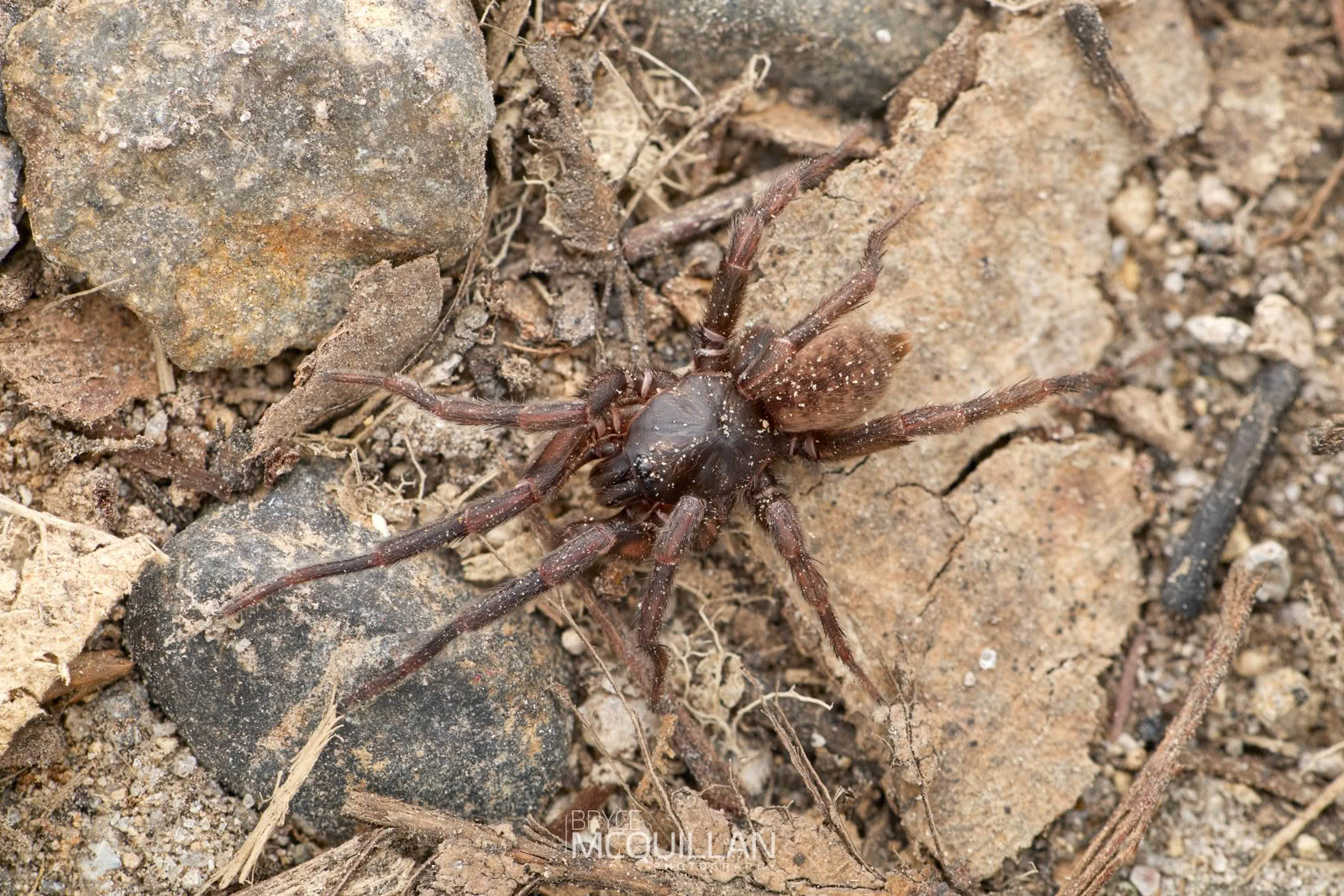
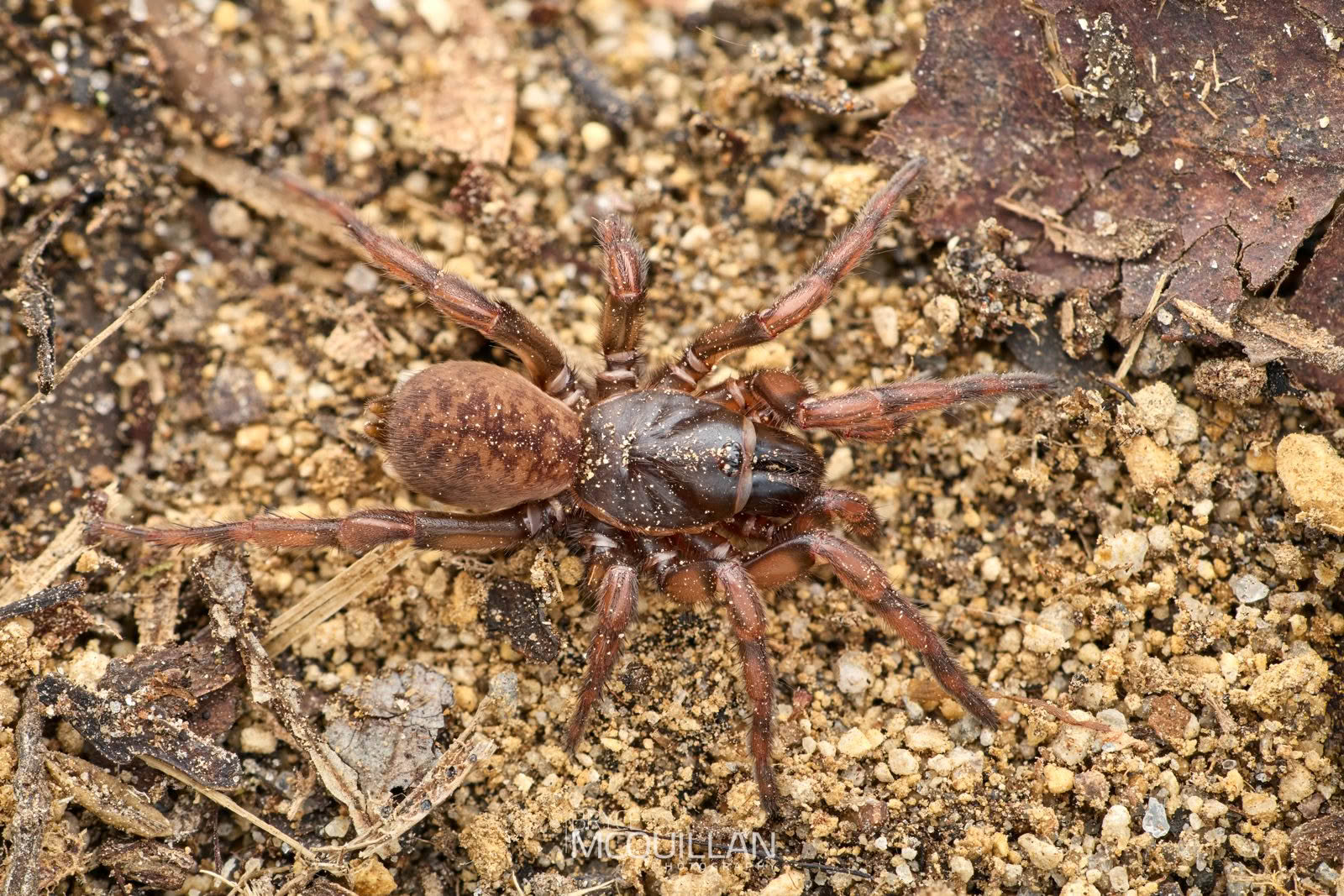
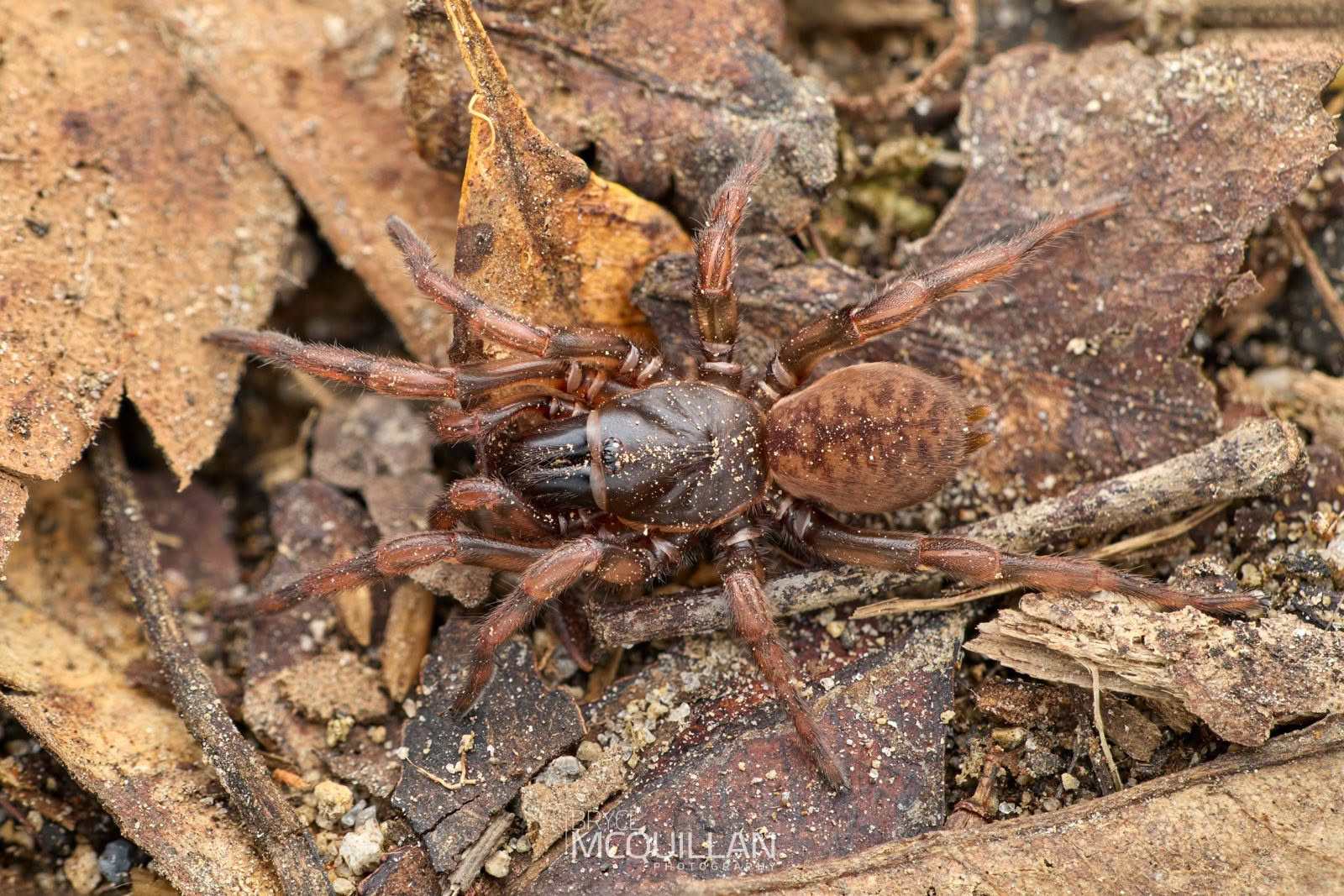
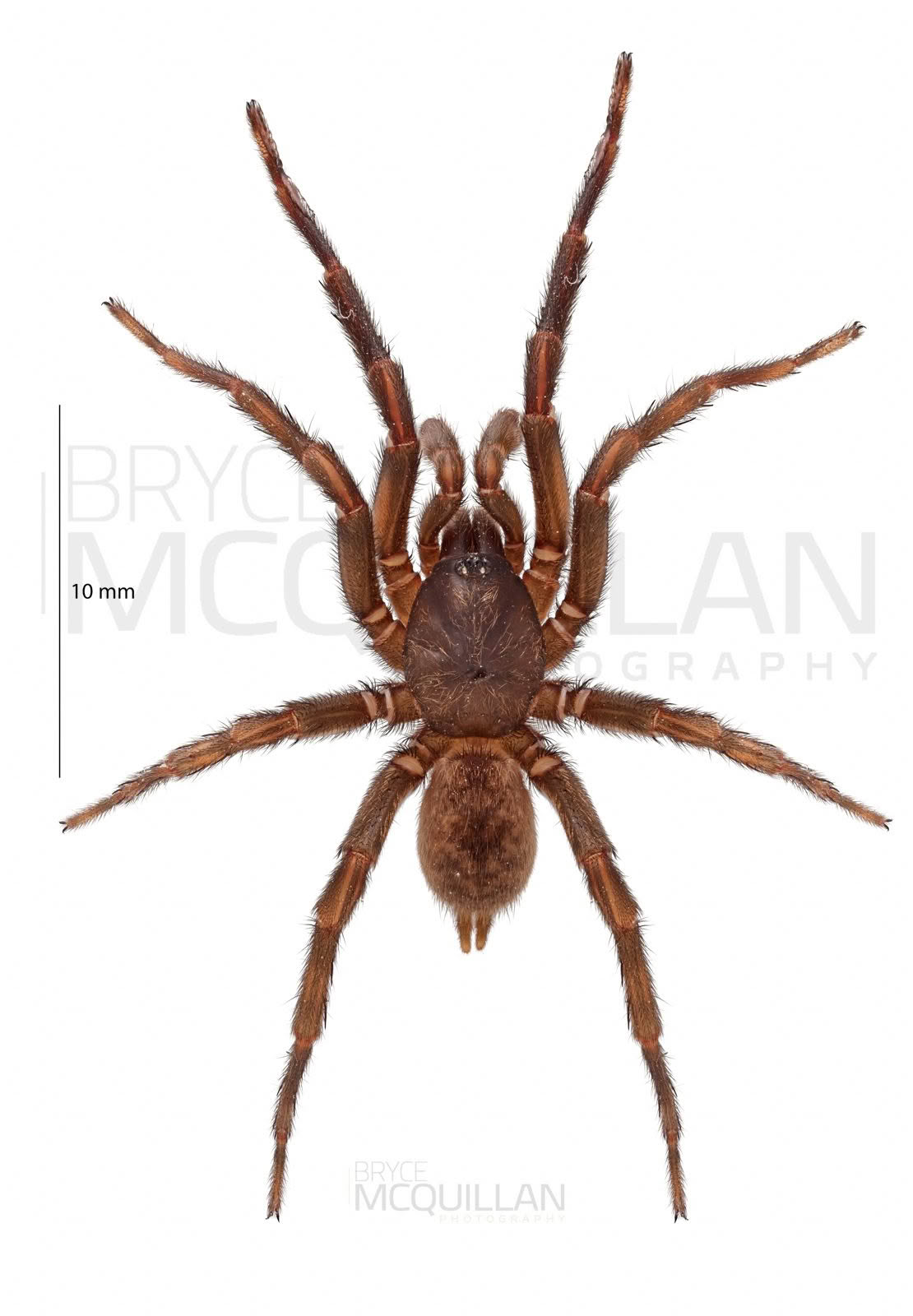
During our night walk, I was also keeping an eye out for Stanwellia. I’m currently working on a project with a couple of friends from Te Papa, and I needed to collect a few specimens. I took the opportunity to get some natural background shots of both males and females, as well as photographing them on white.
Stanwellia are rarely seen outside their tunnels, getting a clear shot of one sitting right at the tunnel entrance is especially hard, and I’m still chasing a good image of a Stanwellia waiting there for prey.
Their tunnels are often 20–30 cm deep and dug into soil, and they’re usually found in small family pockets. Males are most often seen on warm, humid summer nights, when they’re out wandering in search of females.
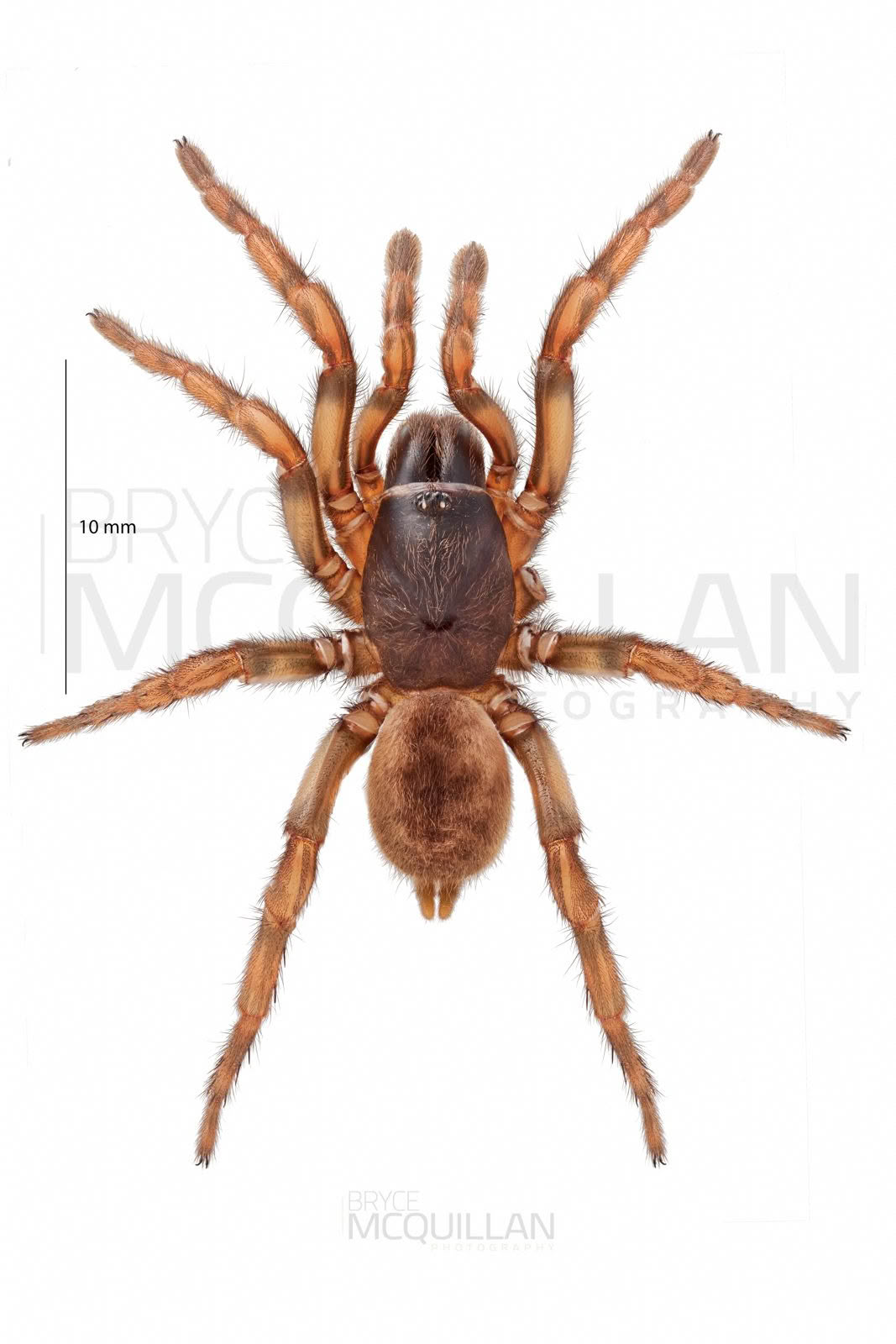
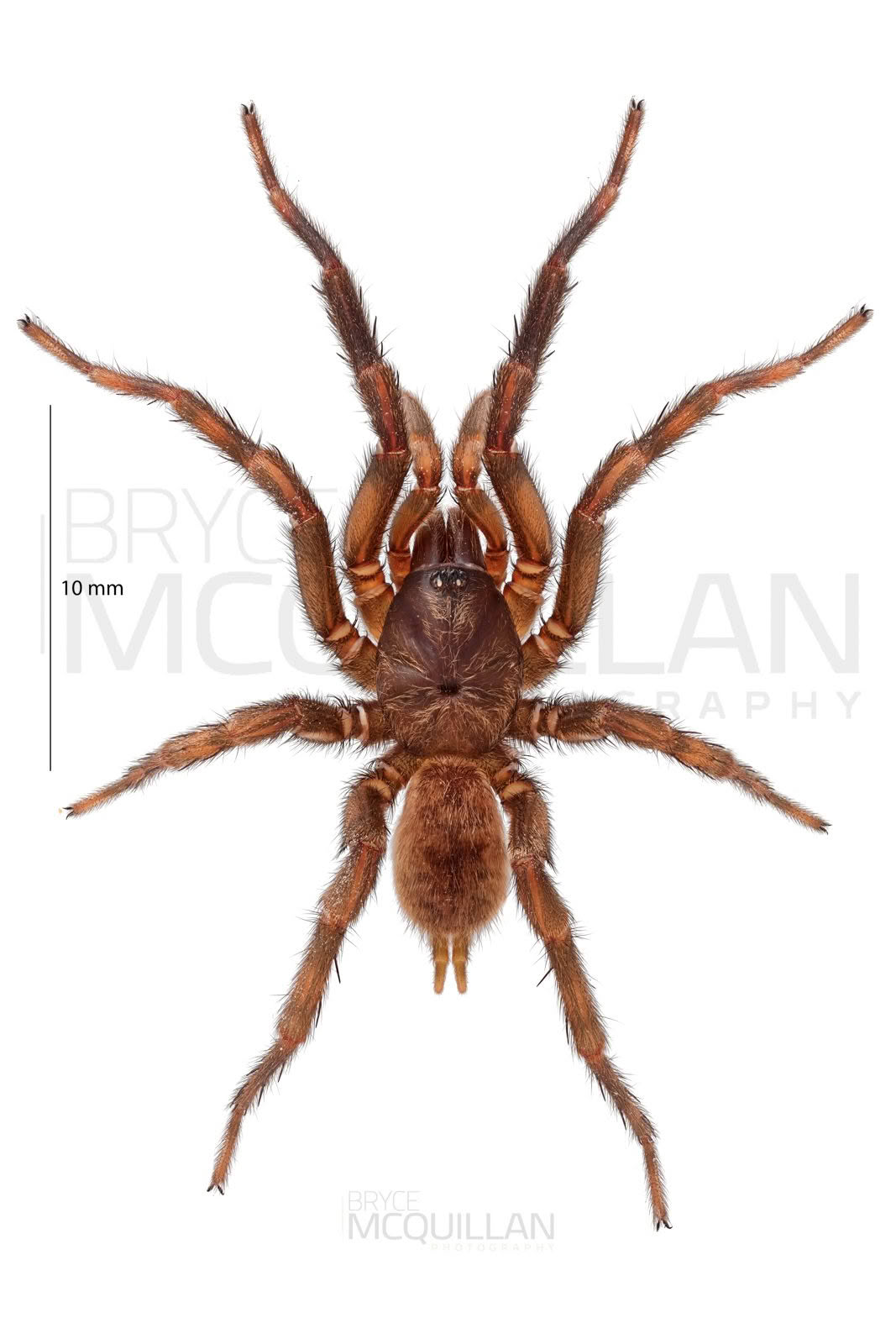
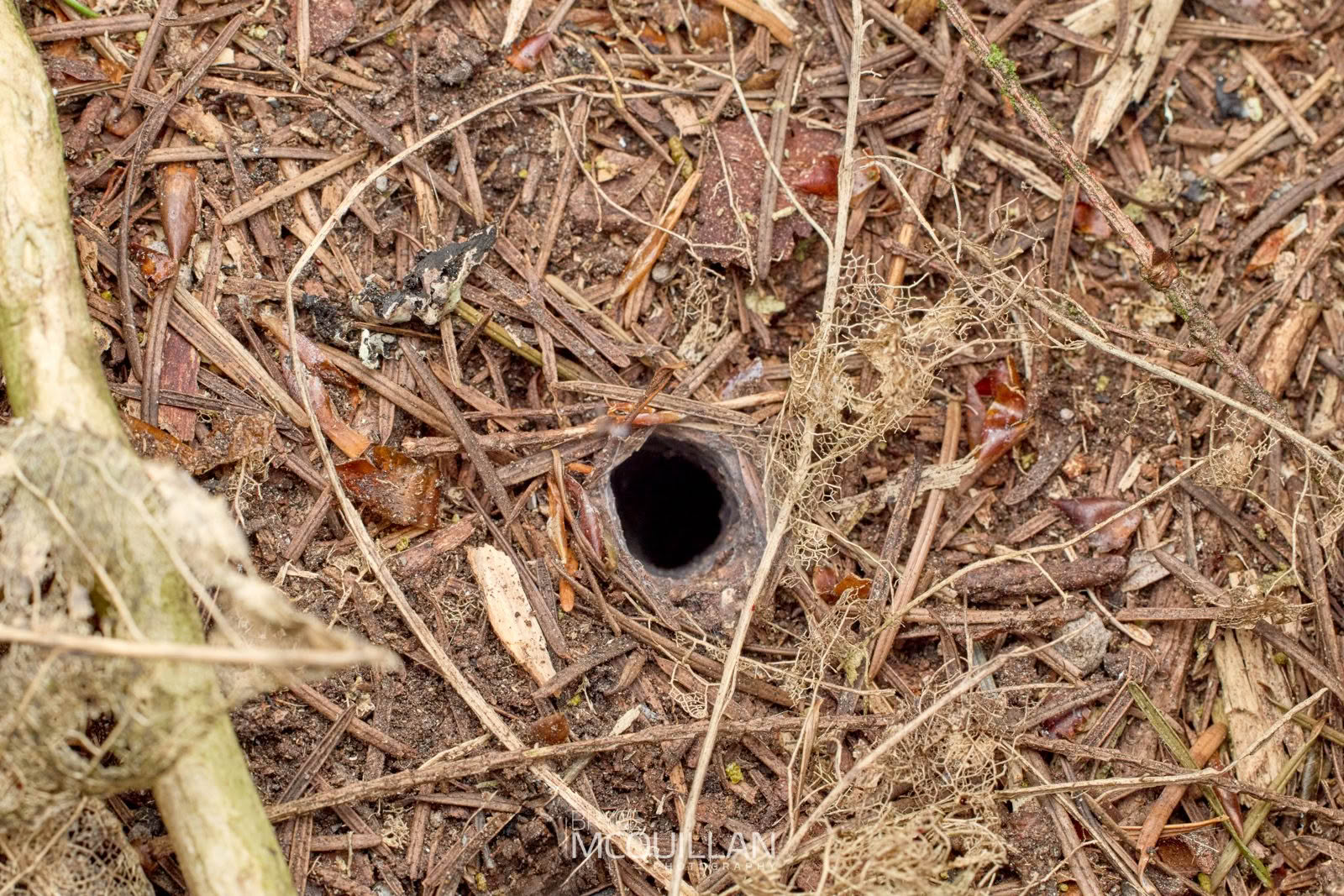
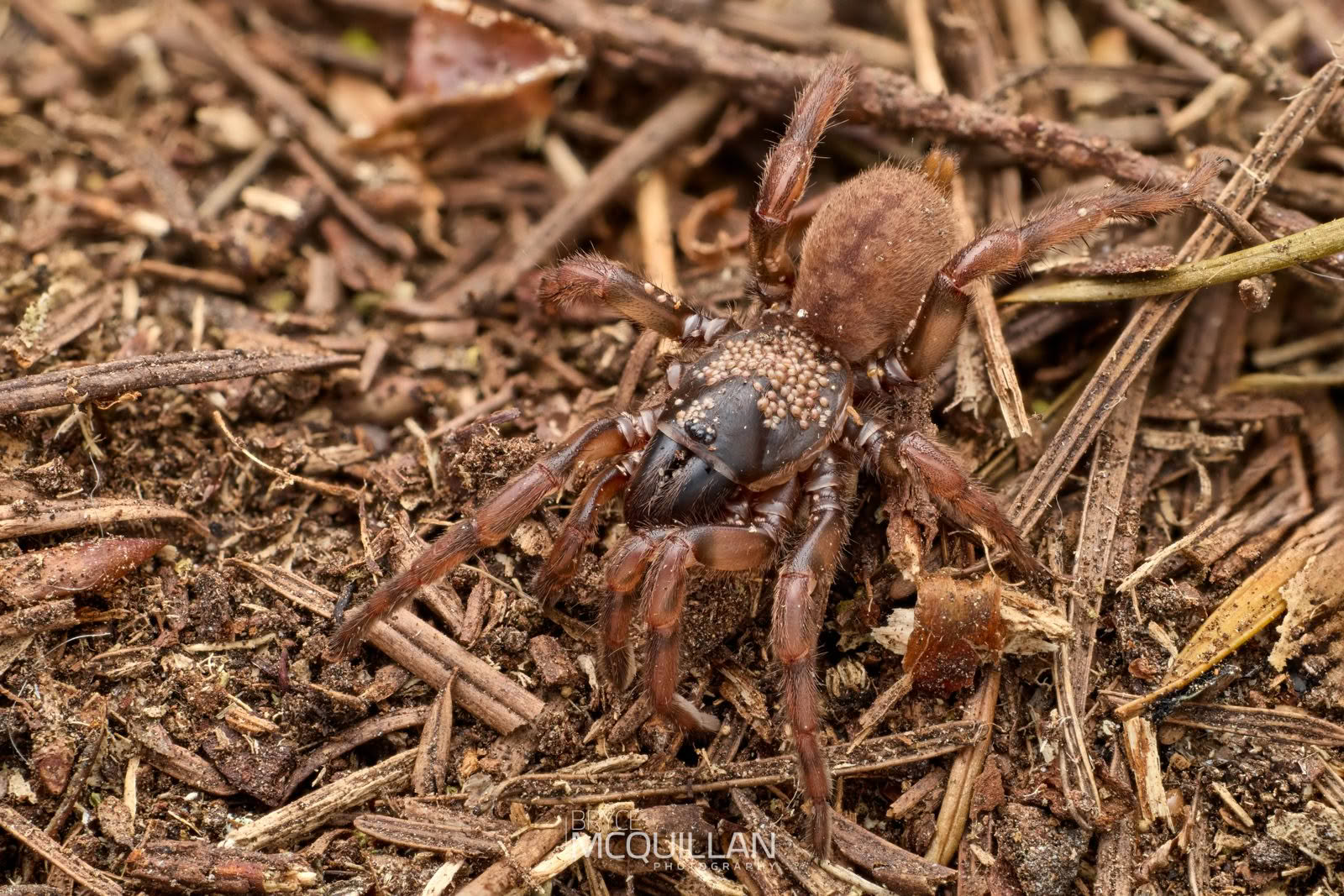
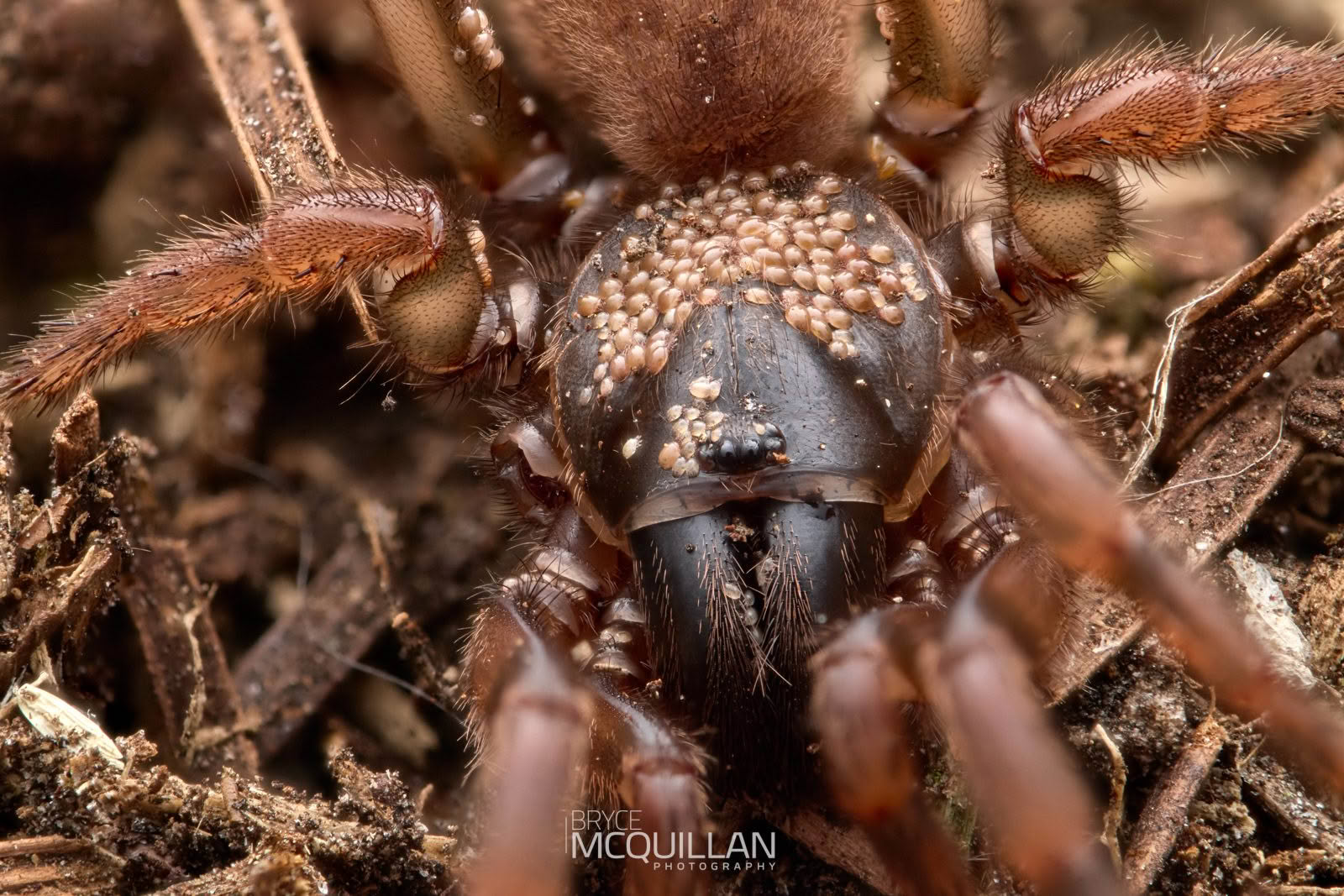
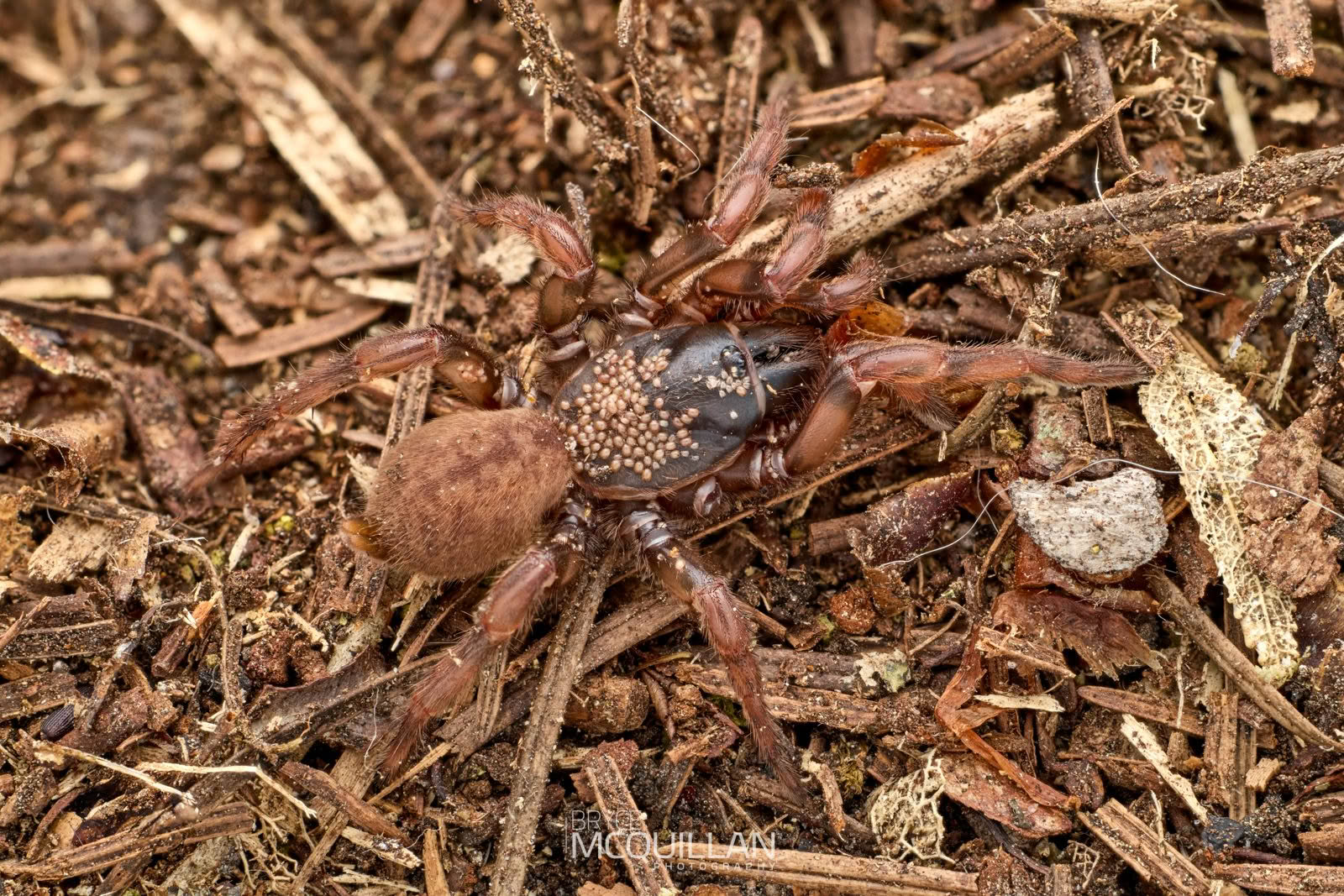
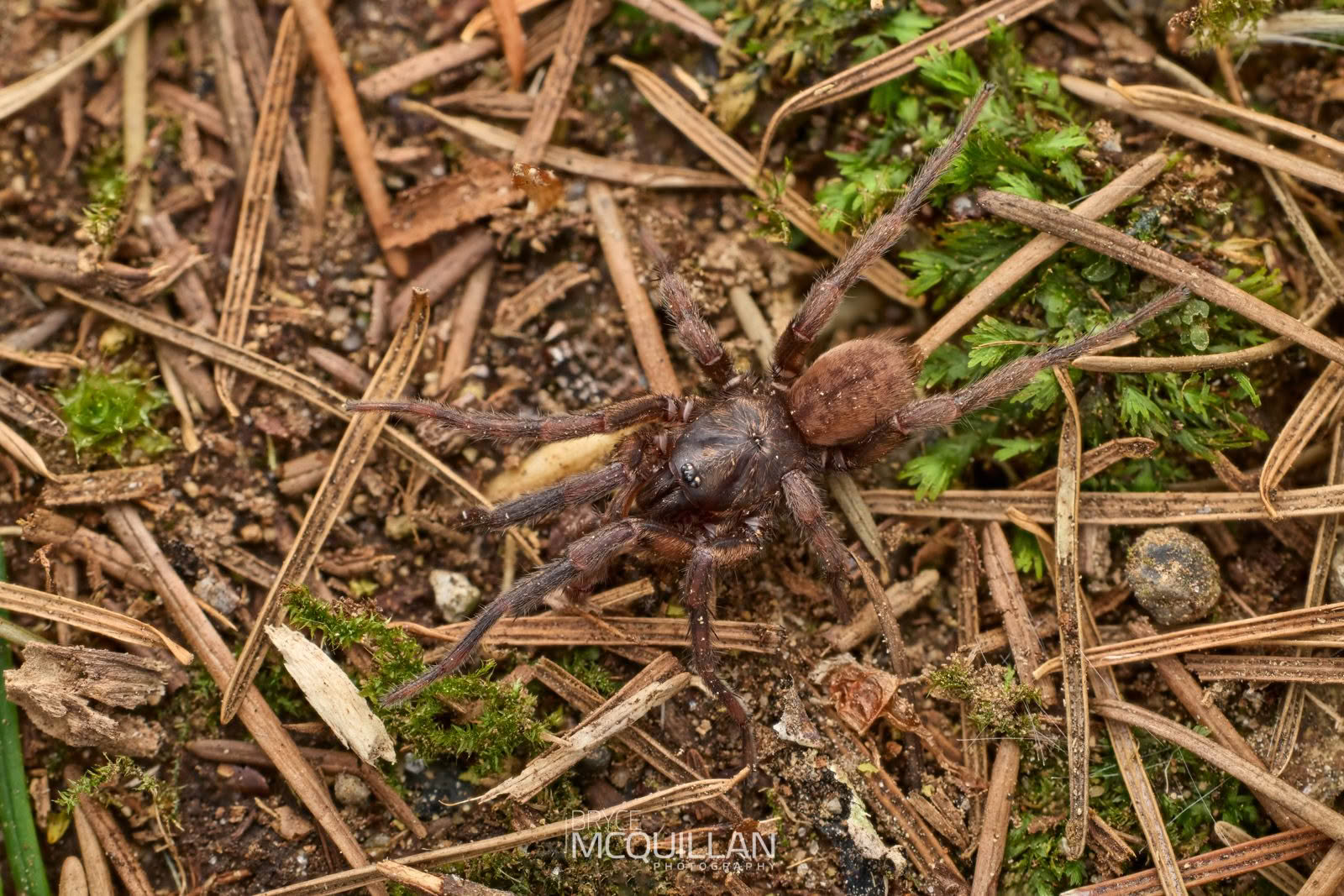
The following weekend, Angela and I headed out to the Okere Falls area to collect more Stanwellia, along with a few orb weavers.
In New Zealand, collecting specimens on DOC land legally requires a DOC permit. Specimens from council land may also require permission, so it’s always worth checking with your local council first. In practice, I don’t think specimens should be collected just for the sake of collecting. Every animal removed from its habitat can have an impact one way or another, In my view, collecting should only be done for research. I strongly believe that better research helps us understand our environment more clearly, and with that understanding comes better protection. At the end of the day, we only have this one planet, so the better we care for it, the better it will be for everyone and for biodiversity as a whole.
We visited the Okere Falls area over two nights, targeting two different locations. The first night was focused on orb weavers, which was more challenging than usual this year. With all the rain we’ve had, a lot of webs were damaged, and in some cases the spiders had either moved on or died after weeks of warm, humid weather. However, we managed to find a couple of the specimens we needed.
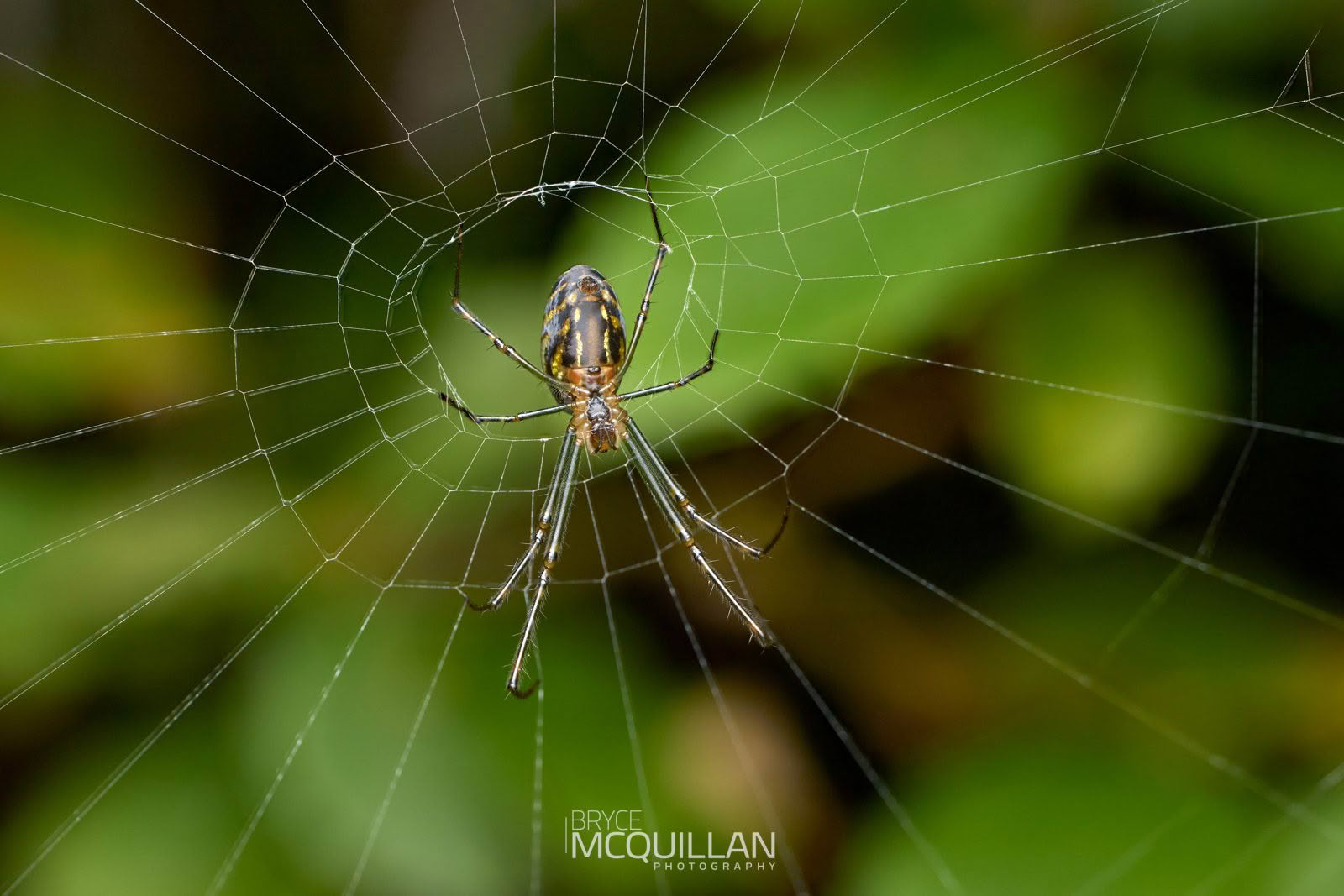
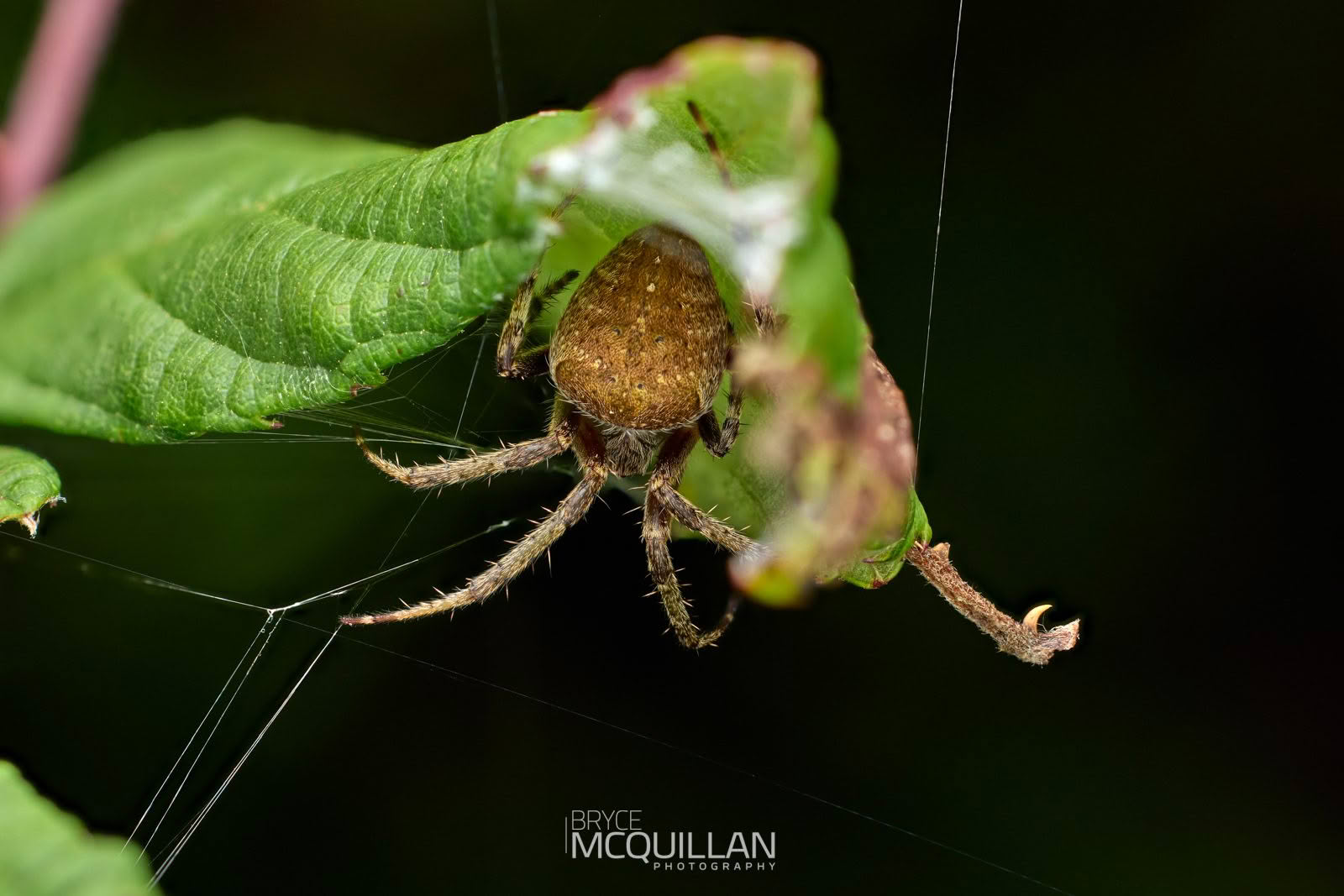
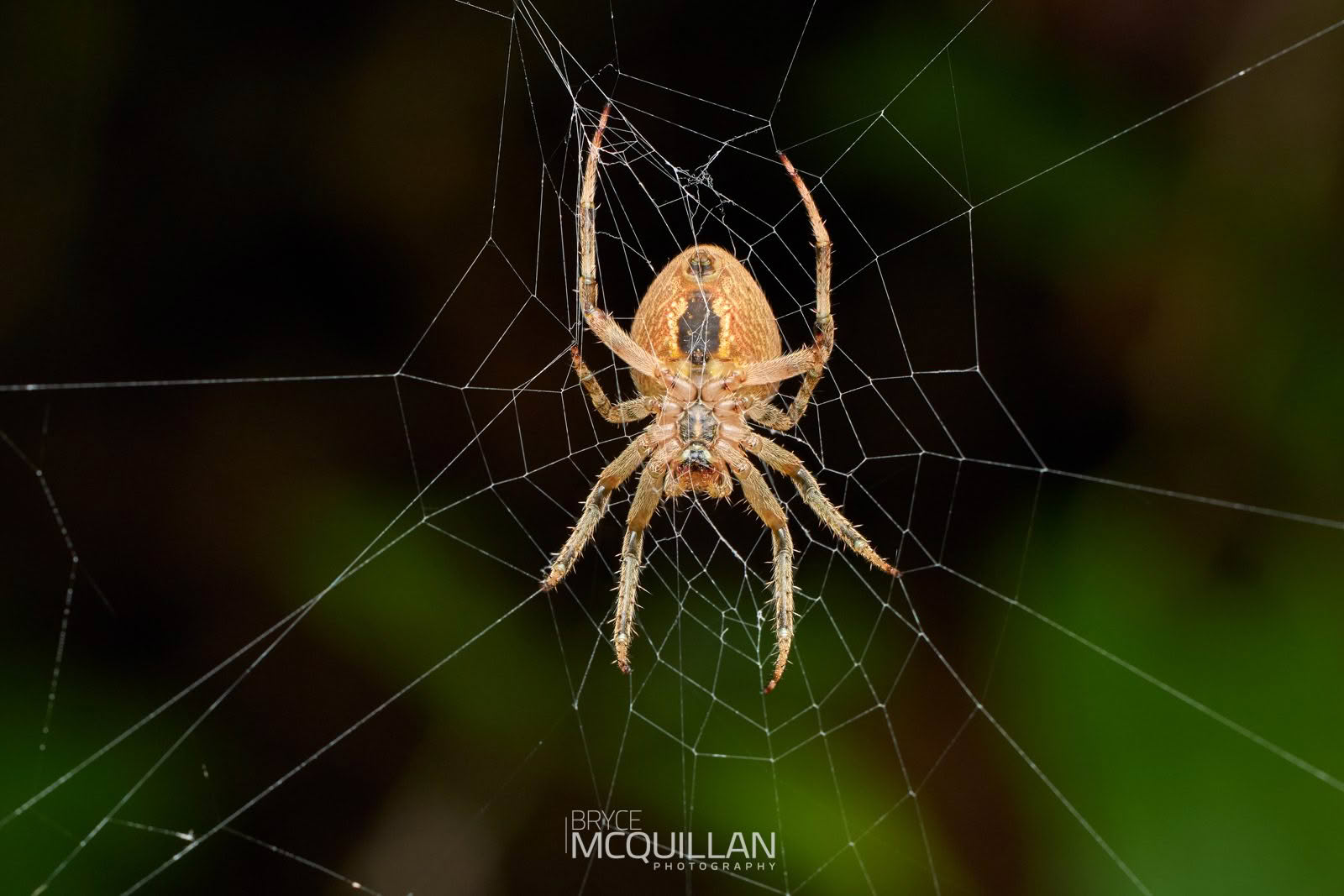
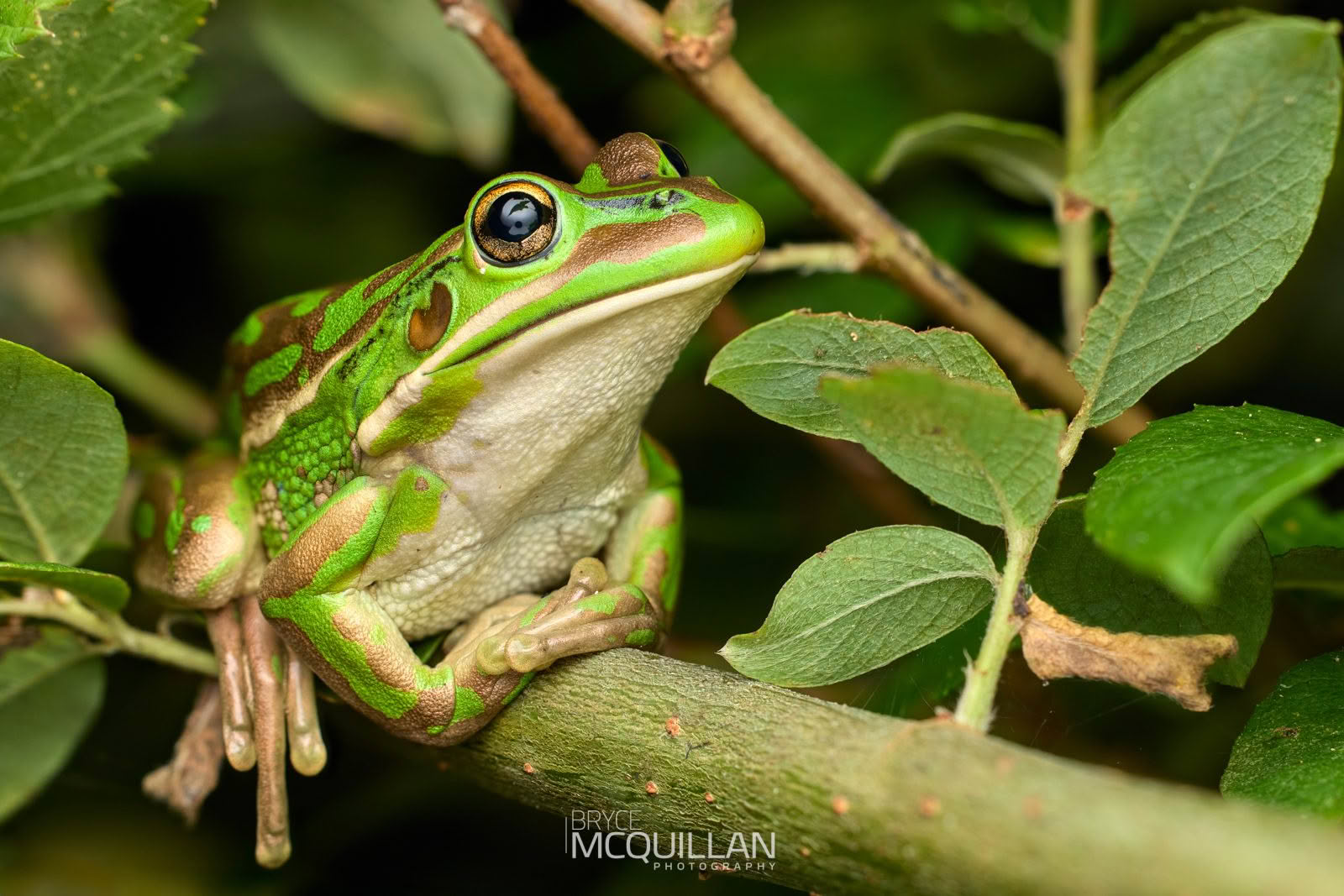
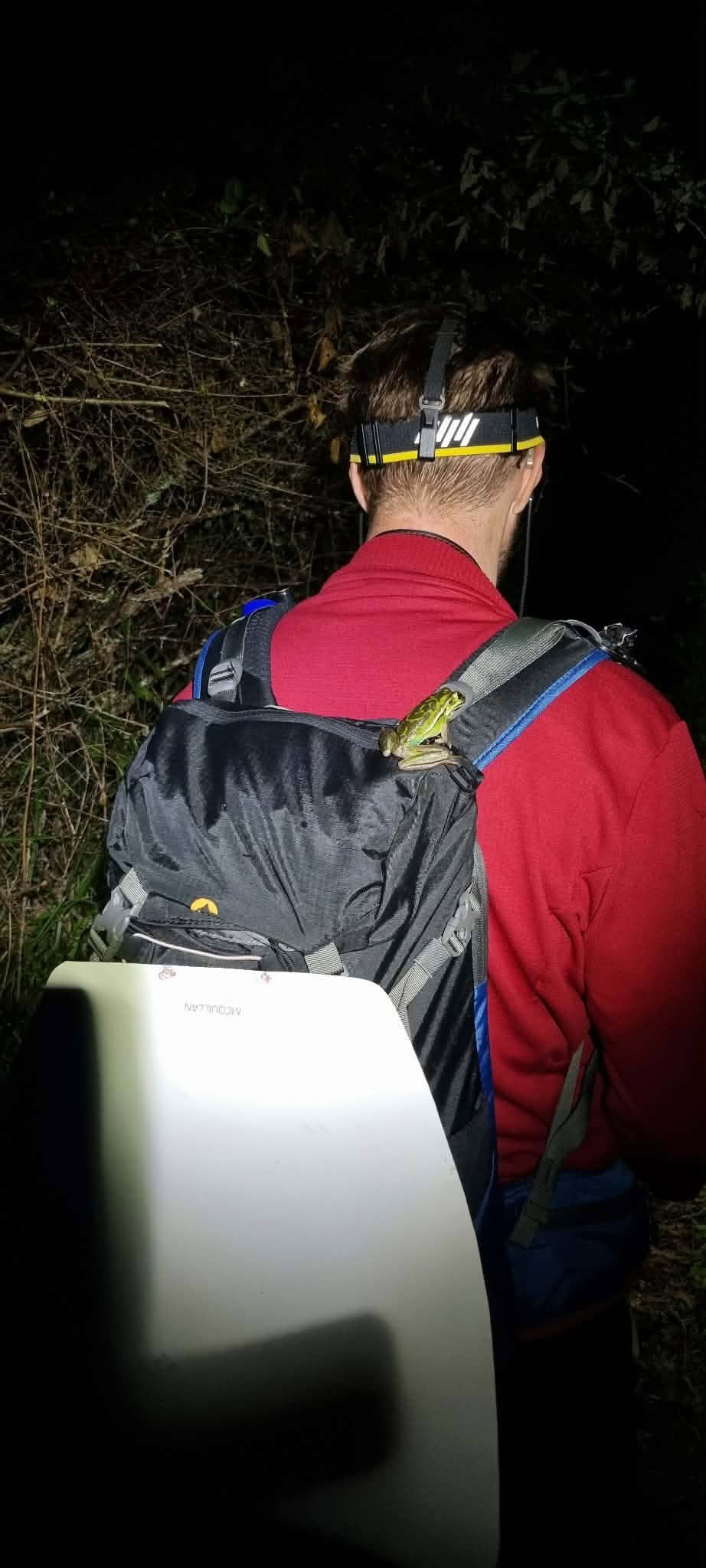
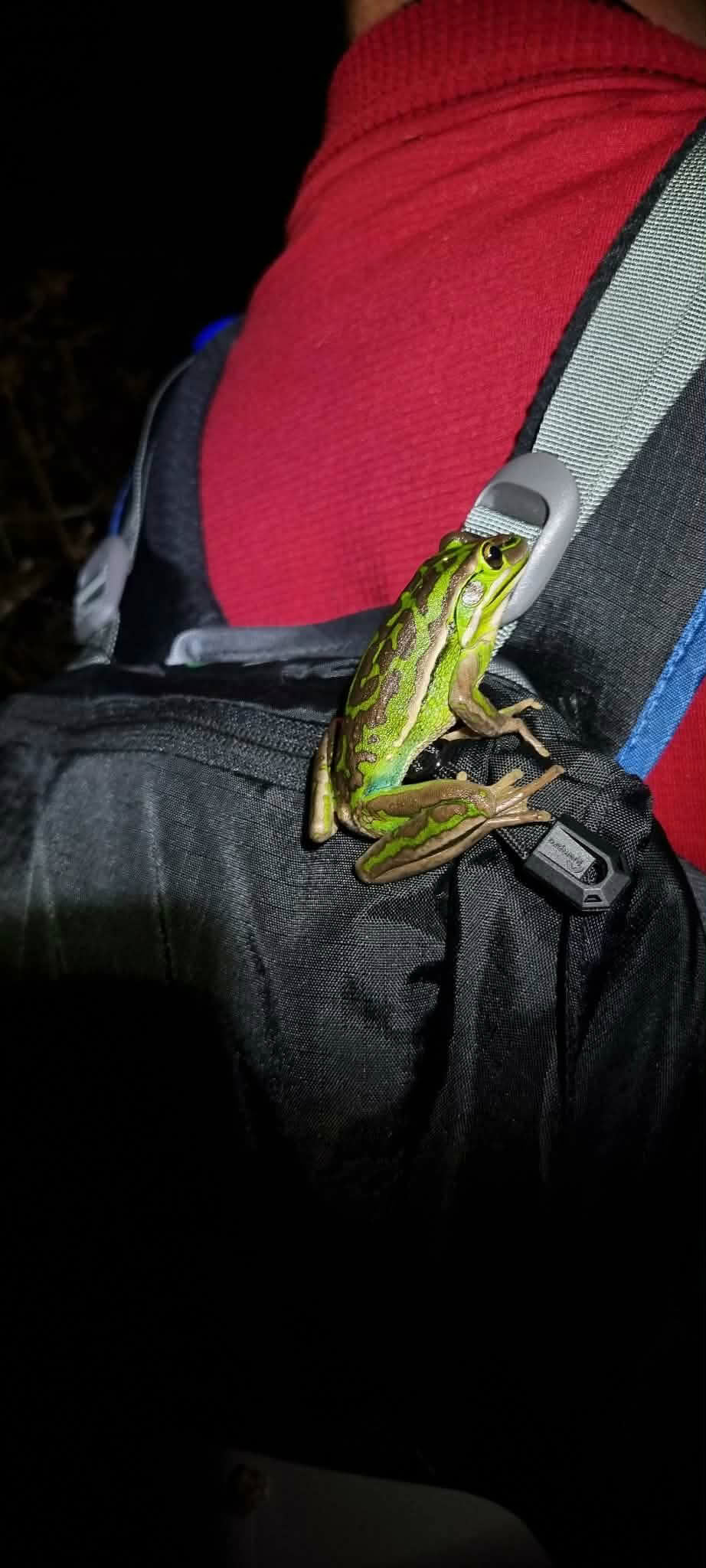
While out looking for specimens, I also took a few other images of other species. We also had a little helper that descibed to jump onto my backpack.
On the second night, we shifted our focus to Stanwellia. We didn’t have much time with heavy rain on the way, but we still had a successful evening and found both a male and a female.
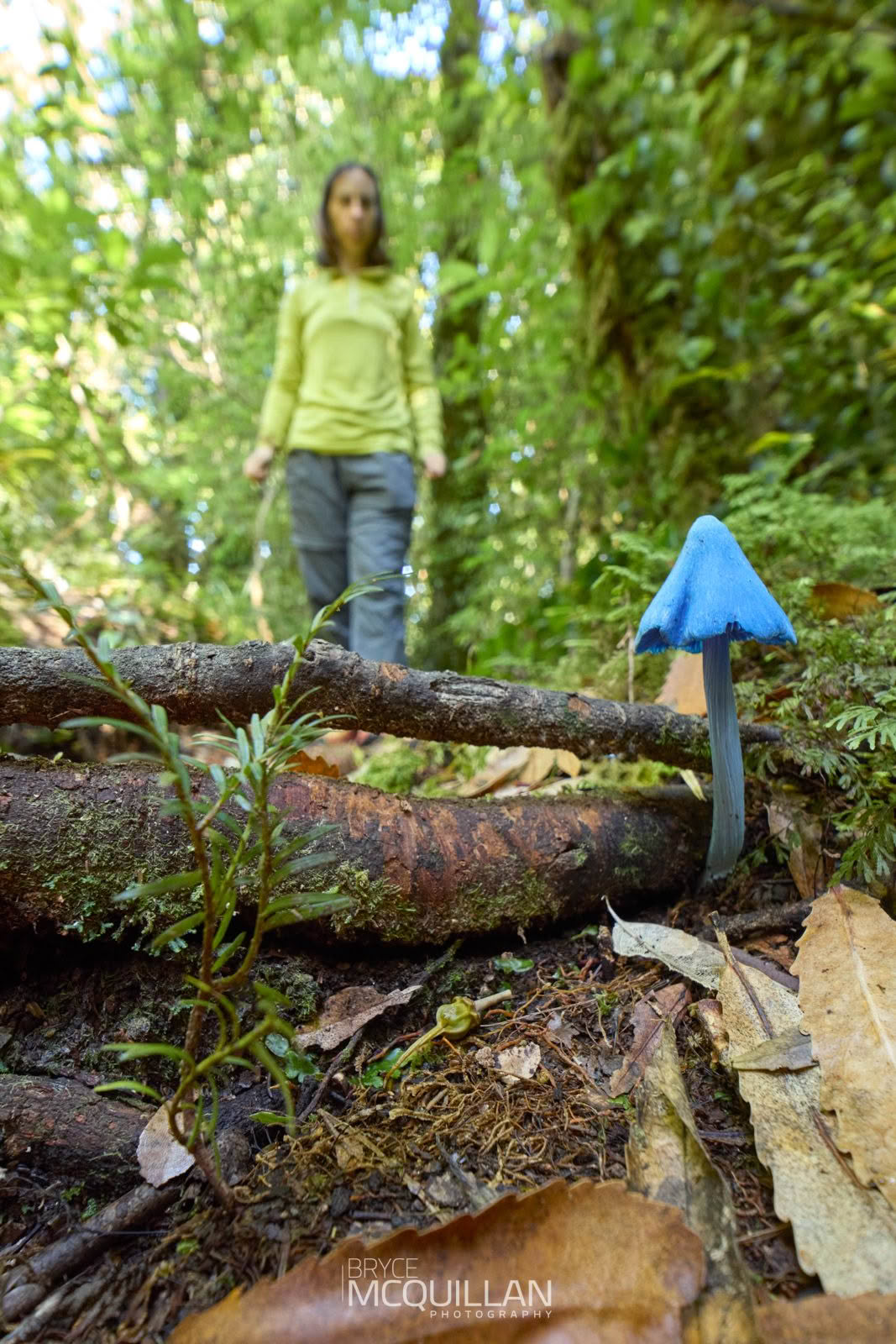
Later that weekend, Angela and I went for a short walk at Mokaihaha. February is often a great month to spot one of New Zealand’s most striking fungi, werewere-kōkako (Entoloma hochstetteri), the same species featured on the New Zealand $50 note. Alongside E. hochstetteri, you’ll often find other colourful Entoloma species fruiting as well. When we visited, there were a couple of species out, so we took our time and worked on some clean natural-light images.
For these images below, I used my Canon RF 100mm macro on a Canon R5 MKii, and in-camera focus bracketing, then stacked the frames later in Helicon Focus (stacking software): https://www.heliconsoft.com/heliconsoft-products/helicon-focus/
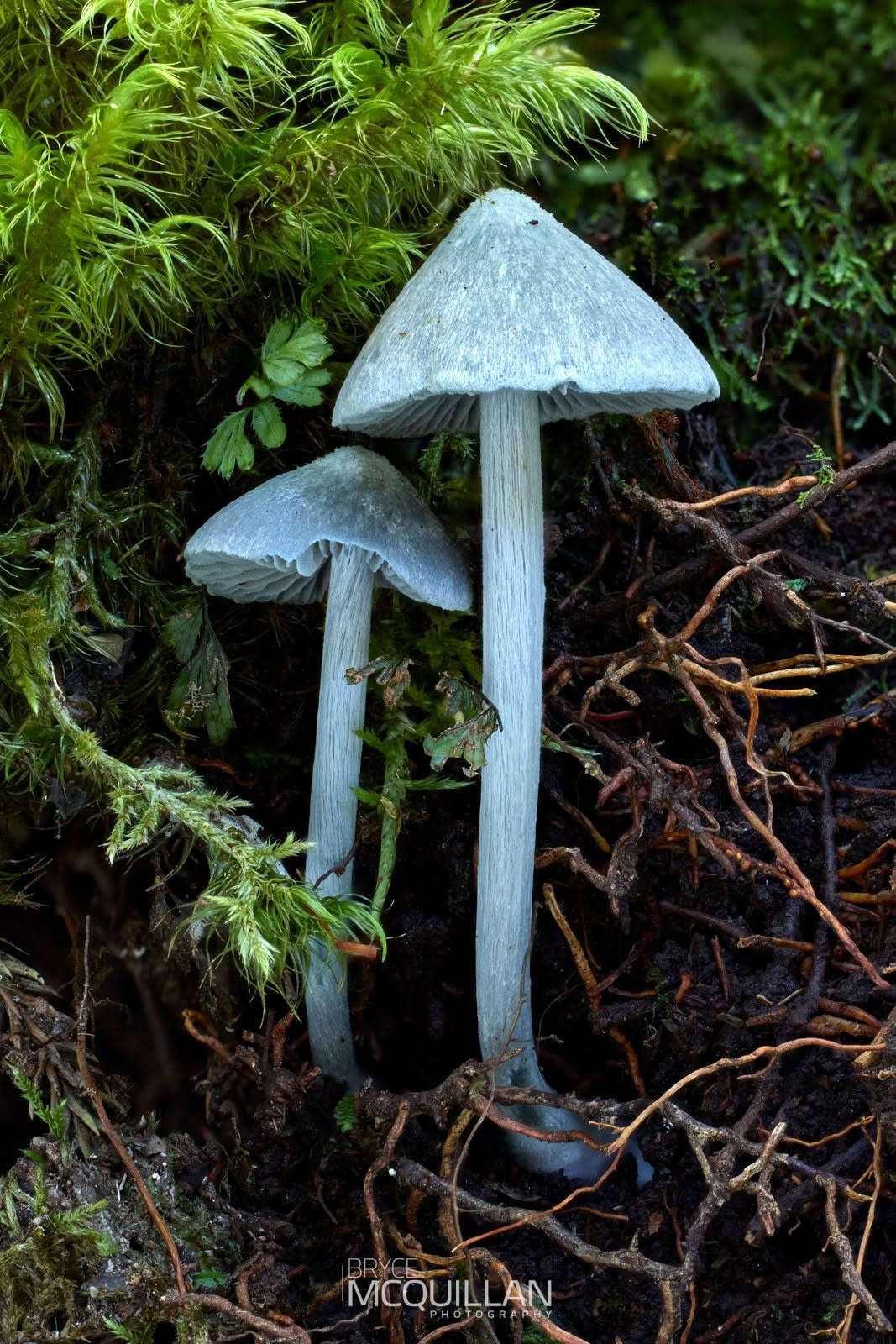
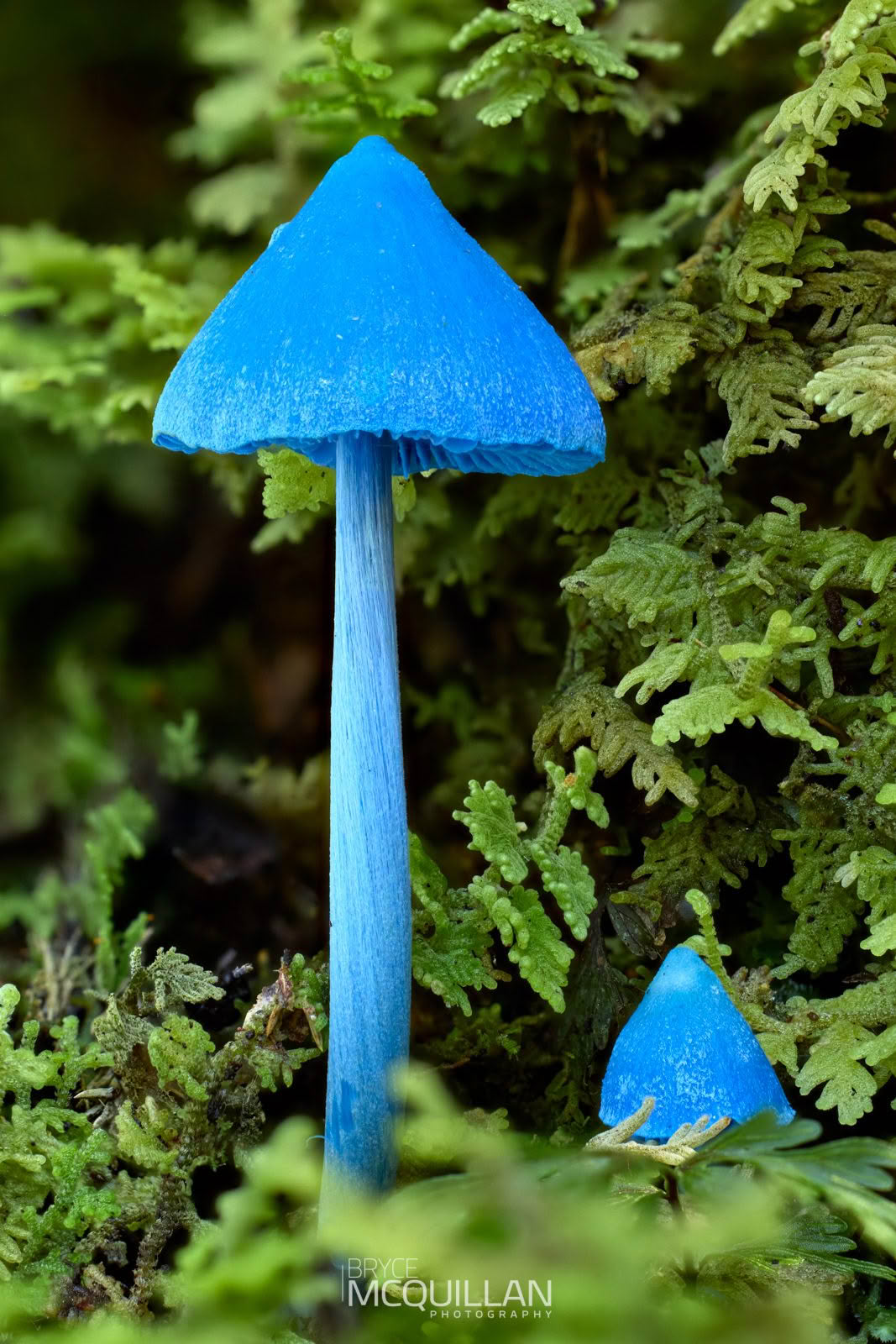
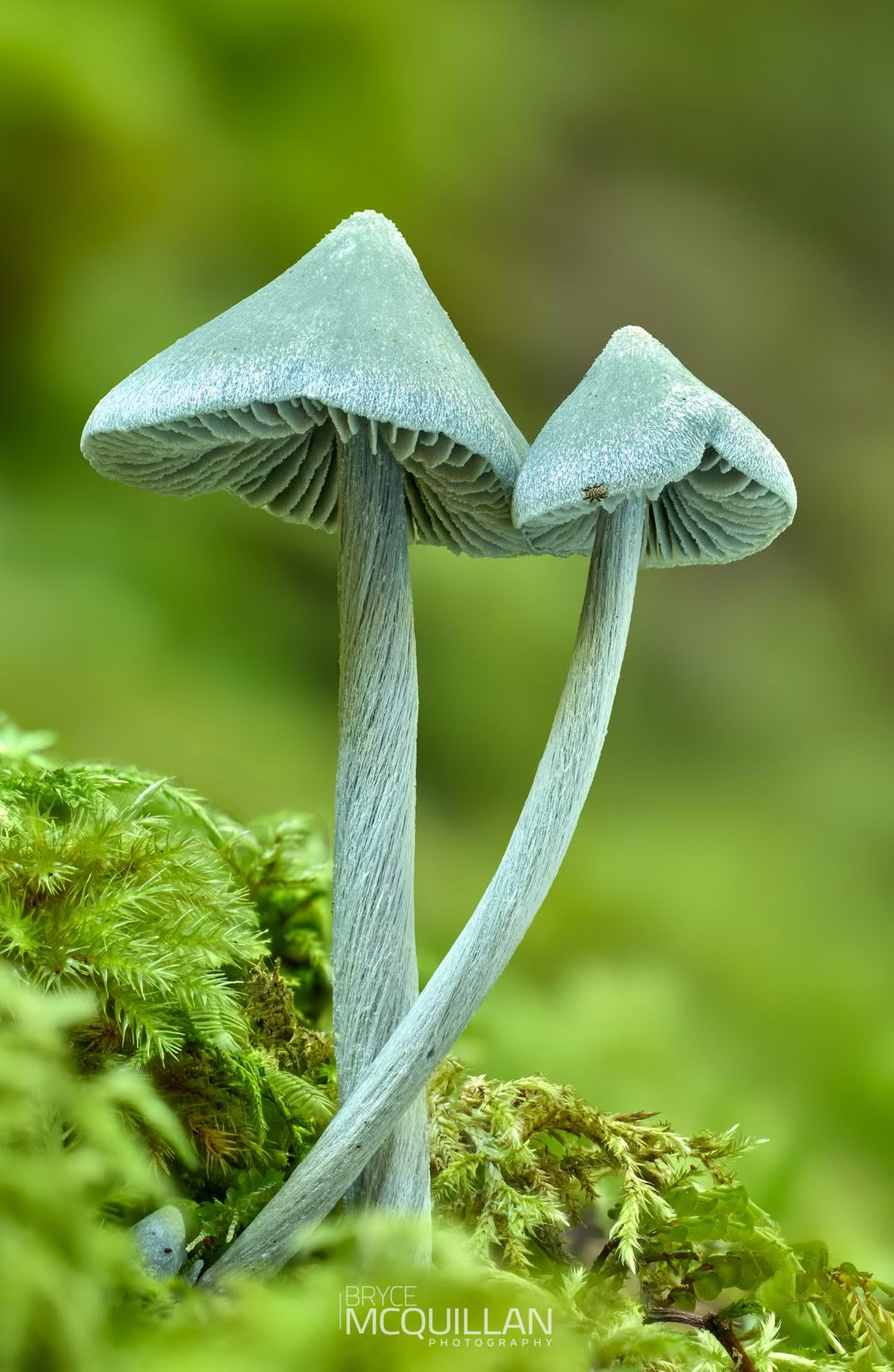
Photographing fungi in native forest can be challenging because the vegetation canopy blocks so much light. Even on a bright, sunny day, parts of the forest at Mokaihaha can feel surprisingly dark. When you’re searching for smaller, less colourful fungi, a torch often makes the difference between finding them and walking straight past.
I personally find fungi most enjoyable to photograph using natural light, maybe because I like the challenge. Working with the light you’ve got often pushes you to slow down, problem solve, and allows you to often be more creative. I’ll often use a white bounce card, basically a piece of white card or any light surface to reflect a bit of light back onto the subject. I’ve tried silver surfaces or tinfoil as well, but they tend to produce harsher, more specular light. While they reflect more light overall, it’s less even and more scattered, which can make focus stacking trickier in post. For fungi, it’s especially useful for lifting shadows and bouncing a little light up under the gills. To keep things steady, I often use a bean bag.
I usually use a Canon EF 180mm macro, not so much for the working distance, in fact that can sometimes be limiting in tight forest spaces, but for the background. I really like the way the longer focal length compresses the scene and renders the background soft and blurry, helping the subject stand out more cleanly.
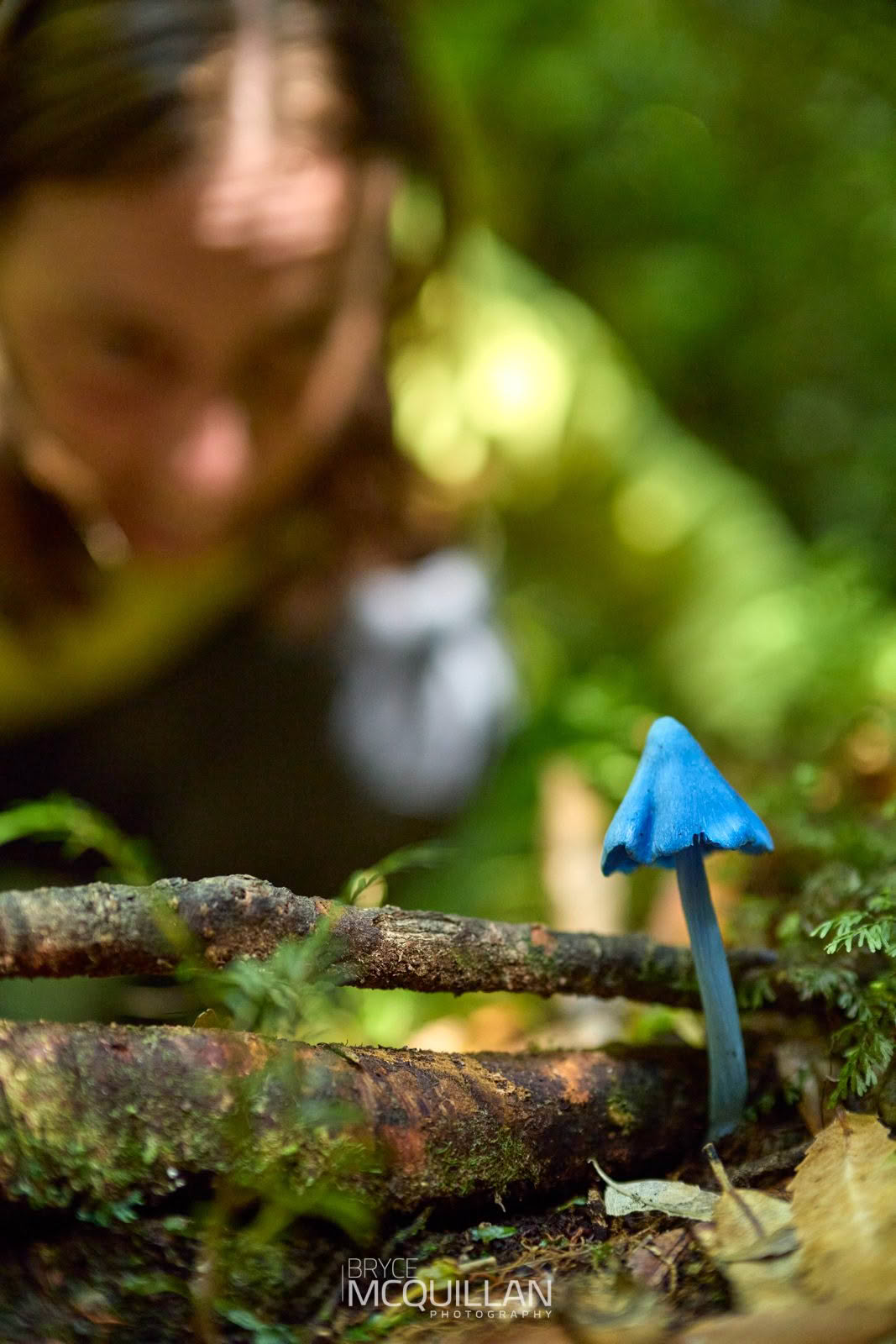
This year, I hope to try a lot more wide angle like macro images, as using wider lenses can really help bring a scene to life by adding perspective and a stronger sense of place that other lenses simply cannot achieve. Most wide angle lenses, particularly 24mm or wider, are often able to focus close to the subject, opening up a much wider range of compositions and perspectives that would not otherwise be possible.
For me personally, storytelling through photos is quite challenging, but recently I’ve been trying to push myself to look wider and think more creatively. I think spending time with Davide, and seeing the images and stories he is able to bring to life through his lens, has really helped inspire me to think wider and to try to tell more of a story through my own photos: www.imagesbydavide.com
One lens that never really leaves my bag is a RF 24mm F1.8 MACRO IS STM. It’s light, fast and has wide aperture of F1.8, and for me personally, one of its biggest strengths is its ability to focus close. Having a lens that can focus to 0.5x magnification offers so much more visually than most other lenses in its class. The range of different perspectives and images you can create is really only limited by your imagination. I wrote a small blog on the Canon RF 35mm Macro, where I explained some of the benefits of having a lens with close focus to 0.5x magnification: https://www.brycephotography.co.nz/canon-rf35mm-macro/
With that said, most of Canon’s wide angle lenses are able to focus fairly close, often with a magnification of at least 0.2x. I also own the RF16mm wide-angle lens, with a minimum focusing distance of 13 cm from the camera sensor, not the end of the lens, and a max magnification of 0.26x. An image I took a few years back in the Redwood Forest, during winter where there is often lots of fungi, using the Canon RF16mm: Fungi taken with Canon RF16mm F/2.8 STM
Below are images taken with a Canon RF 24mm Macro lens and a Laowa 15mm macro lens. – I will hopefully be doing a more indepth review on the Laowa 15mm f/4.5 Macro Lens (Canon RF) shortly.
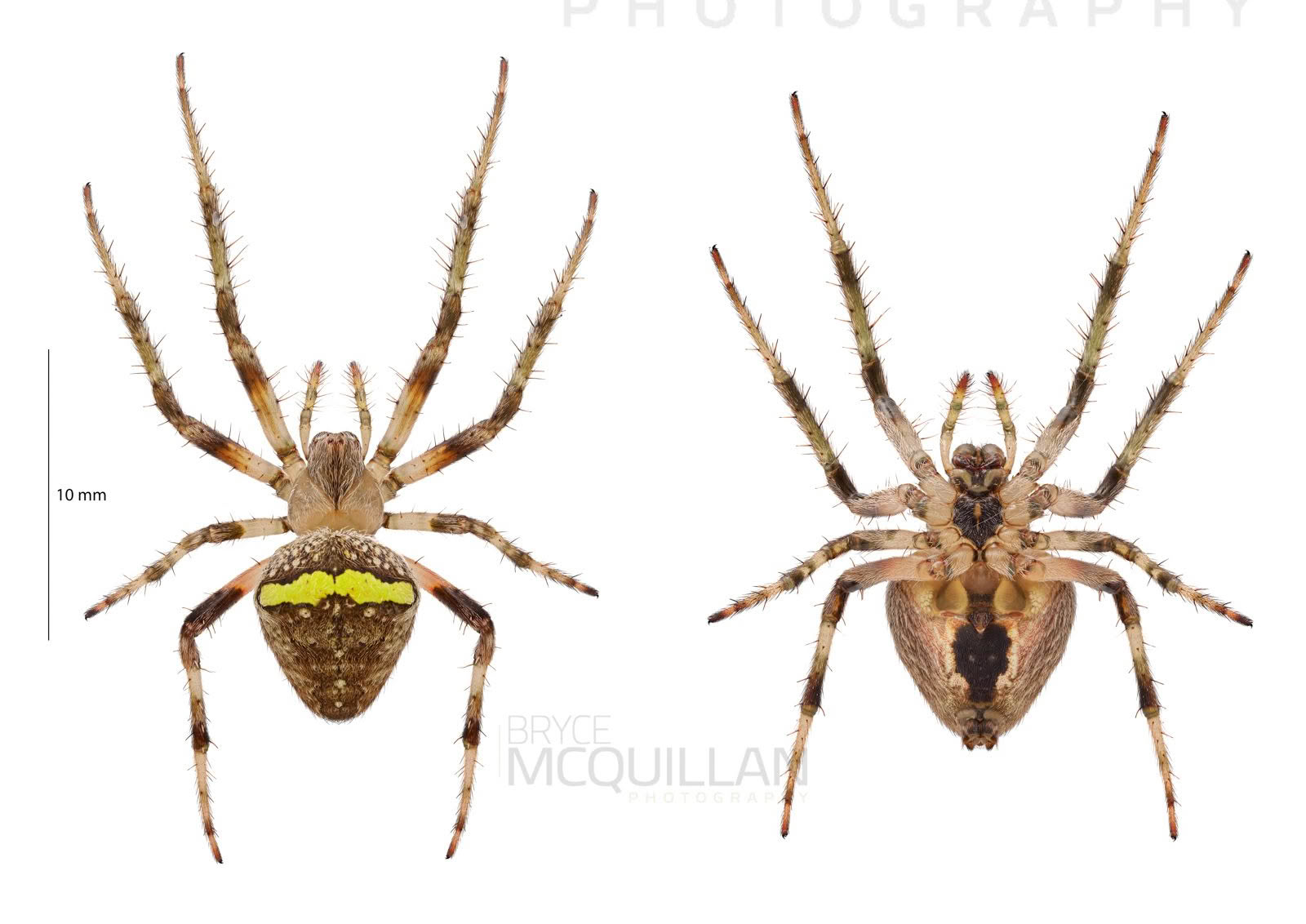
Project one: Orb weavers on white
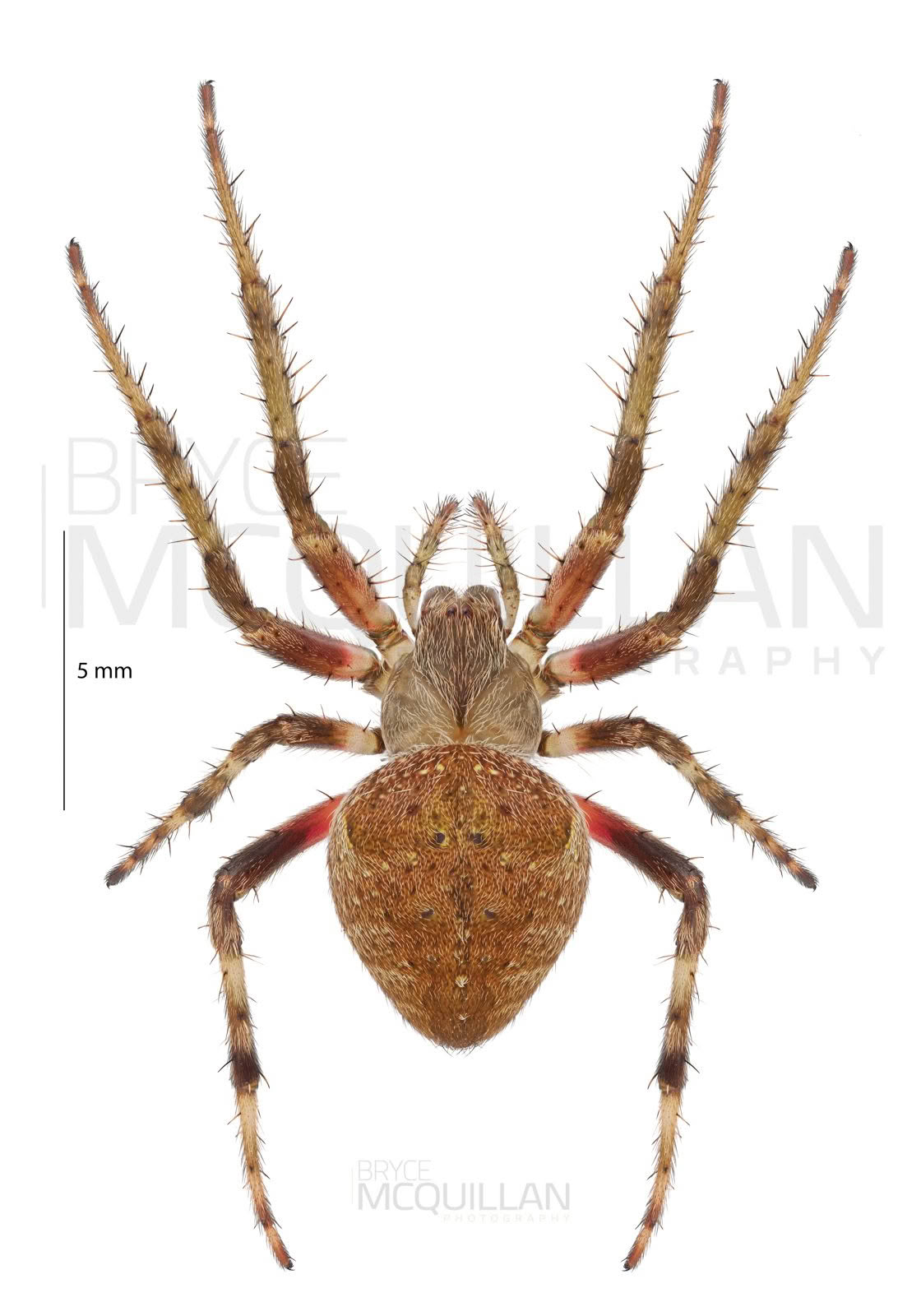
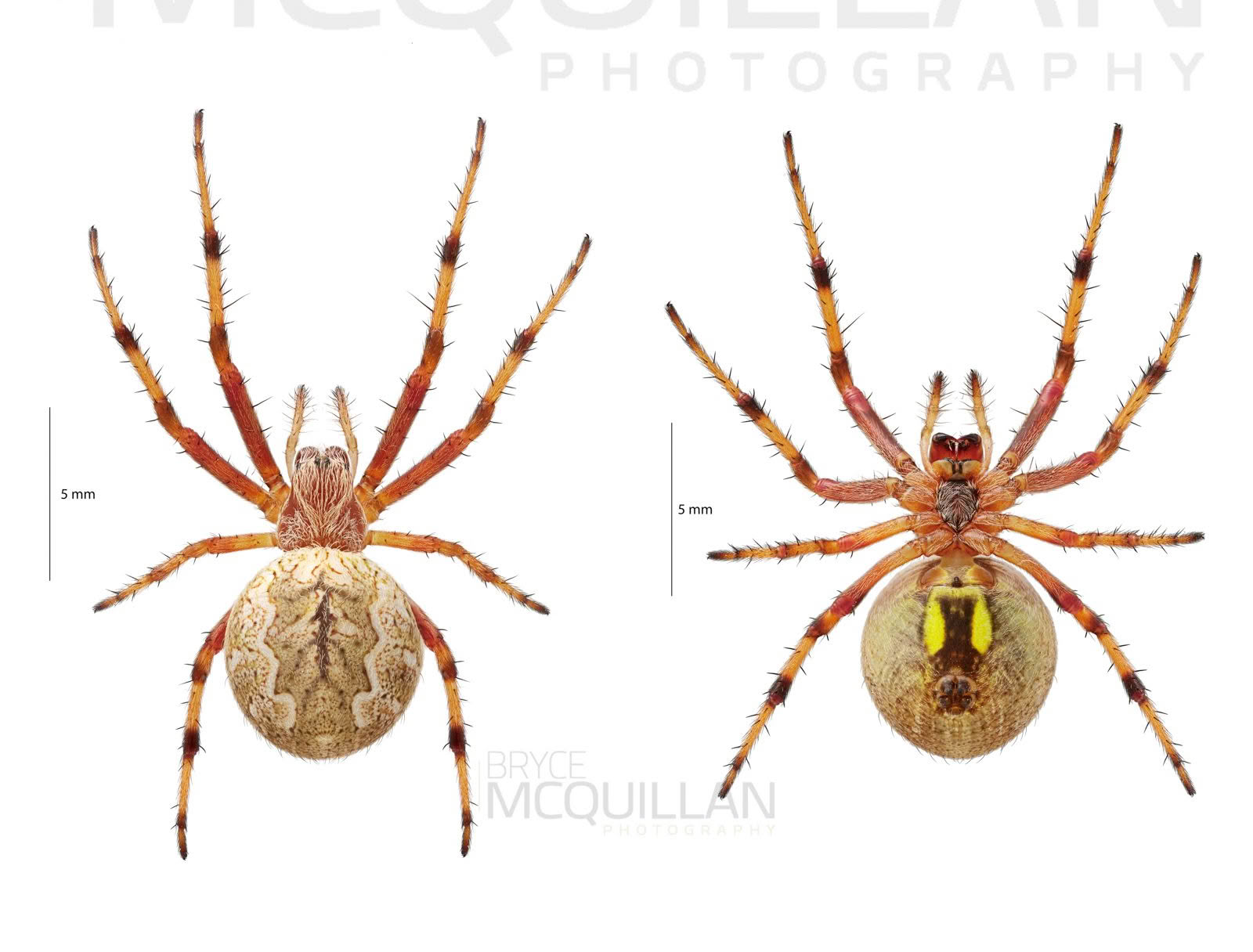
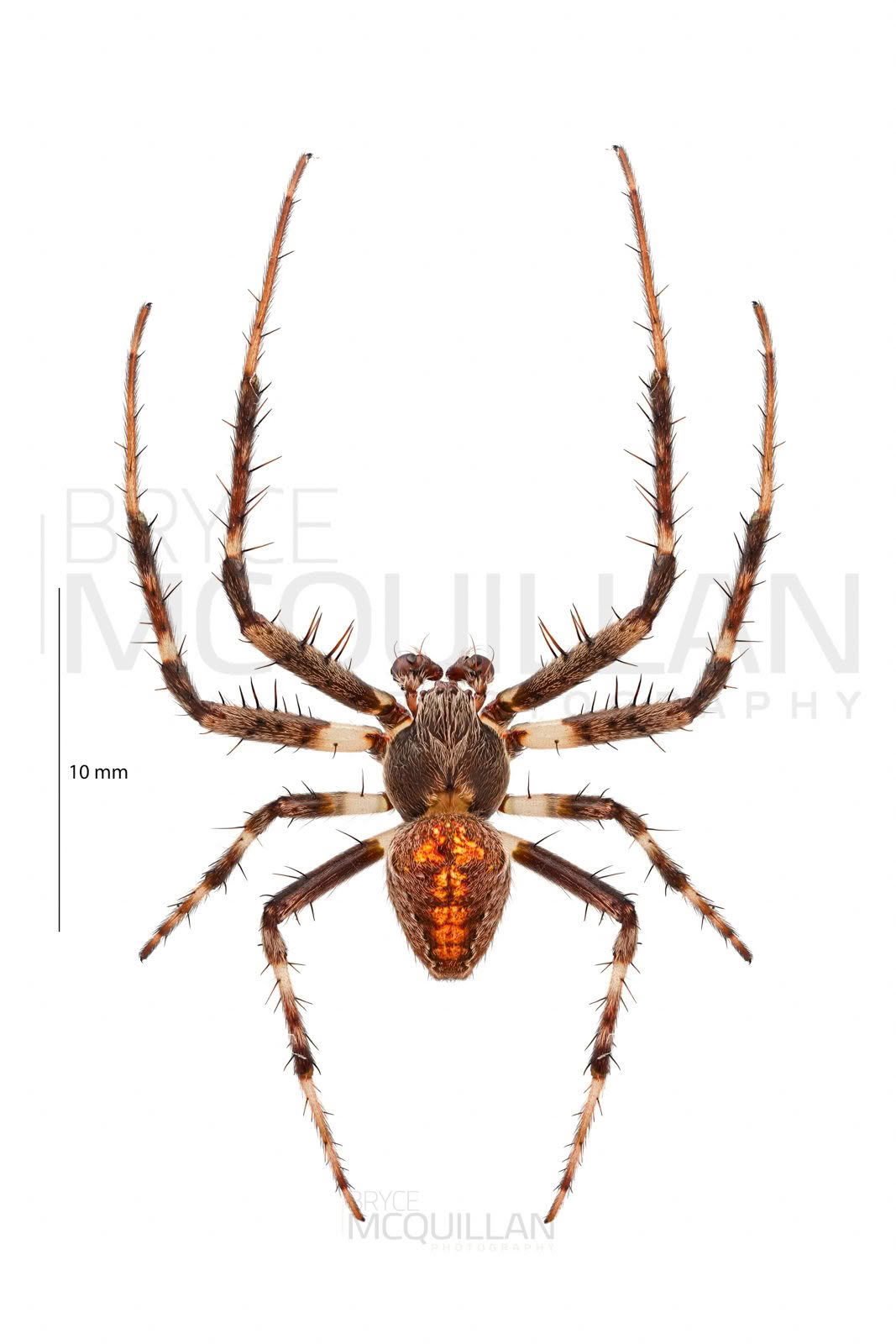
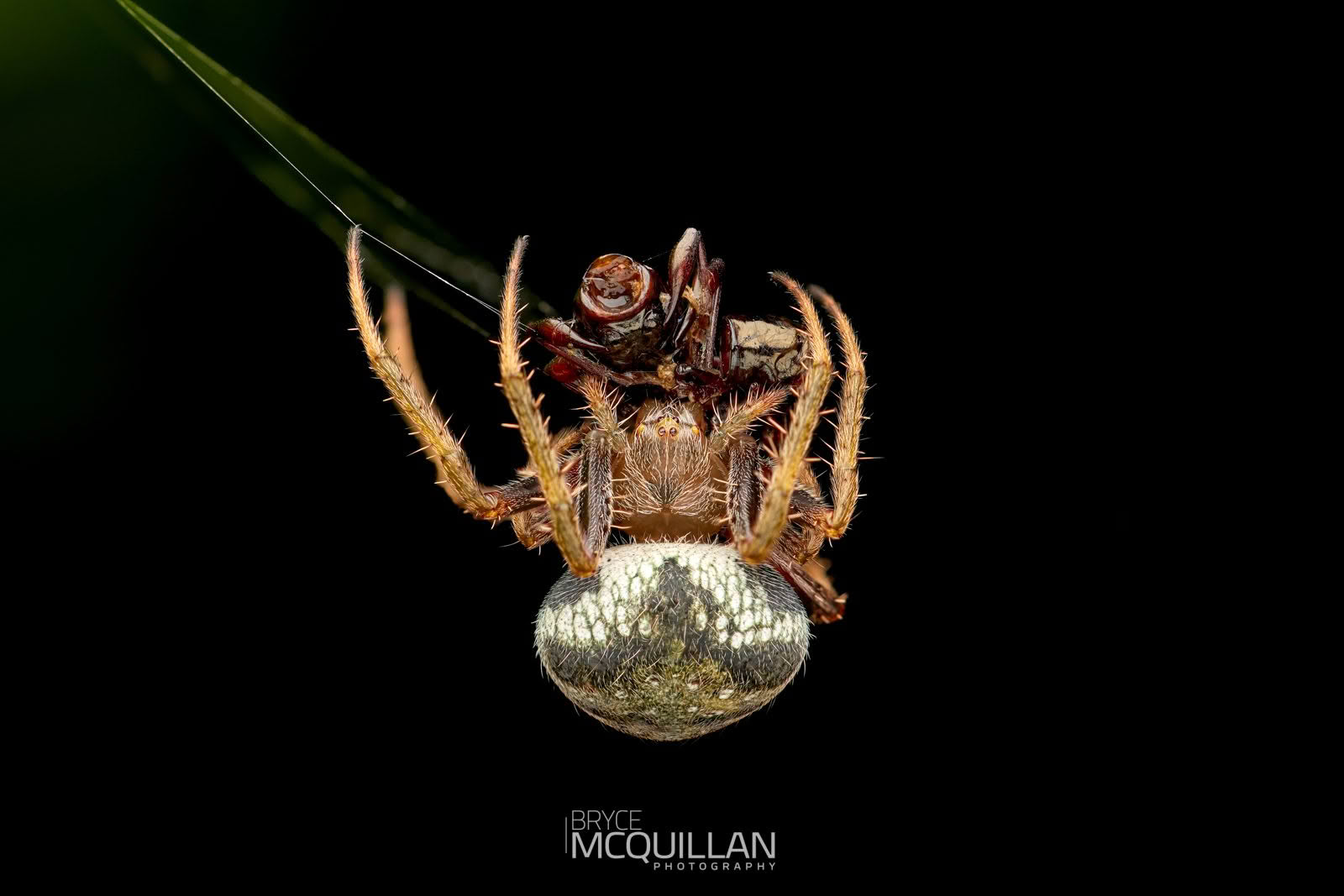
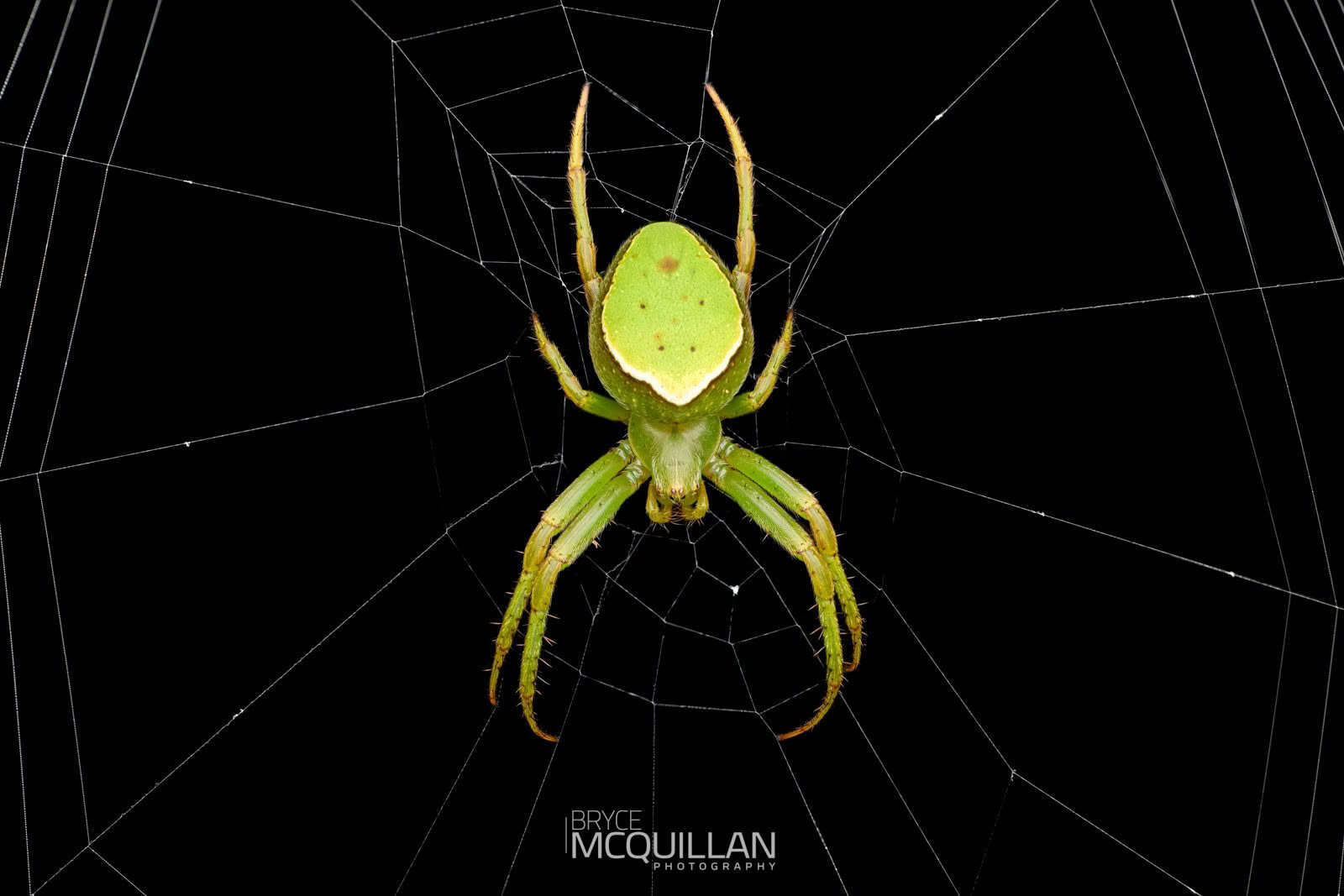
Above I mentioned I’ve got two projects on the go at the moment. I’m working on photographing New Zealand’s orb weavers on a clean white background. The goal is to get clear, straight-down images of both the topside and underside. This is ideal for showing showing shape, pattern, and color forms. It also makes different individuals and species much easier to compare.
Below are some of the images I have taken in Feburary of Orb weavers on white.
Project two: 2,000 species on iNaturalist
The other project is a personal goal: reaching 2,000 species on iNaturalist. At the start of this year I was sitting just under 500, so it’s going to be quite a push and drive.
For me, iNaturalist isn’t just about the number. It’s a way to look at biodiversity differently, and it also keeps pushing how I approach photography as a whole. It often encourages me to try new perspectives and capture a small set of images that tells a clearer, more complete story of the subject. The things I learn from thinking about different angles and compositions don’t just stay within biodiversity, I apply them to everything I photograph.
Two series below.
Beetle Book
I’m slowly ticking off the last few images needed for a beetle book I’ve been working on for the past few years: https://newzealandbooks.com/book/field-guide-to-beetles-of-new-zealand/
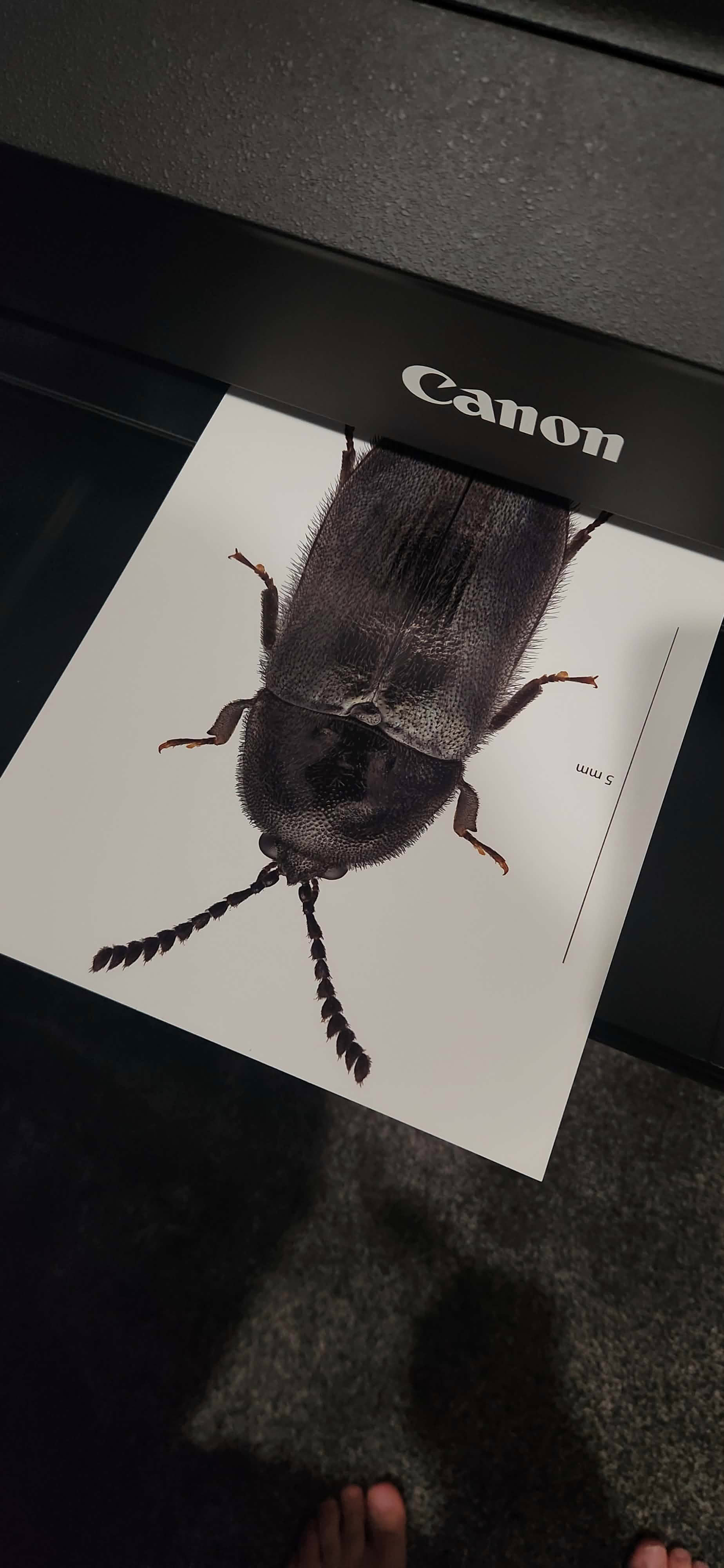
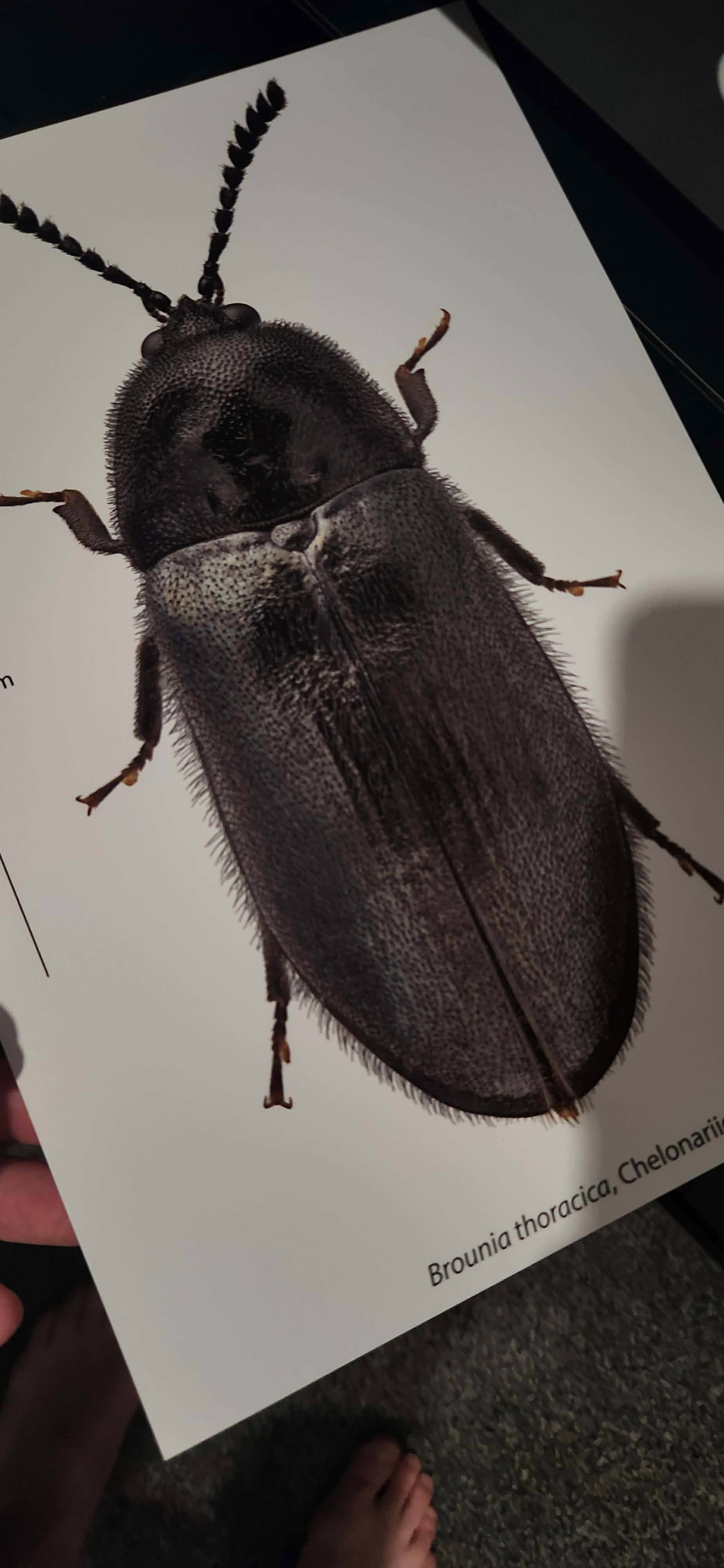
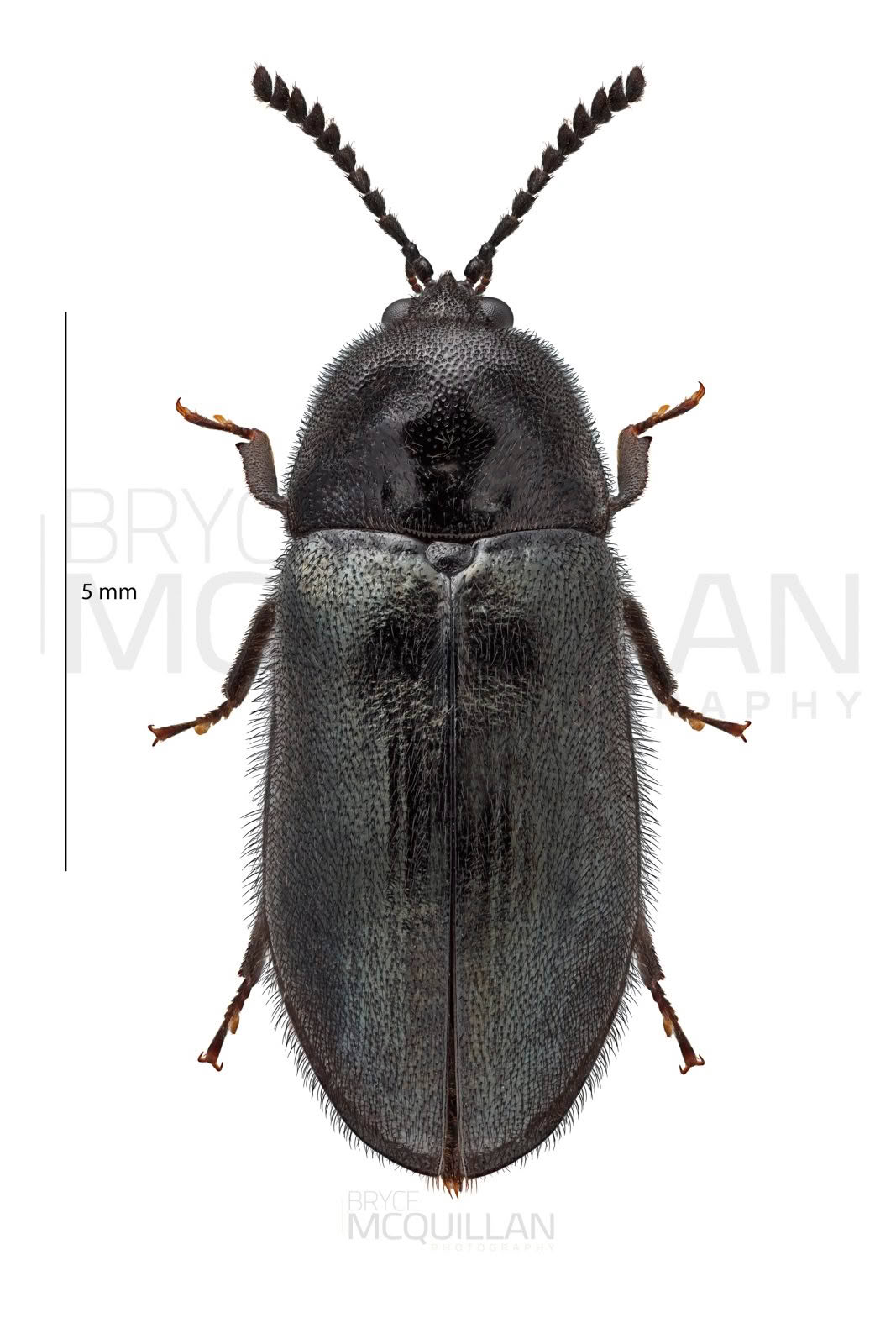
One species we really wanted to include, but had more or less accepted we probably wouldn’t get a decent photo of, was Brounia thoracica. It belongs to the family Chelonariidae and it’s the only species from that family found in New Zealand. The beetle itself is endemic to New Zealand.
Then one afternoon Carl messaged me with a photo of one he’d found in a pitfall trap. He’d managed to lay it out really well, which meant I could photograph it properly that same evening. I was stoked with how the images turned out, and I printed an A4 copy for Carl.
Female Brounia thoracica.
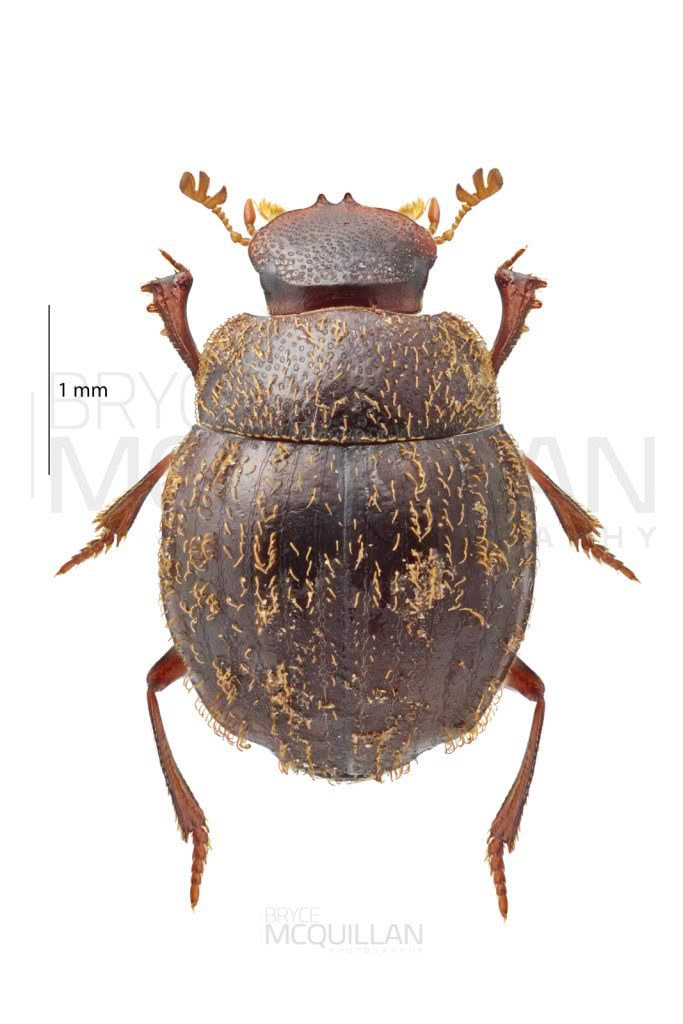
Two other beetles photographed this month:
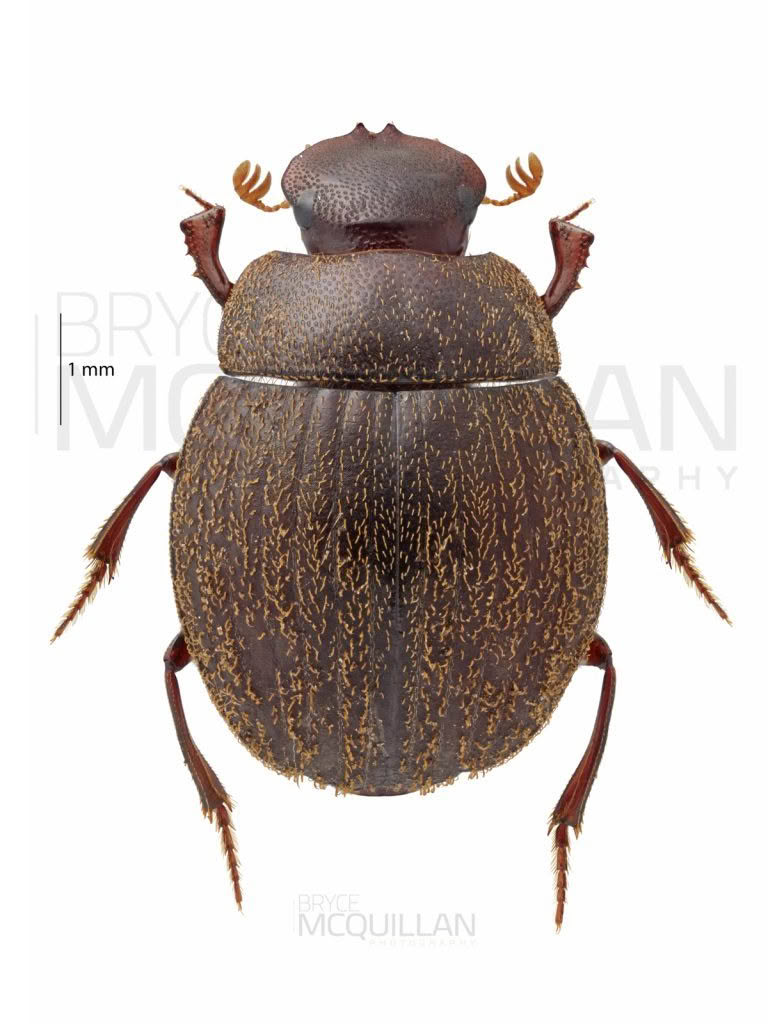
Left – Saphobius squamulosus, Scarabaeidae
Right – Saphobius inflatipes, Scarabaeidae
The images were photographed with a Canon 5DsR and a Canon MP-E 65mm, mounted on a wall-mounted copy stand with a StackShot rail. I used two strobes for lighting, both fitted with a custom-made diffuser. The final images were focus stacked.
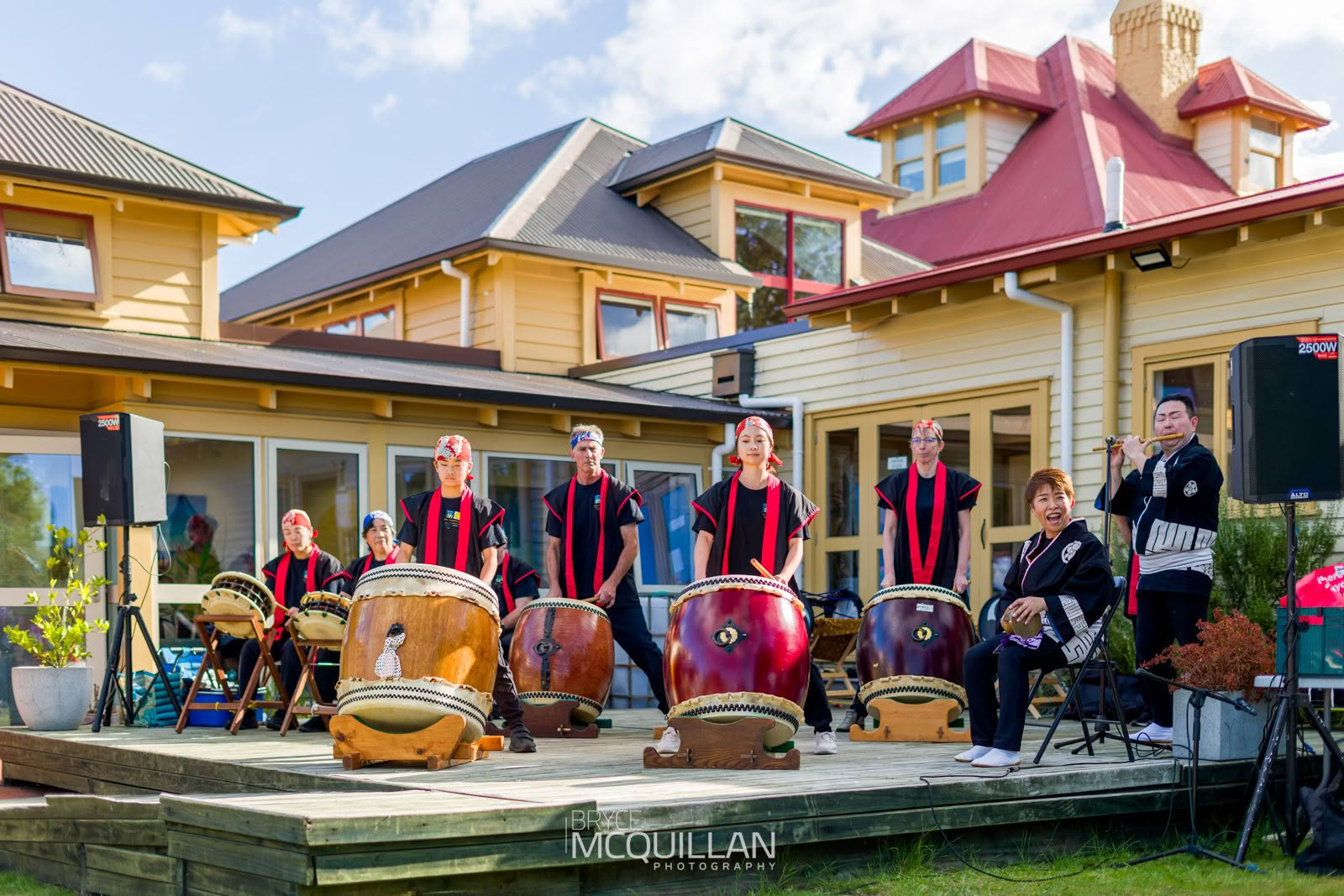
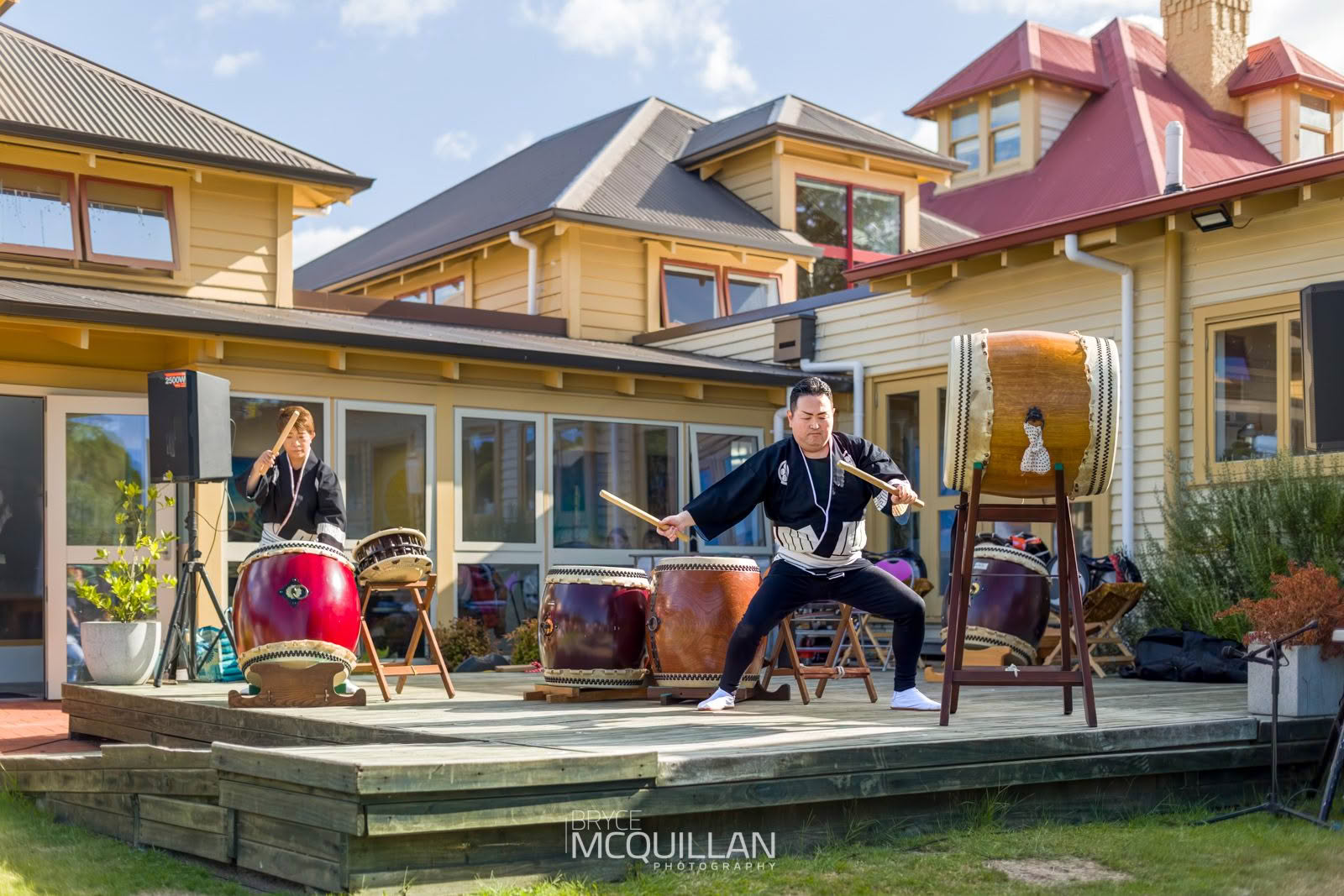
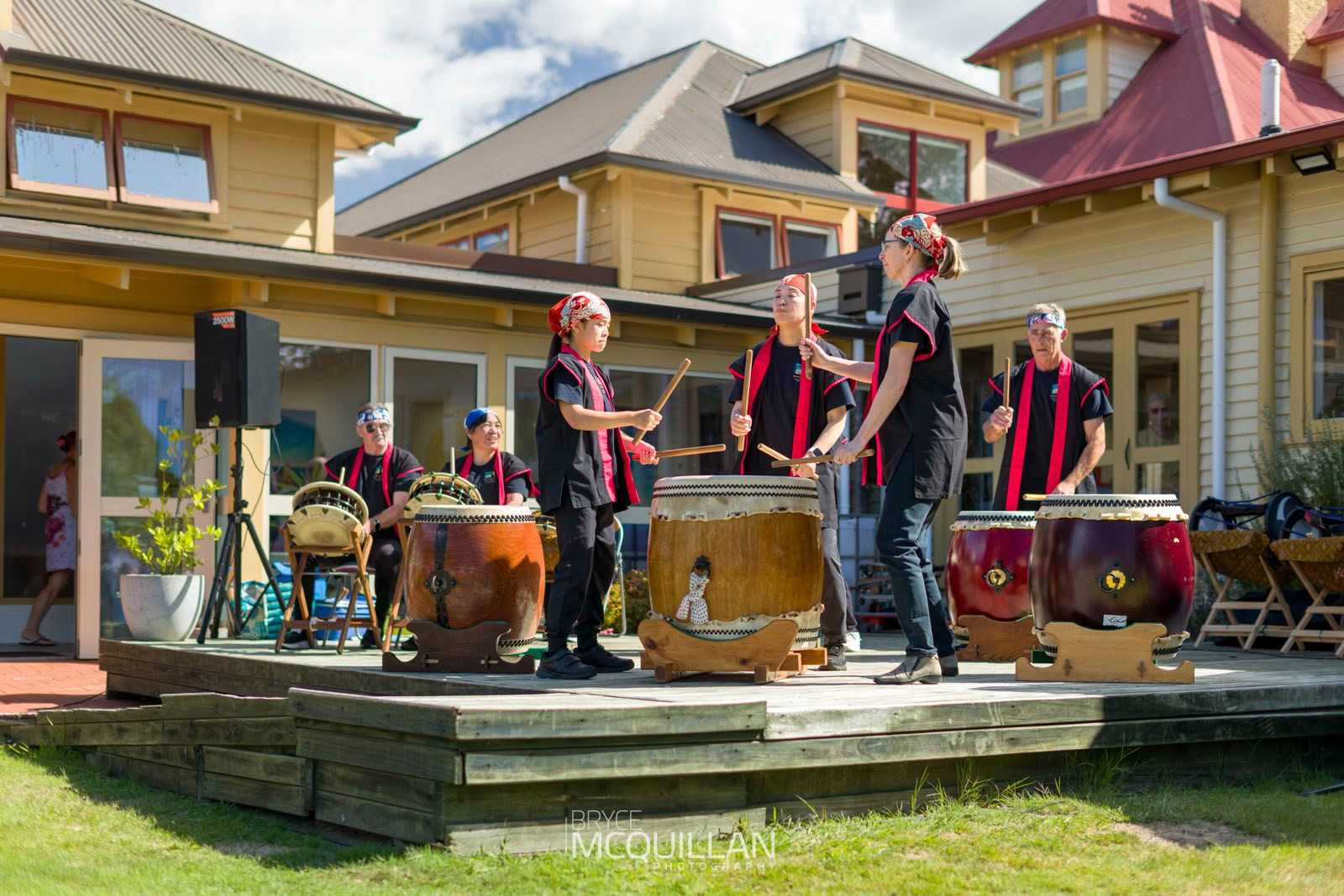
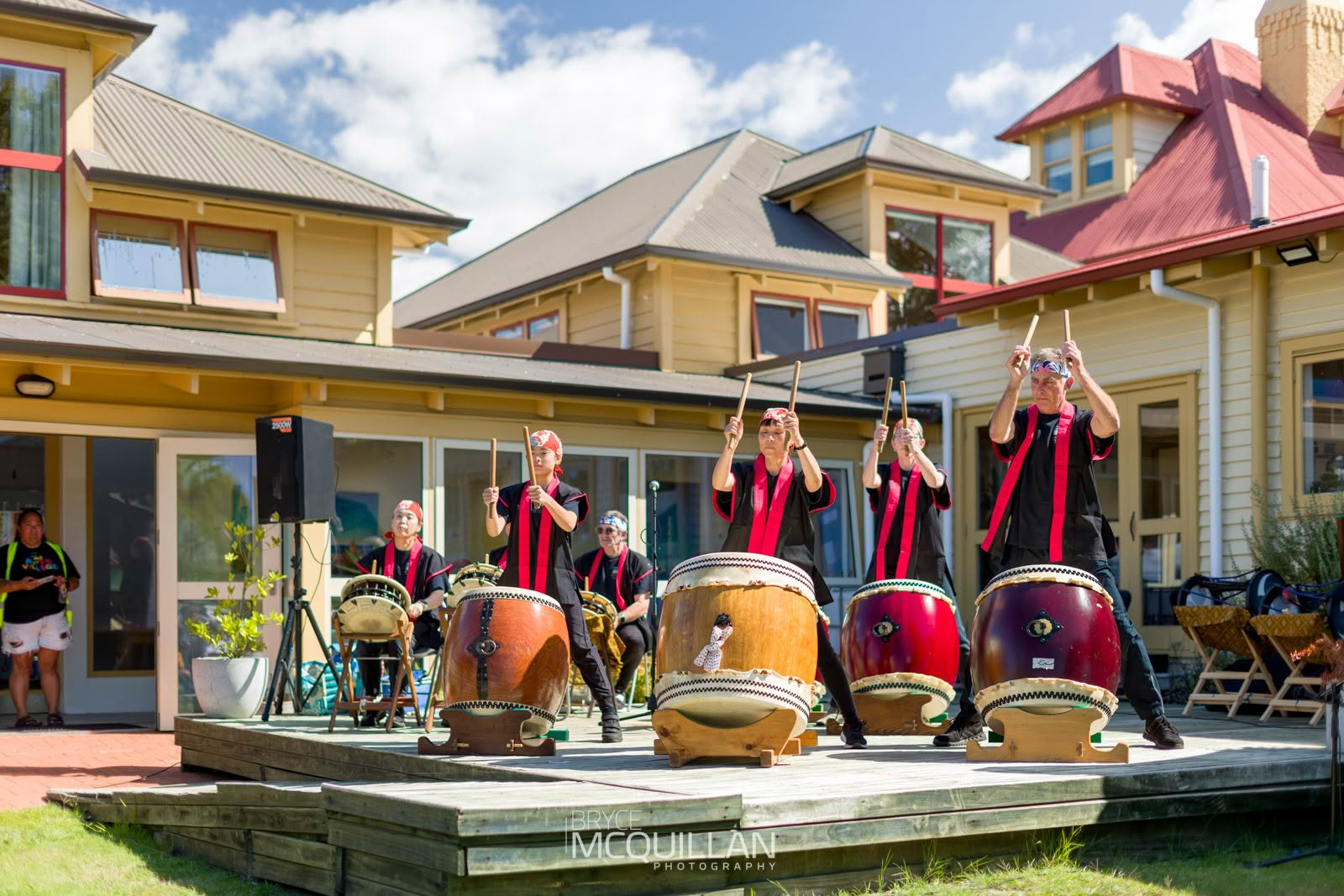
Japanese Taiko drumming
On Saturday 21st of February, the Arts Village in Rotorua hosted the Taiko Summer Festival. Rotorua Taiko Drumming put on a couple of hours of performances, joined by guest drummers and other performers. It was a beautiful late summer afternoon, warm and relaxed, and it made for a great evening watching and listening to everyone perform. It was also a great opportunity for me to give my new Canon RF 45mm f/1.2 lens a good test.
There was also a small market running alongside the festival, with a variety of artwork on display, plus a few food and drink trailers for something warm to eat or grab between sets.
Photographed with a Canon R5 MKII, Canon RF 45mm F1.2 lens.
Bell Frogs – Lake Okareka at night
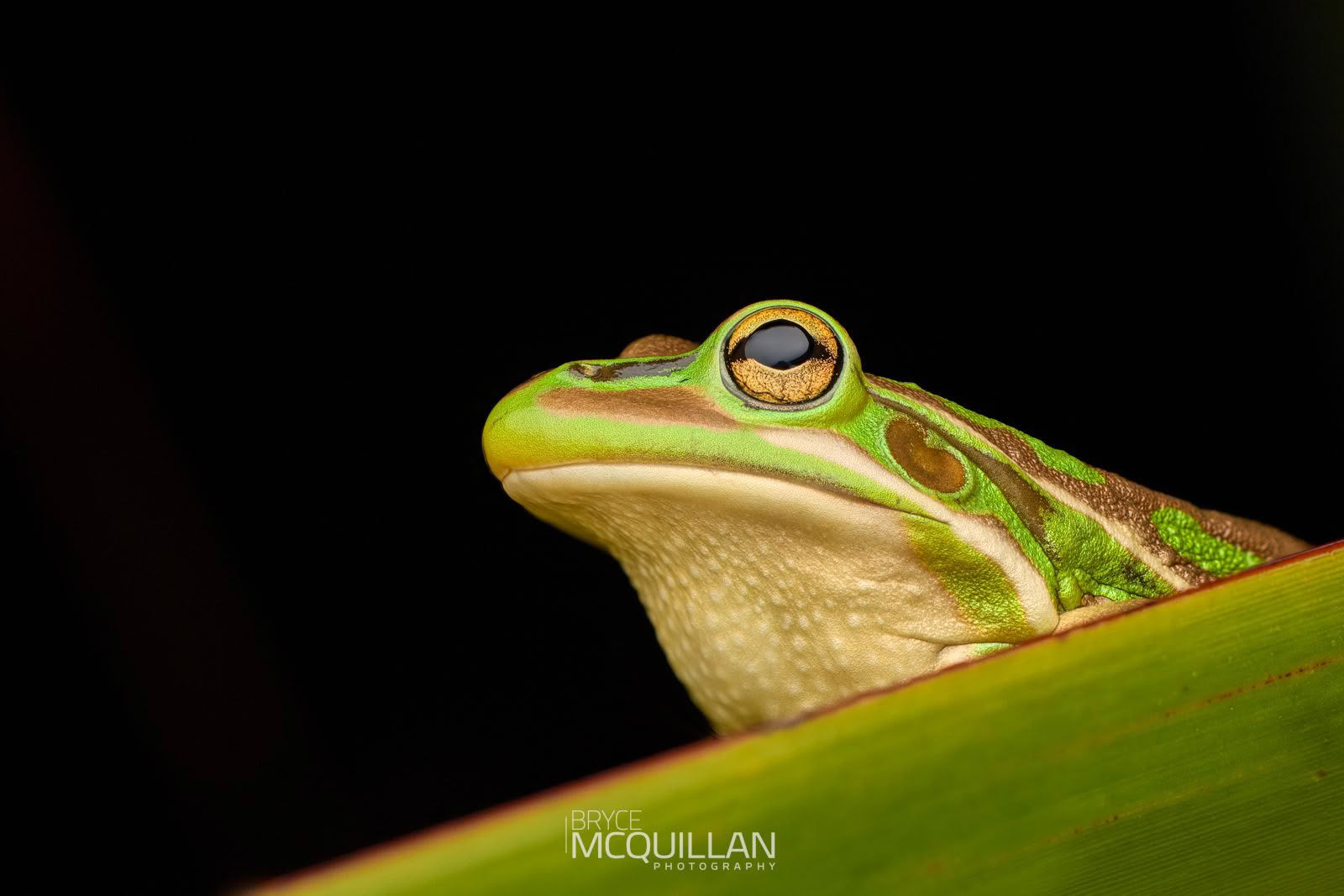
Each summer I usually head out to Lake Okareka to photograph the bell frogs. I’ve been doing this ever since I moved to Rotorua more than 11 years ago. Their numbers out there are fairly high, and it’s one of the few places around Rotorua where you can find both species in the same area: the Green and Golden Bell Frog (Ranoidea aurea) and the Southern Bell Frog (Ranoidea raniformis).
Bell frogs and conservation in New Zealand
Bell frogs are a bit controversial among ecologists in New Zealand. In the wrong habitats they can be hard on local biodiversity because, honestly, if it fits in their mouth, it’s food. These frogs can get fairly large, with some reaching around 10 cm. When most of our invertebrates and even many lizards are under that size, there isn’t much that’s off the menu.
That said, they can also become a useful food source for some wetland birds, including white-faced herons, bitterns, and pūkeko.
At the same time, both species are considered vulnerable globally, and iNaturalist reflects that:
- Southern Bell Frog (Ranoidea raniformis): https://www.inaturalist.org/taxa/517107-Ranoidea-raniformis
- Green and Golden Bell Frog (Ranoidea aurea): https://www.inaturalist.org/taxa/517069-Ranoidea-aurea
New Zealand used to have more native frog species than we do now. Habitat loss and introduced pests have had huge impacts, and many of our remaining native frogs are now extremely rare and legally protected.
Globally, frogs are under pressure from many of the same issues we deal with here in New Zealand, especially habitat loss. On top of that, chytrid fungus has caused major declines in frog populations around the world.
So, with all of that in mind, I don’t see thriving bell frog populations here as automatically “a bad thing”. Yes, in some places they can be problematic. But they’re most often found around wetlands and ponds, and we no longer have endemic frogs living in those environments anyway. The bigger concern is when bell frogs are around forest edges near ponds, where they can impact endemic lizard and frog species.
Why I enjoy photographing them
Frogs are one of those animals a lot of people feel some kind of connection to, whether it’s childhood stories like The Frog Prince, or raising tadpoles in a classroom and watching them grow. Whatever the connection is, they’re a group of wildlife many people can relate to. So often they are a subject many wildlife photographers or photographers in gneeral are excited to see and photograph.
The bell frogs at Lake Okareka can be challenging to photograph. As you approach, the vibration of your footsteps often makes them wary and they’ll jump before you’re close enough for a good photograph. But because there are so many frogs out there, you’ll usually still come away with at least one or two images you’re really happy with.
This time I headed out with a few friends from Rotorua, Davide, Brian, and Connor. The three of us went out last year and had a great time, it was also the first time we’d all been out photographing together. This year we wanted to see if we could improve on the images we got last time, and if nothing else, just see the frogs again and enjoy a night out chatting.
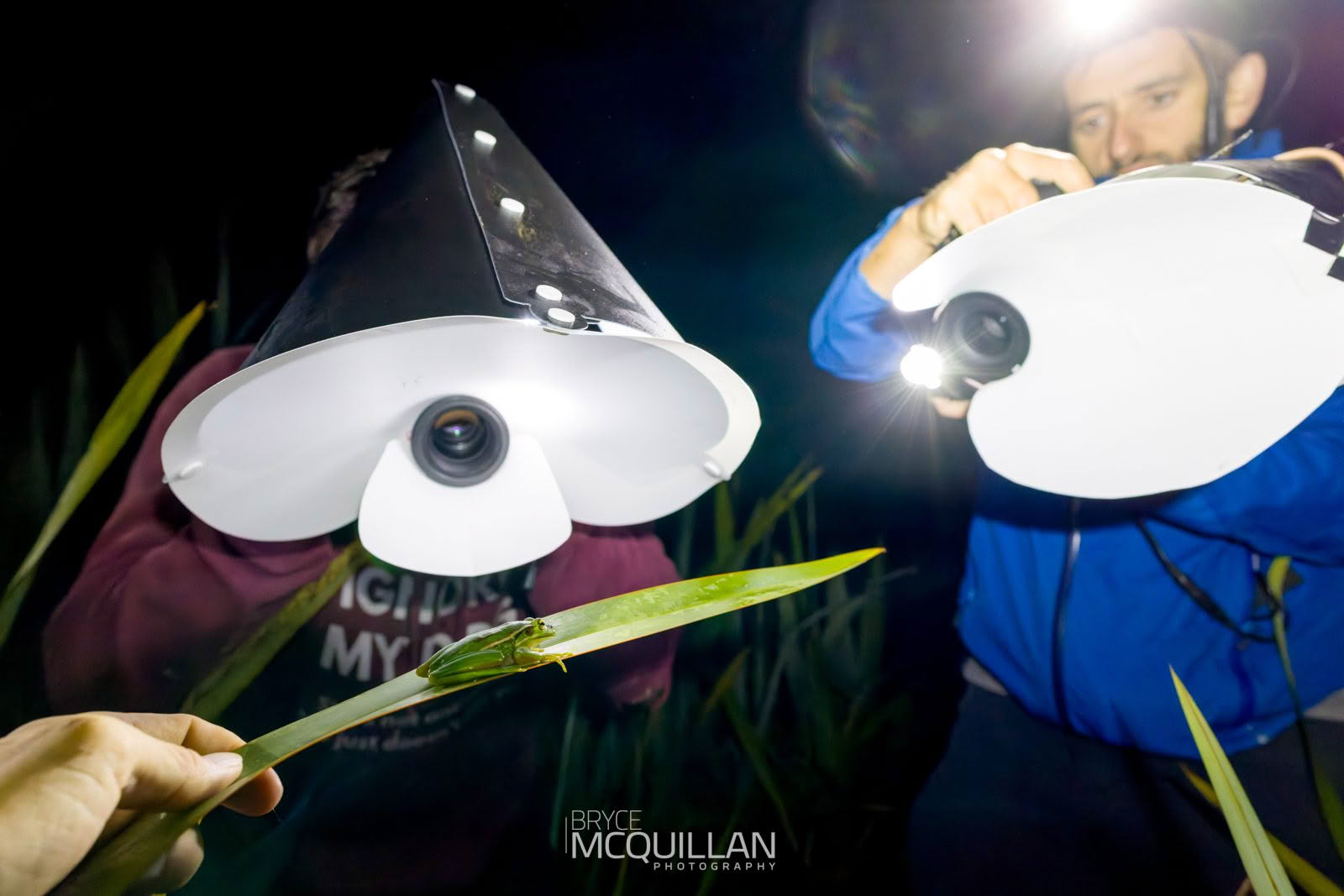
I’d also recently bought a couple of diffusers from Varun (https://www.varunhbphotography.com/). He’s an amazing photographer in his own right, and he’s also started a small company making and selling diffusers (https://beetlediffuser.com/). They’re light, strong, and produce really clean results. I usually build my own diffusers, but I brought a couple of Varun’s to use in the photography workshops I run, and in particular to show at the upcoming PSNZ conference being held here in Rotorua this year (https://national.photography.org.nz/workshops/workshop-4/). I’m one of the speakers and I’m also running a couple of workshops, including one on lighting and diffusion, so I was curious to see how Varun’s diffusers stacked up against what I normally use.
I had offered to Connor, if he would like to try one for the evening, Connor was especially keen to try the Beetle Diffuser, and he was genuinely impressed with the results he got. You can see some of his photos on his instrgram: https://www.instagram.com/cms_macrophotography/
It was a much cooler night than when we’d photographed the frogs the previous year. That actually worked in our favour. The frogs were slower and less jumpy, which meant we could get in much closer and were able to get a wider range of images, including some lovely tight portraits.
Green and Golden Bell Frog (Ranoidea aurea) – Photographed with a Canon R5 MkII, Canon RF 100mm macro lens, EL-1 speedlite, with home made diffuser, focus bracketed in camera and then focus stacked with Helicon on the computer.
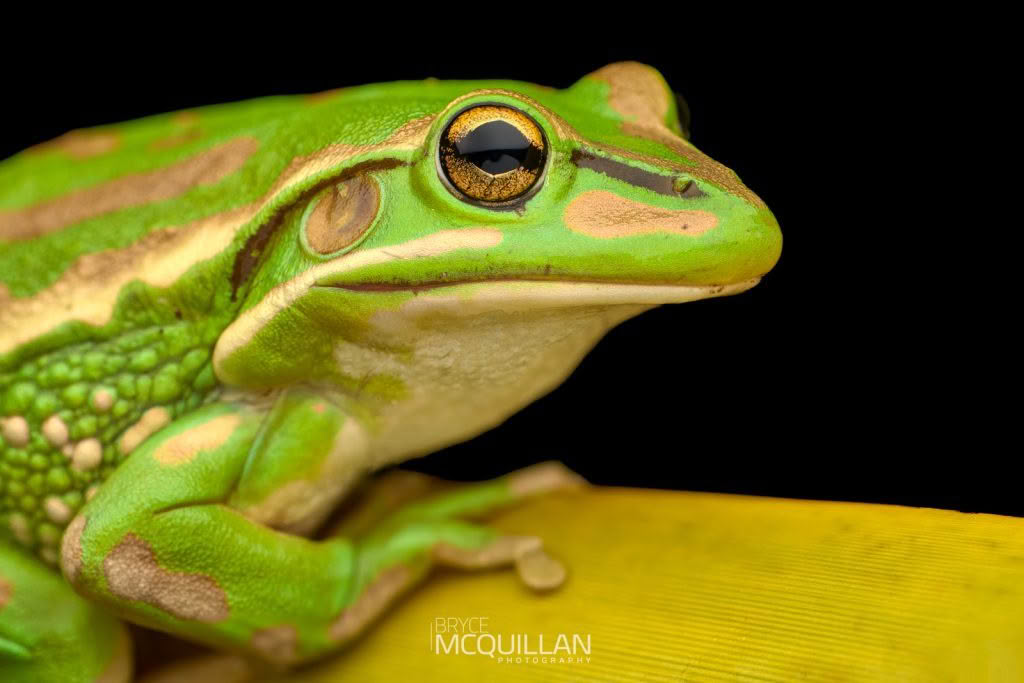
Because I’ve been out to this location so many times over the years, I was a bit more particular about the images I wanted to take. Lake Ōkāreka has far more biodiversity than just bell frogs, with a wide range of birdlife including tūī, bellbird, whitehead, spotless crake, four shag species, and a variety of wading birds that nest there over summer, such as pied stilt, with a wide range of invertebrate life, with mix of endemic and introduced, such as Native pray manstis, many weta species, including Auckland tree weta (Hemideina thoracica), stick insects, such as smooth stick insect (Clitarchus hookeri) as well as endemic wetland spiders, such as nursery web spider (Dolomedes minor) and Clubiona Cambridgei
Since I already have quite a large collection of bell frog photos, I was keen to get something different this time and put more focus on the Southern Bell Frog, which is much less common out there. Sadly, we didn’t see any Southern Bell Frogs that night.
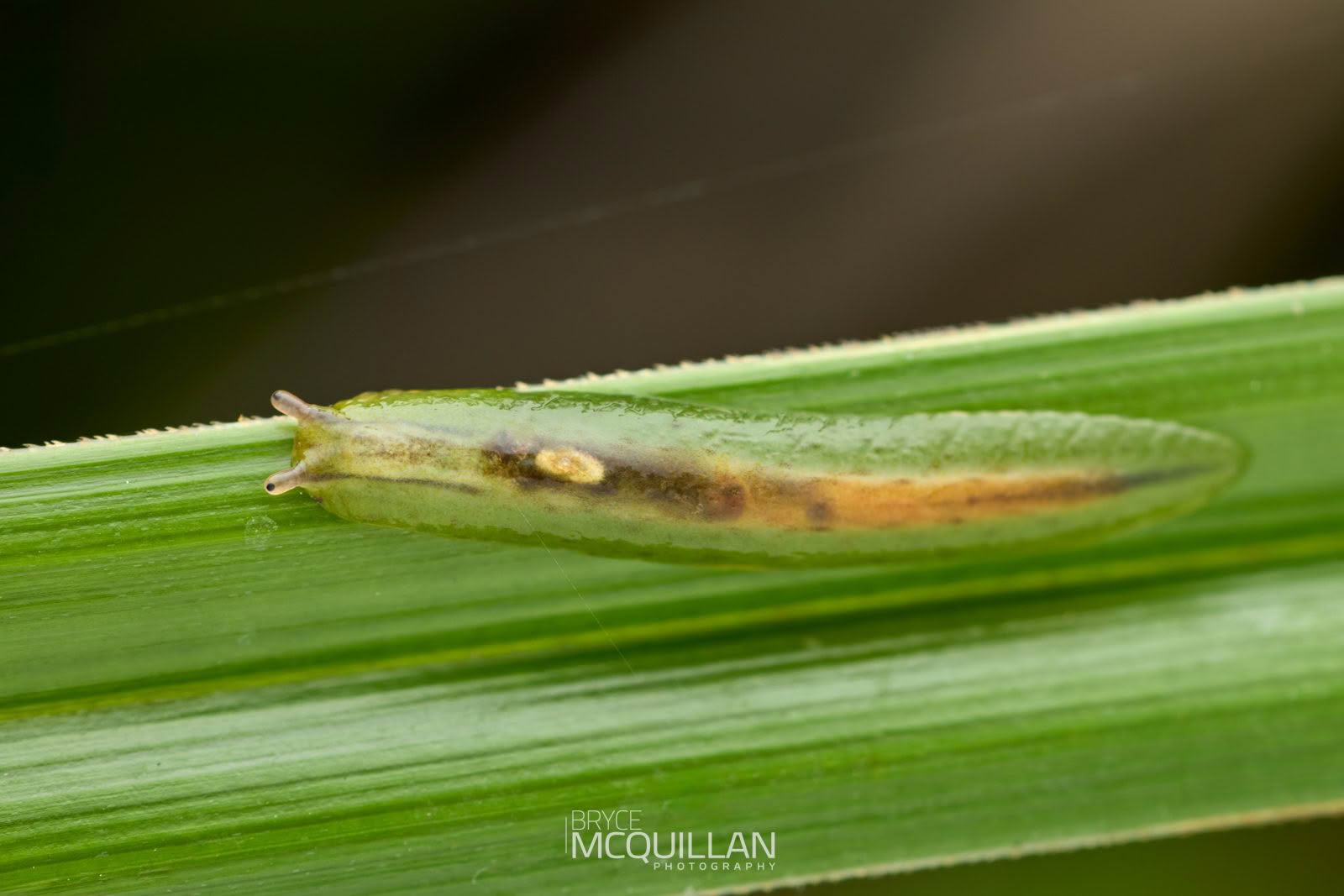
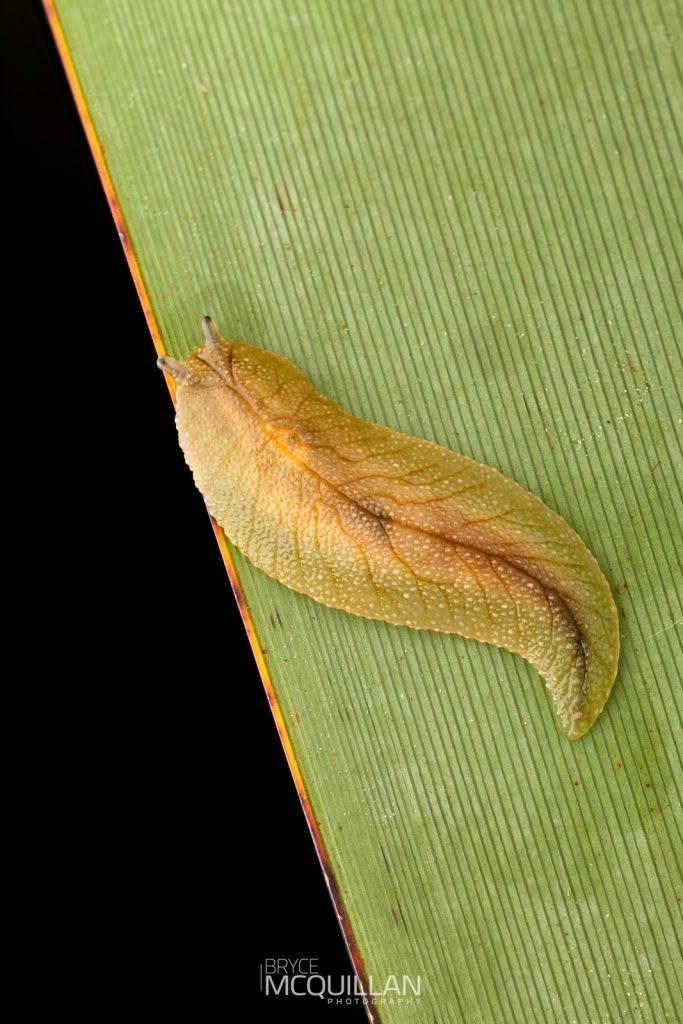
Even so, I came away with plenty of other images, especially of invertebrates like leaf-vein slugs. Below are a couple of the photos I was really happy with.
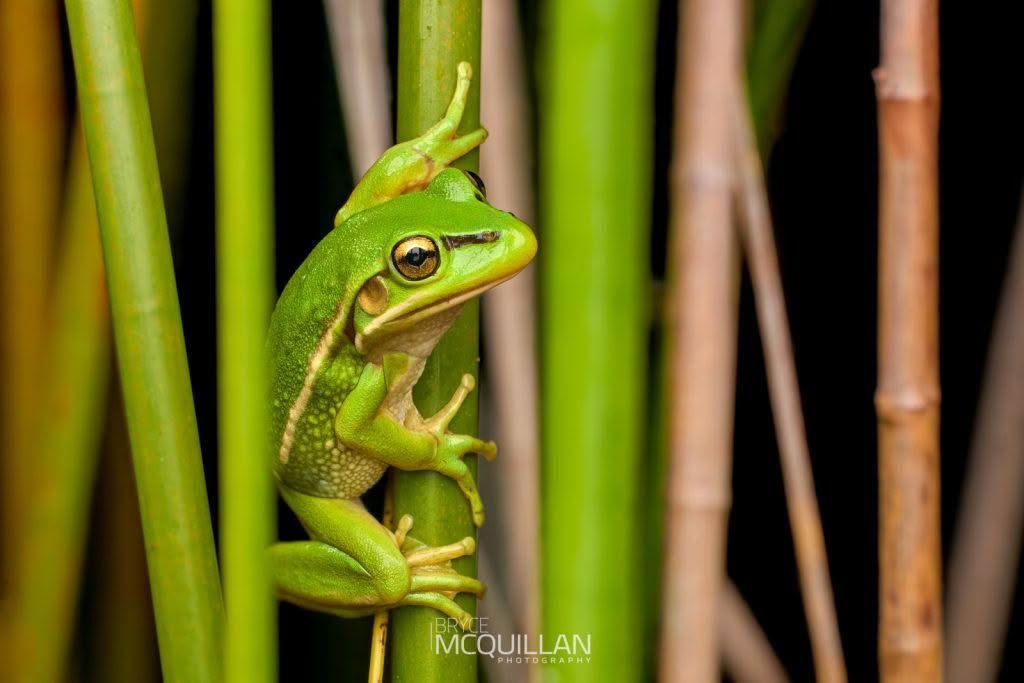
Green and Golden Bell Frog (Ranoidea aurea)
The image below is of a younger frog. I often find the smaller ones among shrubs, native grasses, and rushes, which can give a really different perspective compared to the usual flax-perched shots. The older, heavier frogs tend to sit on flax instead, since the rushes and grasses don’t seem to support their weight as well.
Photographed with a Canon R5 Mark II, Canon RF 100mm macro lens, and an EL-1 Speedlite with a homemade diffuser. Focus bracketed in-camera, then focus-stacked in Helicon Focus on the computer.
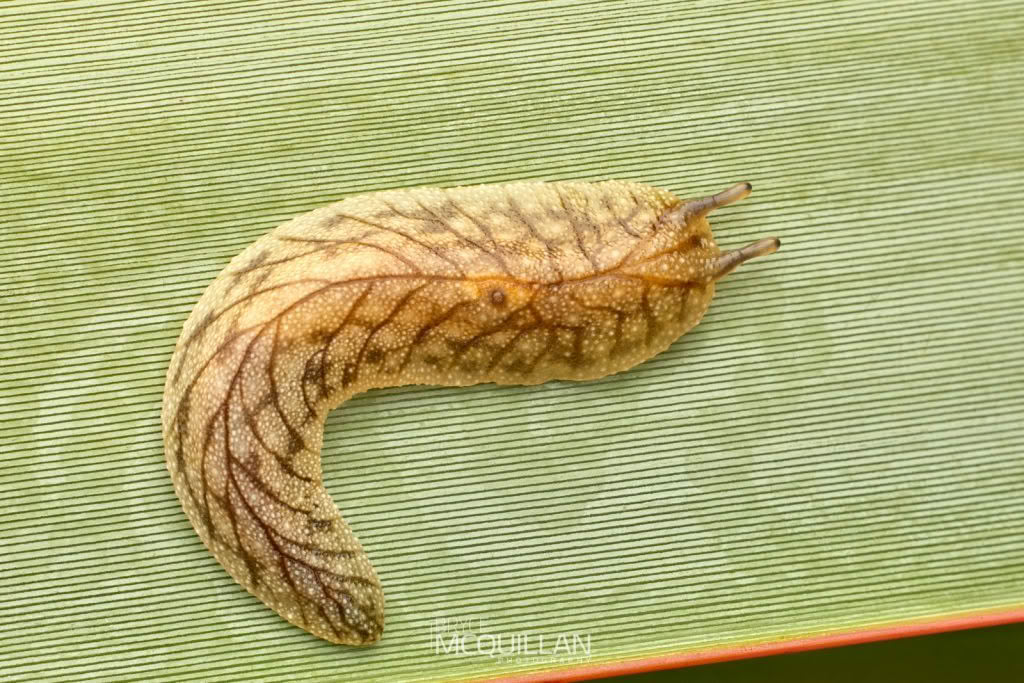
Leaf-vein slug
I was pretty excited to see this one and get a photo, because it looked quite different from the other leaf-vein slug species I normally find out there (the more common one is pictured below this image).
Photographed with a Canon R5 Mark II, Canon RF 100mm macro lens, and an EL-1 Speedlite with a homemade diffuser. Focus bracketed in-camera, then focus-stacked in Helicon Focus on the computer.
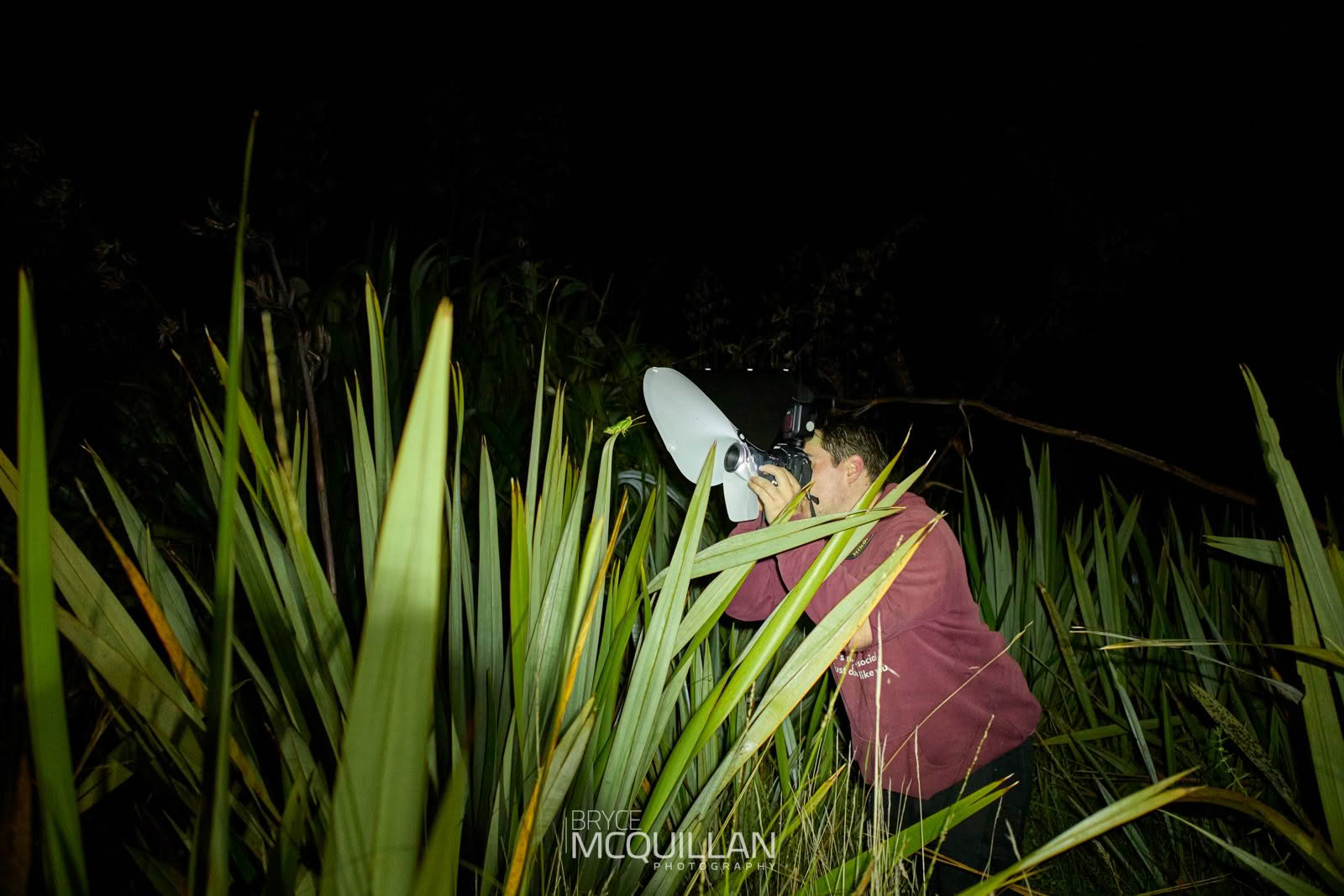
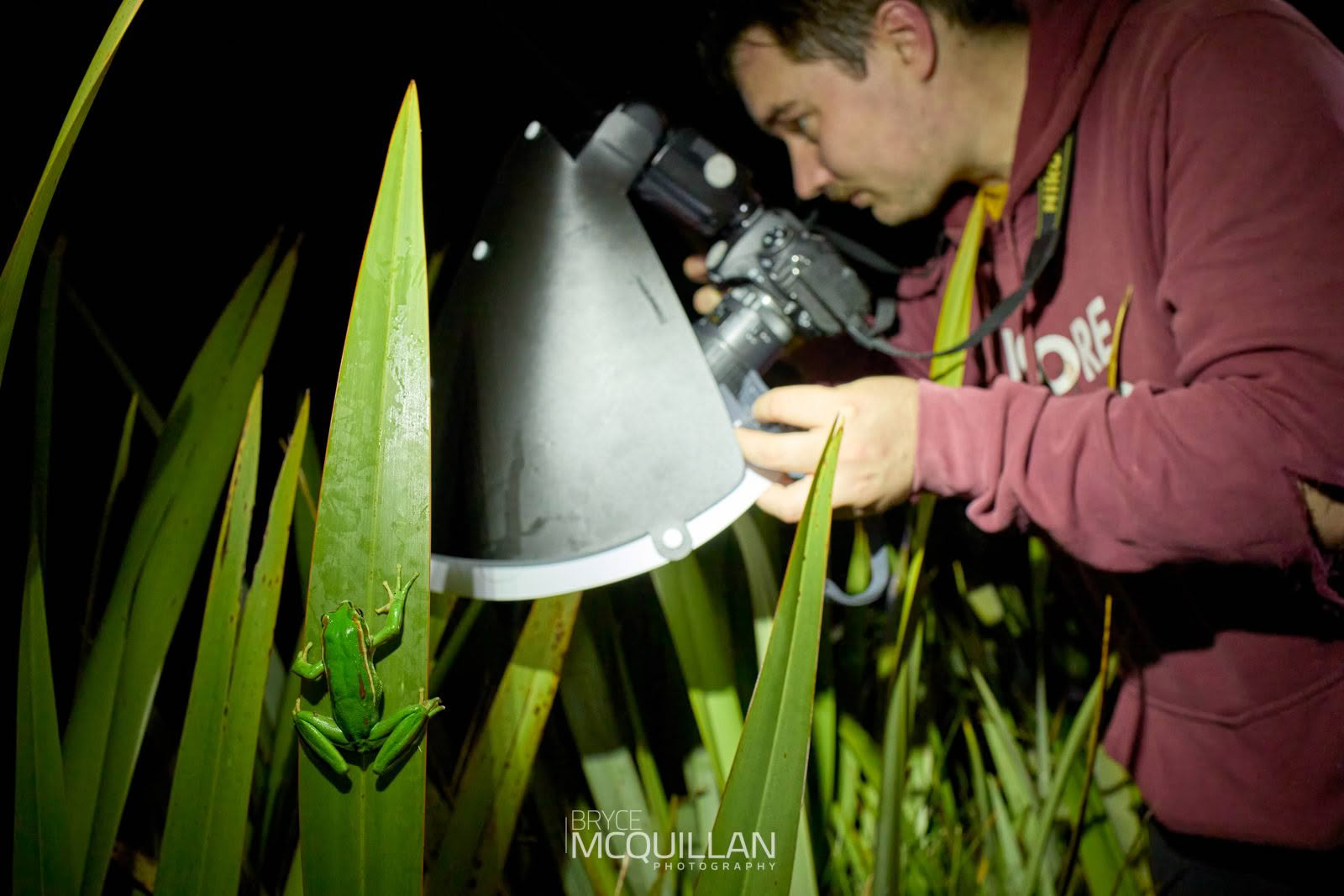
A couple behind the scenes images, of Connor and Davide taking images of the frogs, these images were taken with a Canon R5, with a Canon RF 24mm macro lens.
Sunflowers
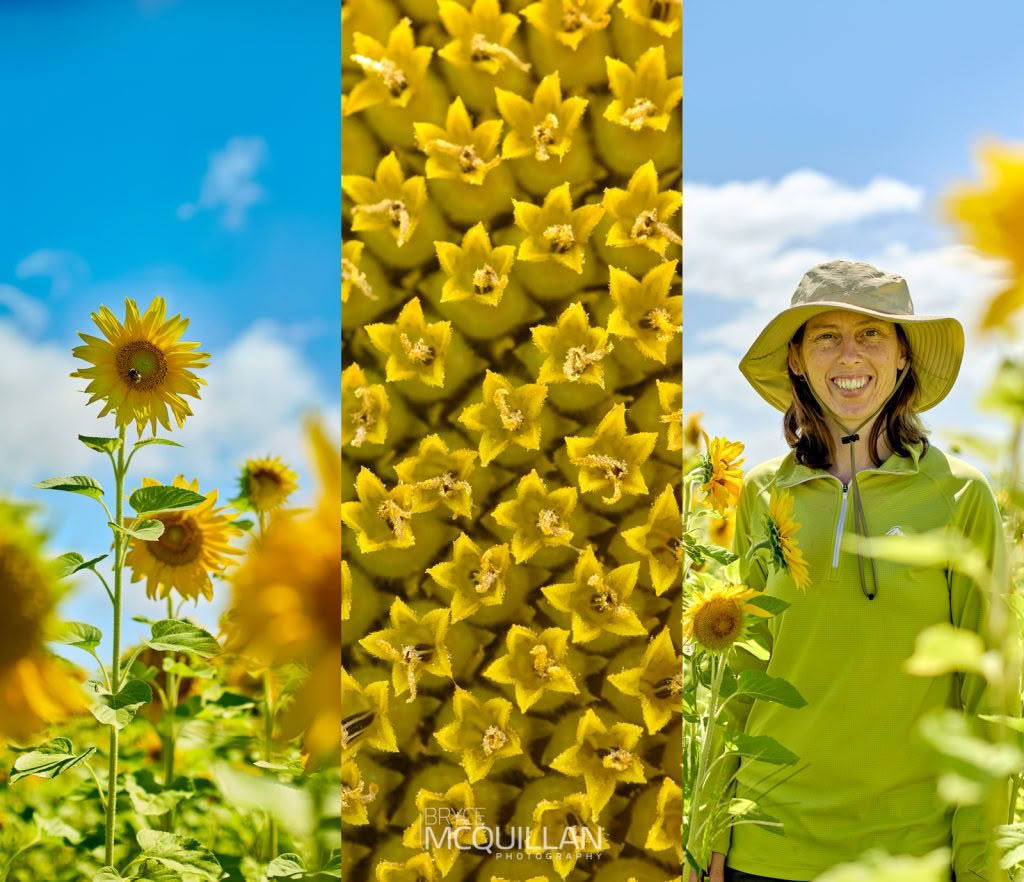
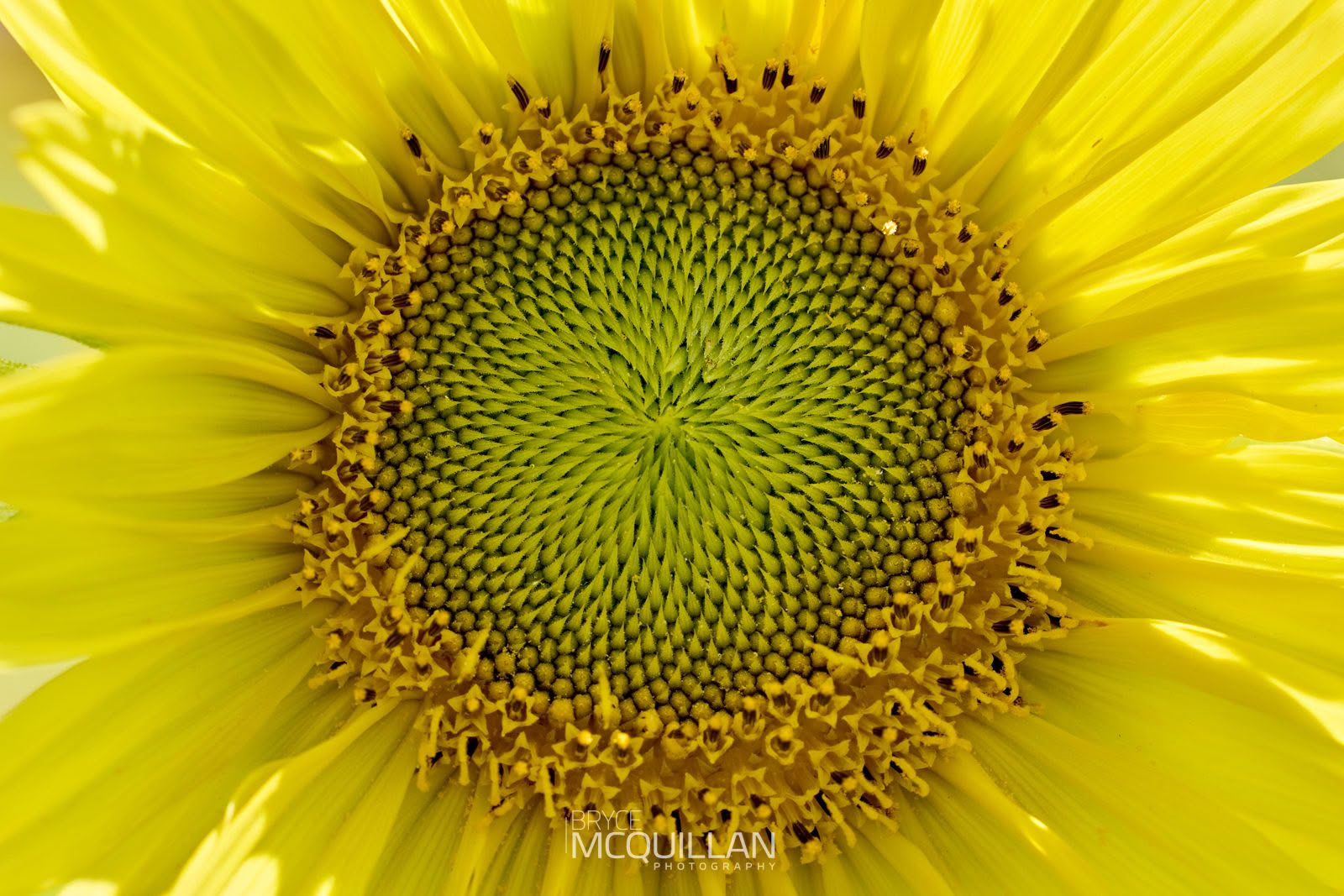
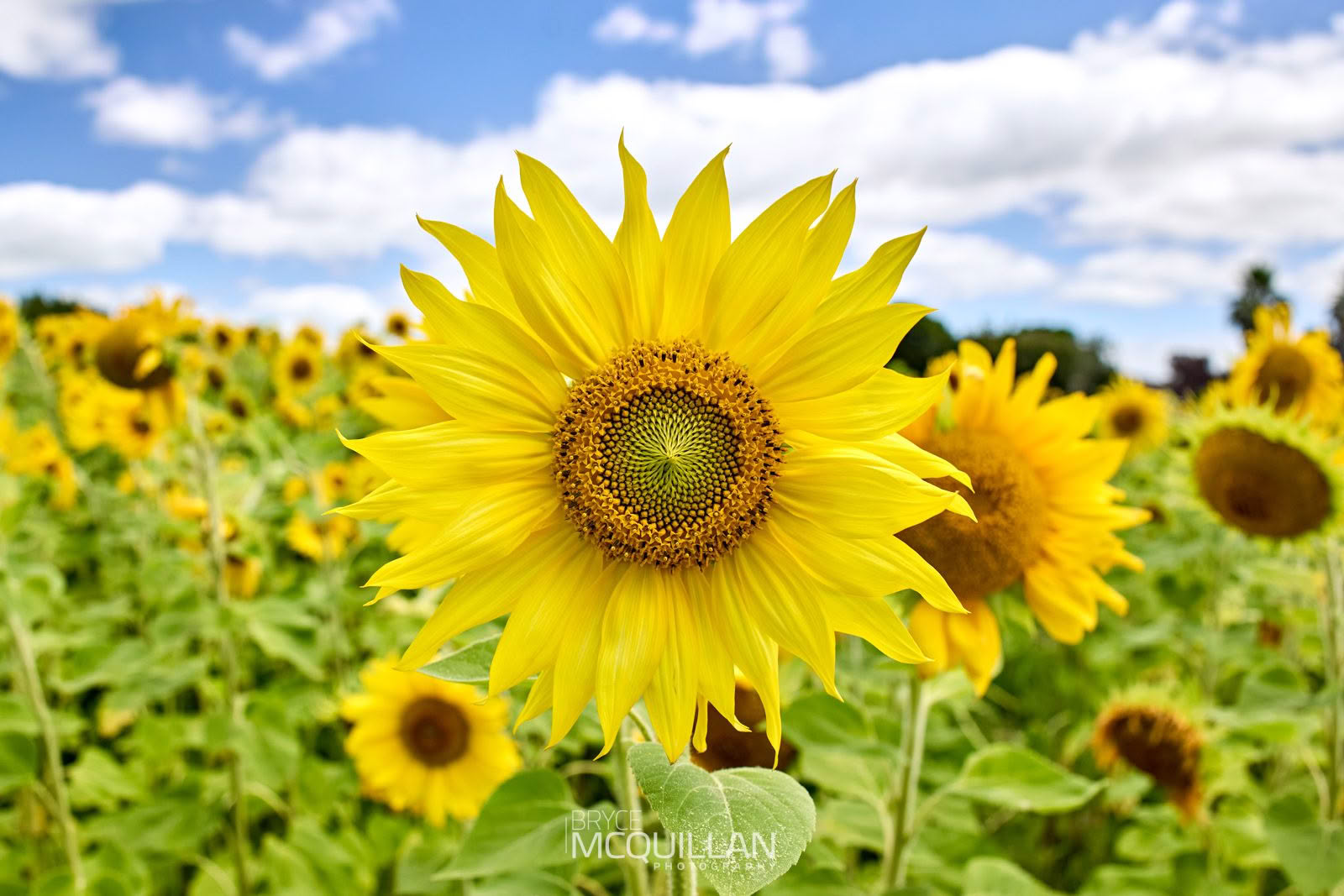
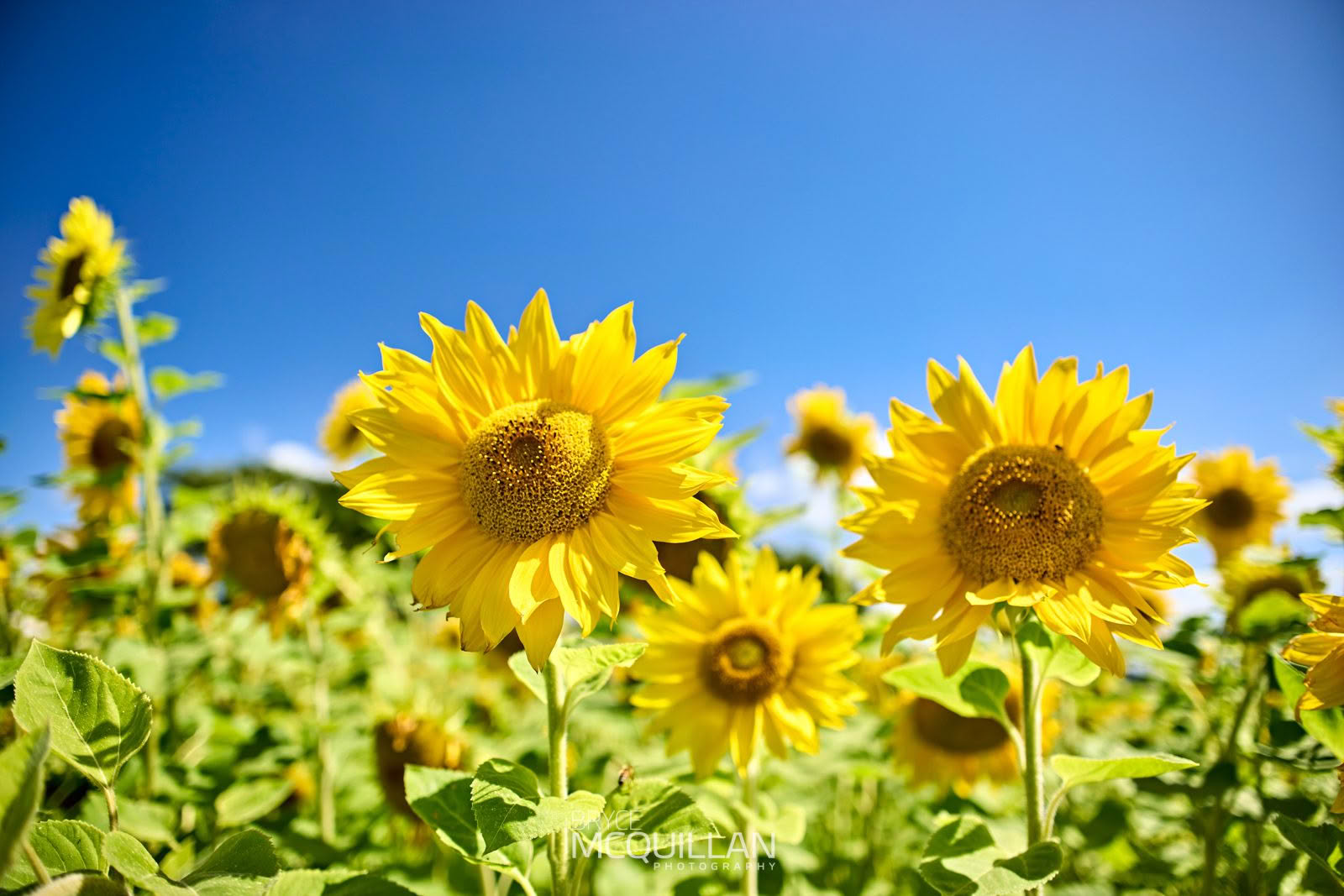
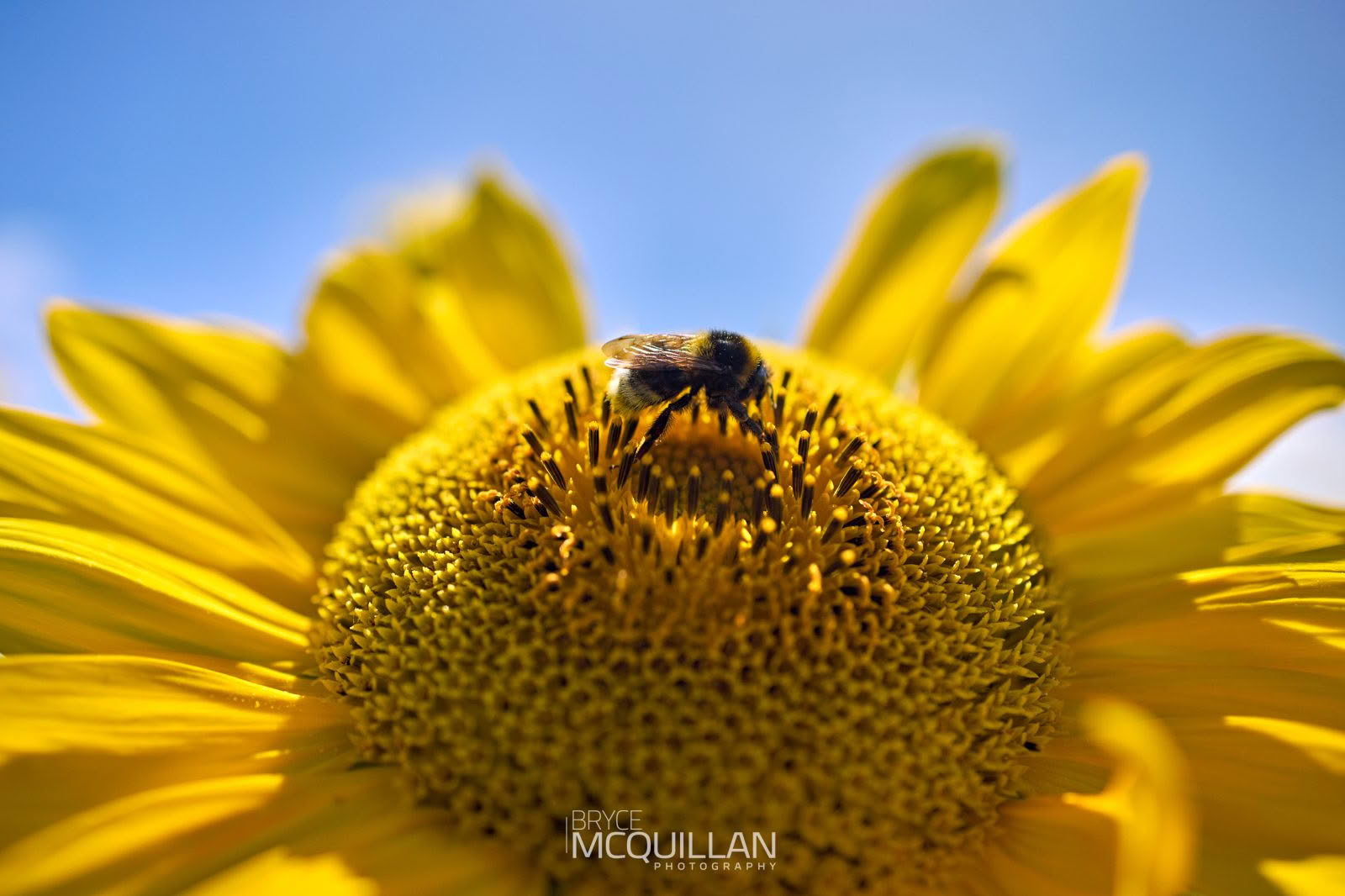
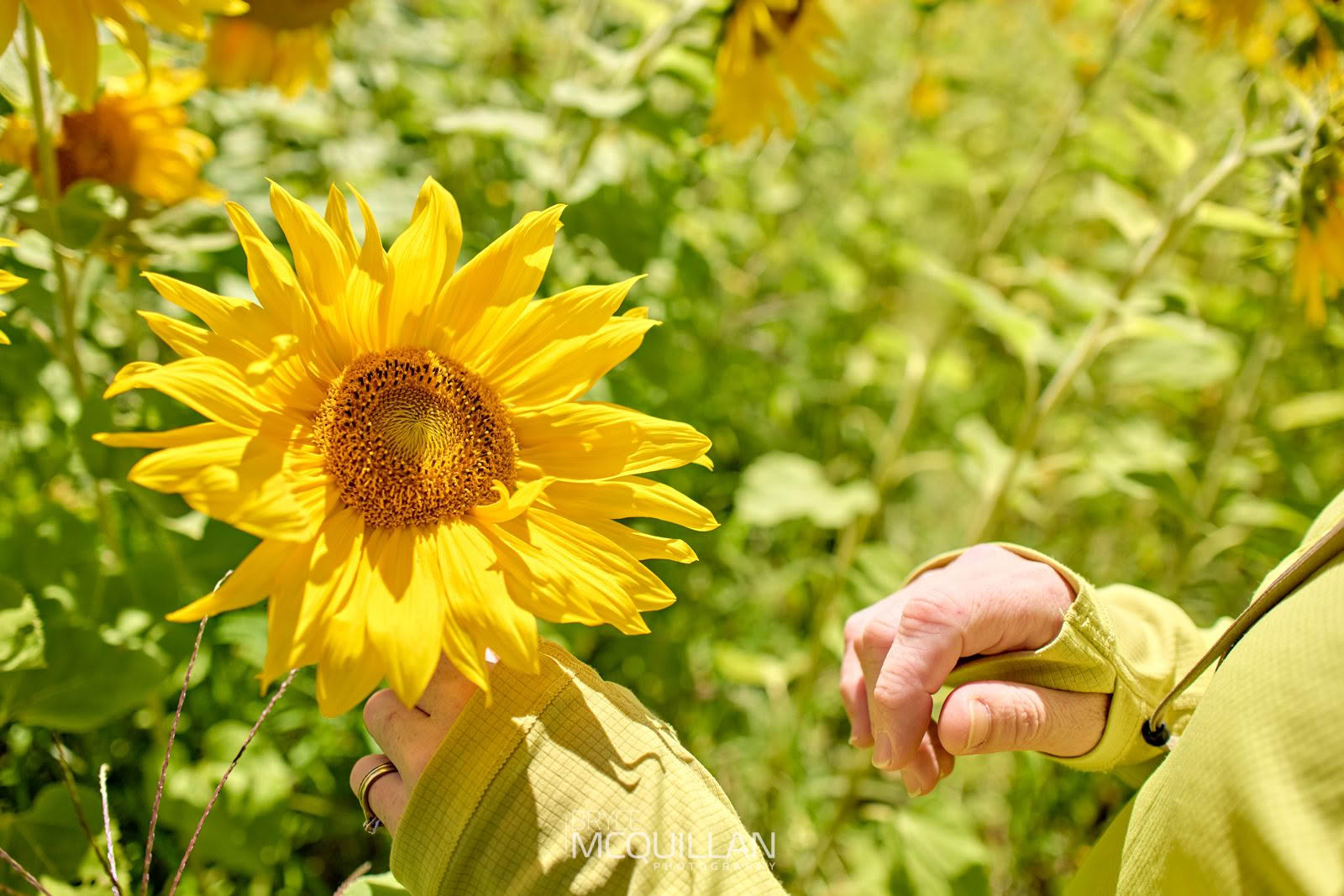
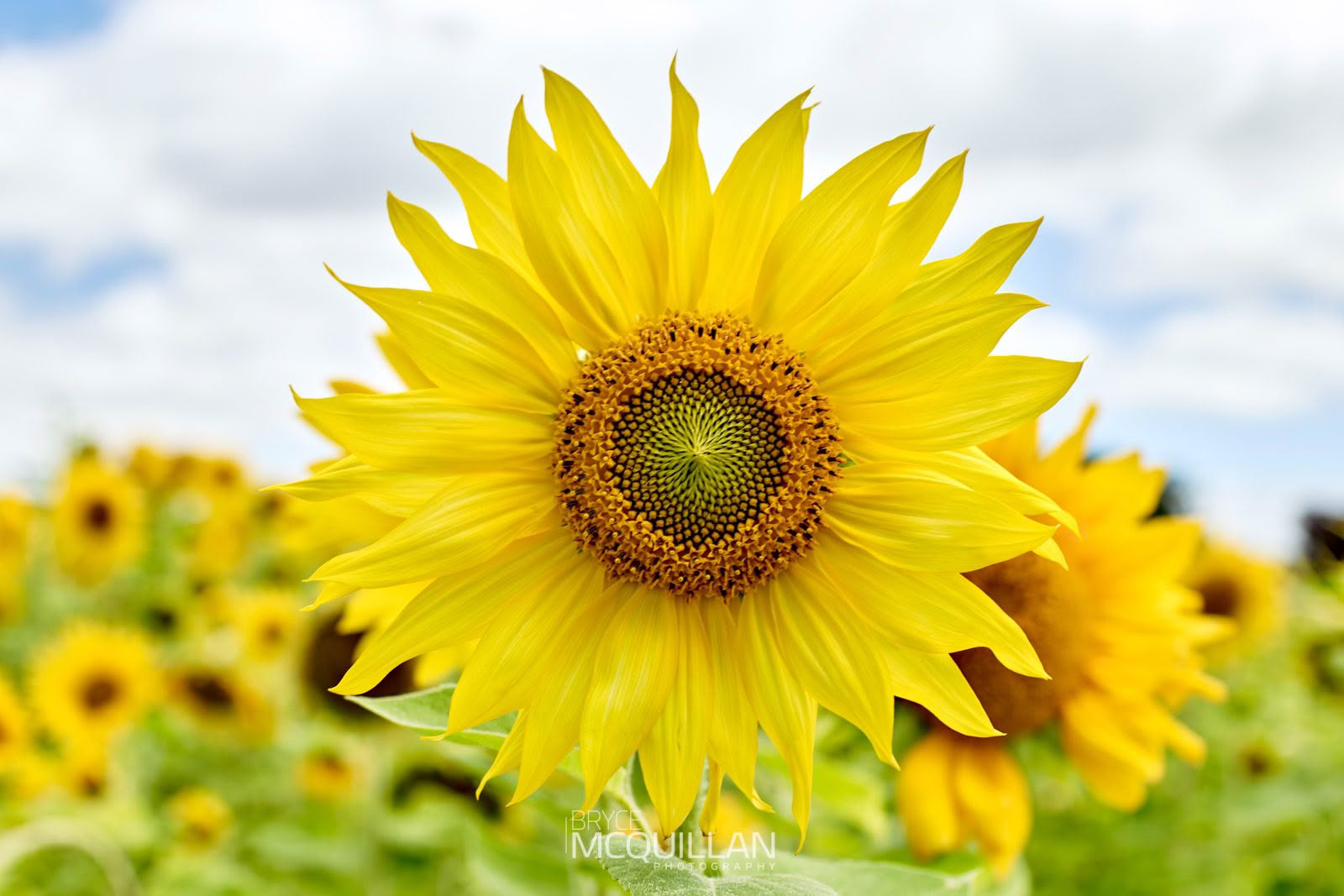
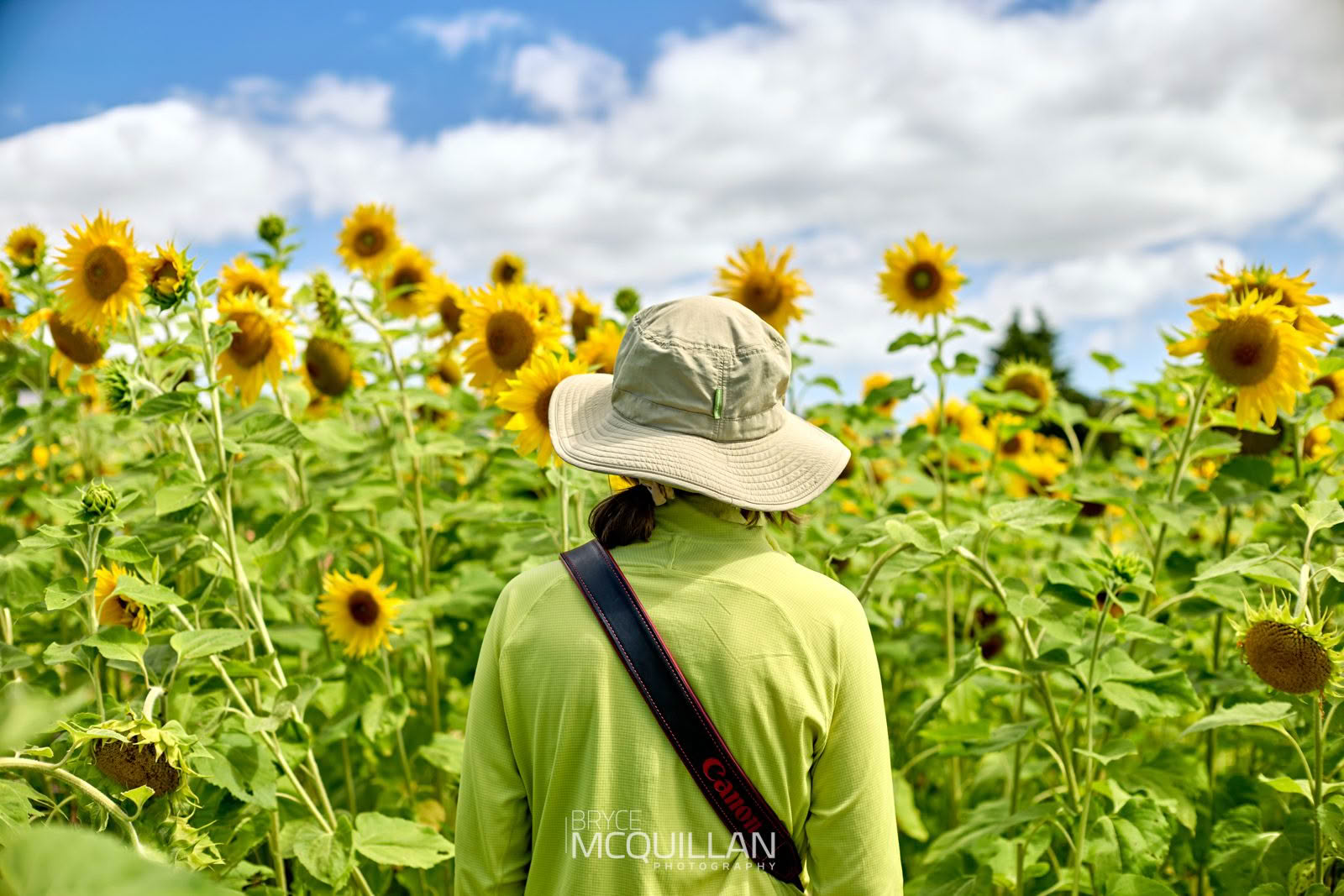
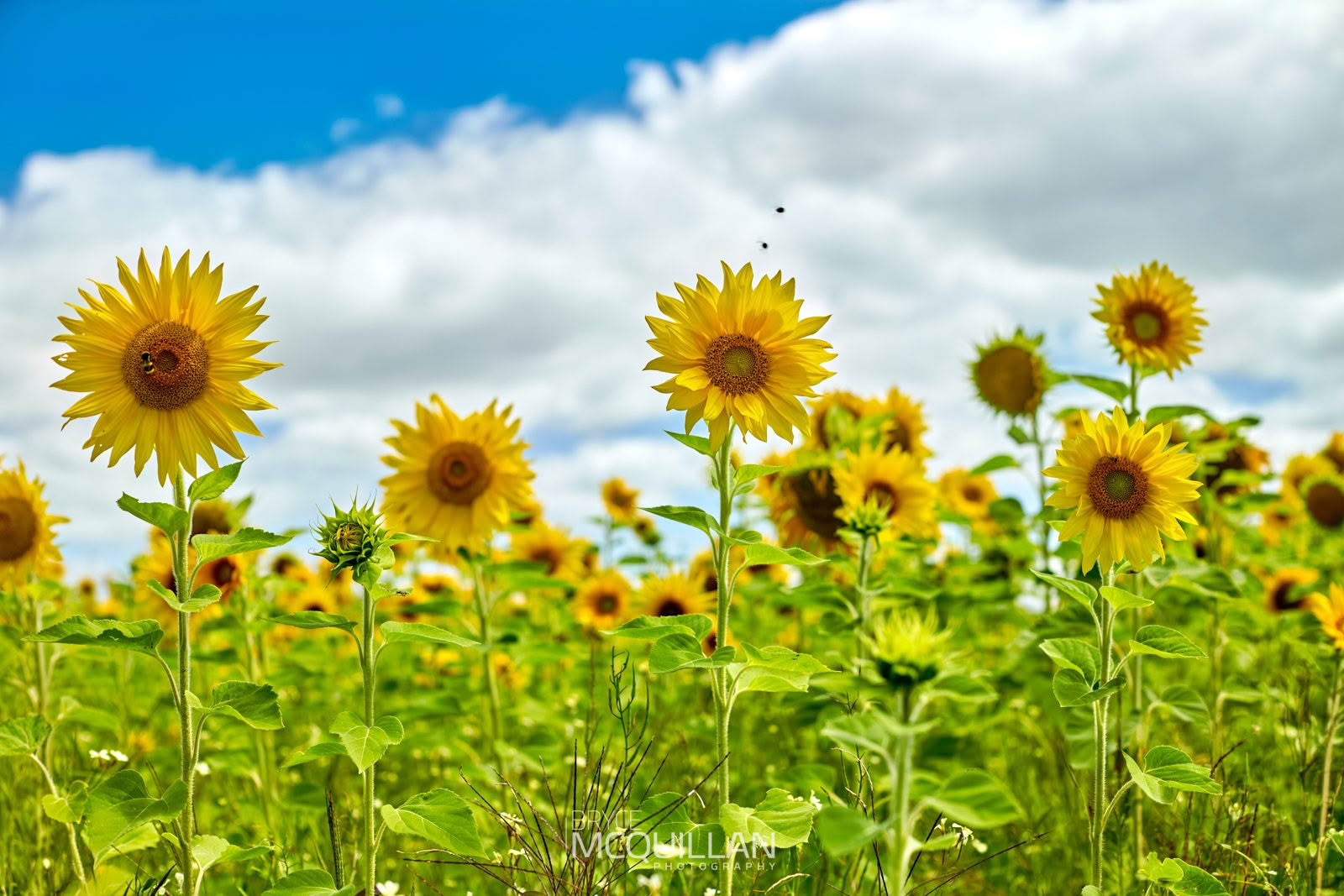
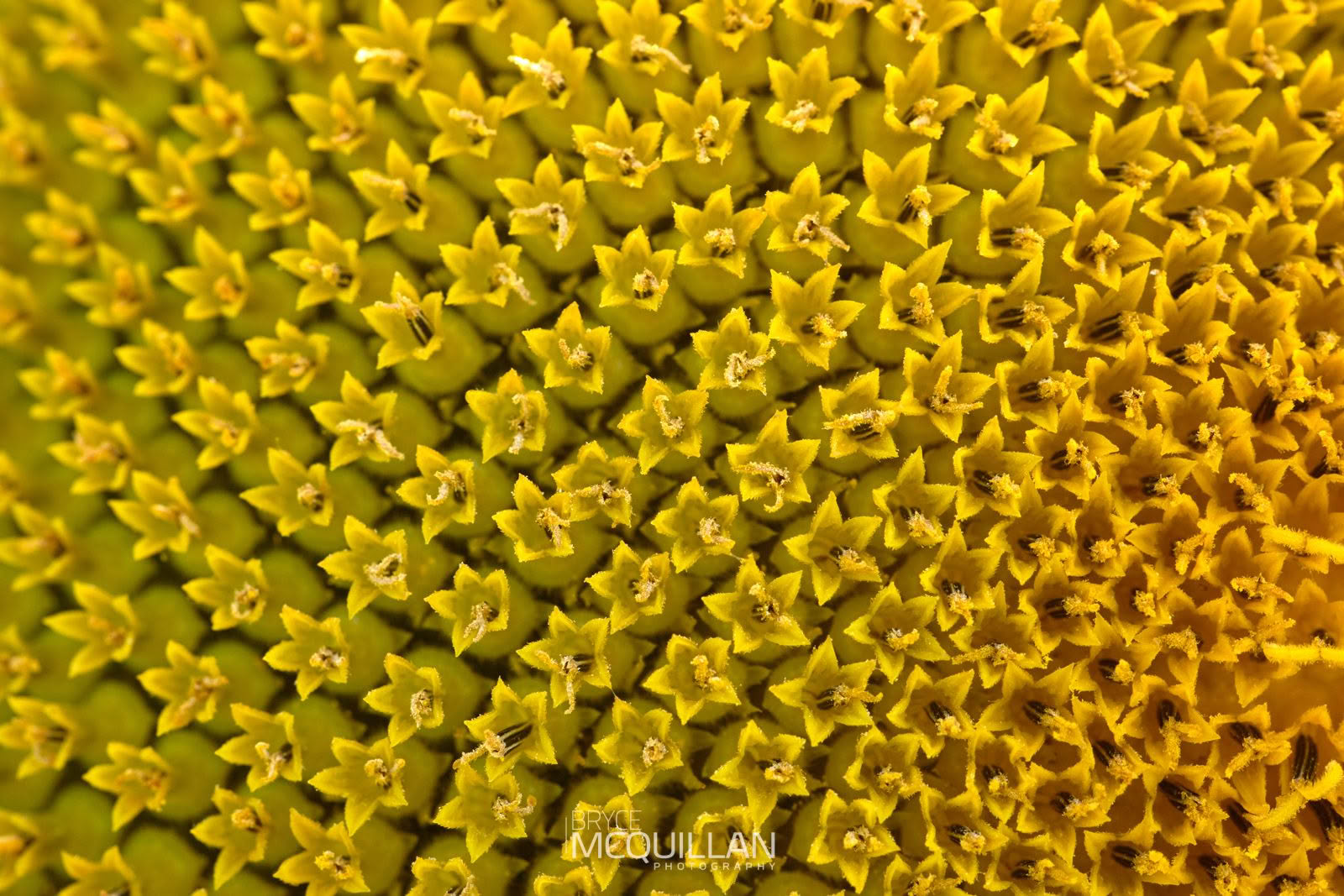
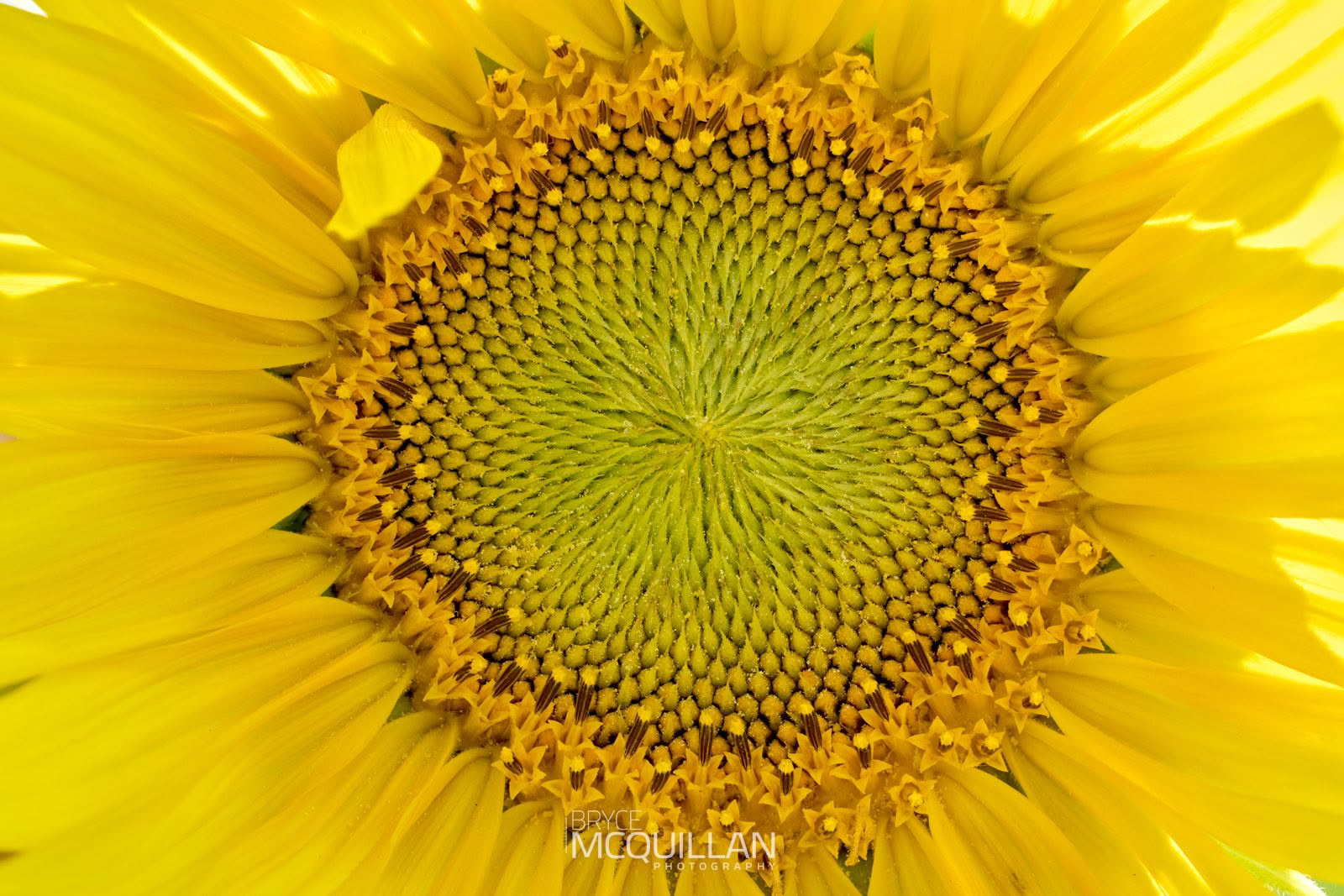
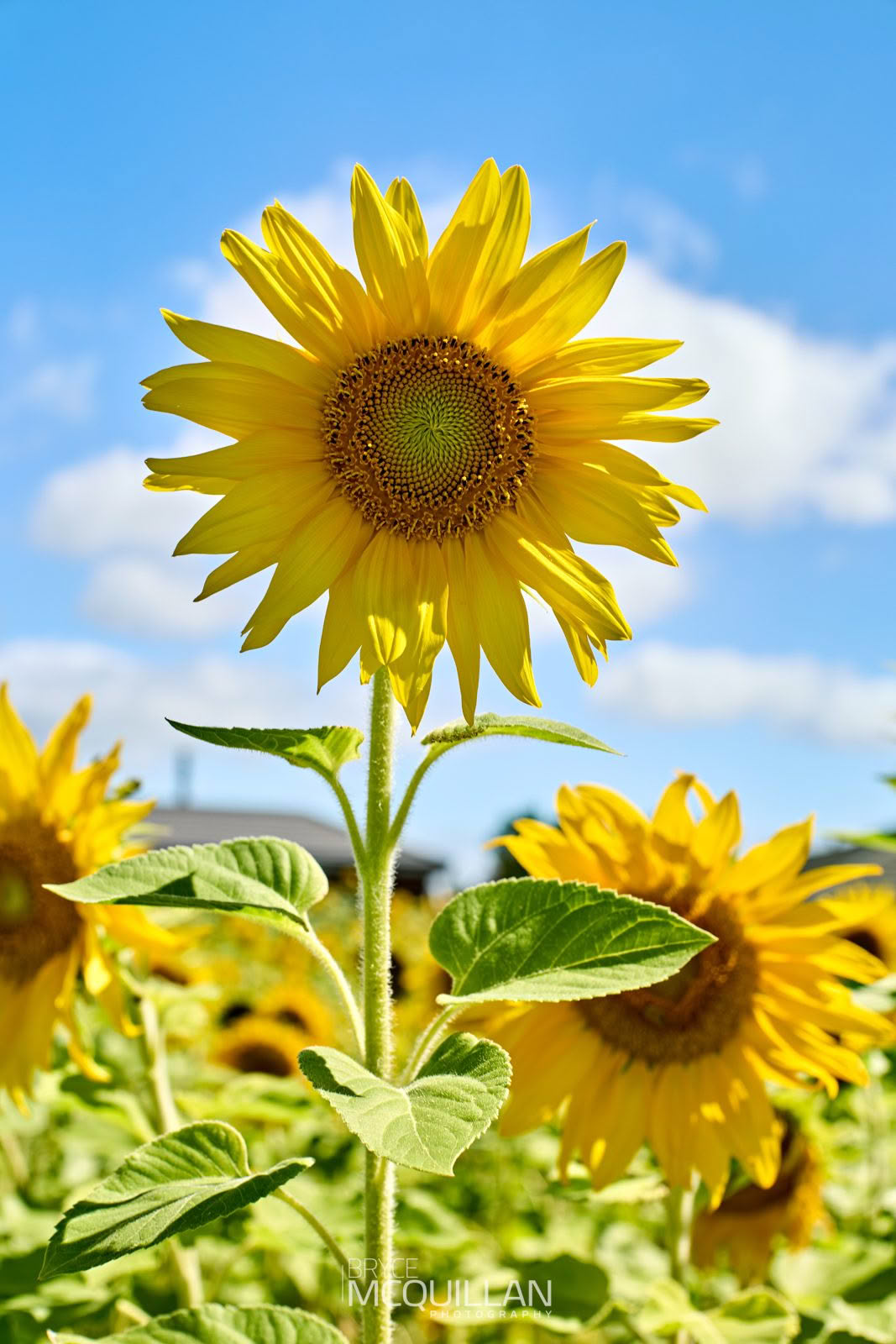
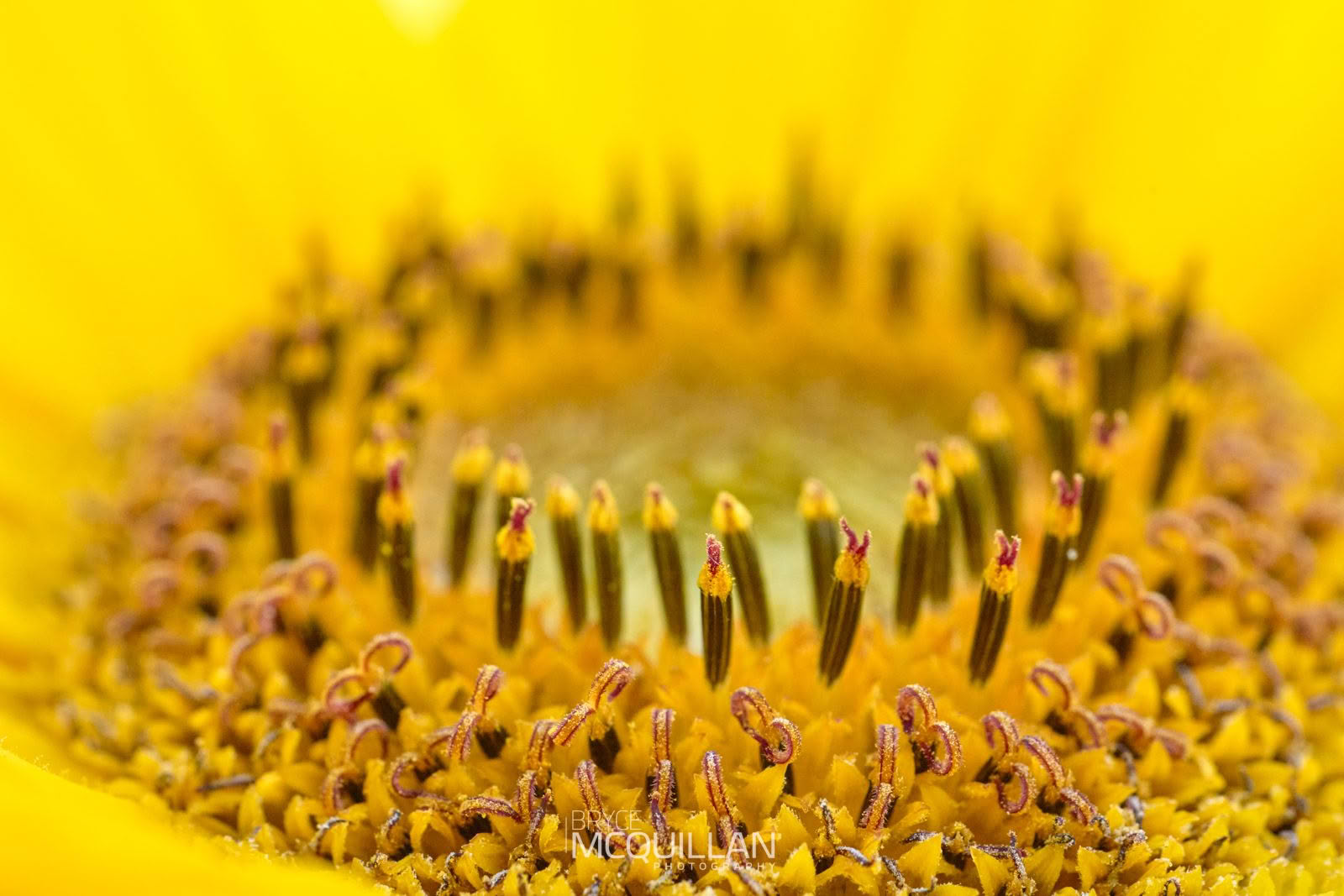
On Sunday, the day after our frog night, Angela and I went along to the Rotary Sunflowers. This was the first year Rotary has run it, and I wasn’t quite sure what to expect. Whatever I had imagined, it definitely wasn’t what we walked into. I was pleasantly surprised by just how many sunflowers there were, and how spectacular they looked on a bright, sunny day with a clear blue sky behind them. It’s no surprise the sunflowers were so popular over the couple of weekends Rotary had it open.
I took both camera bodies, the Canon R5 and Canon R5 Mark II, along with a few lenses: the Canon RF 24mm Macro, Canon RF 45mm f/1.2, and Canon RF 100mm Macro. I swapped setups throughout our time there and came home with far more images than I expected. I genuinely had a lot of fun.
Angela also wore her yellow outdoor shirt, which blended in perfectly with the flowers and made for some great photos.
Nightwalk
Throughout February I did a number of night walks. I usually try to get out at least once or twice a week, and some weeks, if I’m lucky, I’ll get out a bit more. I also try to head out with Davide, Brian, and/or Connor at least once or twice a month.
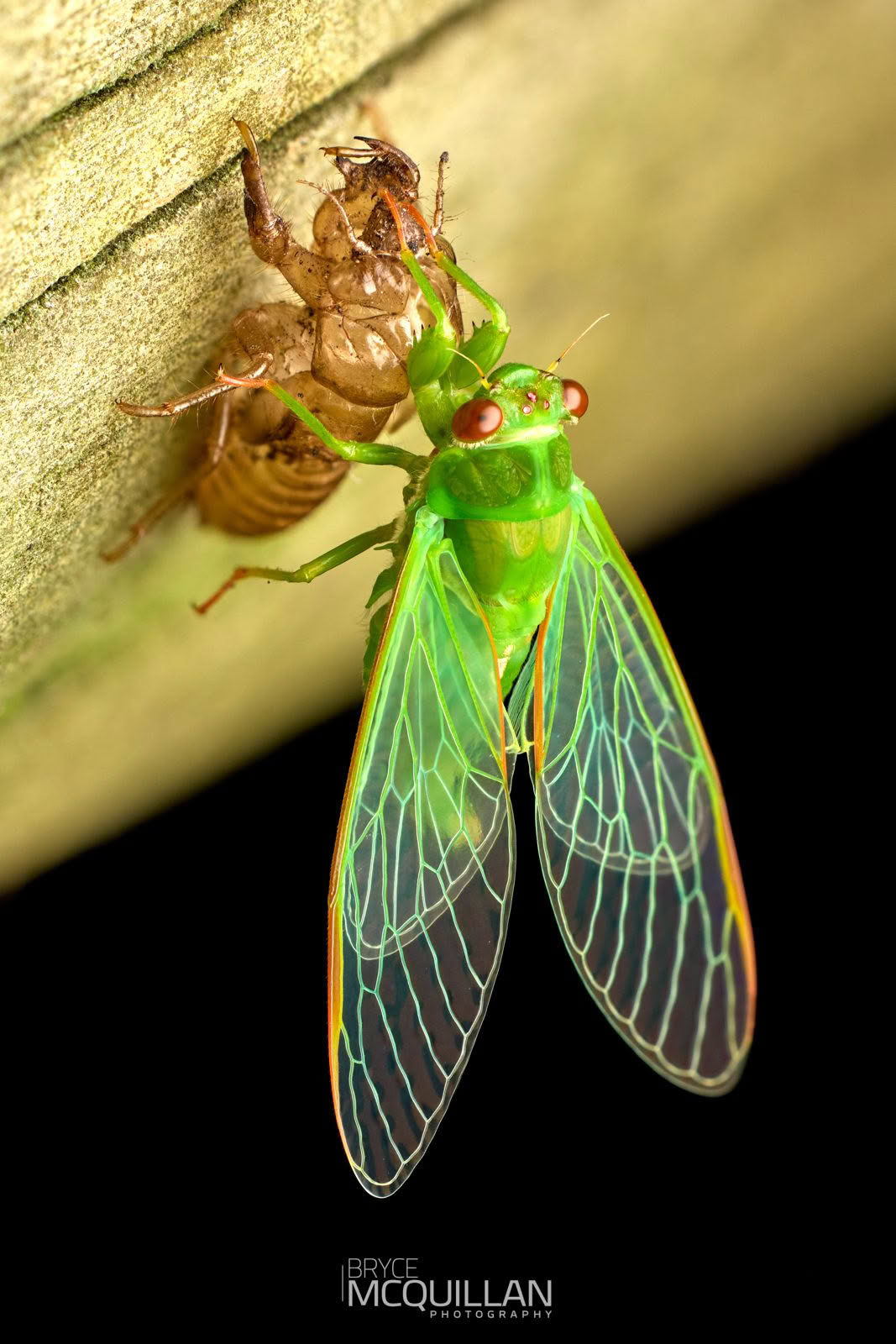
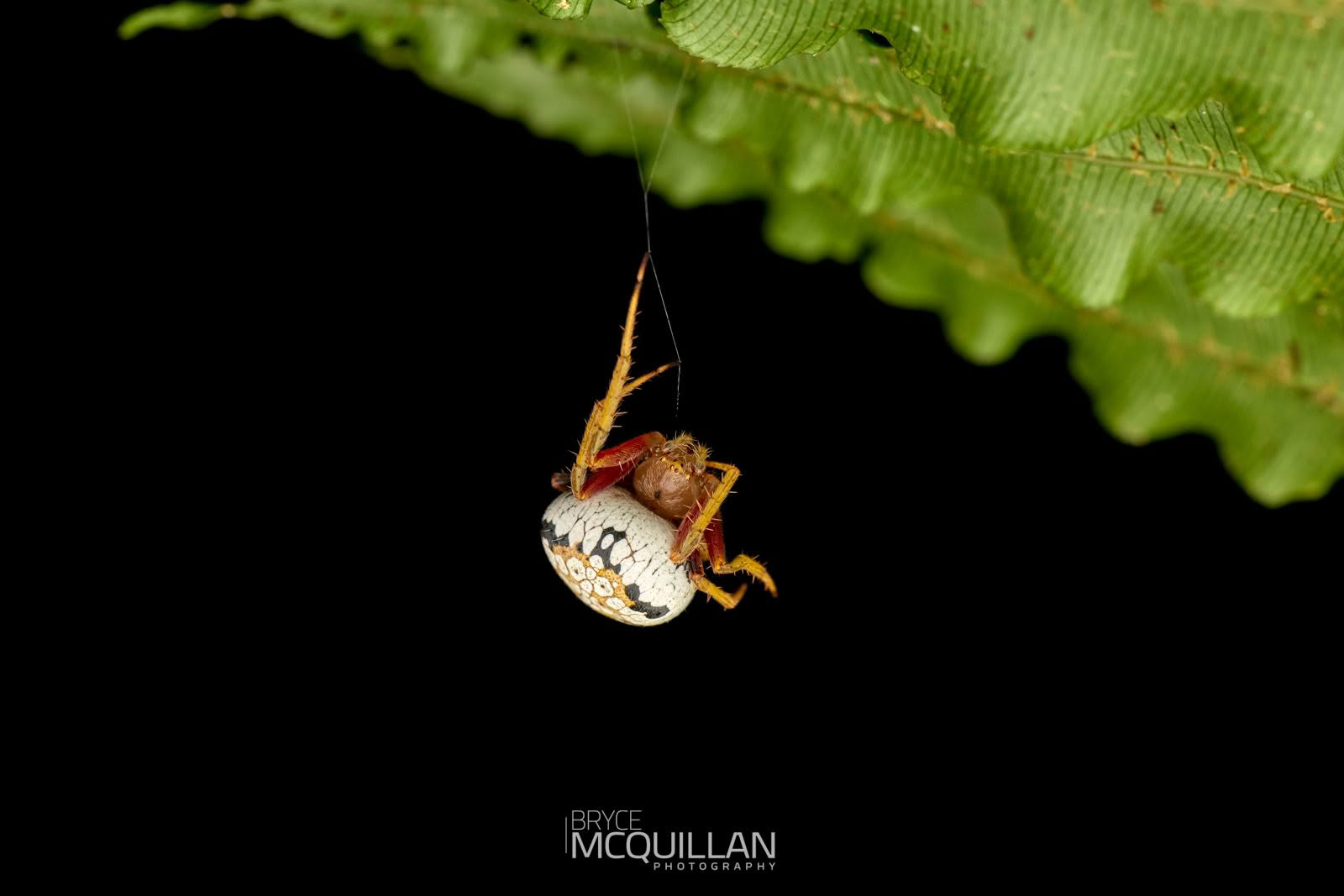
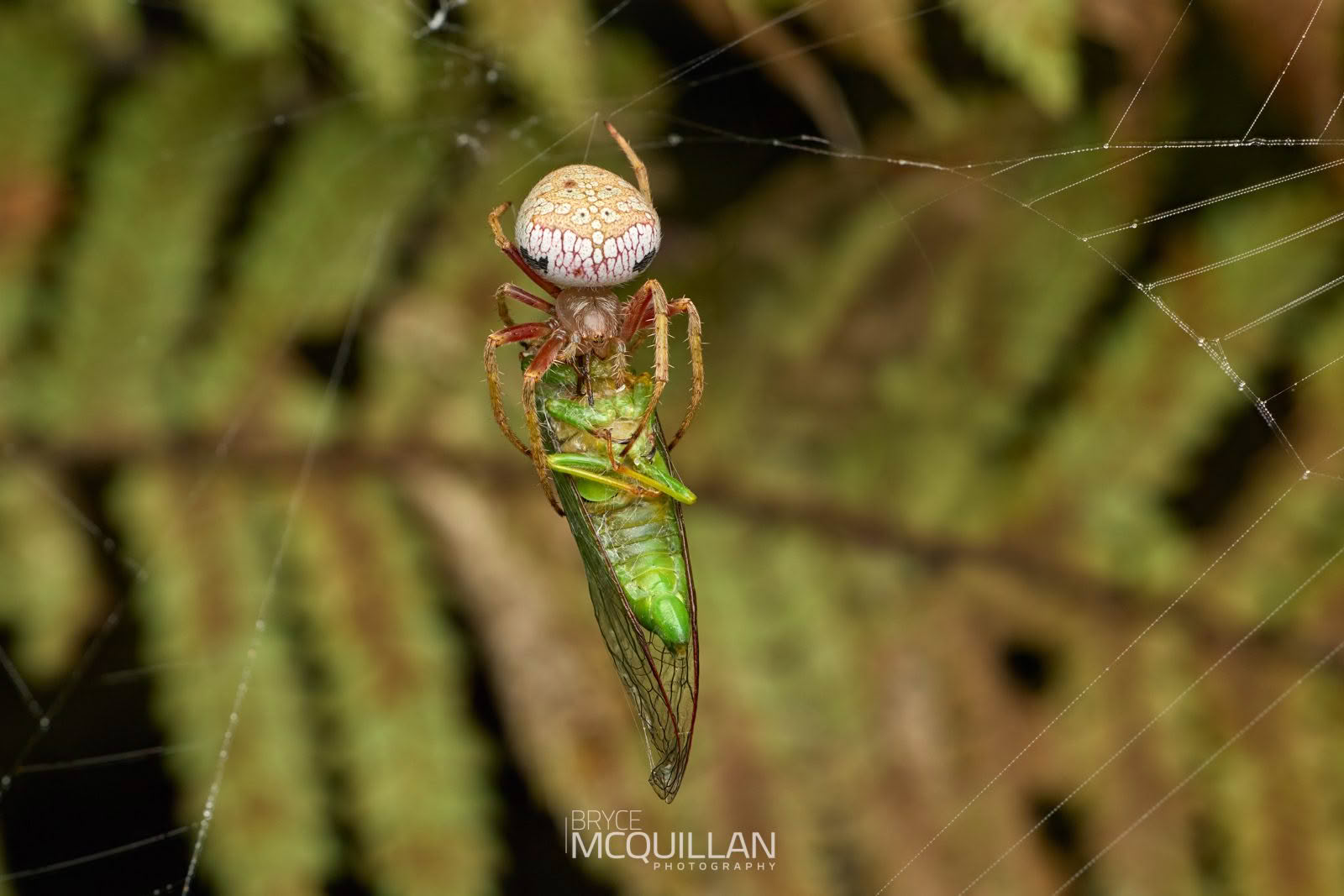
At this time of year, the Redwoods can be a reliable spot for subjects like some of our larger endemic orb weavers and cicadas. One of the highlights is finding cicada’s moulting. There’s also a wide mix of endemic and introduced species around, so there’s normally always something to photograph. The real question is how fussy you feel like being on the night.
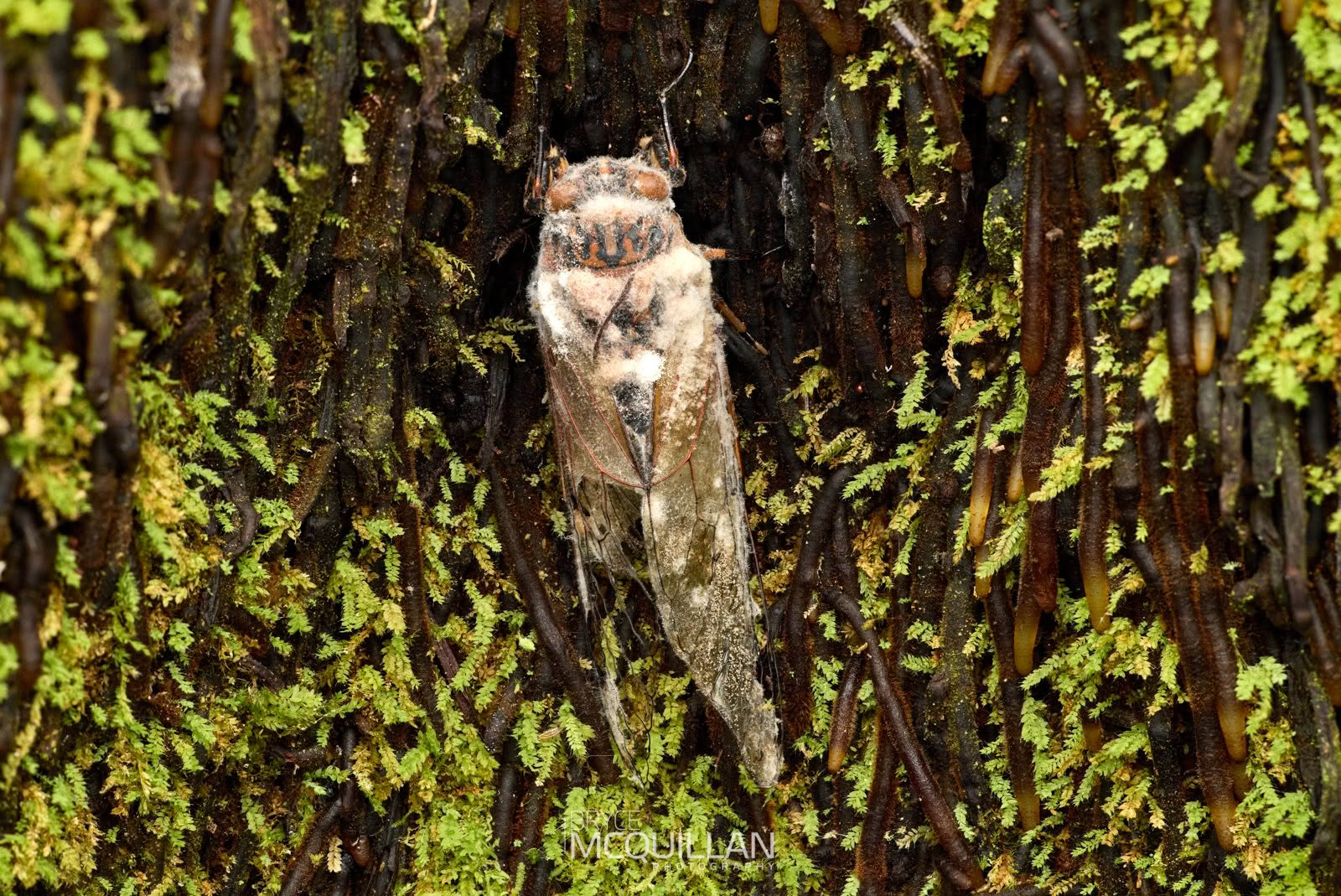
This year, though, has been a record-breaking wet summer. The humidity has stayed high, which has been great for fungi, but not so great for invertebrates, many of which have succumbed to fungal infections. As sad as that is, it’s also created an unusual photo opportunity for this time of year: we’ve been able to see and photograph a very different side of the forest than what we’d normally expect in February.
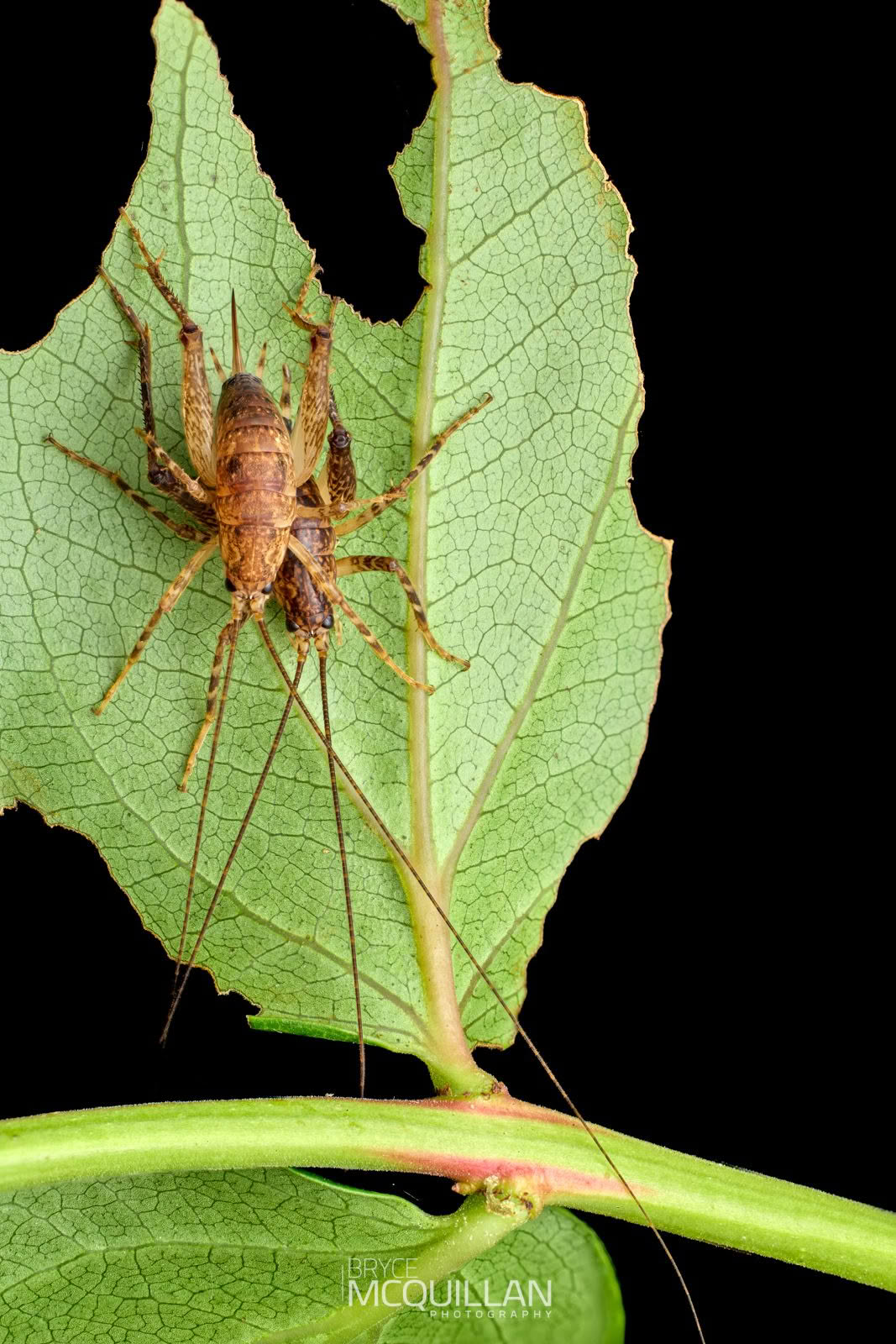
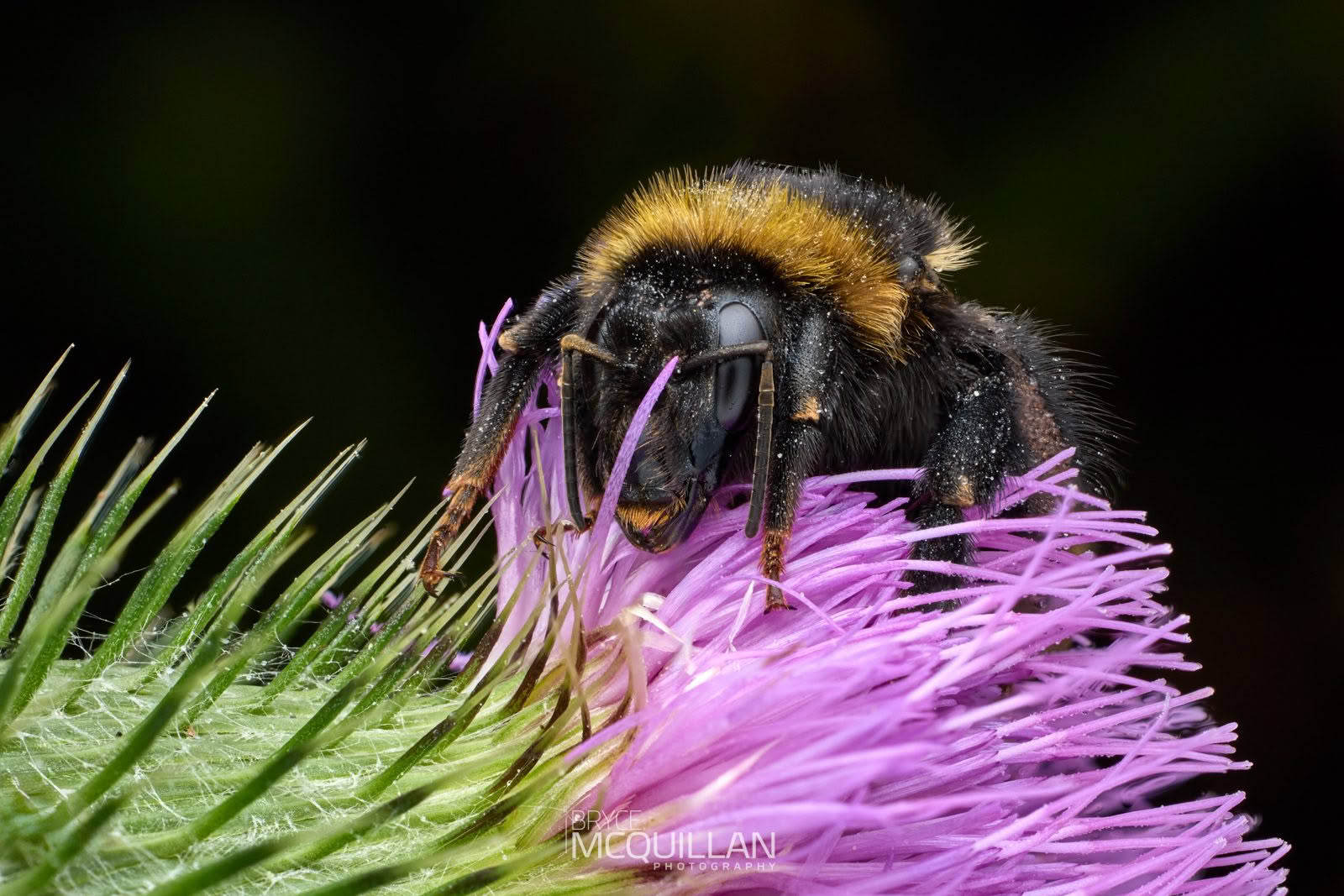
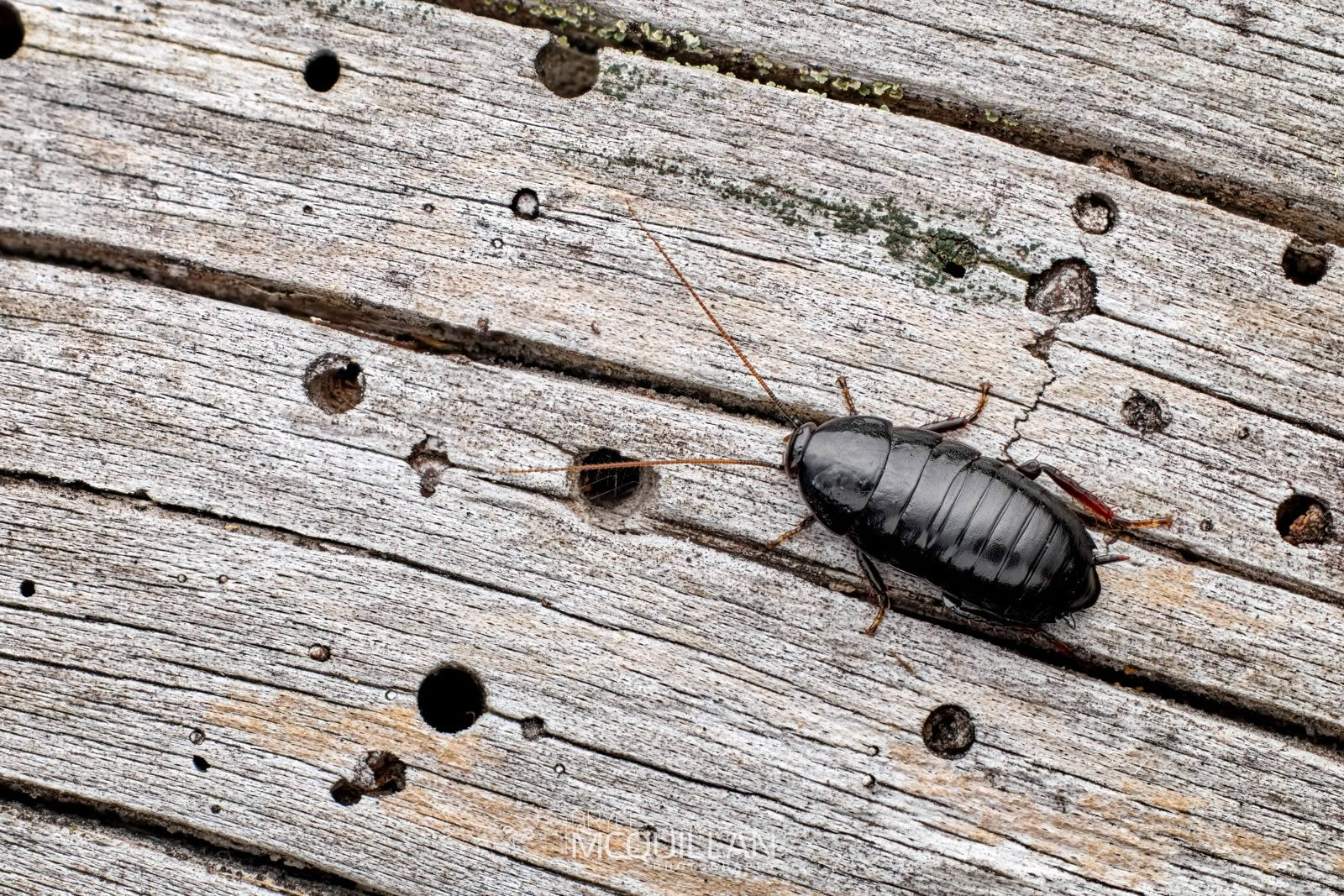
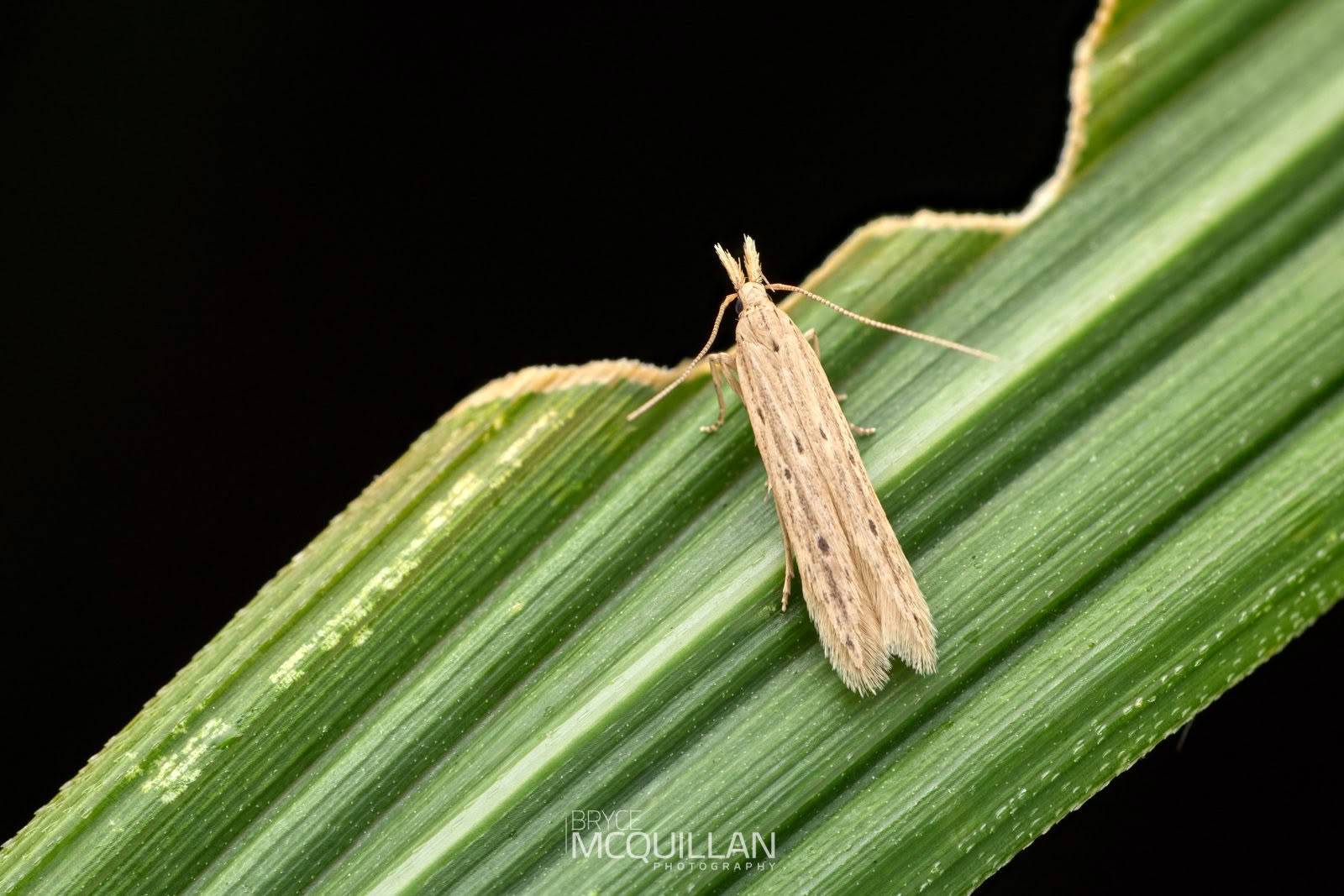
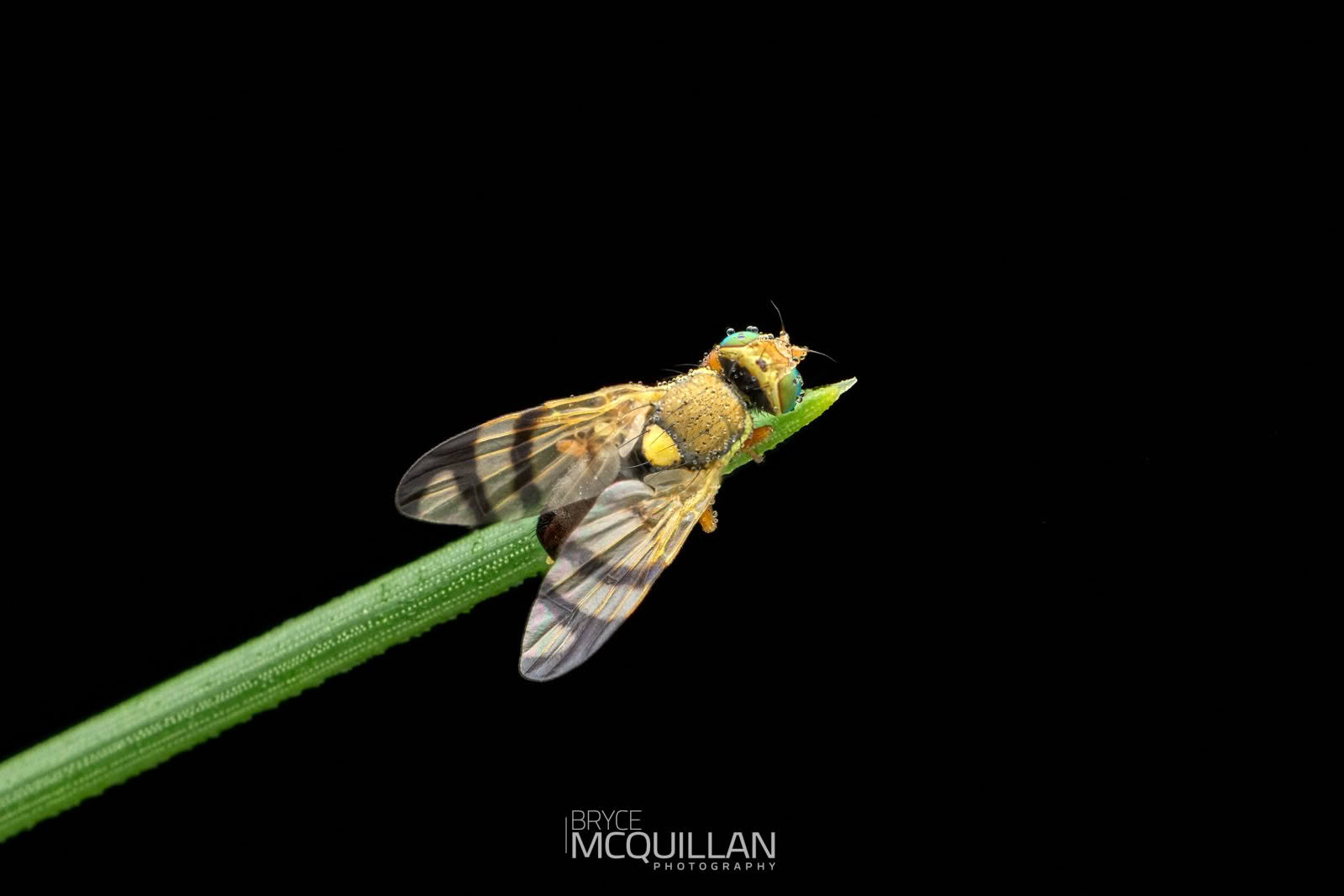
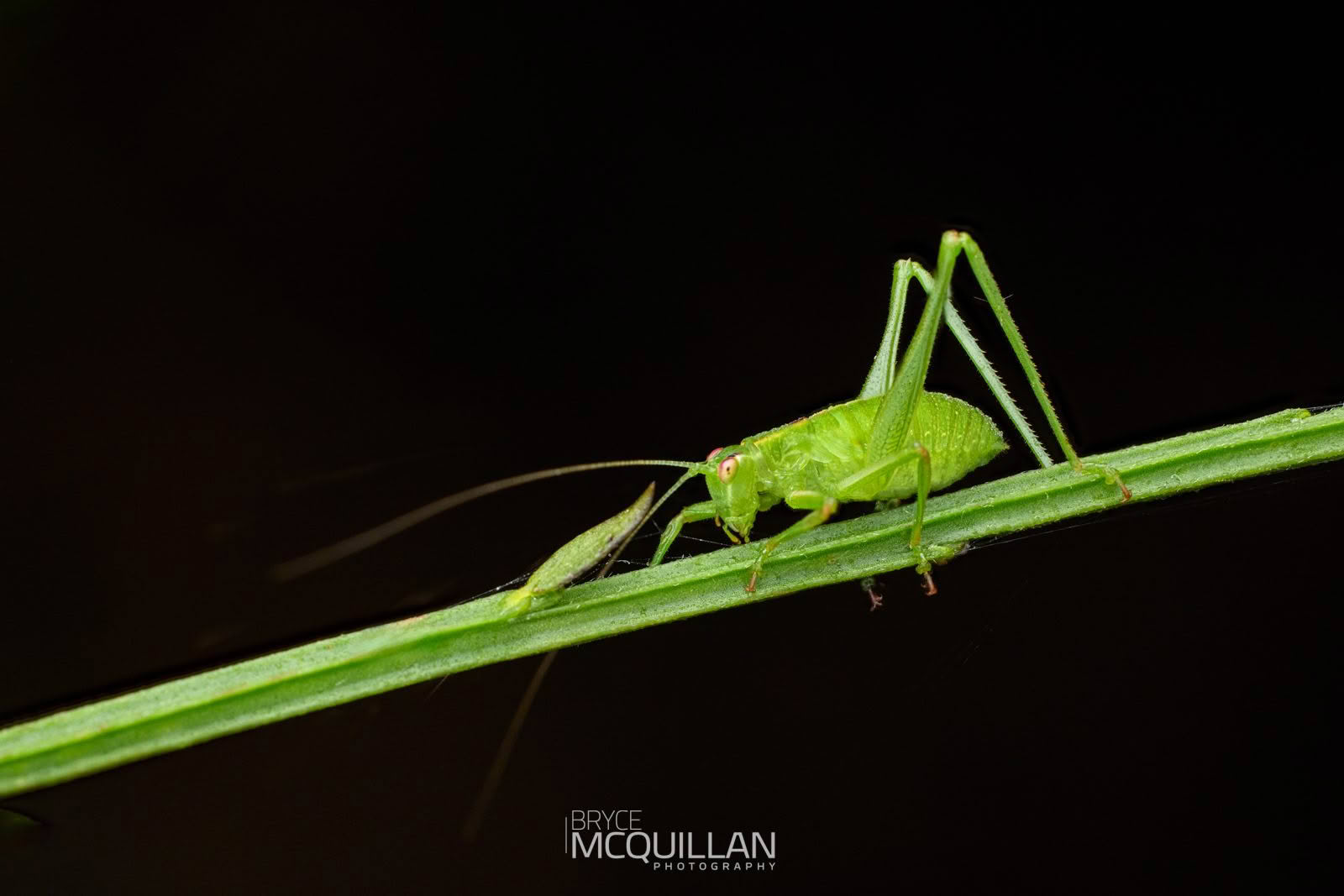
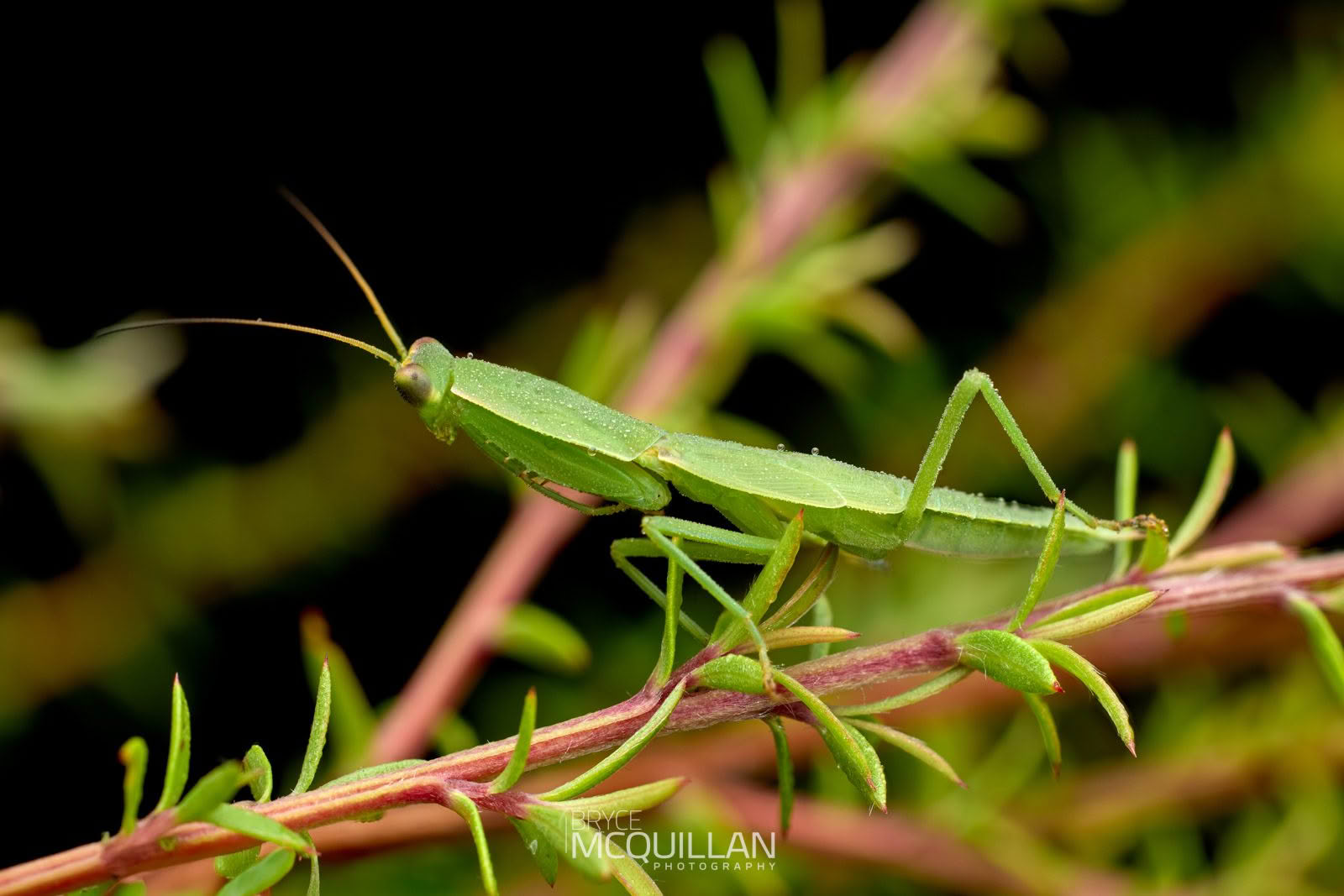
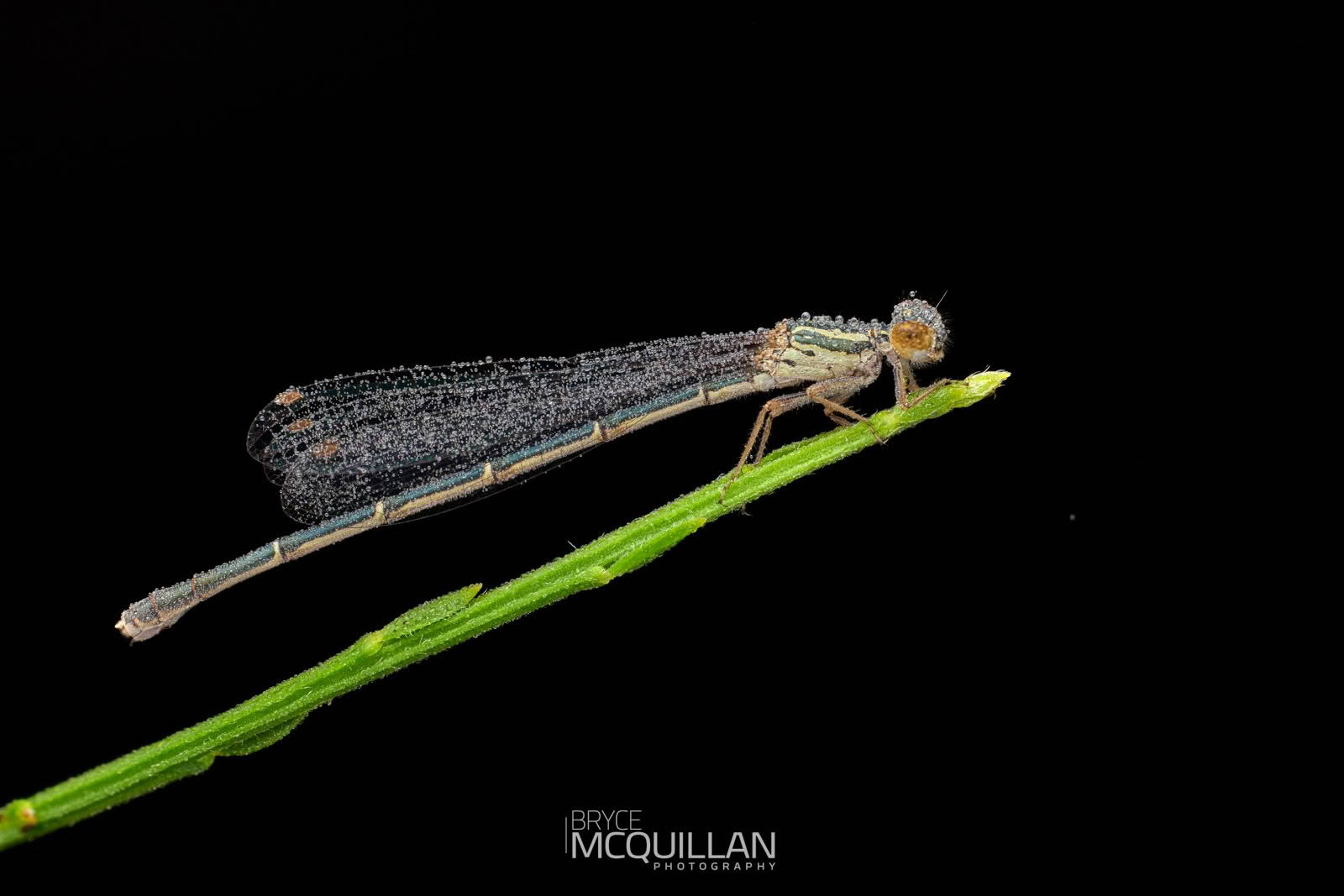
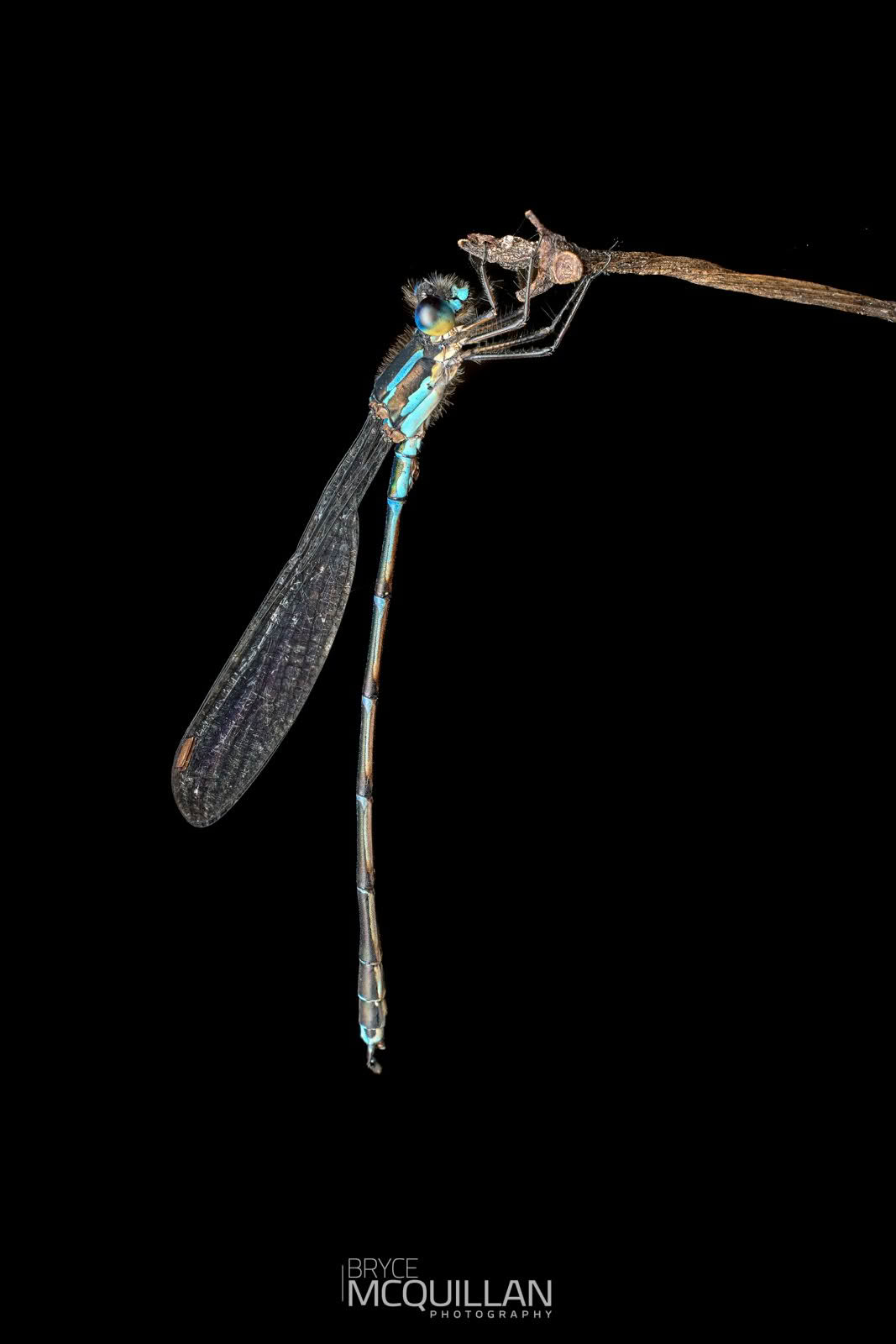
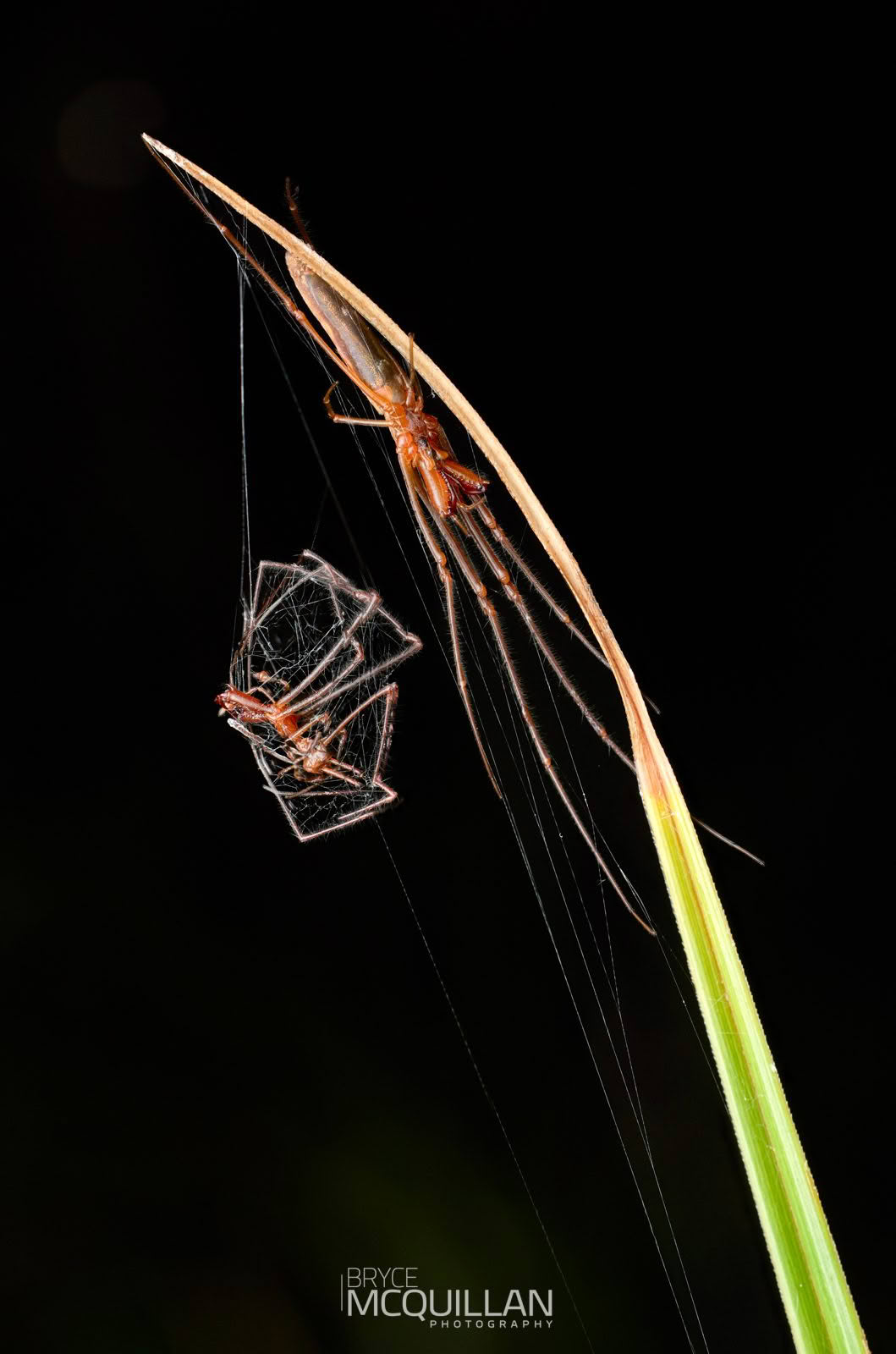
Below are a few images of some of the invertebrates I photographed on night walks with the others. All were taken with a Canon R5 Mark II and Canon RF 100mm Macro lens, using an EL-1 Speedlite with a homemade diffuser. It’s a mix of single frames and focus-stacked images.
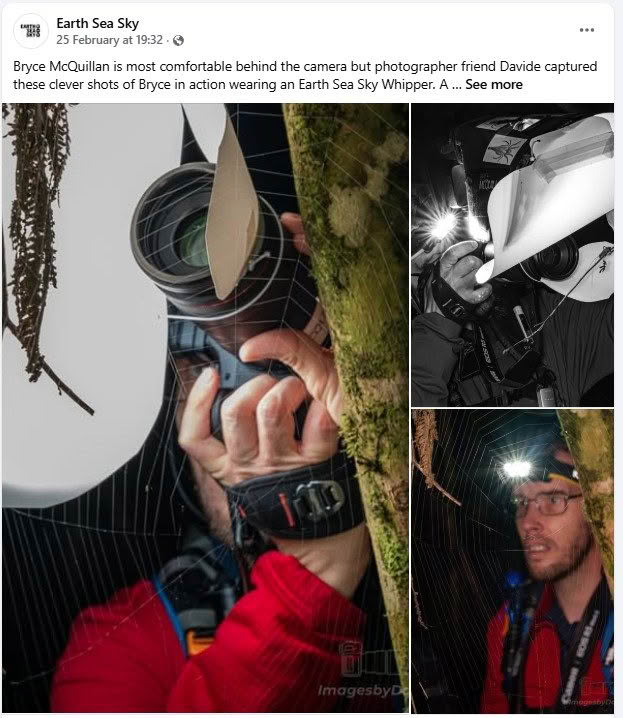
Here are a few images Davide has taken of me. These were featured on the Earth Sea Sky social media pages. I’m a big fan of Earth Sea Sky clothing. It’s high quality, reliable, and handles the wear and tear I put it through when I’m out photographing. I need clothing I don’t have to worry about when I’m pushing through bush or kneeling on damp forest floors.
With wildlife photography, and especially macro work, you spend a lot of time on your hands and knees. That might be to get a lower angle on an orb weaver, photograph something on a fallen log, or line up a shot of fungi at eye level. Your gear gets knocked around by sticks, branches, and blackberry, and your clothes need to cope with that. Quick-drying fabric is a big plus too, especially in humid forest conditions.
Davide takes stunning portraits and is a natural storyteller with a camera. I’ve really enjoyed spending time in the field with him and learning along the way. If you haven’t already, I’d recommend checking out his work under “Images by Davide” on social media:
Facebook: https://www.facebook.com/ImagesByDavide/
Instagram: https://www.instagram.com/imagesbydavide/?hl=en
Website: www.imagesbydavide.com
A few highlights
Lucky Camera Straps
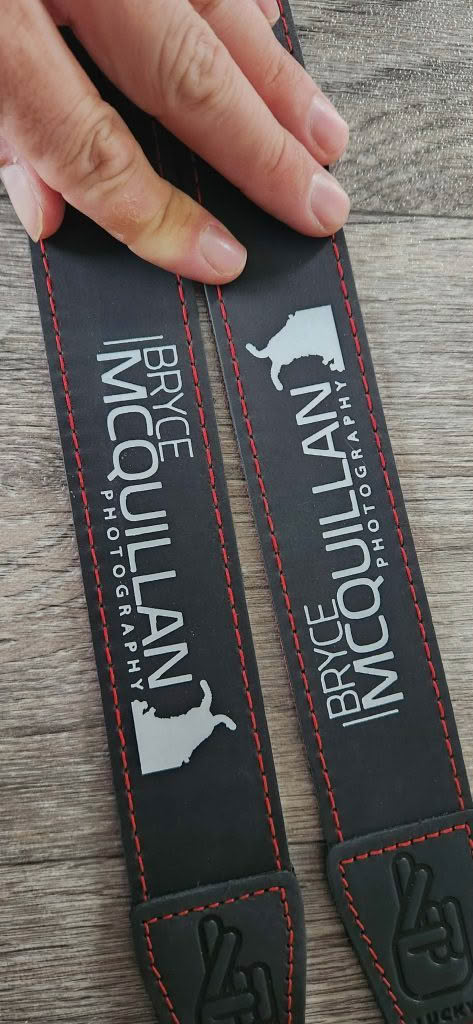
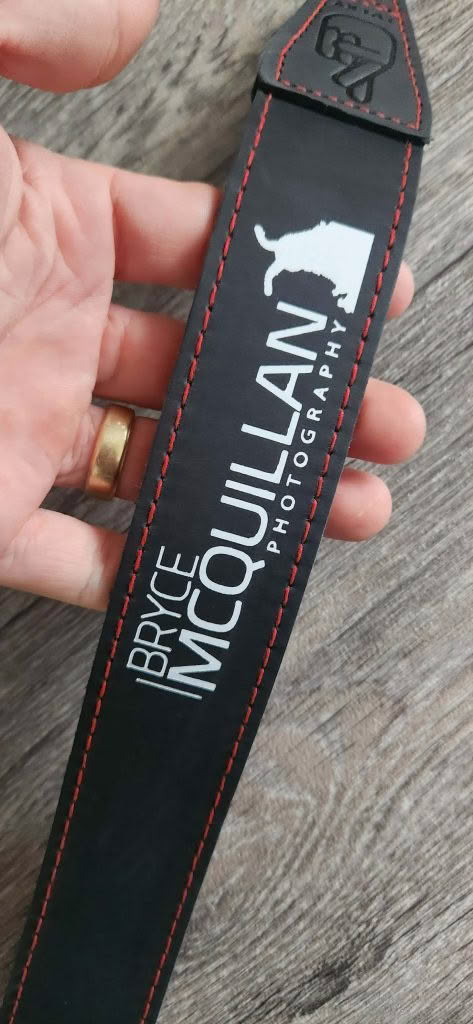
I currently own two Lucky camera straps, both limited edition Canon straps. I’ve found them really comfortable to wear, and they’ve quickly become my favourite straps.
After looking through their website, I noticed they also offer custom straps, so I decided to treat myself and get one made. I was genuinely impressed with how well it turned out.
Photowarehouse Photo feature
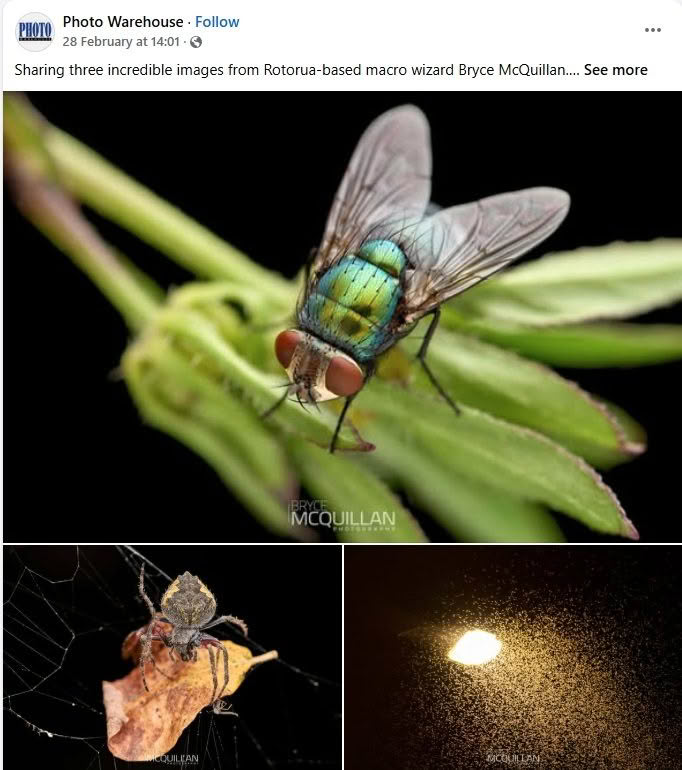
I had a couple of my recent images featured on Photowarehouse social media page. I have over the years done a few different product reviews with Photowarehouse , they have been great to work with.
Framing a print
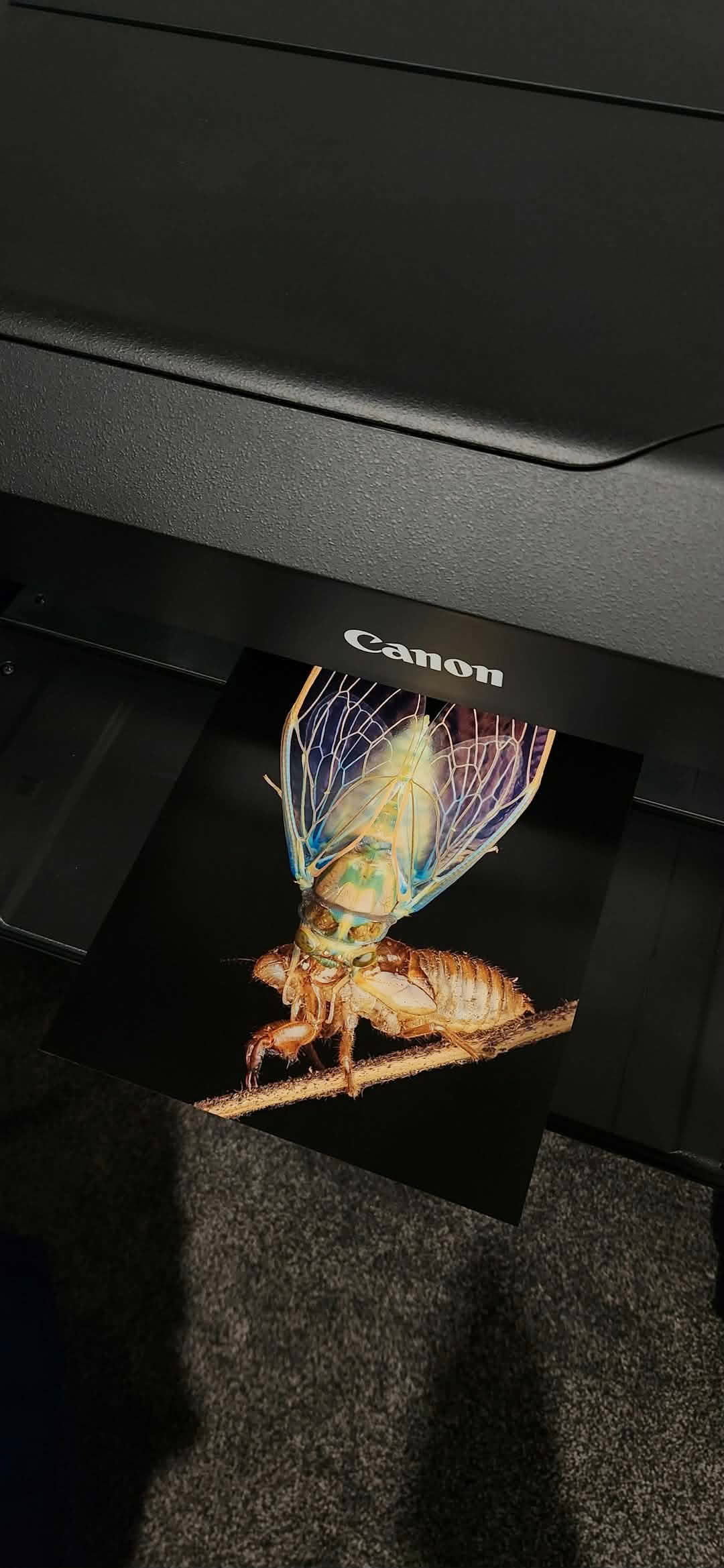
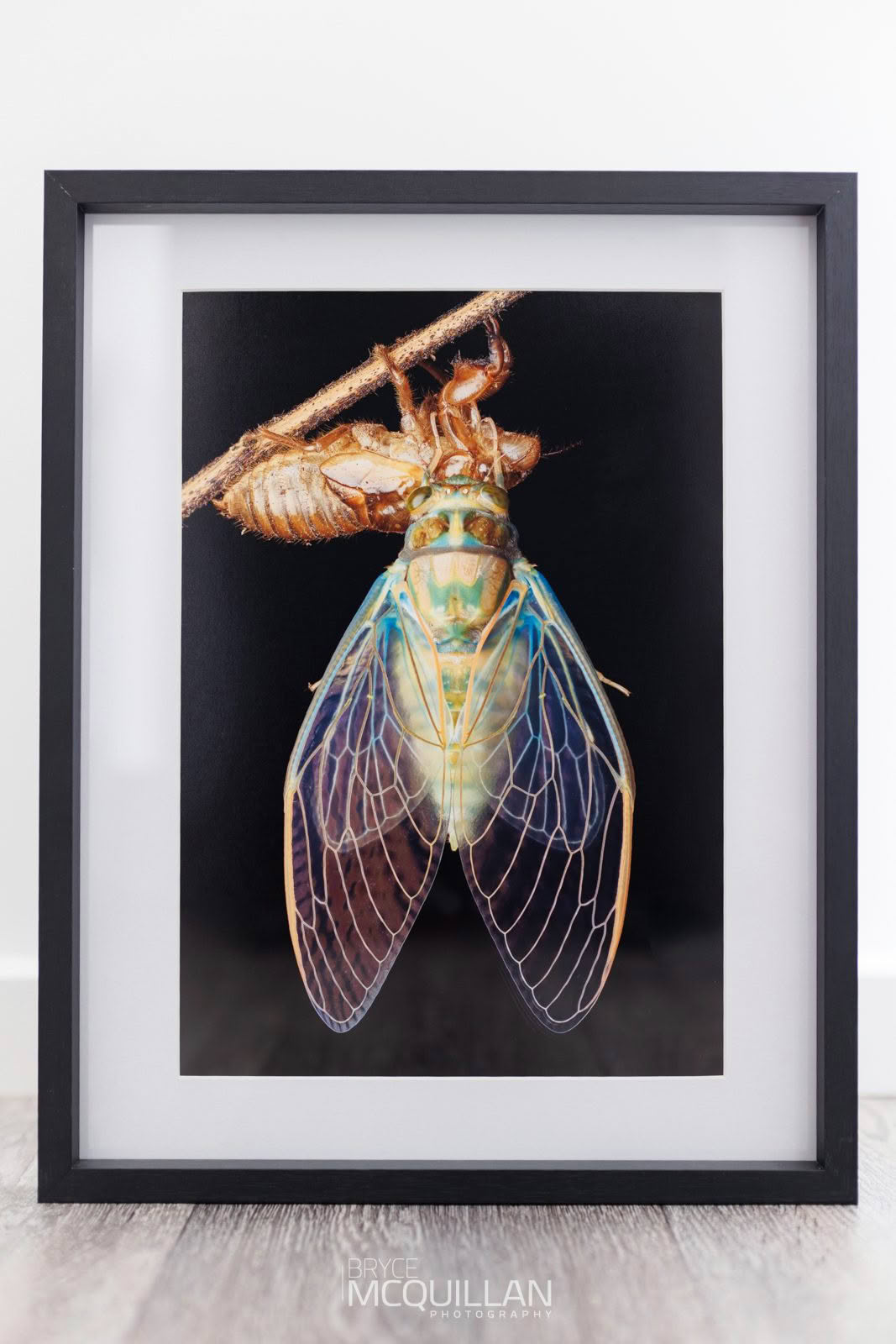
Back in January, I was out on a night walk with Davide, Brian, and Connor. We were searching for cicadas shedding late at night when I was lucky enough to find one that had just moulted. It was sitting on a small branch with nothing distracting in the foreground or background, which meant I could get in close and photograph it as it dried its wings. You can see more images from that night here:
https://www.brycephotography.co.nz/january-2026/
About two weeks later, I decided to print the photo. I had some Canon Pro Luster photo paper I hadn’t used before and wanted to see how it would handle a detailed image like this. I chose the cicada shot, and when it came off the printer I was honestly speechless. The detail, the colour, the finish of the paper, it all worked better than I expected.
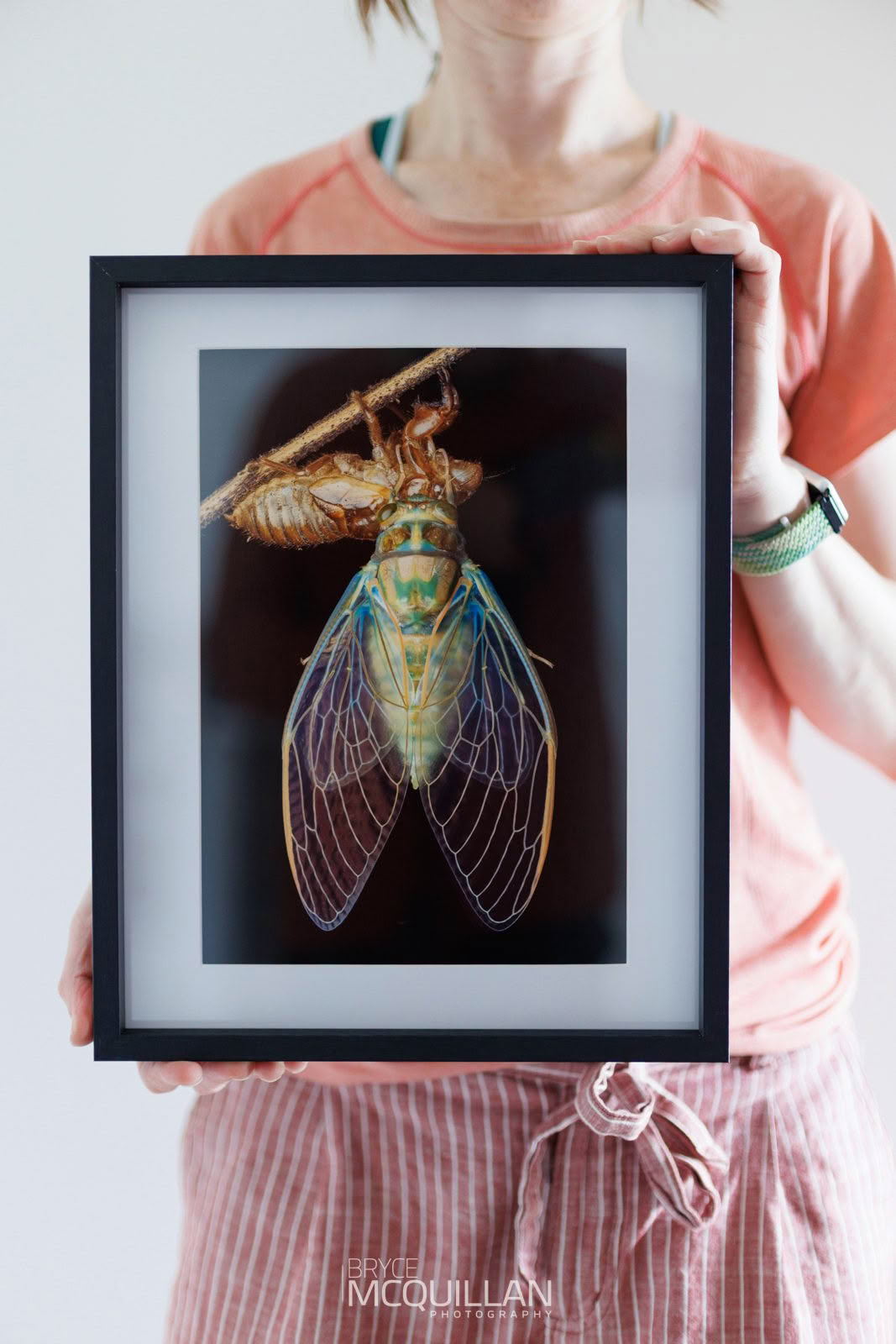
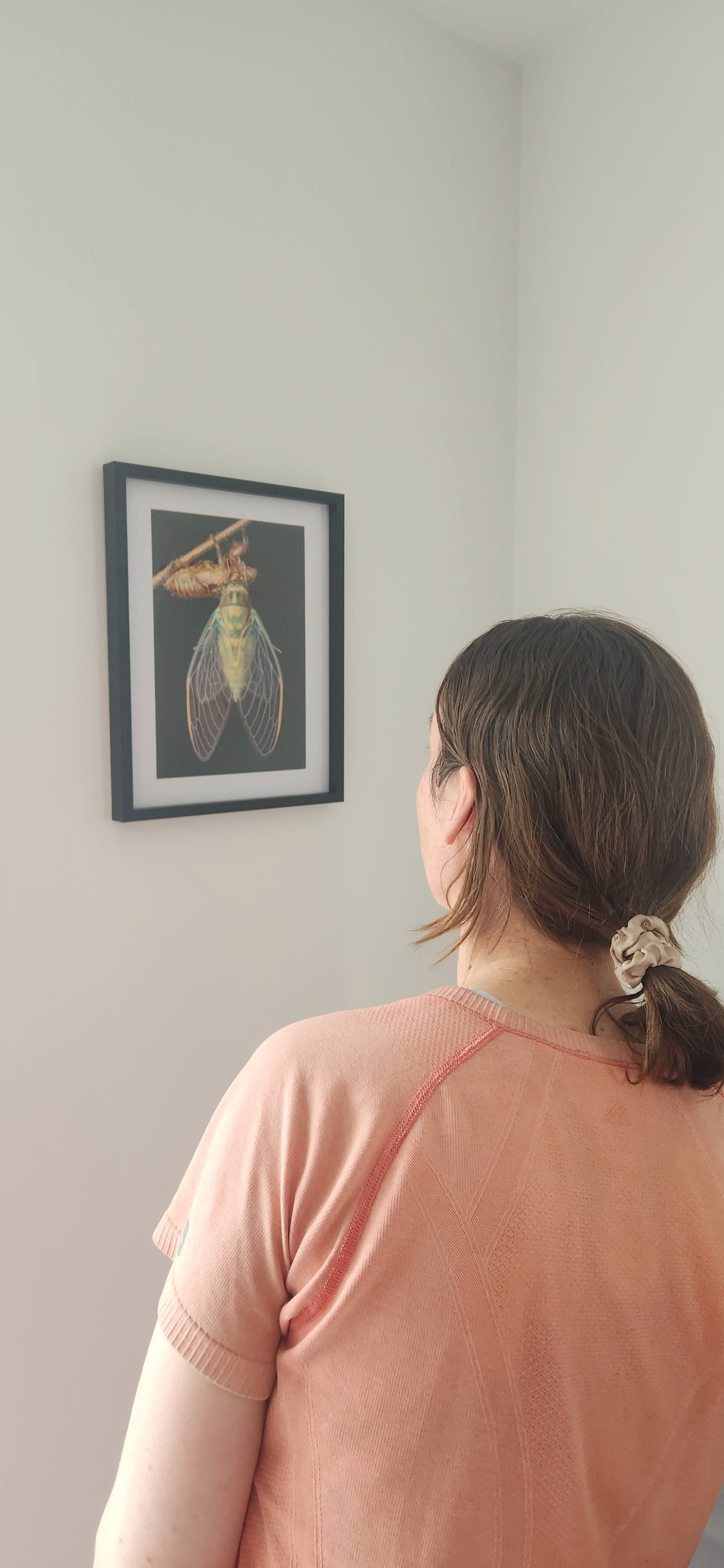
When Angela got home from field work that week, I showed her the print. She was genuinely impressed, and that says a lot. Angela sees a lot of my photos, she joins me on around 70–80% of my night walks, and she takes amazing images herself. So seeing her that impressed made us think, “Yep, this one’s worth framing”. This month we finally did.
There’s something genuinely special about printing your own work, framing it yourself, and seeing it on the wall. It’s completely different from viewing an image on a screen. The photograph feels more real, but I think, as a photographer, the most important part is the process, creating the print and bringing the image to life.
Photo was printed on a Canon Pro 1000 and on Canon Pro Luster photo paper – A4.
Night Walk on the Last Night of February
On the last night of February, I was fortunate to go on a short night walk in the Redwood Forest in Rotorua with Tony Whitehead (www.tonywhitehead.com). Tony is an outstanding wildlife photographer and easily one of my favourites to follow. Every Sunday he uploads a new blog, which I always enjoy reading. Those Sunday posts are actually what inspired me to start doing these monthly blogs. His images are incredibly inspiring, and his passion for our native birdlife is second to none. On top of that, his photographic knowledge is exceptional, and he’s always willing to share it, which is honestly pretty rare, especially from someone with Tony’s skill level and portfolio.
I’ve been lucky enough to do night walks with Tony for the last four years or so. Every walk turns up something different, and we usually come away with one or two real keepers. Some of my best images have come from nights out with Tony, and I think a big part of that is how relaxing and enjoyable those walks are.
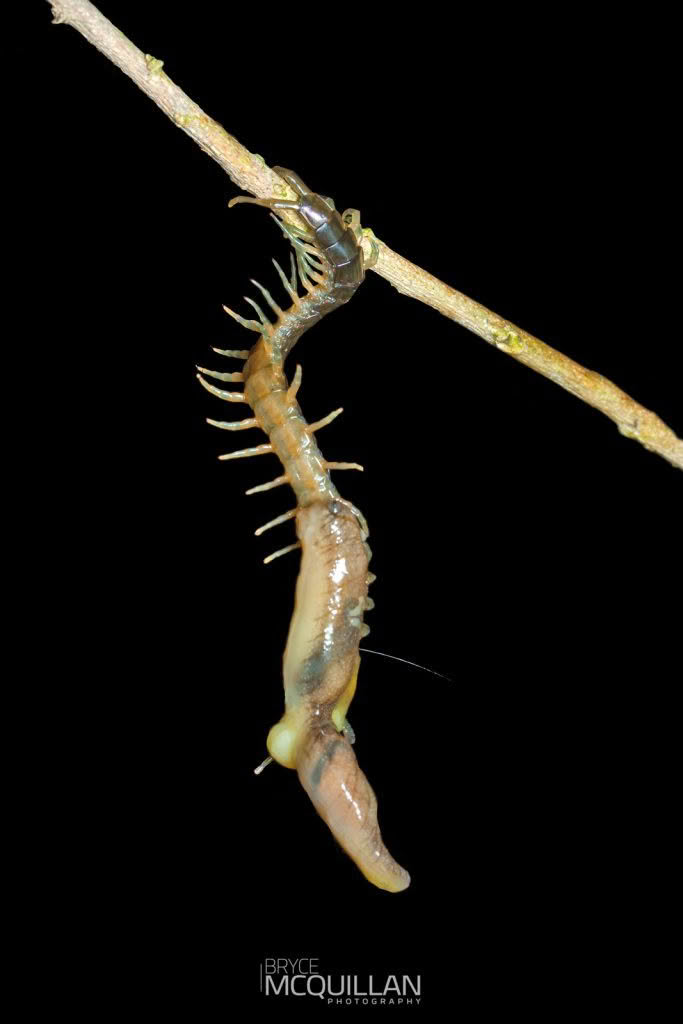
This night was a bit special because Tony spotted a large centipede feeding on a leopard slug. I’ve only seen that behaviour once before, about 12 years ago, when Angela and I came across the same thing (image below).
Back then, we didn’t have our cameras with us. We rushed back to the car, drove about 15 minutes back into town, grabbed our gear, and then hurried straight back to the spot. To our surprise, the centipede was still there feeding when we returned, and we both managed to get a couple of photos. I’ve never made that mistake again, I don’t go on a night walk without a camera now. I can also still remember the smell from that leaf-vein slug, even all these years later.
There’s an old saying that if you go for a walk without your camera, you’ll see the best photo opportunities, but if you bring it, those moments suddenly seem few and far between.
This time, unfortunately, Tony and I didn’t get the chance to photograph it. As I stepped closer, the centipede dropped the slug and disappeared into the log.
When you’re photographing or observing wildlife, the last thing you want to do is disturb the subject. Centipedes are especially sensitive, to vibration, light, and any sudden changes around them. They generally dislike light and will often bolt for cover as soon as they’re exposed. When they’re feeding, they can sometimes be a little less likely to run, but I suspect the vibration from me walking up was enough to spook it and make it drop its prey.
Even so, it was an incredible thing to witness. I’ve included an image below of the one I photographed all those years ago.
Cormocephalus westwoodi huttoni — feeding on a leaf-vein slug – Photographed in Tamahere Reserve, Waikato.
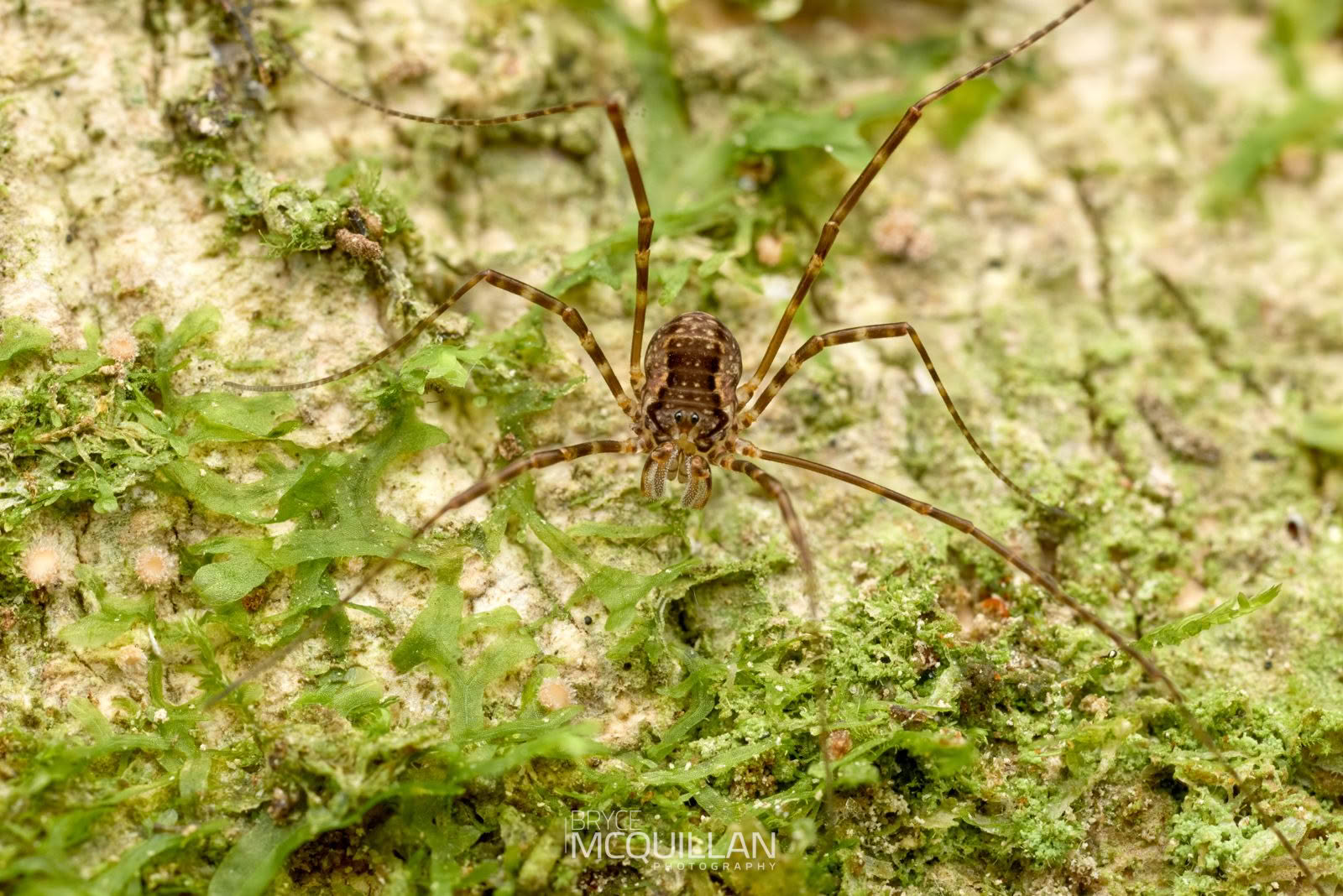
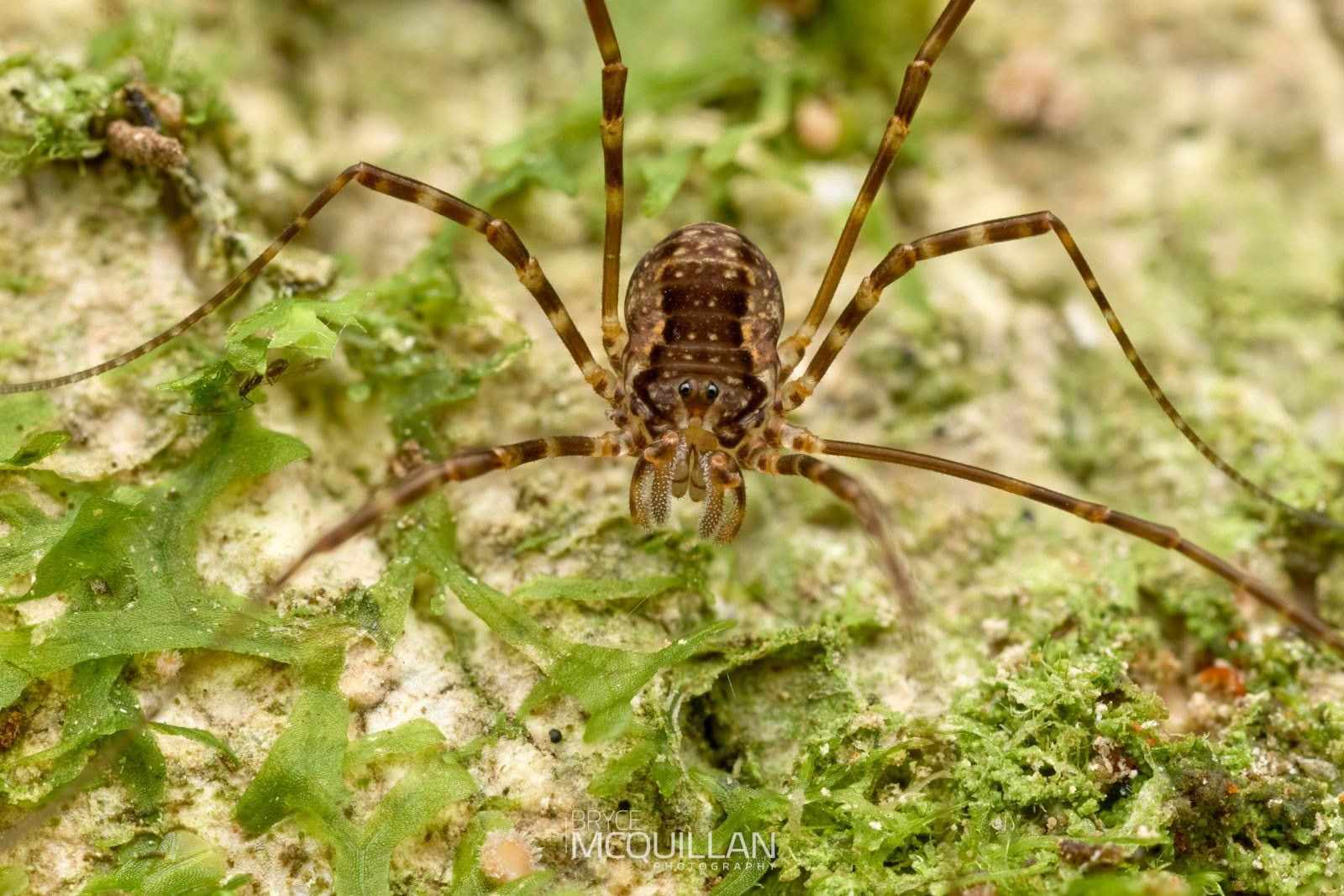
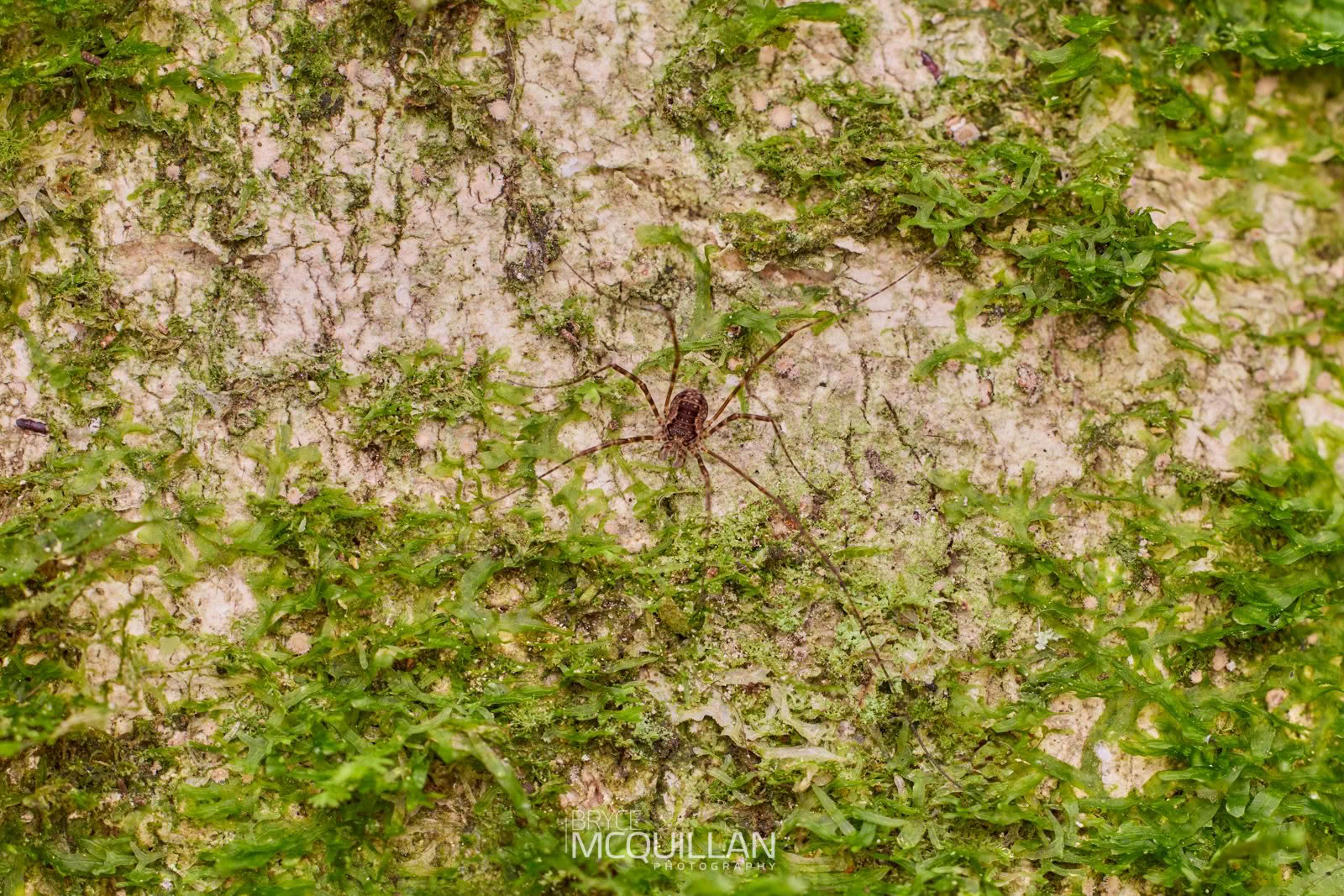
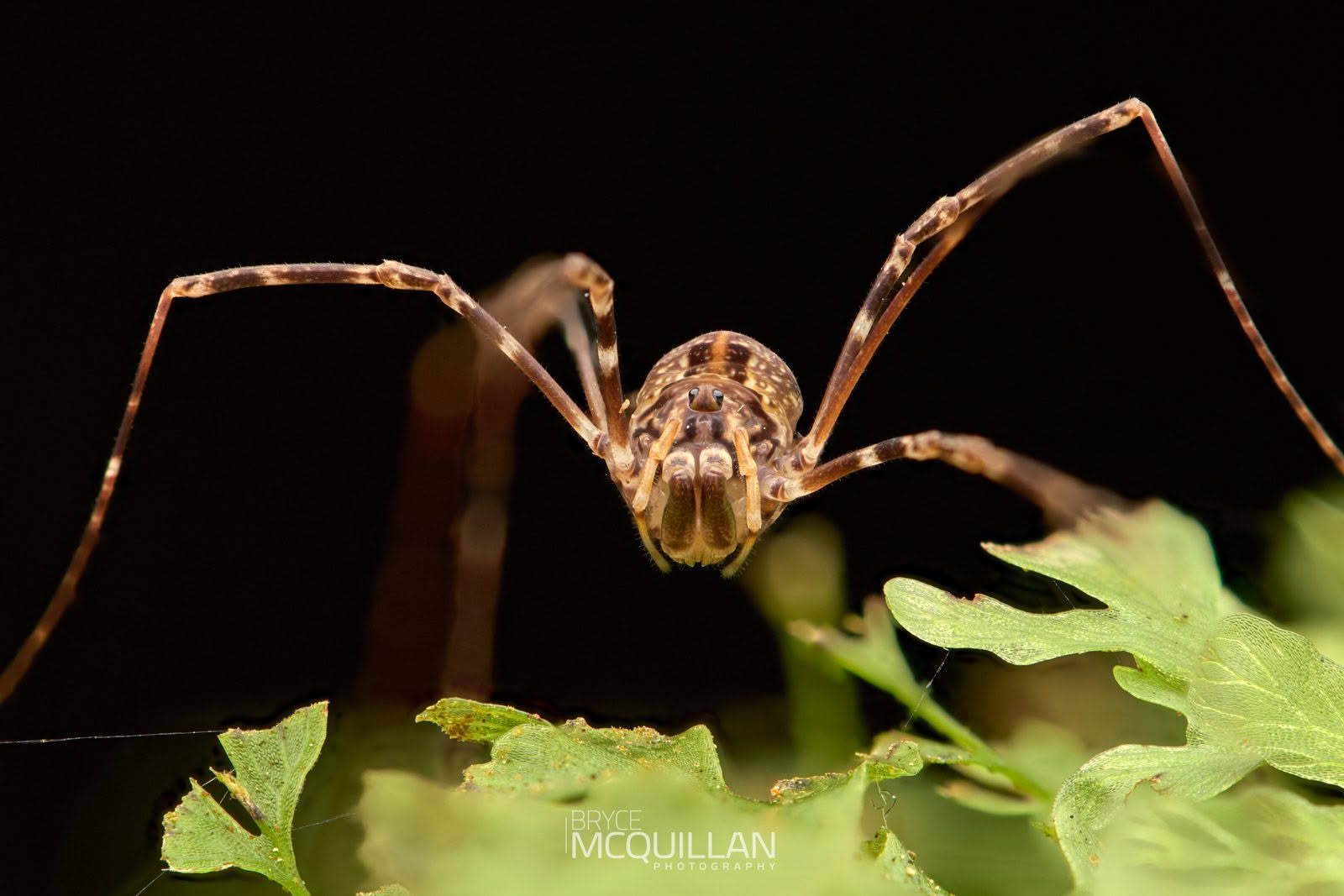
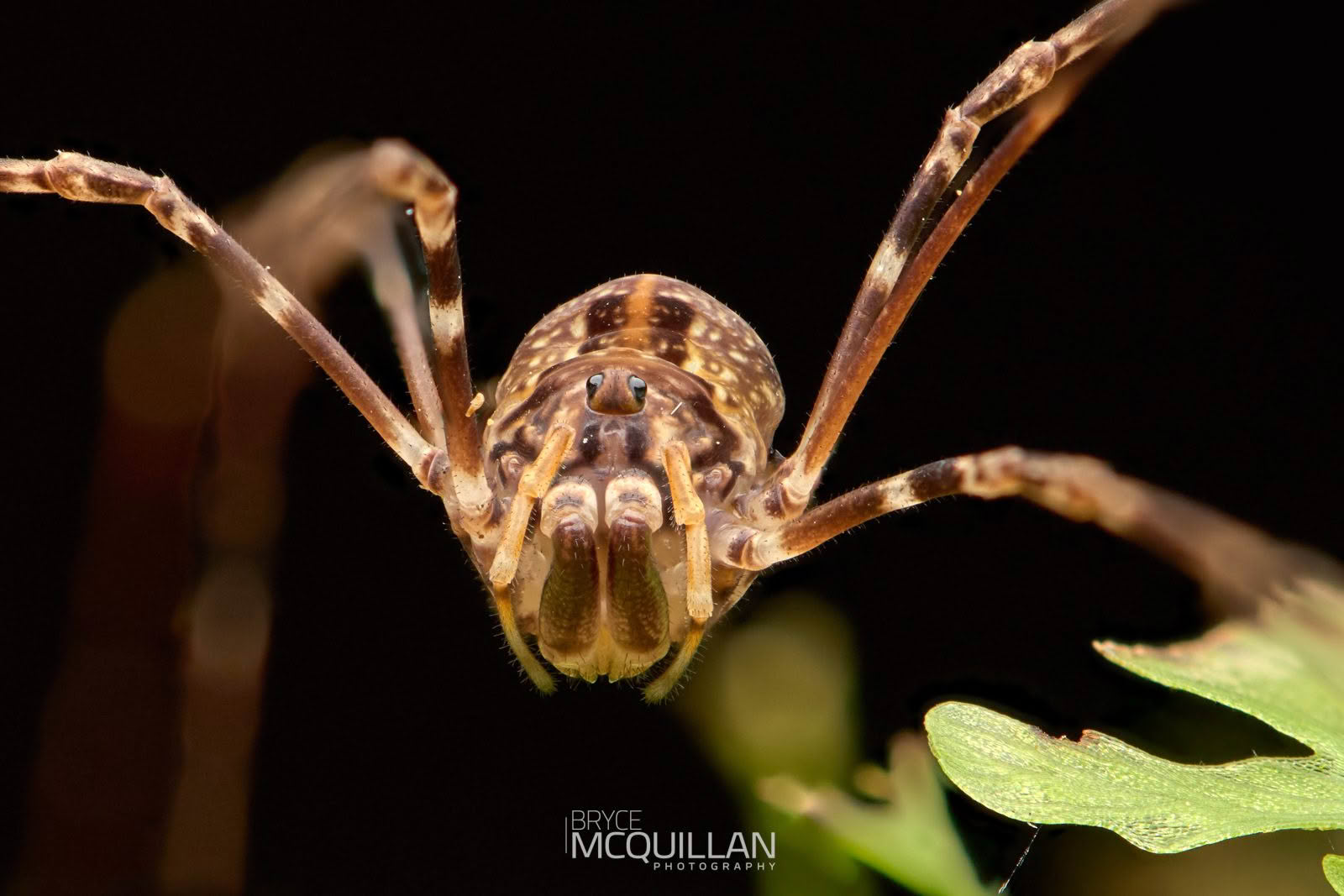
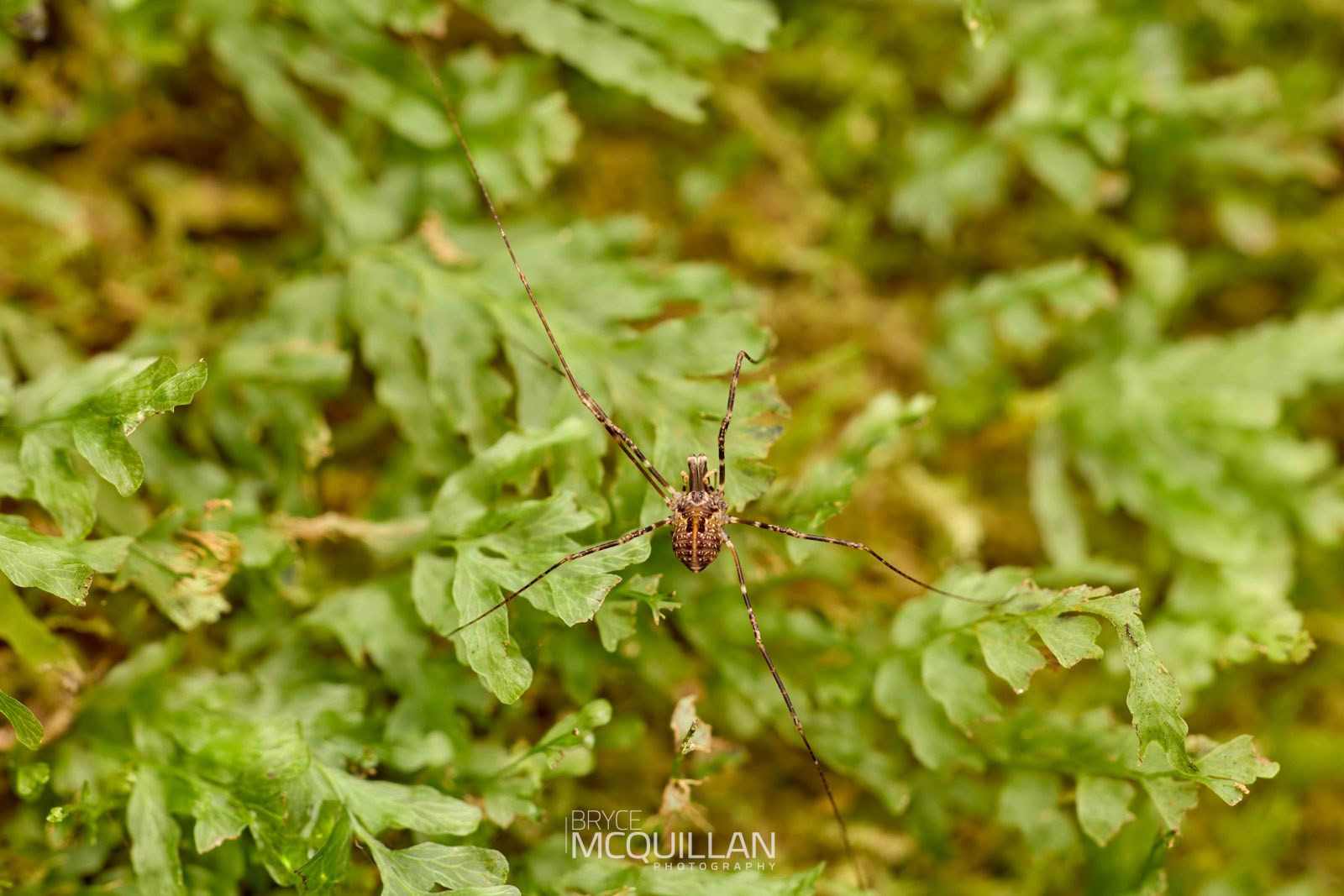
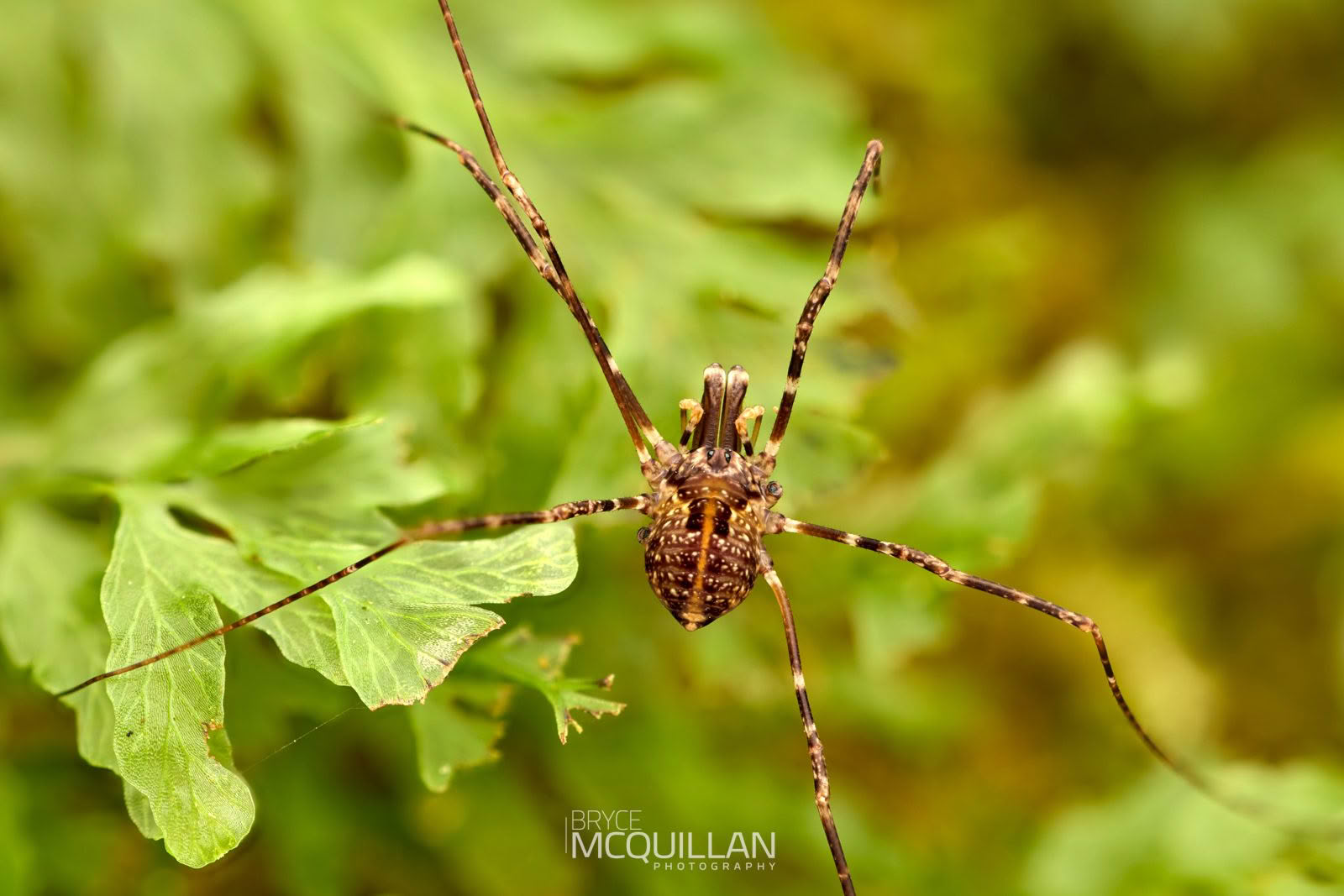
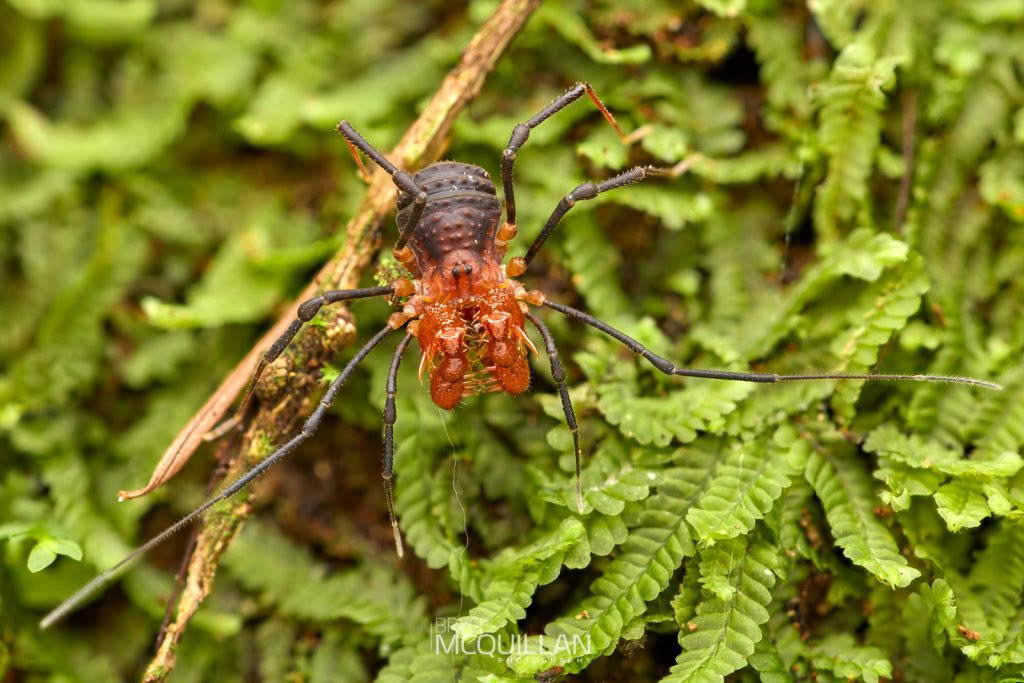
For me, the highlight image of the night was a male Sorensenella rotara sitting amongst liverwort. The liverwort helped the harvestman really stand out. Most of the time you find these harvestmen on fallen logs or at the base of tree trunks, where they blend in incredibly well and are easy to miss.
This species is endemic to the Rotorua region, and it’s not often you get such a clean, uncluttered background. That’s why I like images like this so much, they show the animal clearly, which isn’t always easy with a subject that naturally disappears into its surroundings.
Male Sorensenella rotara – Photographed with R5 Mark II and Canon RF 100mm Macro lens, using an EL-1 Speedlite with a homemade diffuser, focus-stacked image.
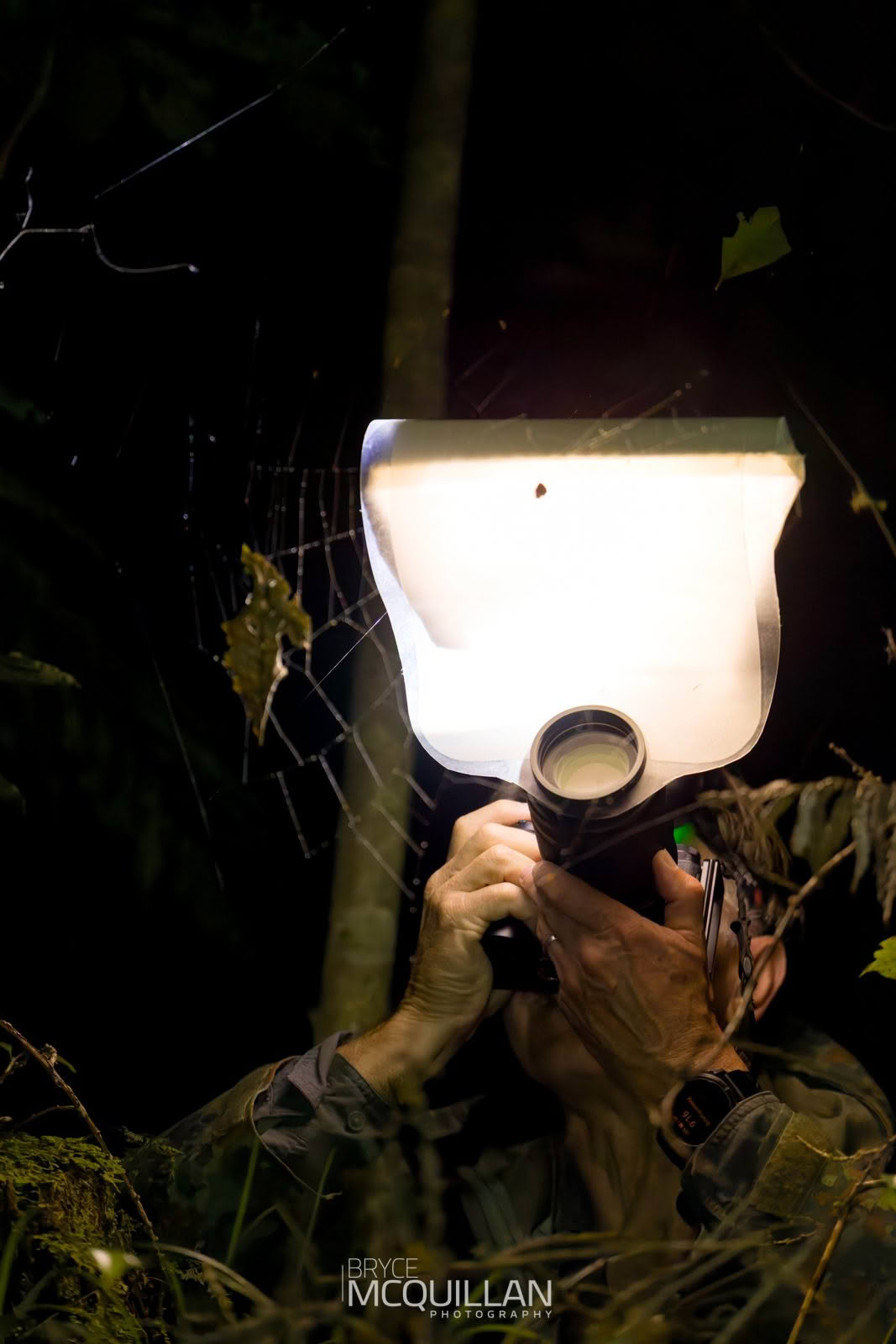
A few other images taken on that night, including a behind the scenes of Tony photographing a female Zealaranea trinotata.
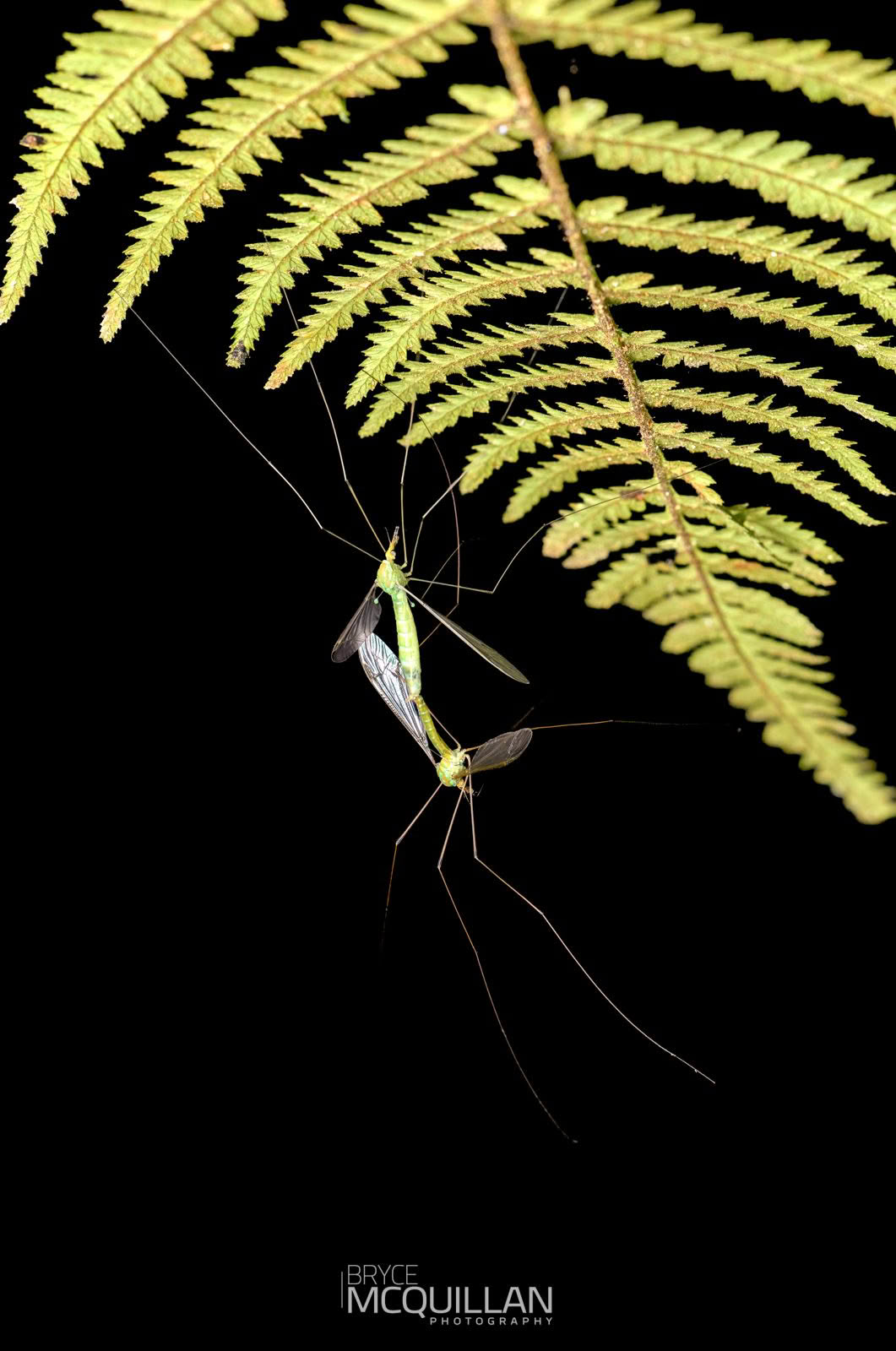
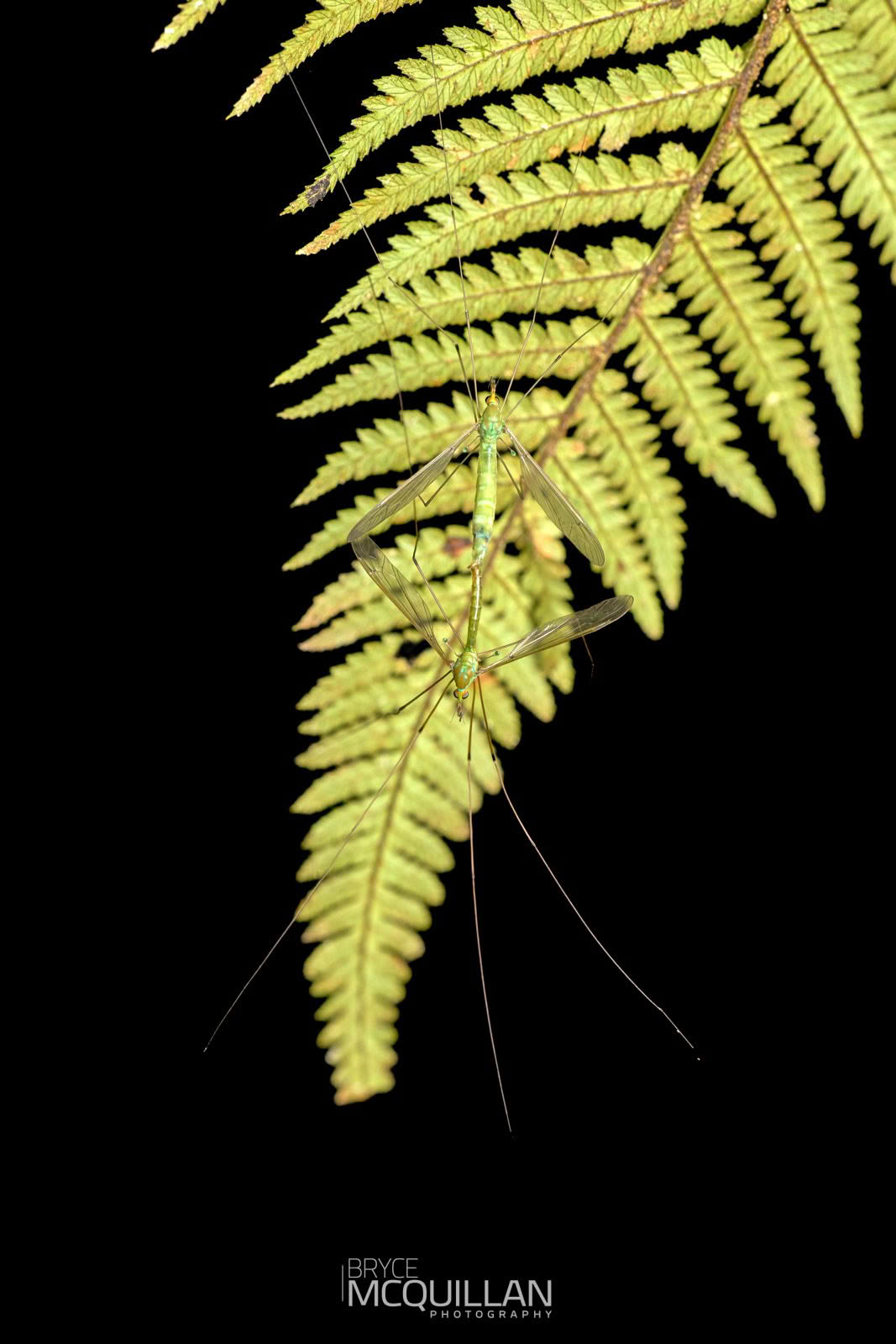
Cranefly mating (Leptotarsus virescens) – all images below photographed with R5 Mark II and Canon RF 100mm Macro lens, using an EL-1 Speedlite with a homemade diffuser, left is a single image, middle is focused-stacked, right is a single image.