Canon RF35mm Macro
The Canon RF35mm f/1.8 Macro IS STM is one of the standout lenses in Canon’s RF lineup for the way I work. It combines a compact body, light weight, a fast f/1.8 aperture and 0.5× close focusing in a package that is easy to keep in the bag.
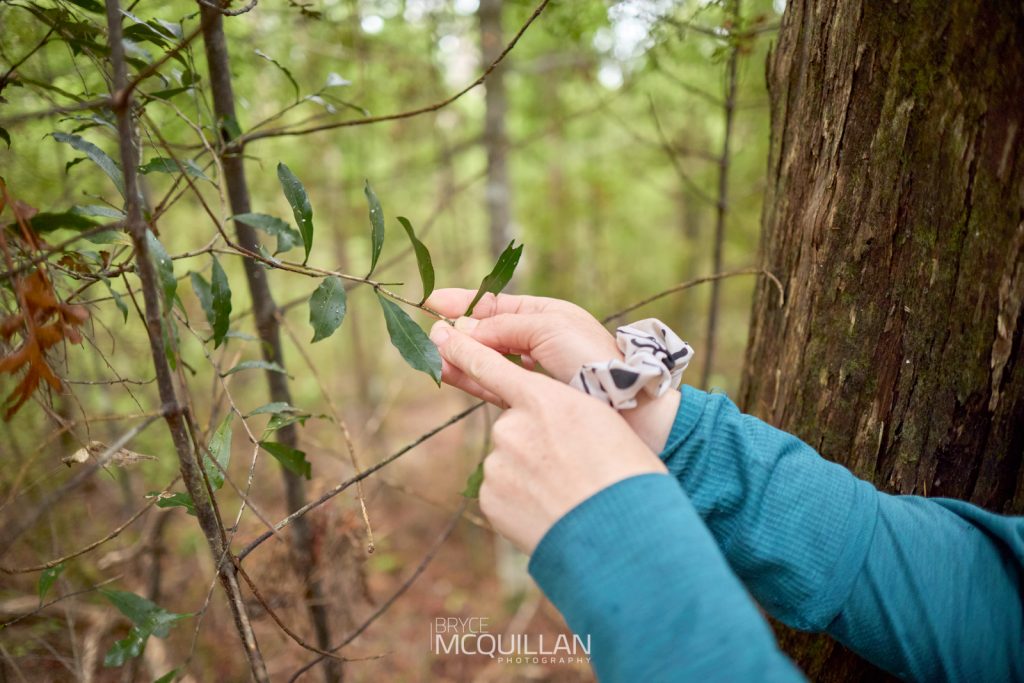
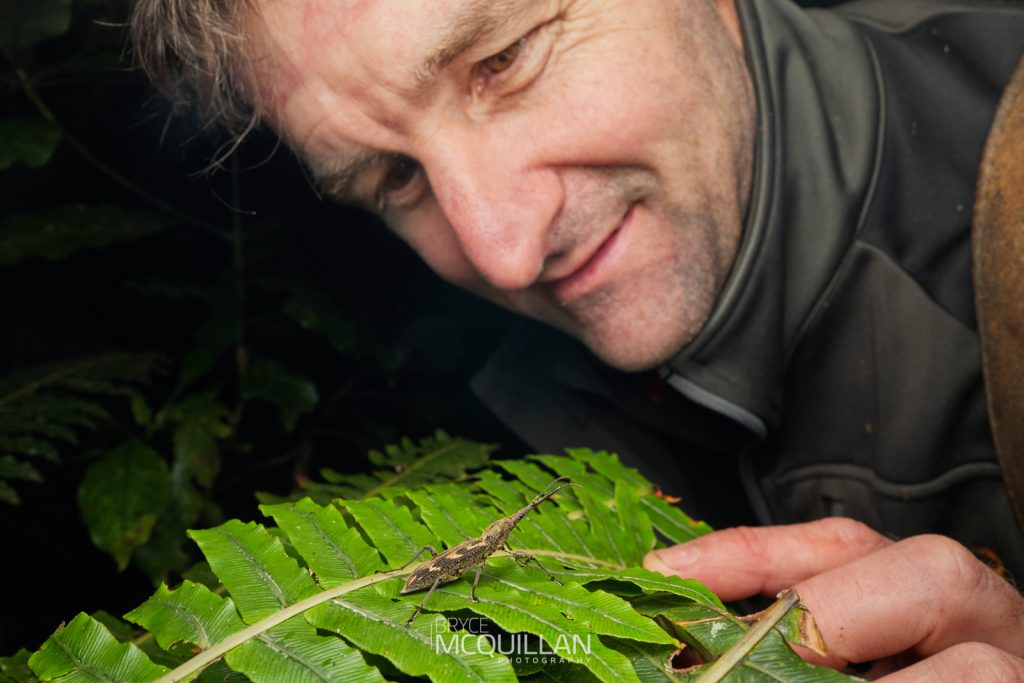
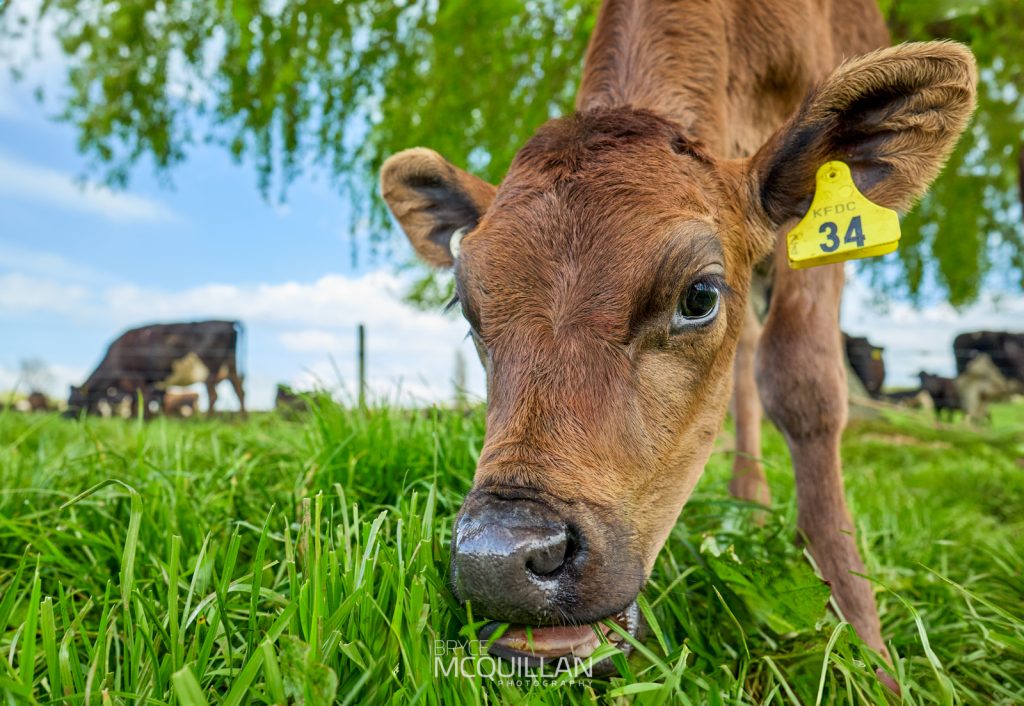
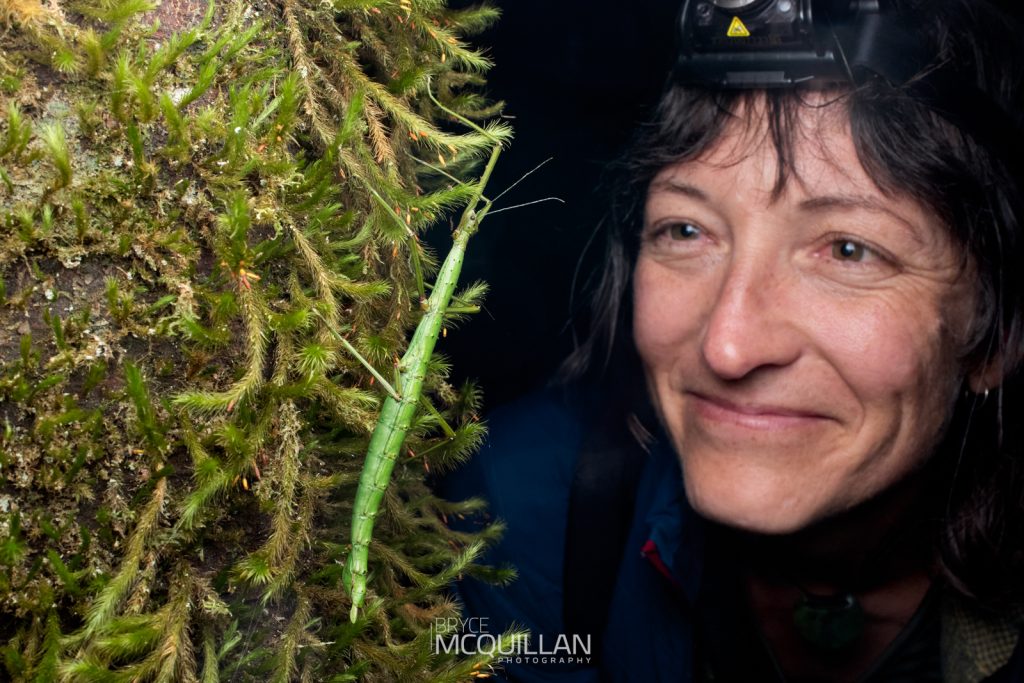
That combination makes it useful for far more than a conventional 35mm prime. I use it for environmental wildlife images, field work, people, travel and close detail where I want the subject to remain connected to its surroundings.
Why 35mm works for me.
I originally bought the Canon RF24mm f/1.8 Macro IS STM because I assumed I would prefer the wider angle. In practice, I kept finding that 24mm felt too wide for much of my documentary and field photography, and I was regularly cropping afterwards to get the framing I wanted.
After borrowing the 35mm, the focal length immediately felt more natural. It still gives enough environment around the subject to tell a story, but it provides noticeably more subject separation and requires less cropping.
The RF24mm still has a place in my kit when I genuinely want a wider perspective, but the RF35mm is the lens I reach for more often.
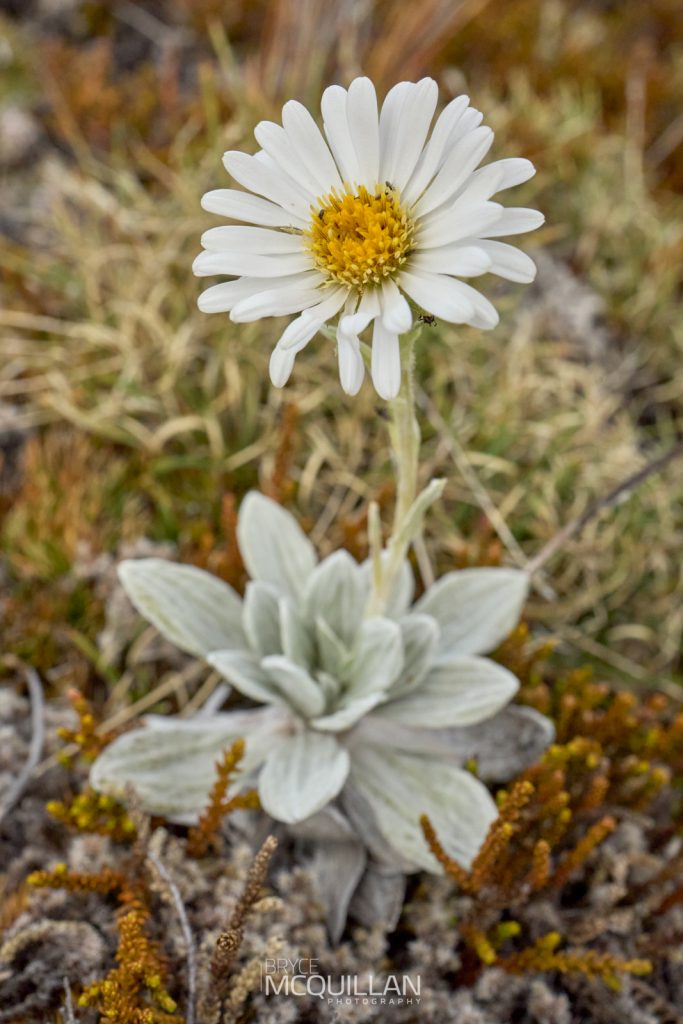
0.5× close focus makes it much more than a normal 35mm.
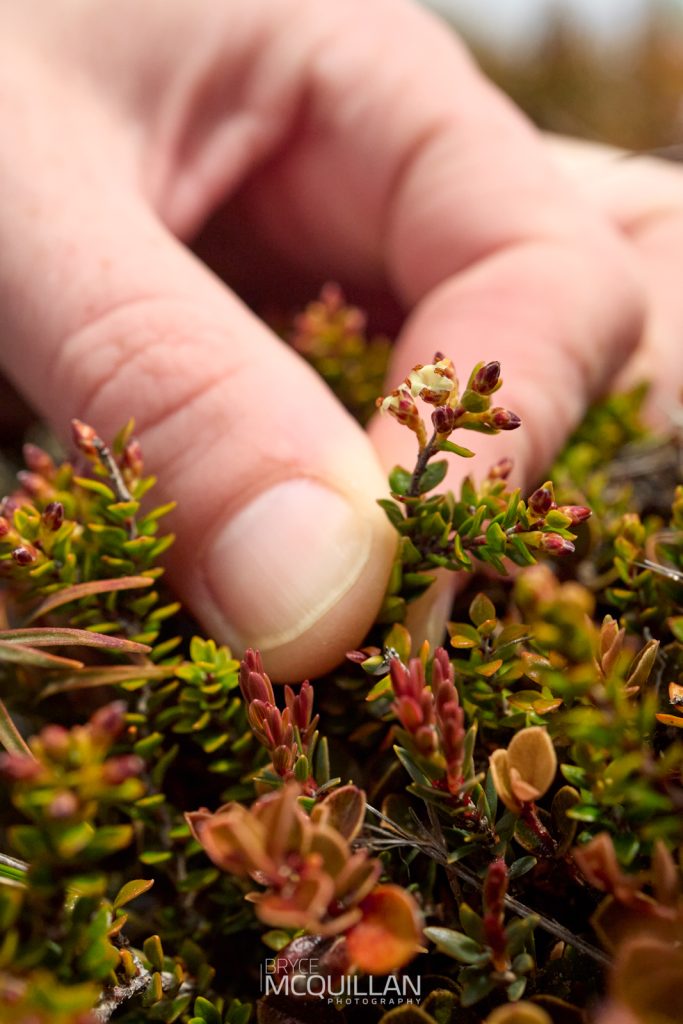
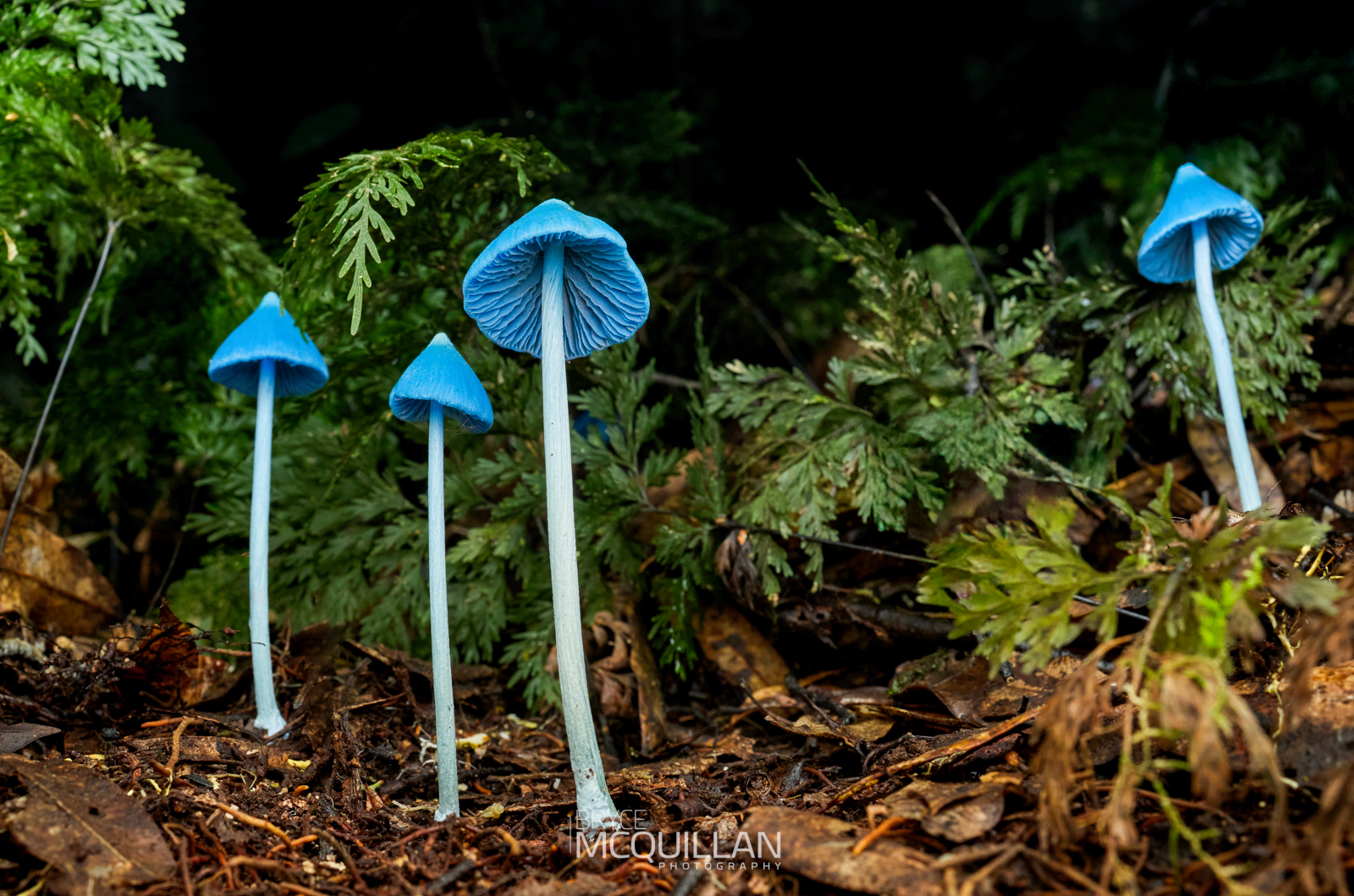
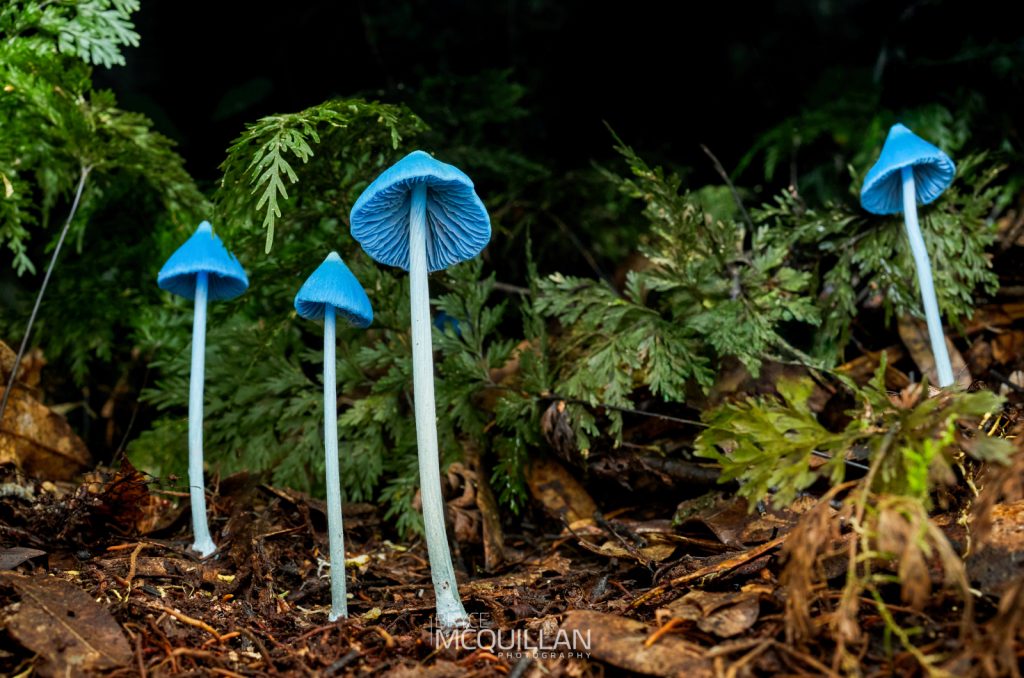
Most 35mm primes are not especially strong at close focusing. The RF35mm is different. Its 0.5× maximum magnification lets me move in on flowers, insects and other small subjects without carrying a dedicated macro lens for every situation.
It is not a replacement for a true 1× macro lens when I need maximum magnification, but it gives me a far more flexible way to show a subject within its habitat.
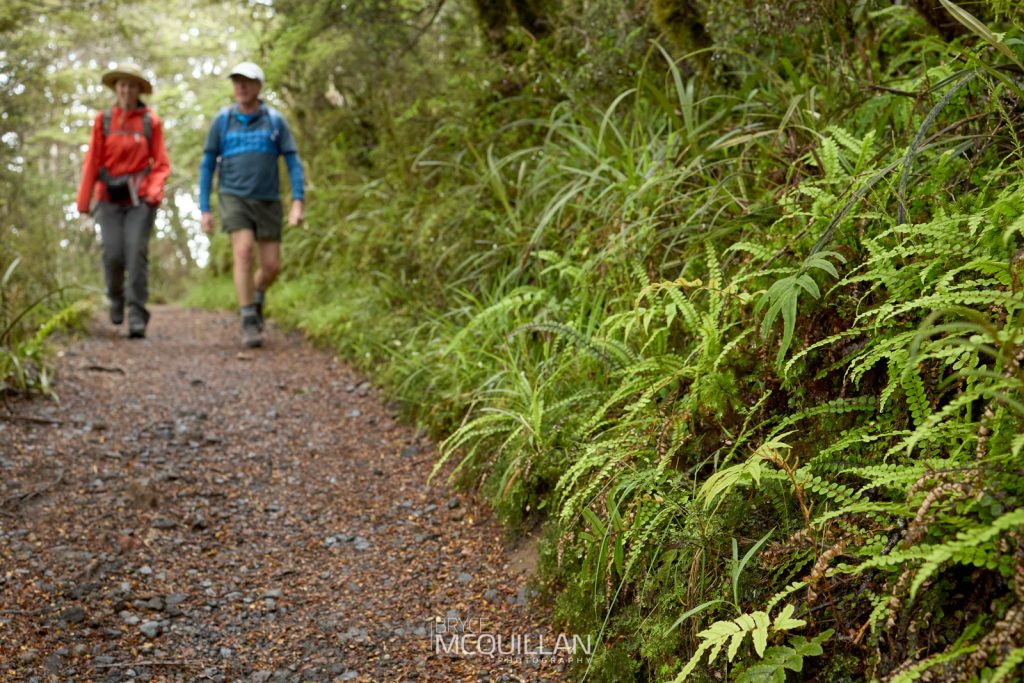
Small enough to always carry.
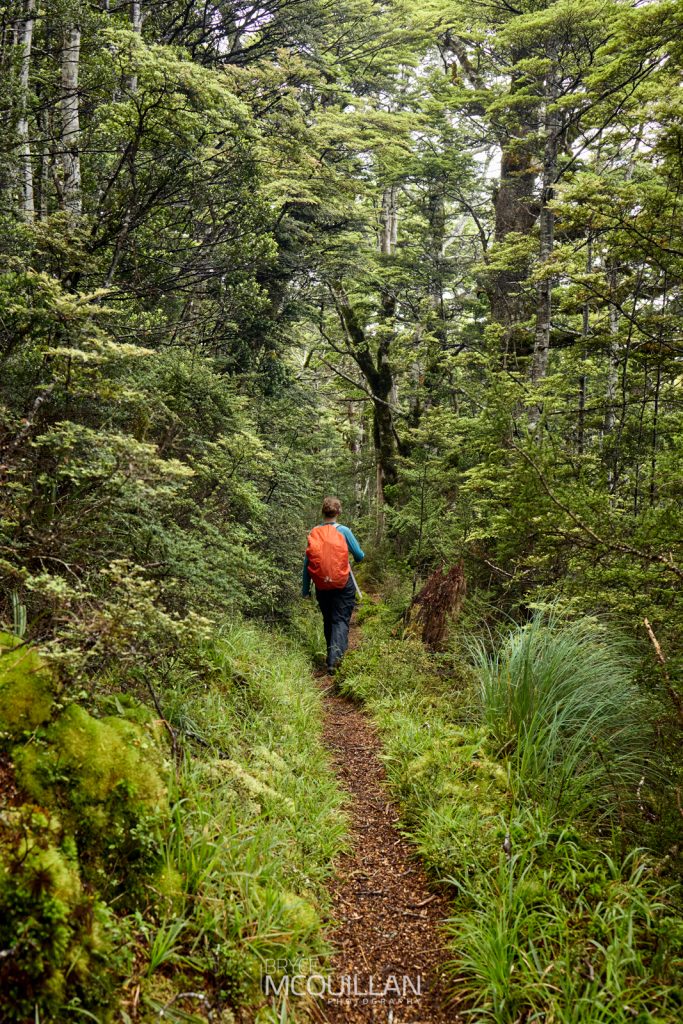
A lot of my photography is tied to field research, locating endemic species and documenting what we find. That often means long days carrying everything myself, sometimes in wet forest, mud or awkward terrain.
Gear that looks perfect on paper can become a burden once it is in the pack all day. At about 305 g, the RF35mm is light enough that there is very little reason to leave it behind.
That matters because the best use for this lens is often an unexpected one. It is there when a wider environmental composition suddenly presents itself, when I need a fast aperture in low light, or when I want to document the people and field work around a wildlife encounter.
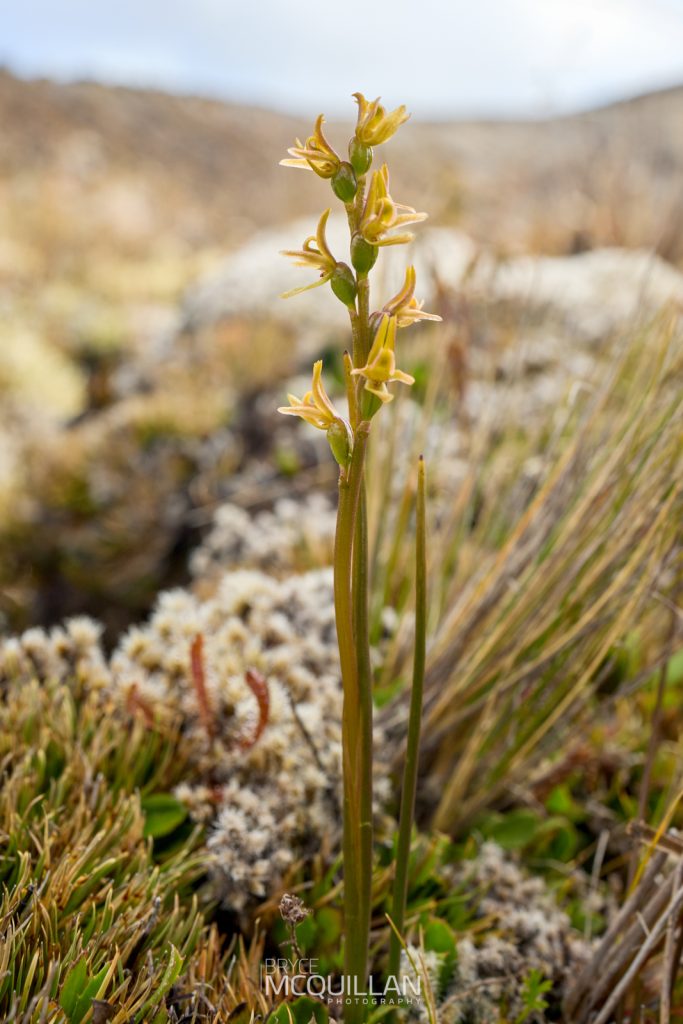
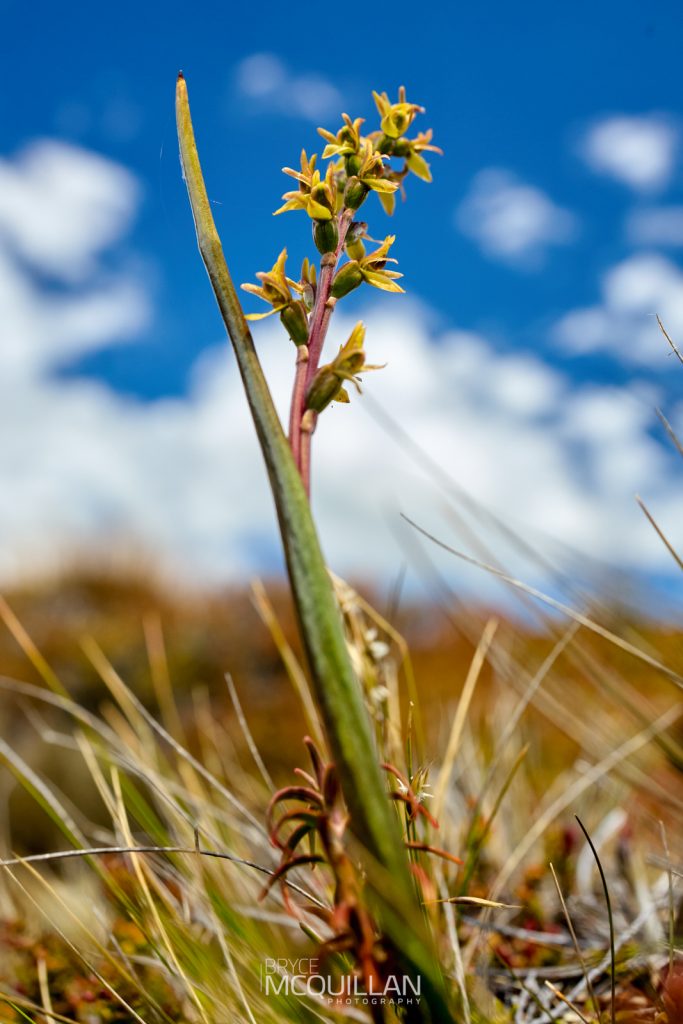
Similar idea. Very different perspective.
Both lenses are compact, use STM autofocus, include image stabilisation and focus to 0.5×. The deciding factor for me is perspective rather than specification.
The 24mm is better when I want the environment to dominate. The 35mm gives me a tighter, more controlled frame and generally feels more natural for the way I photograph wildlife and field work.
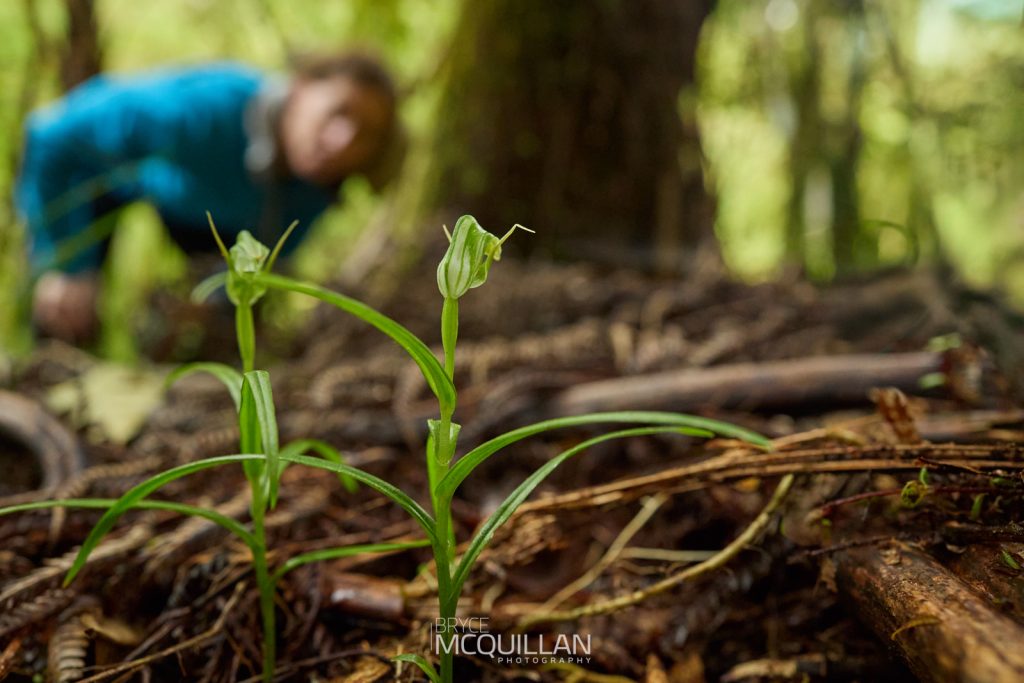
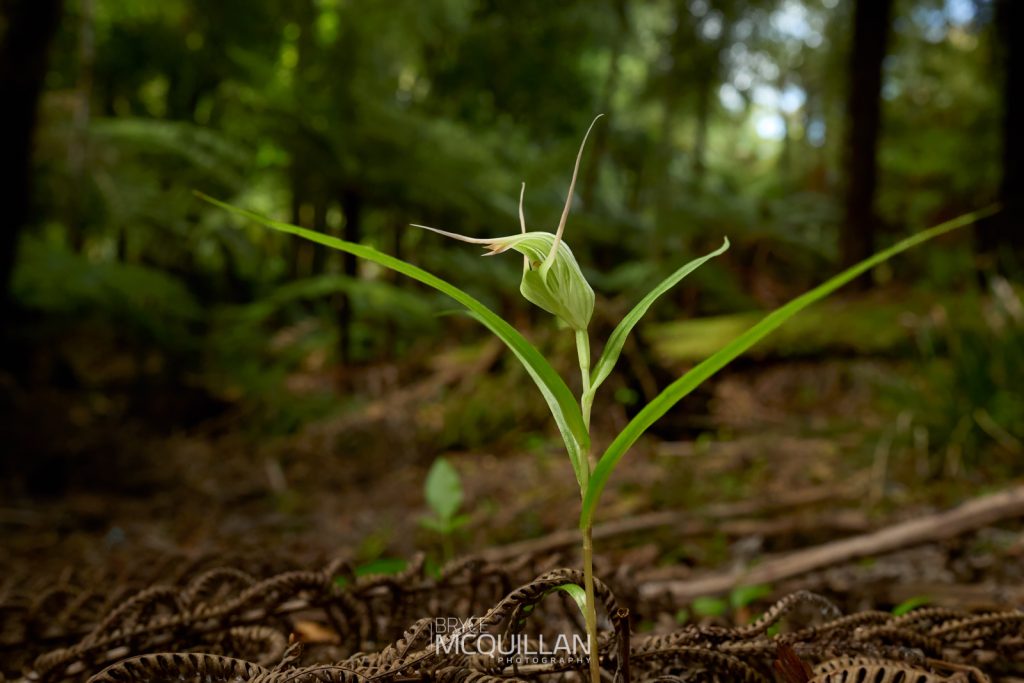
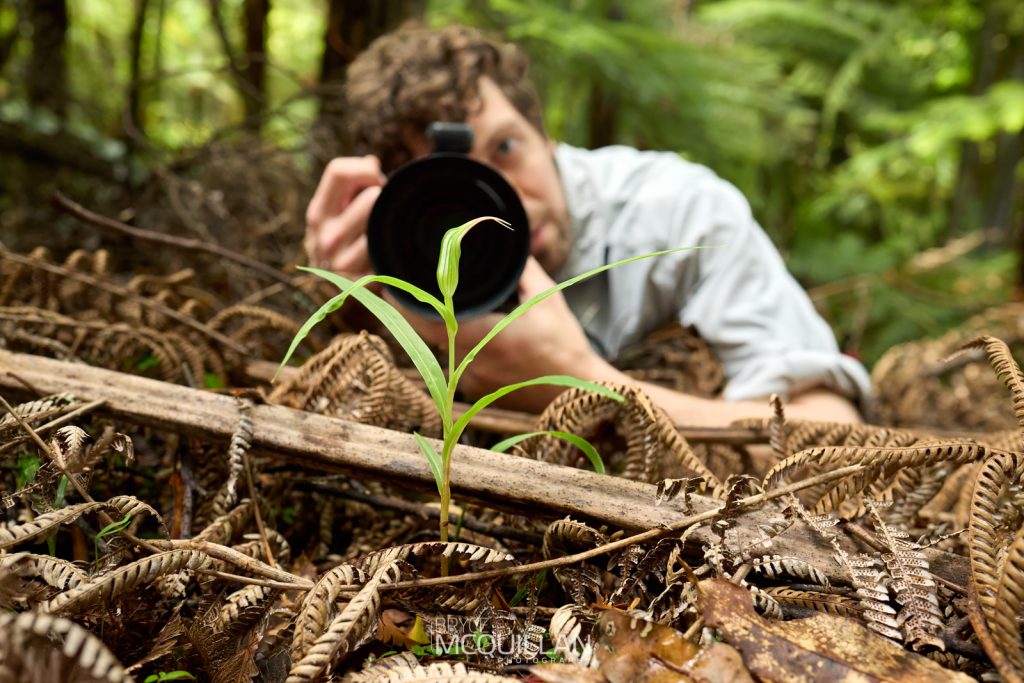
Where the RF35mm earns its place.
The fast f/1.8 aperture gives me flexibility in low light and lets me isolate a subject when I want to. Modern focus bracketing also means I can work at wider apertures and combine frames when I need additional depth of field.
Neither the RF35mm nor RF24mm is an L-series lens or fully weather sealed, so that is worth considering for photographers who spend a lot of time in wet or dusty conditions.
For me, the RF35mm succeeds because it balances image quality, speed, close focusing, size and weight unusually well. It is one of those lenses that keeps opening up photographs I would otherwise miss.
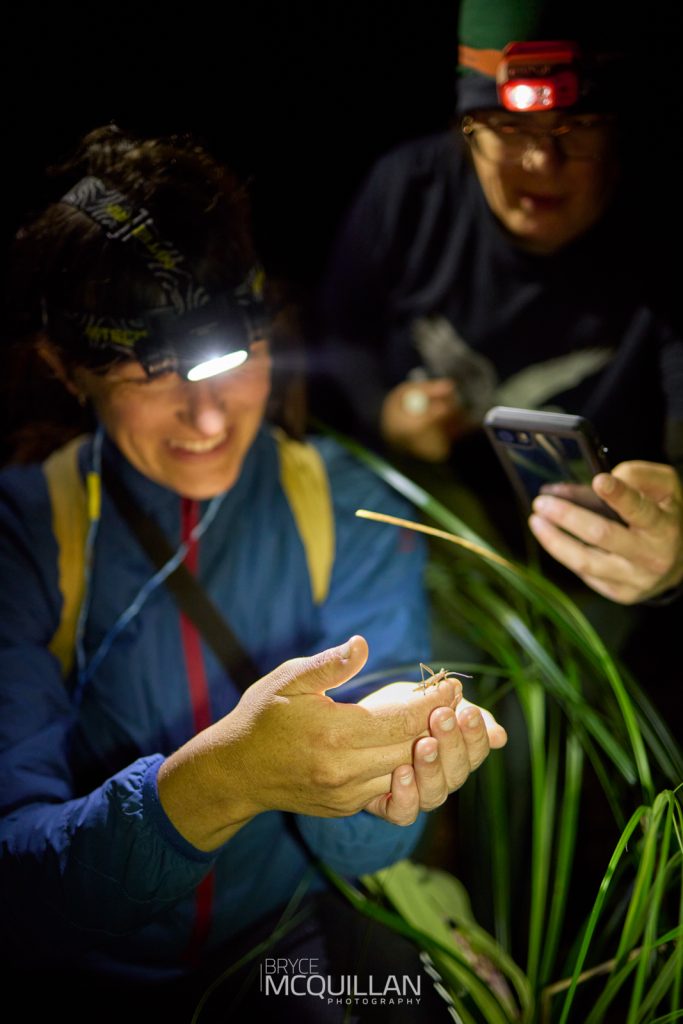
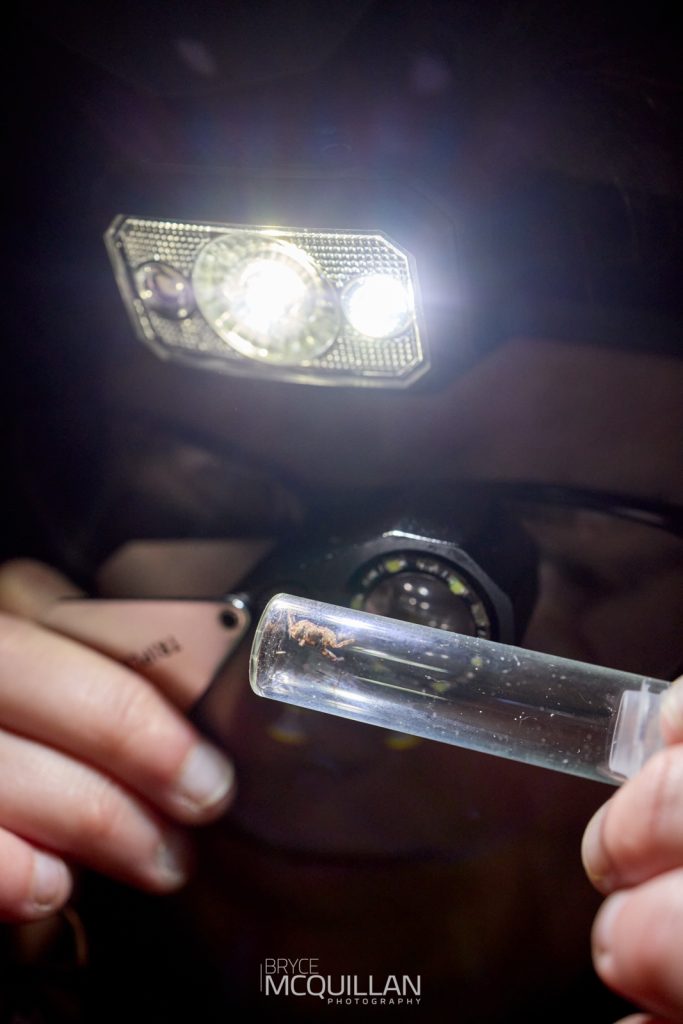
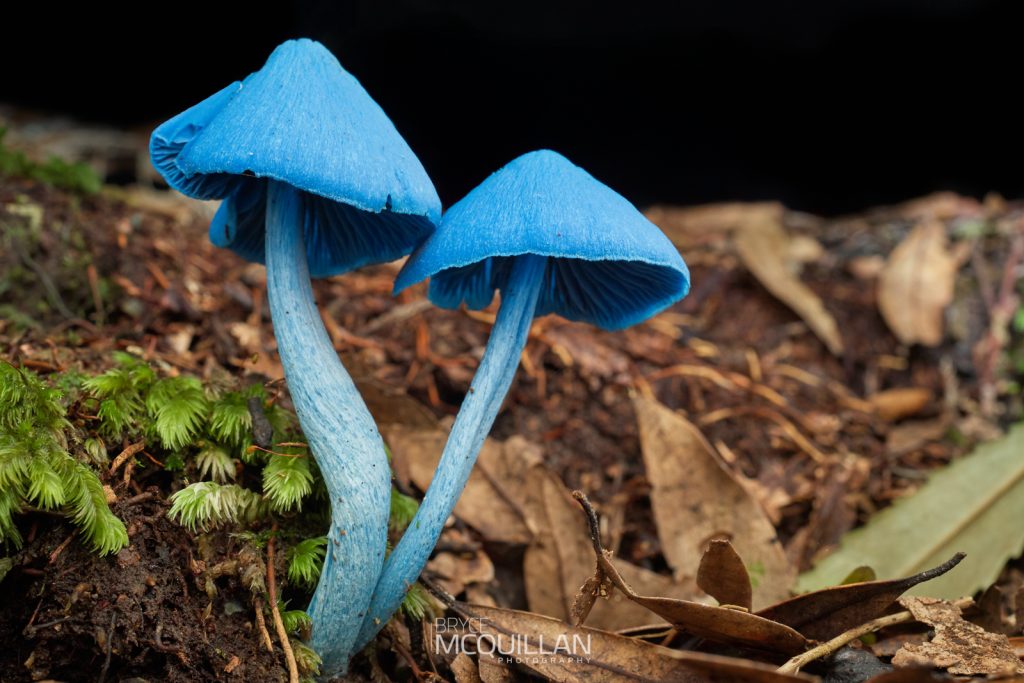
A lens that stays in the bag because it keeps earning the space.
The RF35mm has changed how I approach field photography. It encourages me to step back from the tight macro frame and include more of the habitat, the people and the wider story around the subject.
View Canon RF35mm product page