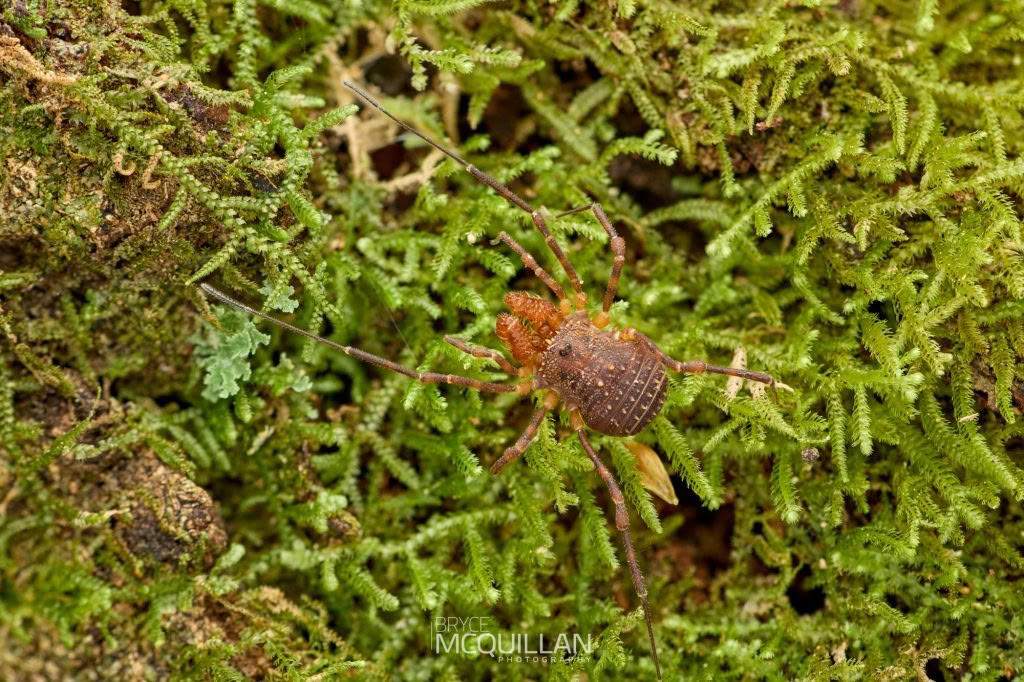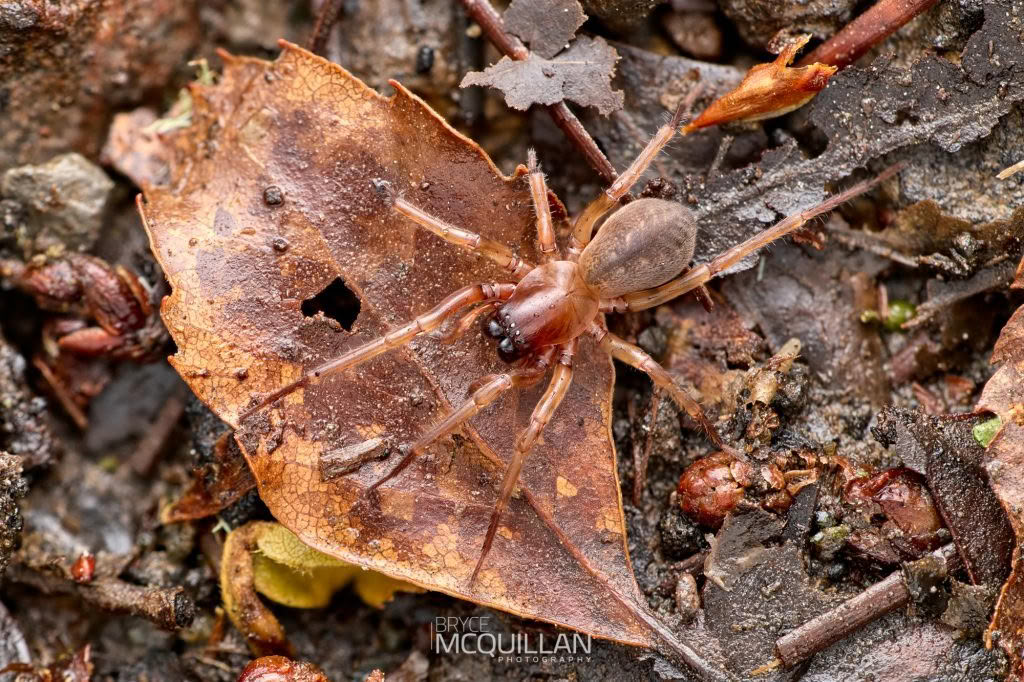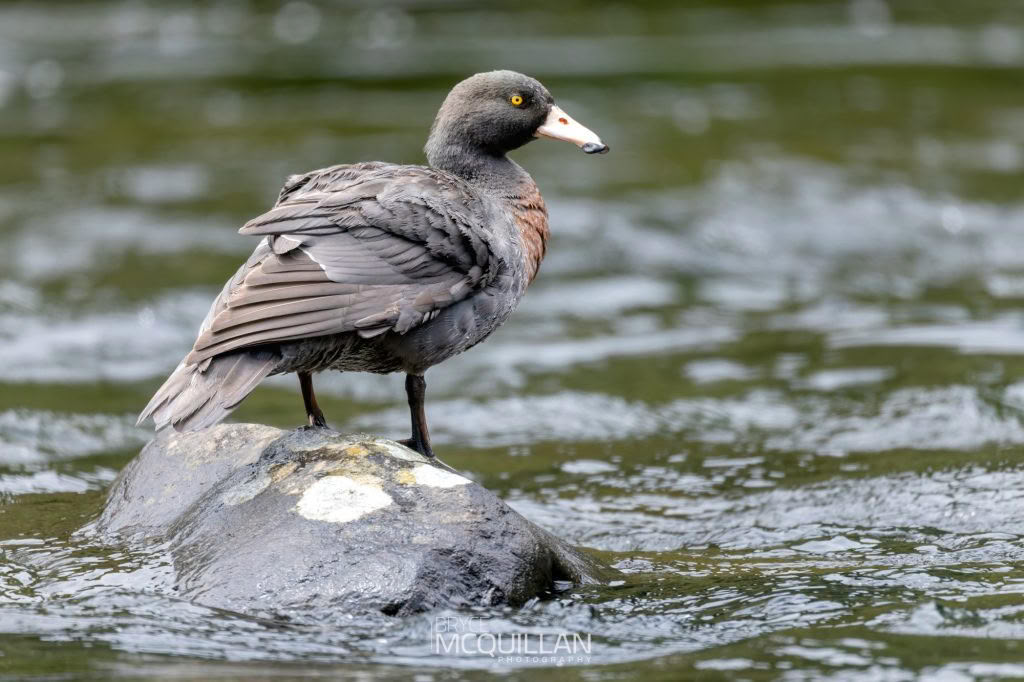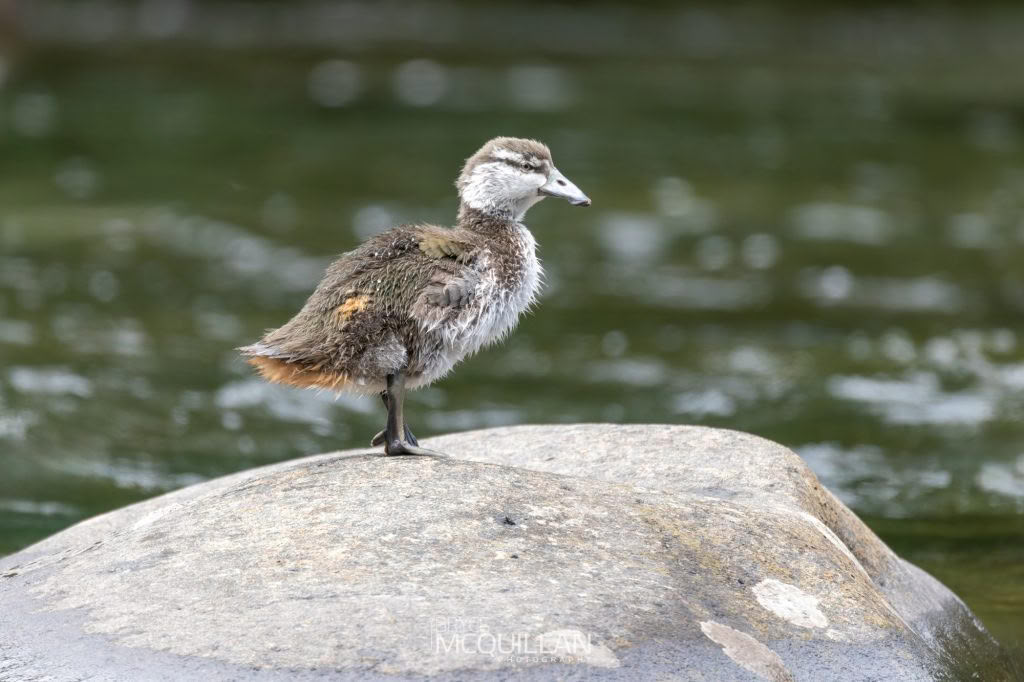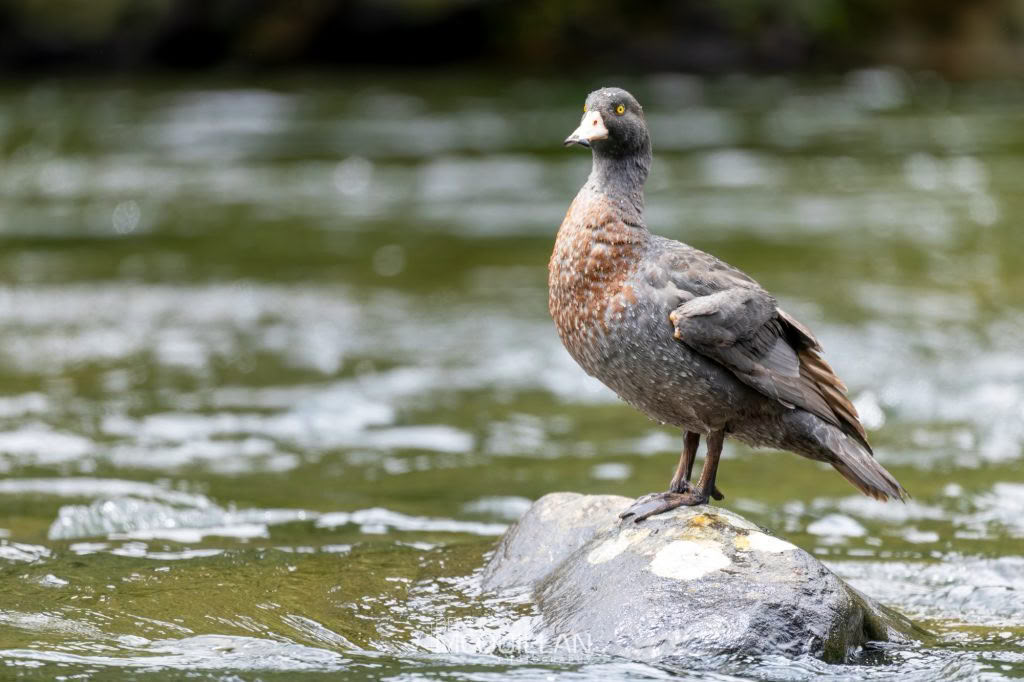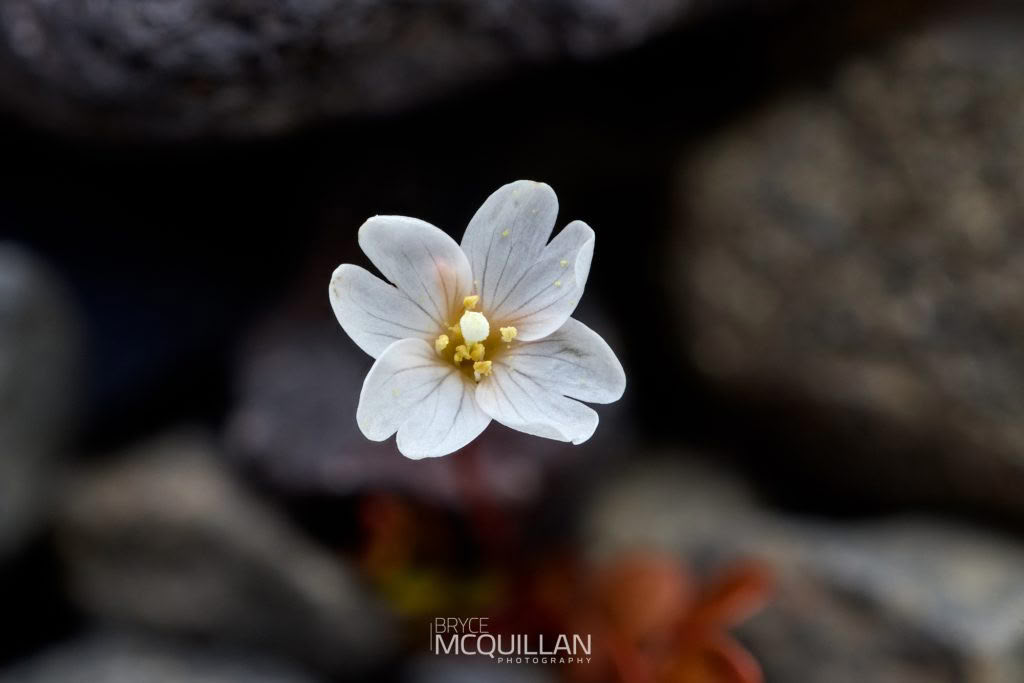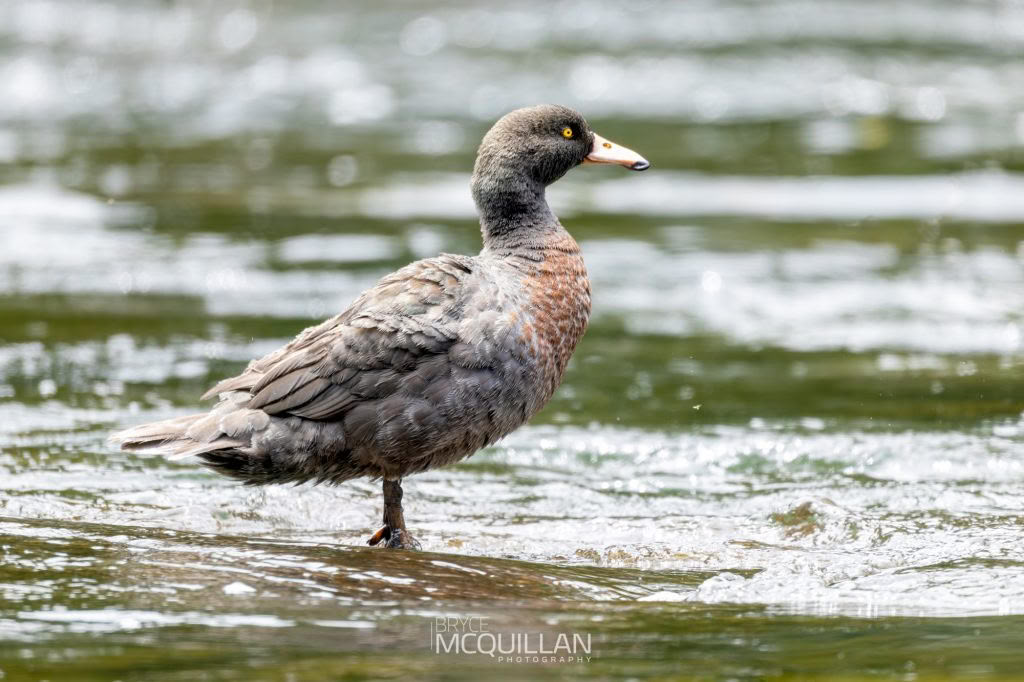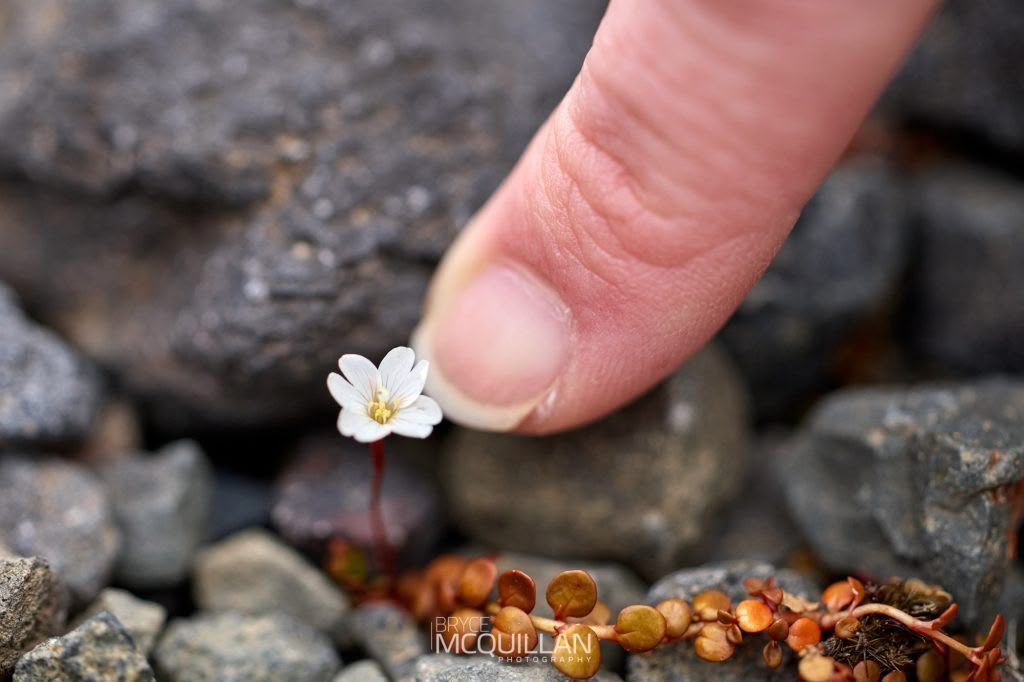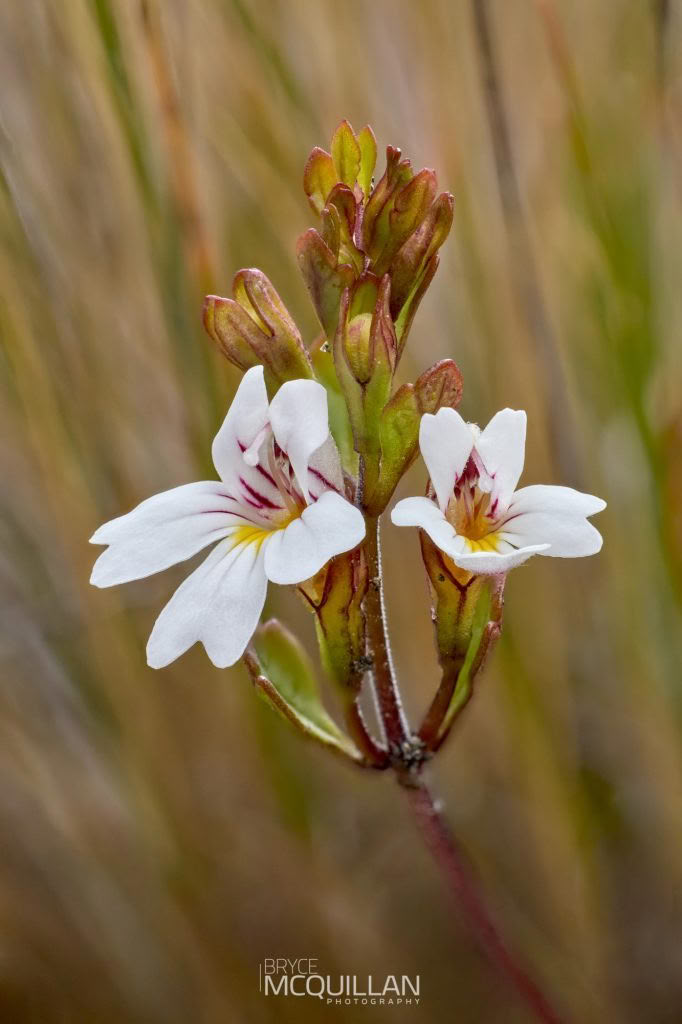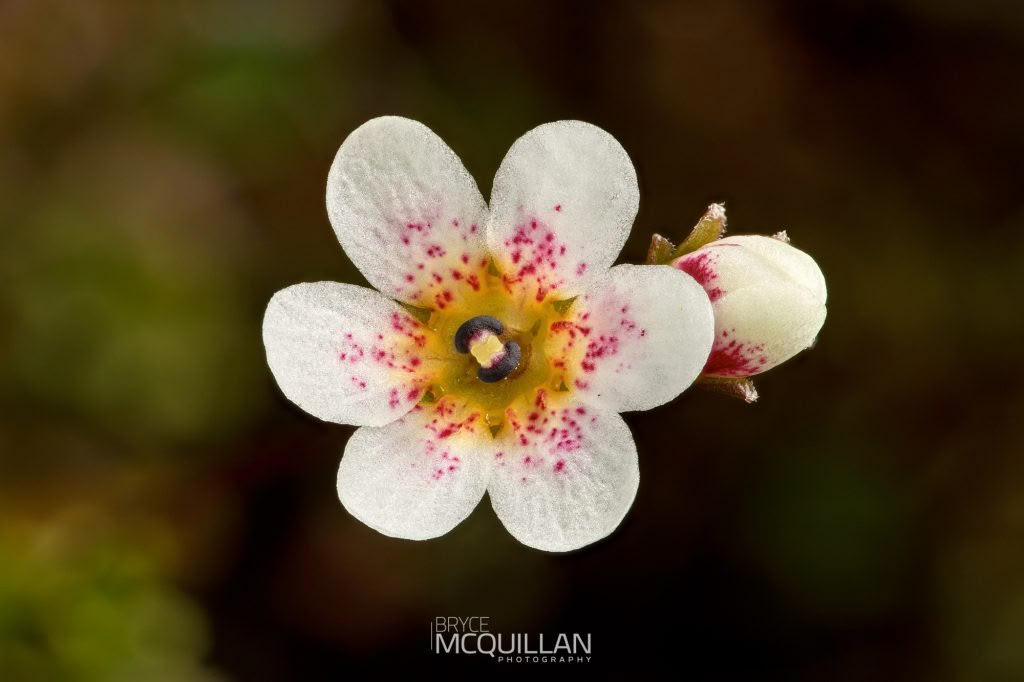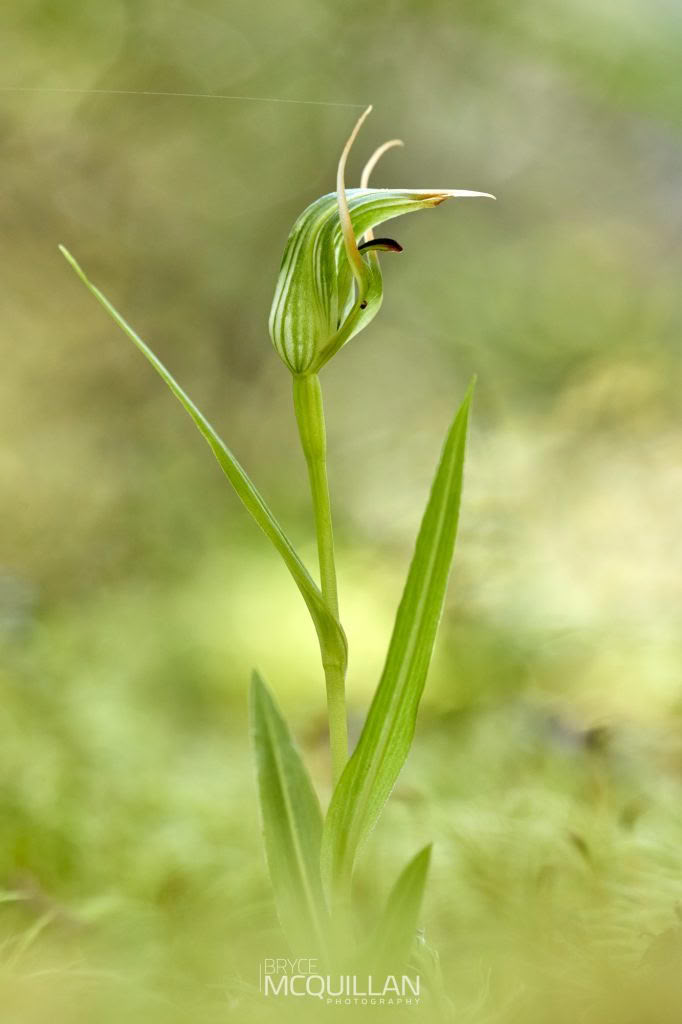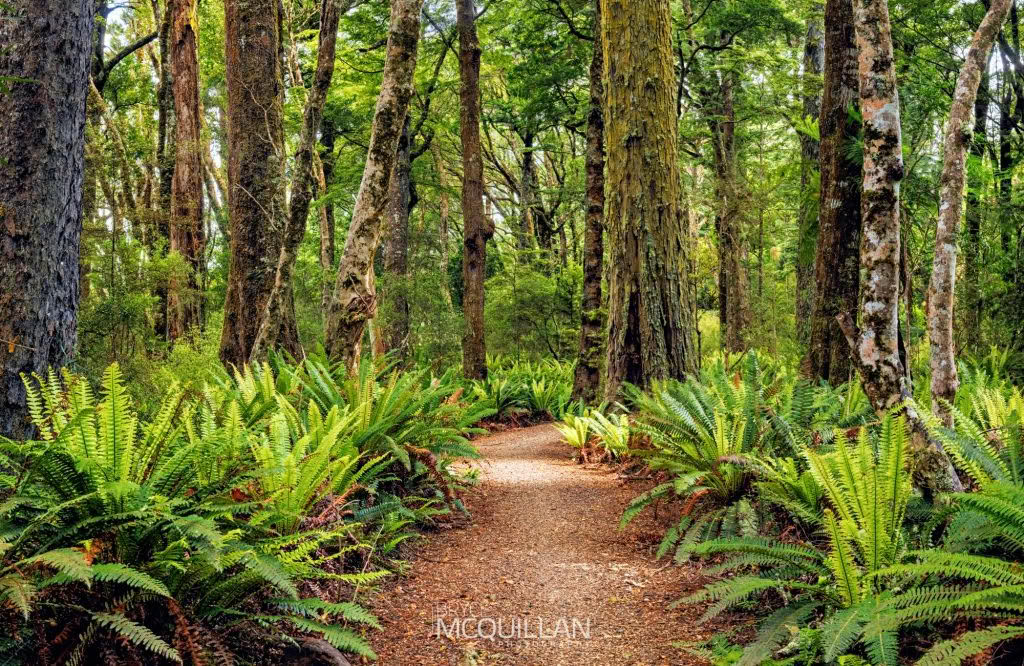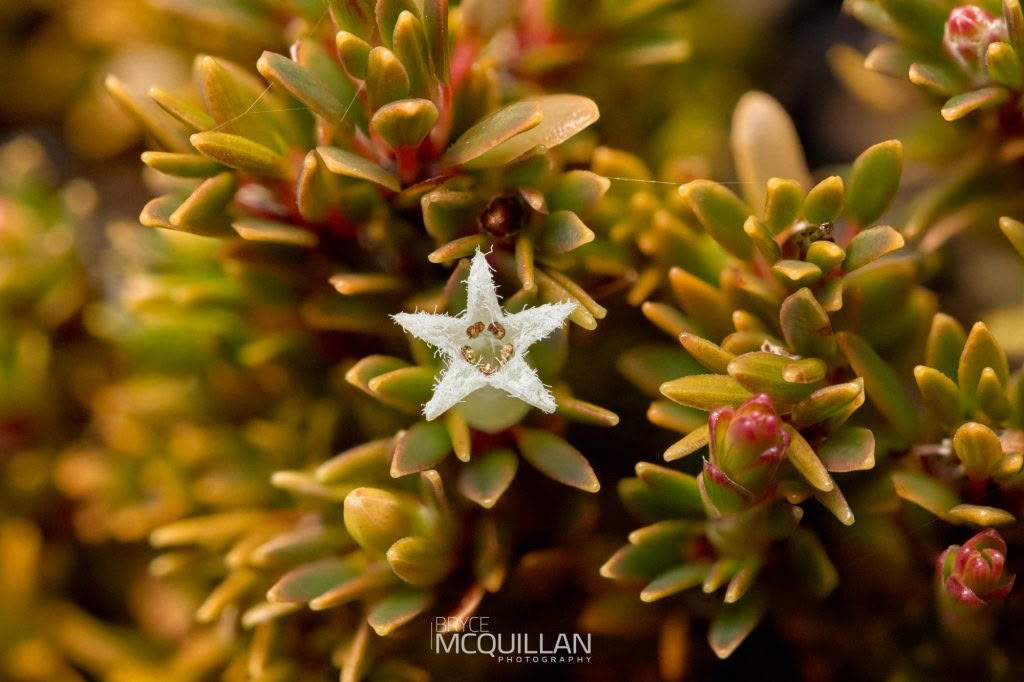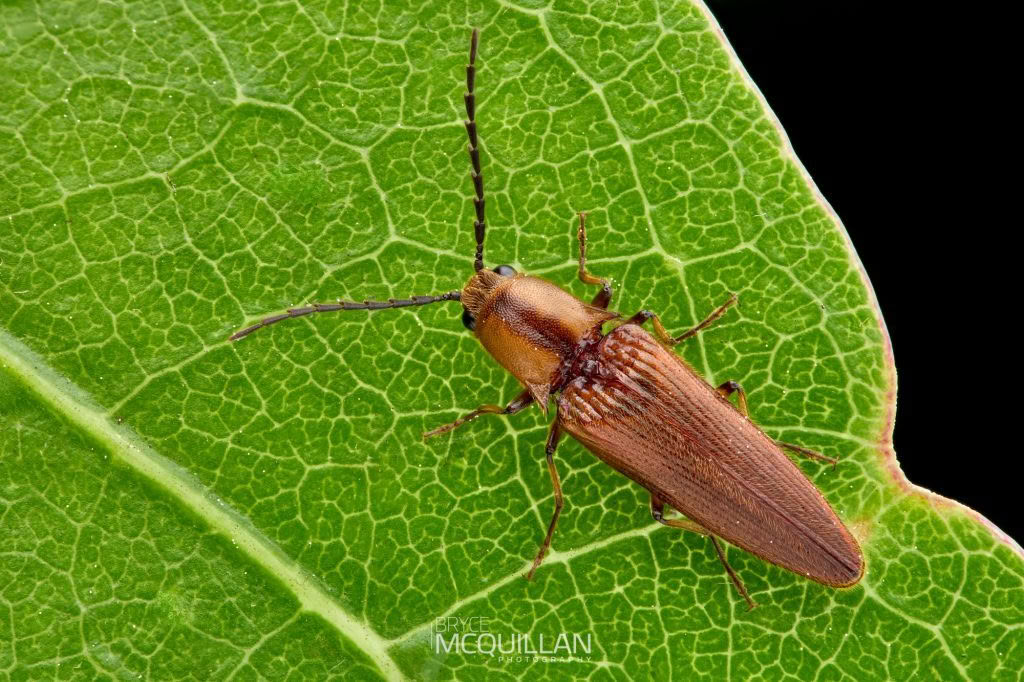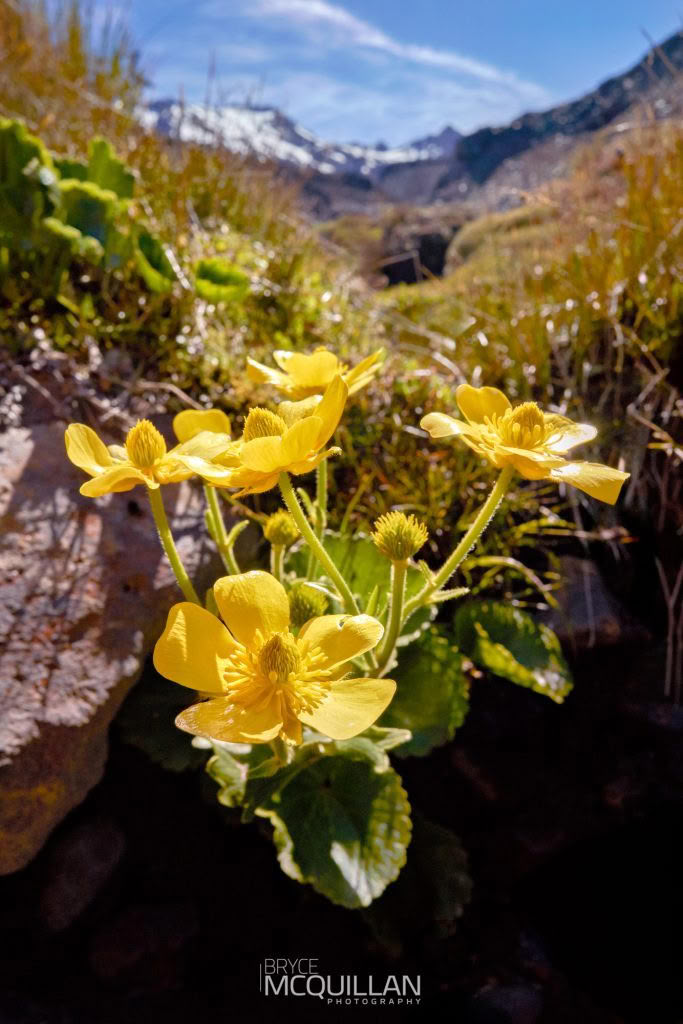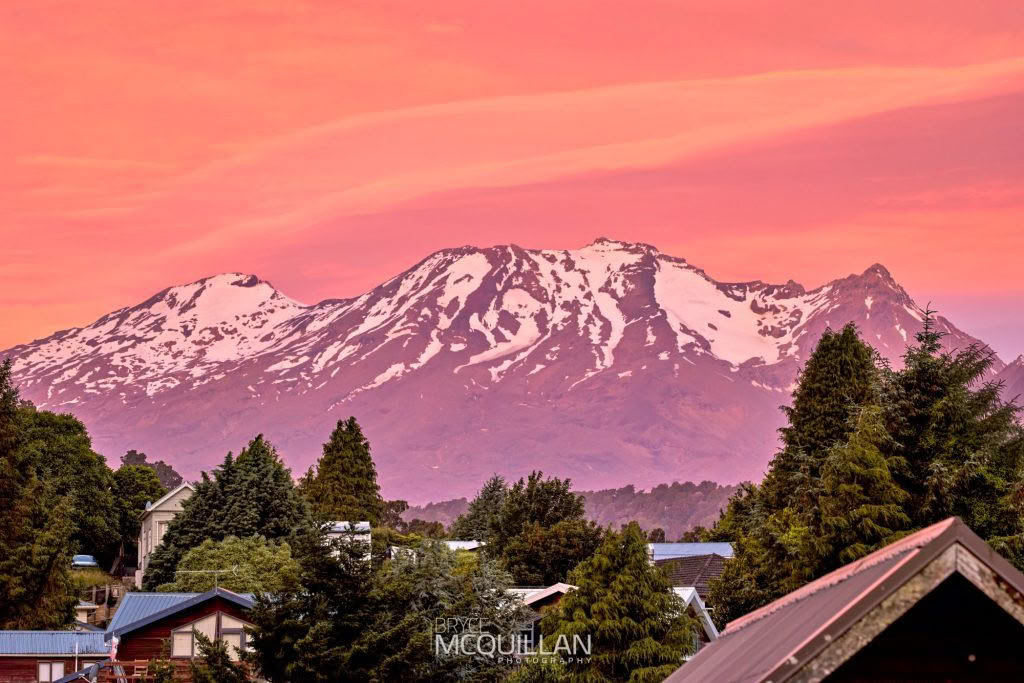
Below is a selection of my favourite images from 2025. Some are presented as short series, while others stand alone as personal favourites for a variety of reasons. At the begining of 2025 I was still heavily focused on finding beetles to complete a beetle identification book https://newzealandbooks.com/book/field-guide-to-beetles-of-new-zealand/ that I was working on with a friend. However sadly in April I knocked my head fairly hard, causing a world of issues and meaning that I was no longer able to photograph beetles on white backgrounds for at least seven months.
The knock to the head was also a good reset, I guess, allowing me to focus more on my health and wellbeing.
2025 was a busy year, with a trip to Australia to see my wife’s extended family and thoughout the year I was also running macro workshops in Tauranga and Auckland alongside Canon New Zealand. Mid 2025 I upgraded to a Canon R5 MKII camera and a Canon EL-1 speedlite, which opened up a whole new way of taking macro photos for me, it was a complete game changer in how I could now photograph and document species.
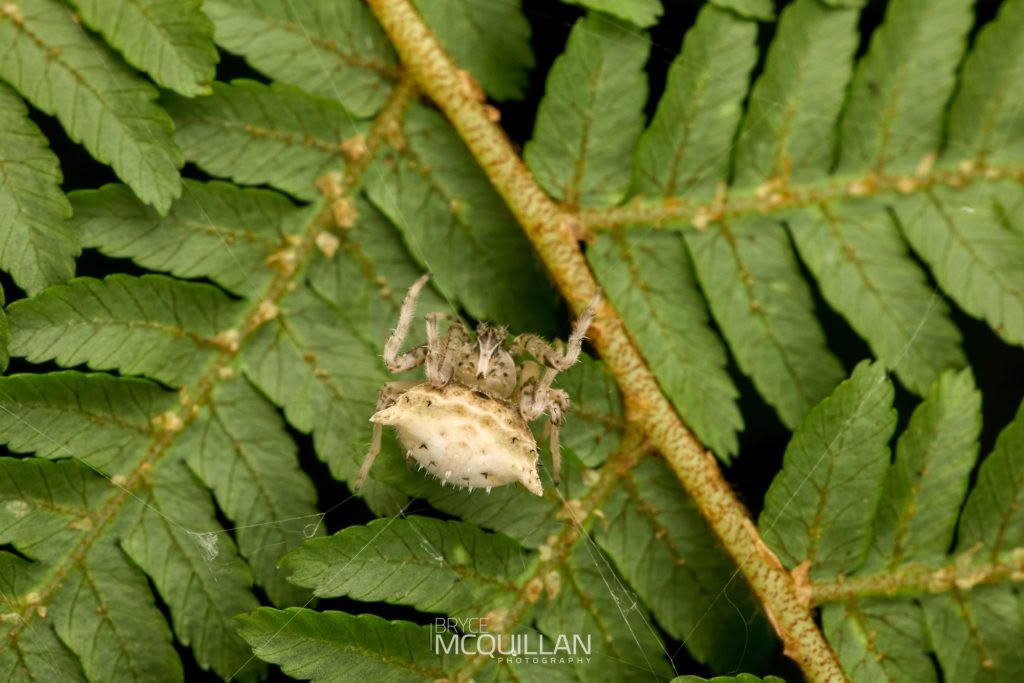
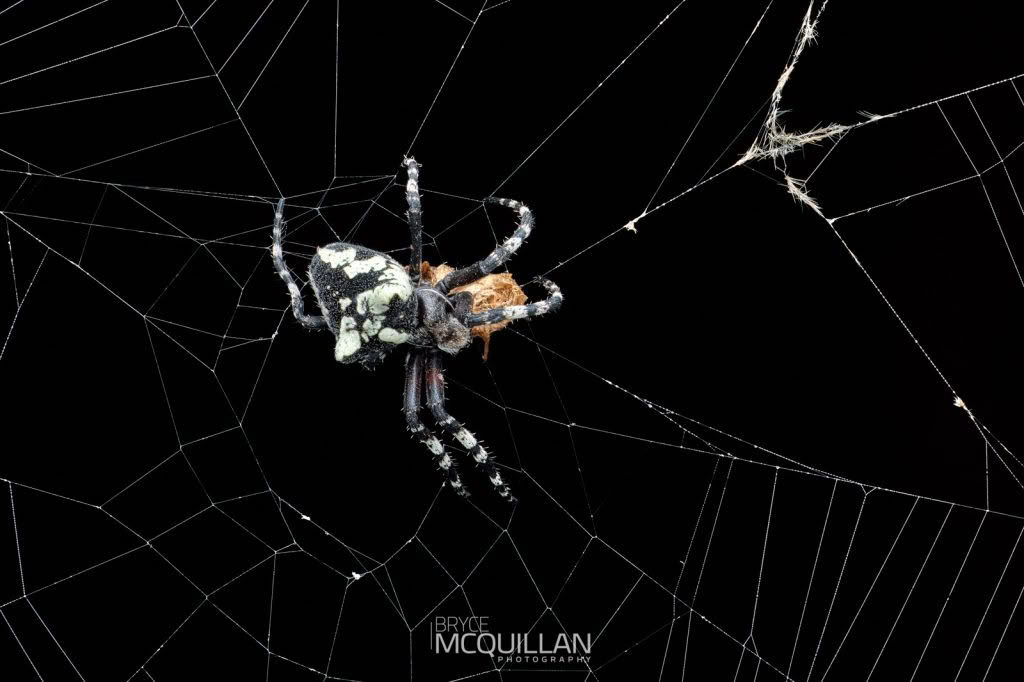
This set of photos opens with three images of a female Celaenia atkinsoni alongside a cluster of egg sacs. This bird-dropping spider is a species I had rarely photographed in situ, so finding her and being able to document the distinctive egg sacs was particularly rewarding. A few weeks later, I was fortunate to encounter another Celaenia sp., however I am not a 100% sure on the species identification.
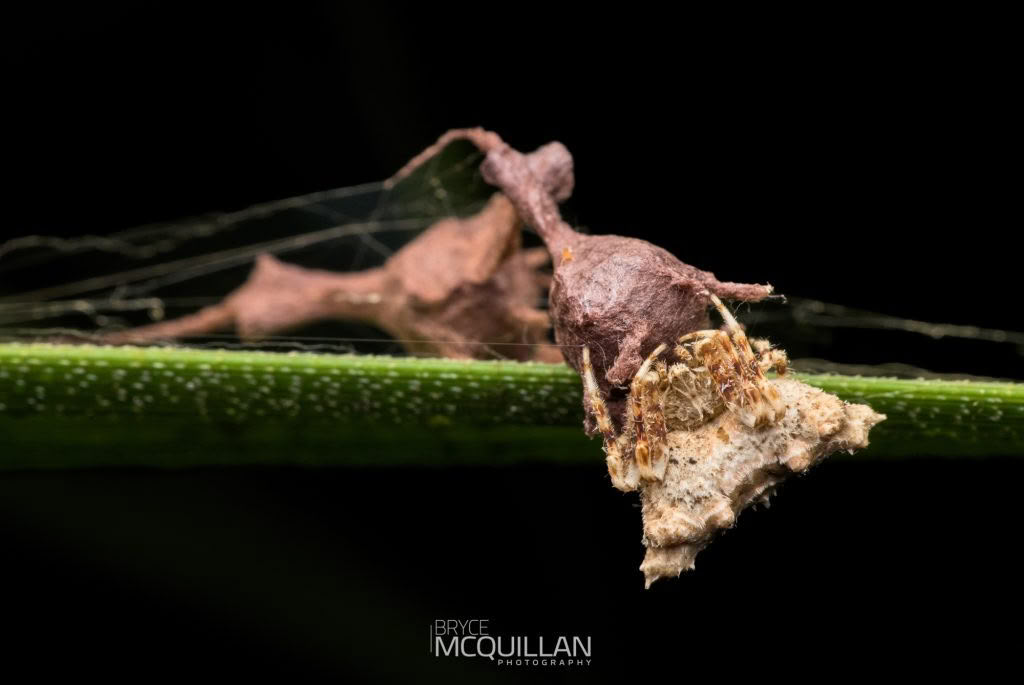
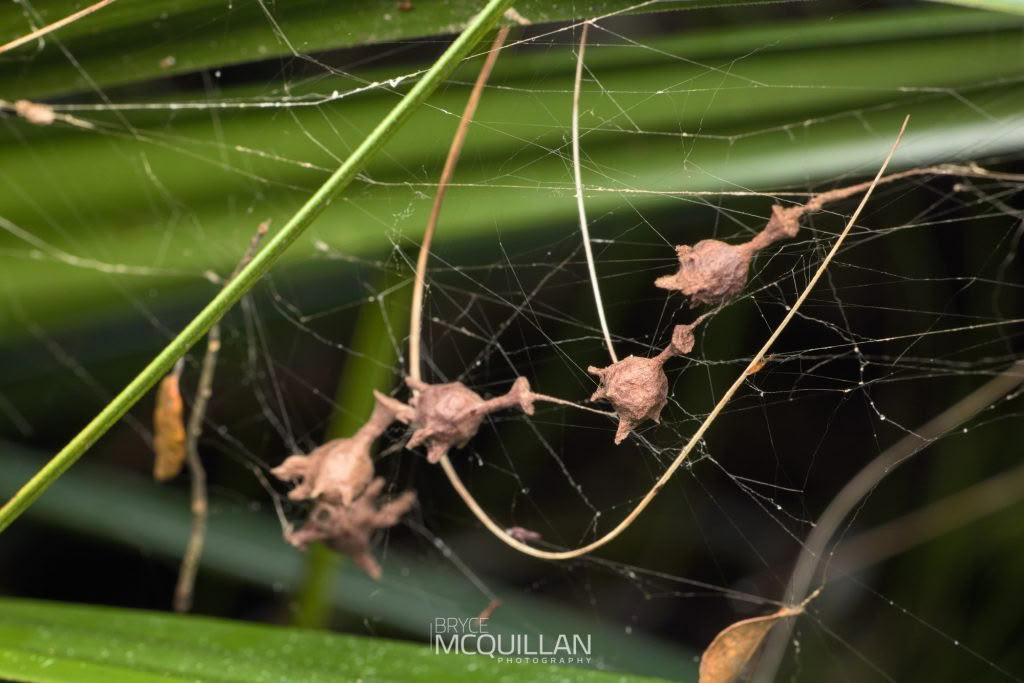
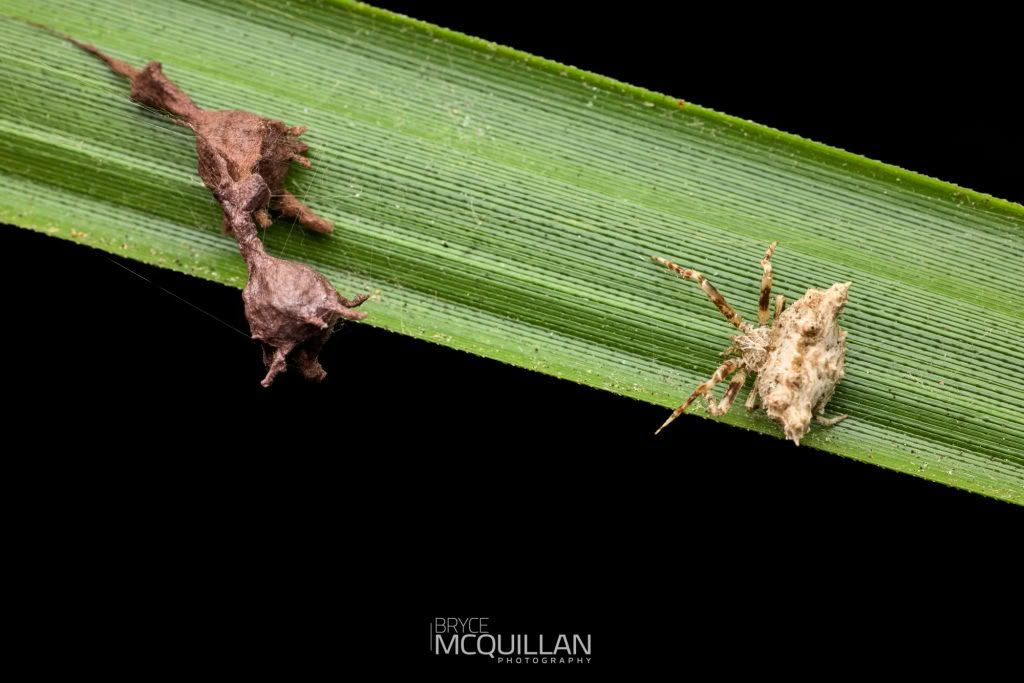
Celaenia atkinsoni with eggsac, endemic to New Zealand – Jubilee Park Walkway, Ohakune, New Zealand.
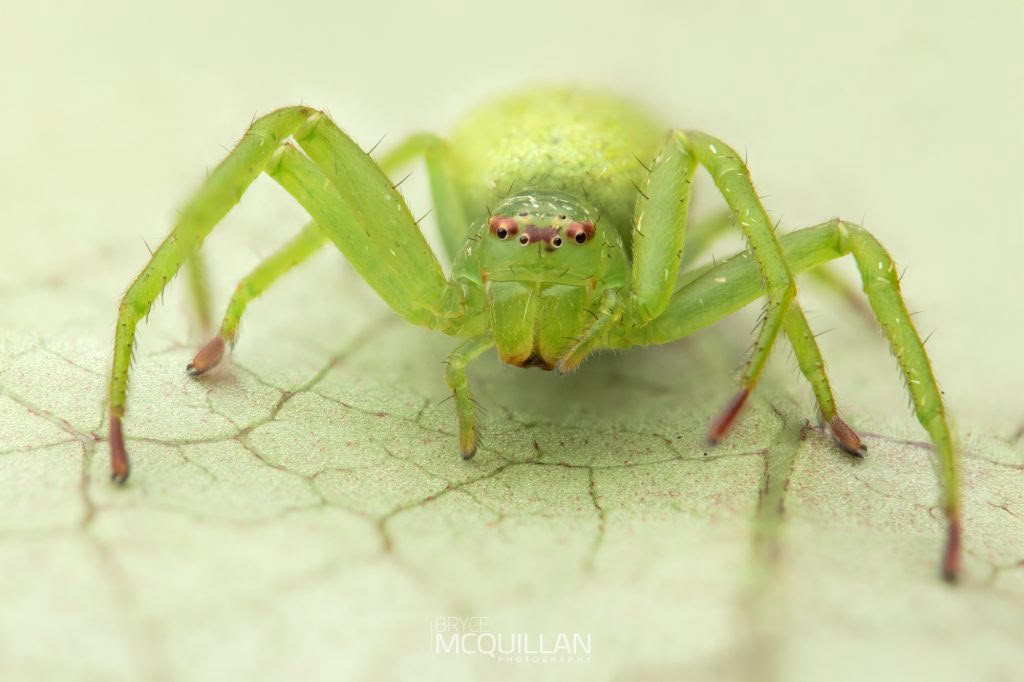
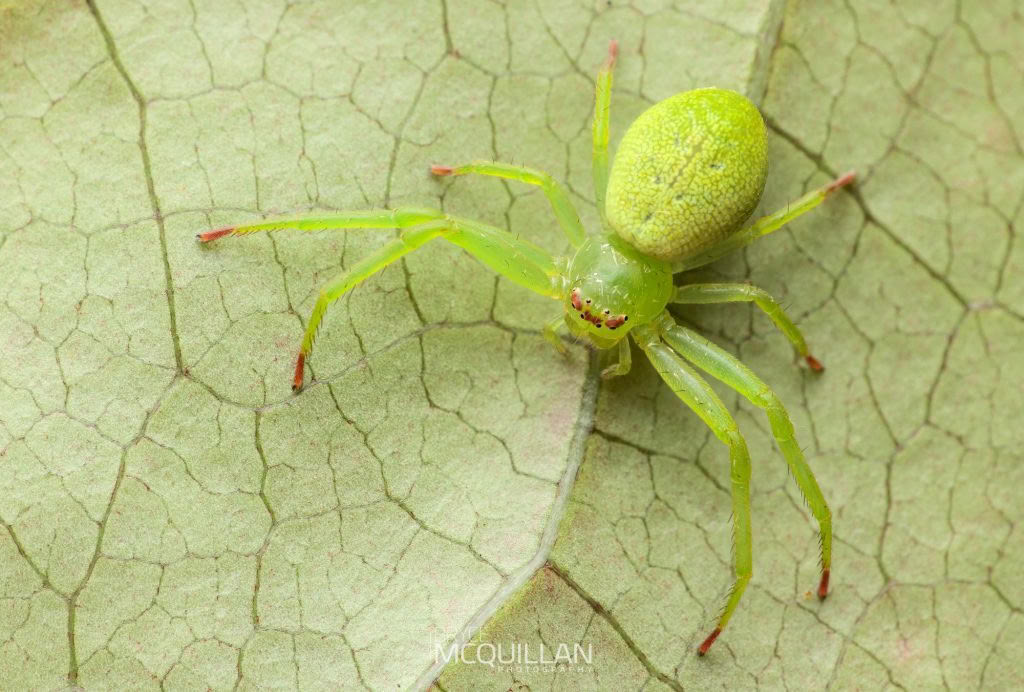
Large green crab spider (Diaea sp.)
This was a great find by Angela one night. I had never seen a Diaea sp. of this size before. It was genuinely exciting to photograph, as I am always particularly keen to find and document species I have not previously photographed, especially when it comes to invertebrates.
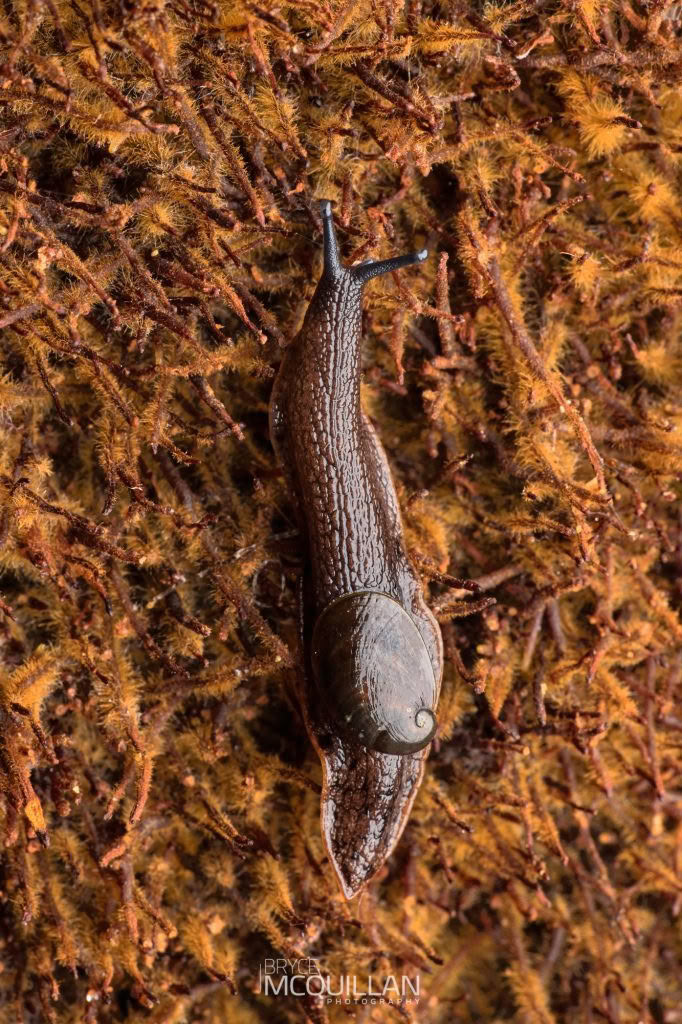
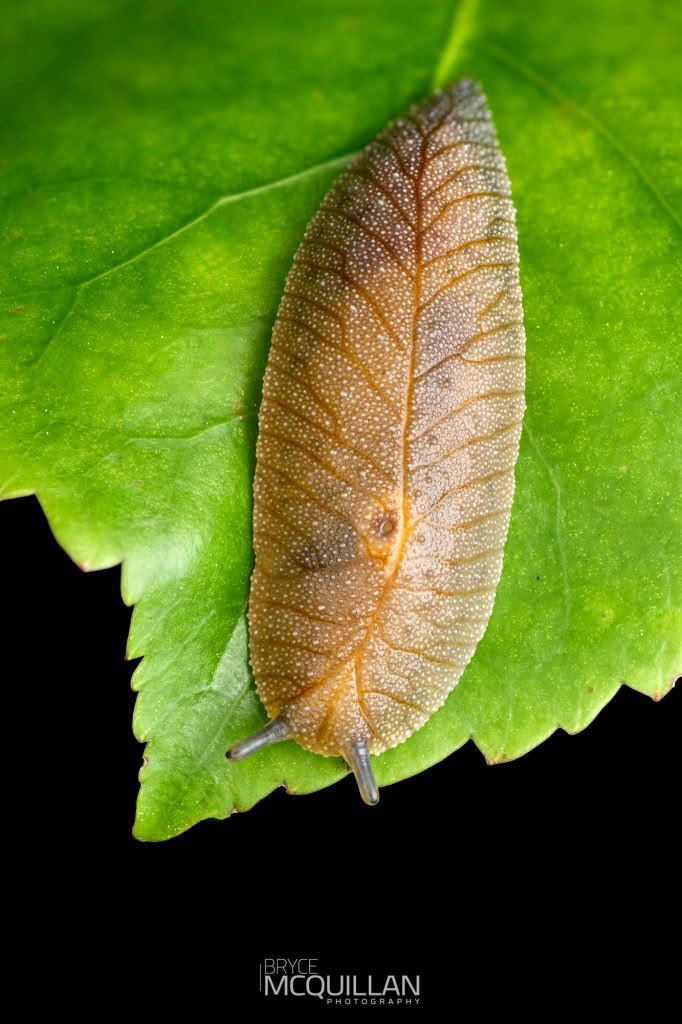
Pāua slug (Schizoglossa sp.)
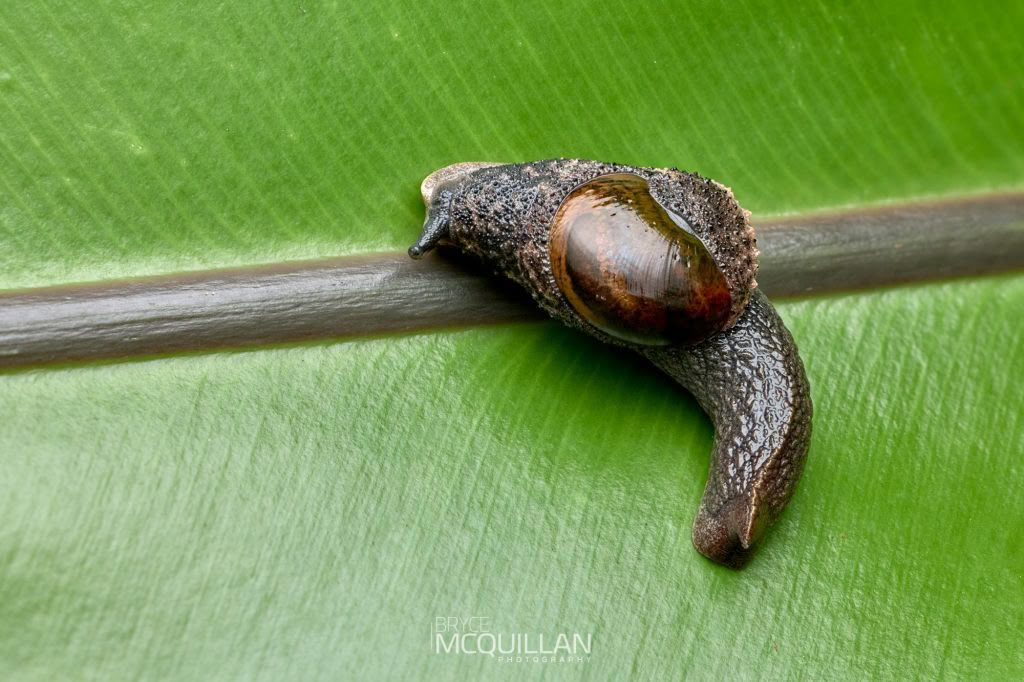
Tongariro National Park, in the central North Island, is home to a remarkable range of New Zealand’s unique flora and fauna. While the birdlife is outstanding, the park also supports diverse and often overlooked invertebrates. One that appears to be relatively common throughout the park is New Zealand’s distinctive carnivorous slugs, the pāua slug (Schizoglossa sp.).
The pāua slug is a medium to large snail that feeds on earthworms and Otoconcha sp. (a uniquely adapted New Zealand slug, that has a ingrown shell-like structure). Pāua slugs and Otoconcha sp. can both be found along many of the forest tracks within the National Park.
Most pāua slugs I have encountered over the years have often retracted and pulled in on themselves. I had been hoping to find and photograph one a bit more fully extended. On a wet evening, Angela and I were fortunate to come across a well-stretched individual on the trunk of a tree fern, while not the largest pāua slug we saw, it was nice to see it out and exploring.
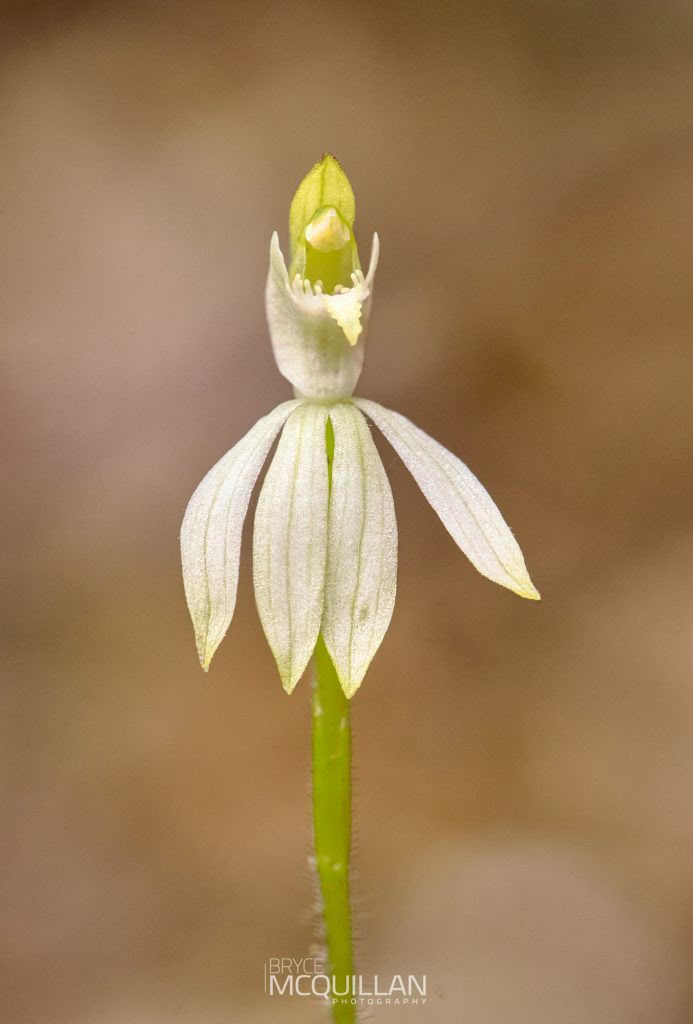
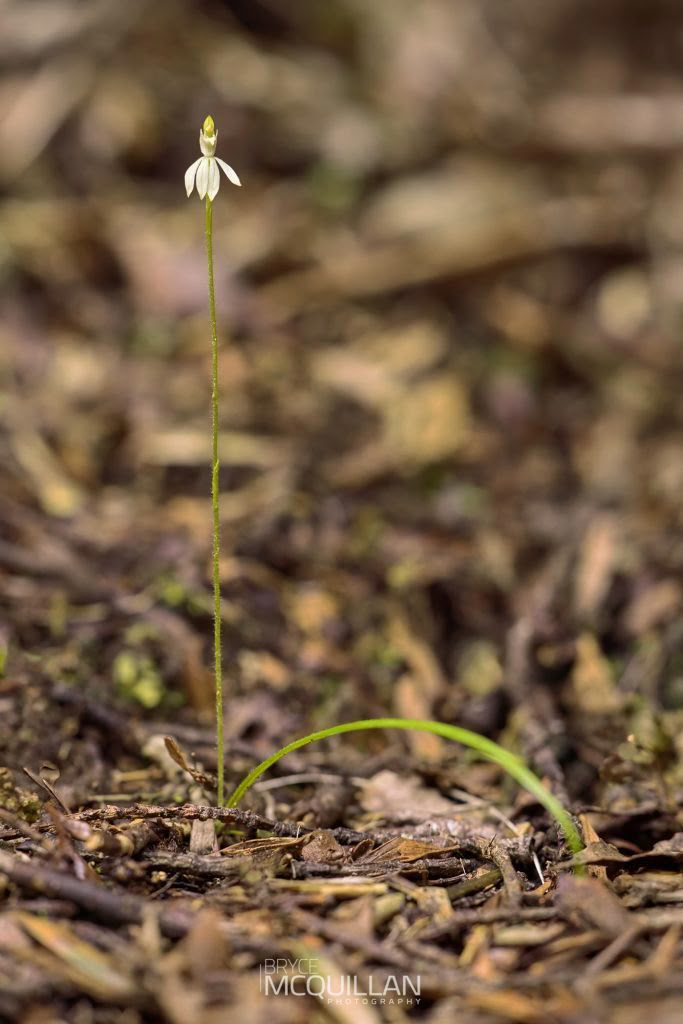
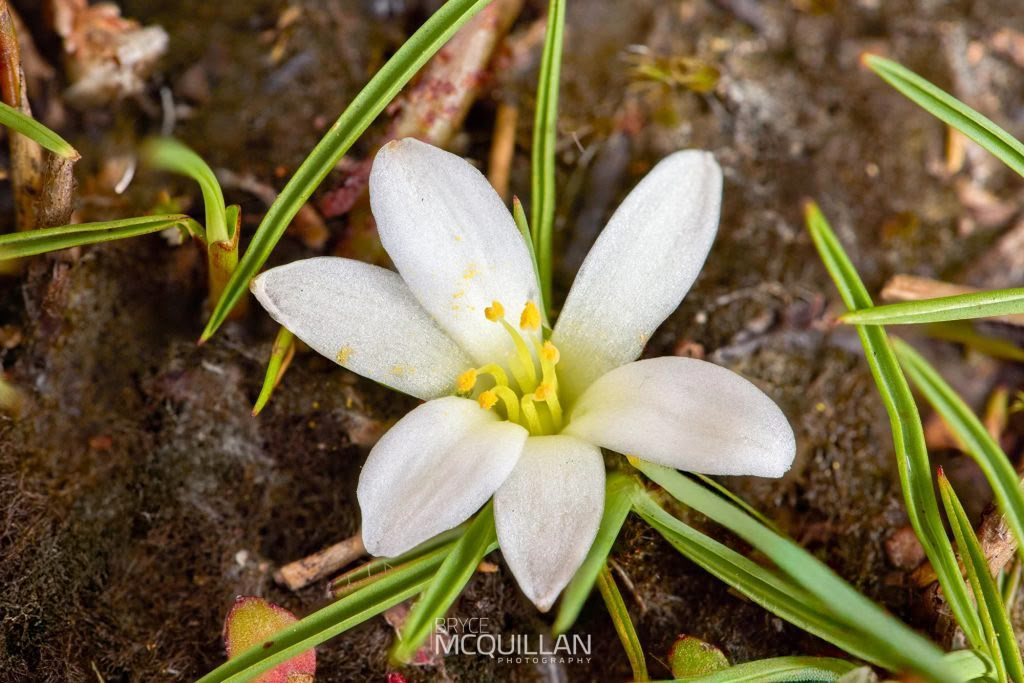
Caladenia nothofageti in flower
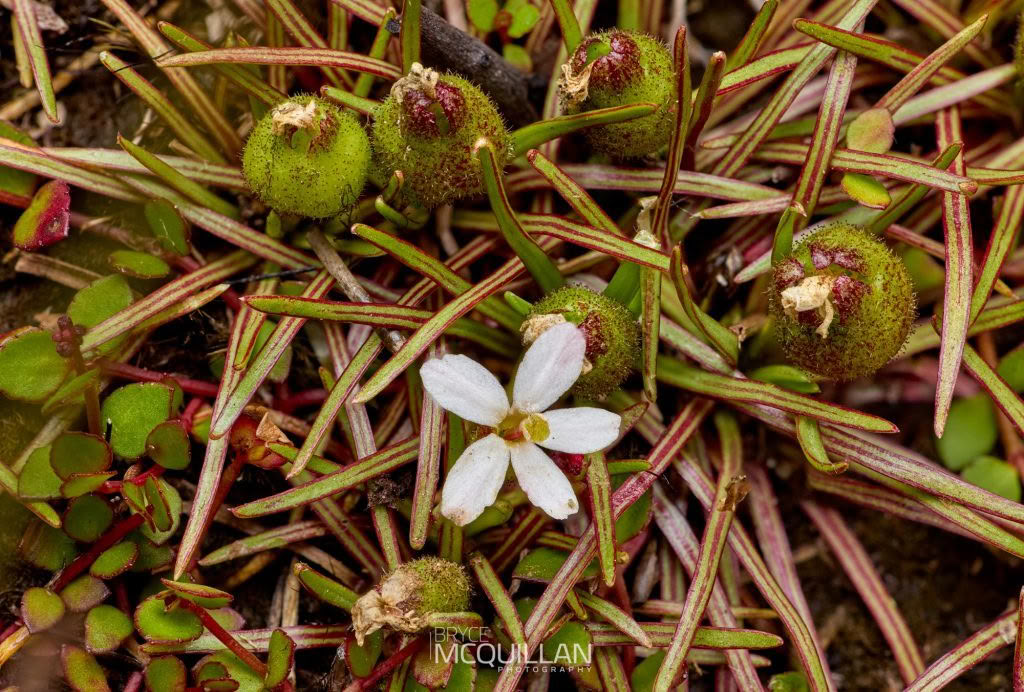
There is an extensive wetland behind Waimarino/National Park township, on the opposite side of the railway line, that supports a wide range of wetland plant species. We had visited this site briefly a few years earlier, during which we heard fernbirds and saw several pipits. This time, however, we did not hear any fernbirds and saw only one or two pipits. This time, our focus was on exploring the wetland in more detail and photographing some of the plant species present; Angela and I spent a good couple of hours exploring.
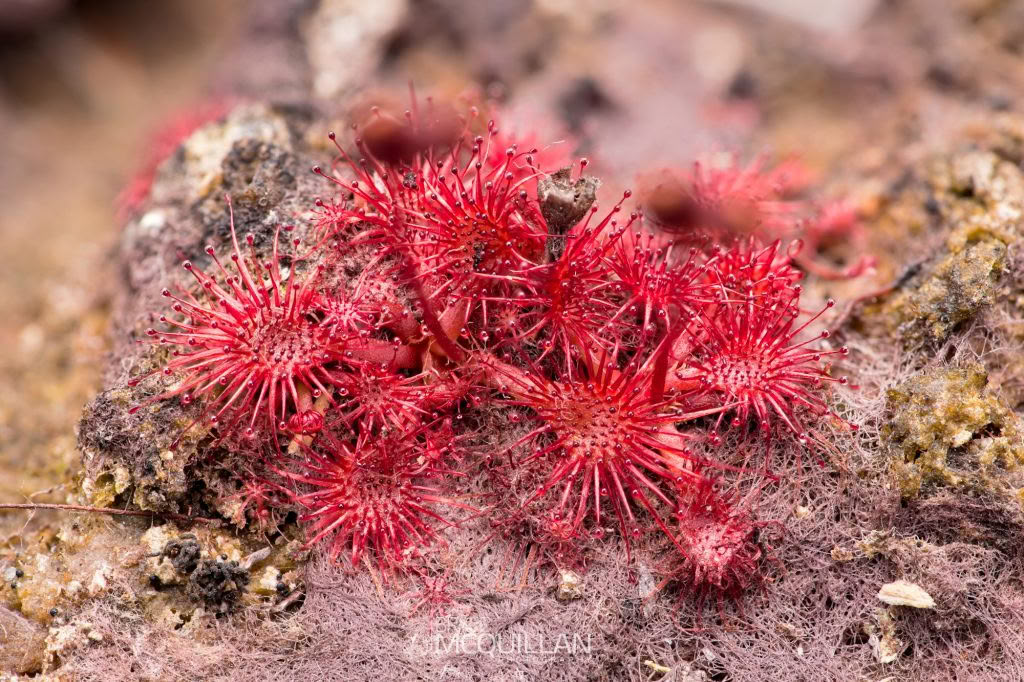
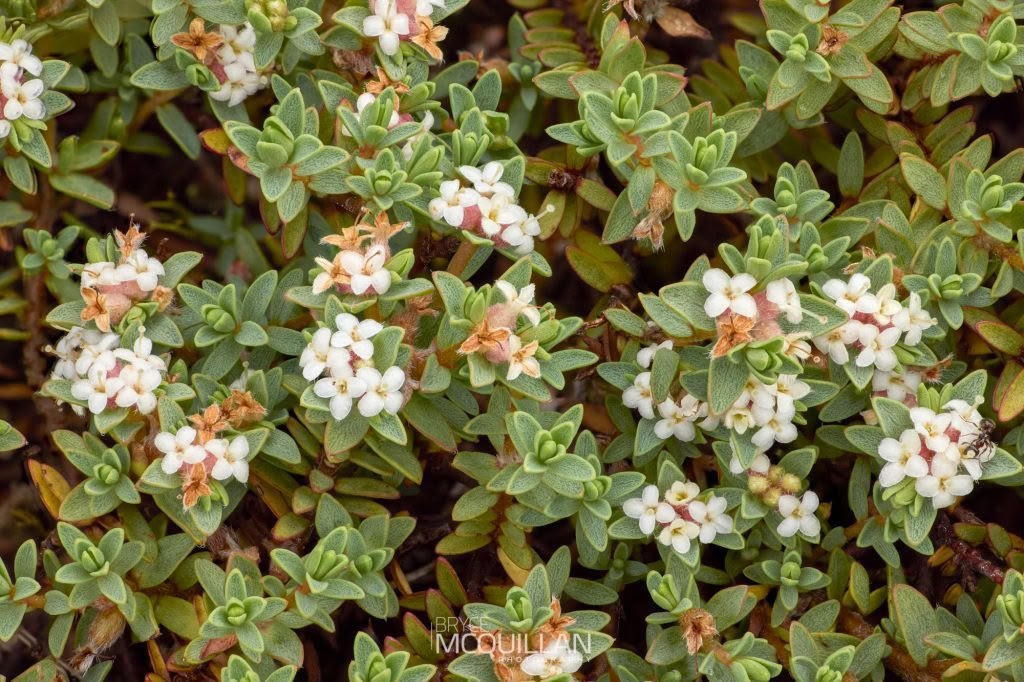
Among the species that stood out for me previously were the swamp orchids (Thelymitra cyanea). Sadly they had mostly finished flowering for this year, but there were sundews and several other wetland plants to photograph as shown below. Another orchid species, Caladenia nothofageti, was in full flower. This provided a great opportunity to capture both a full-plant image and a detailed close-up photograph of the flower itself.
Caladenia nothofageti in flower.
Some of the other plants from the wetland that day.
Scarlet mistletoe (Peraxilla colensoi)
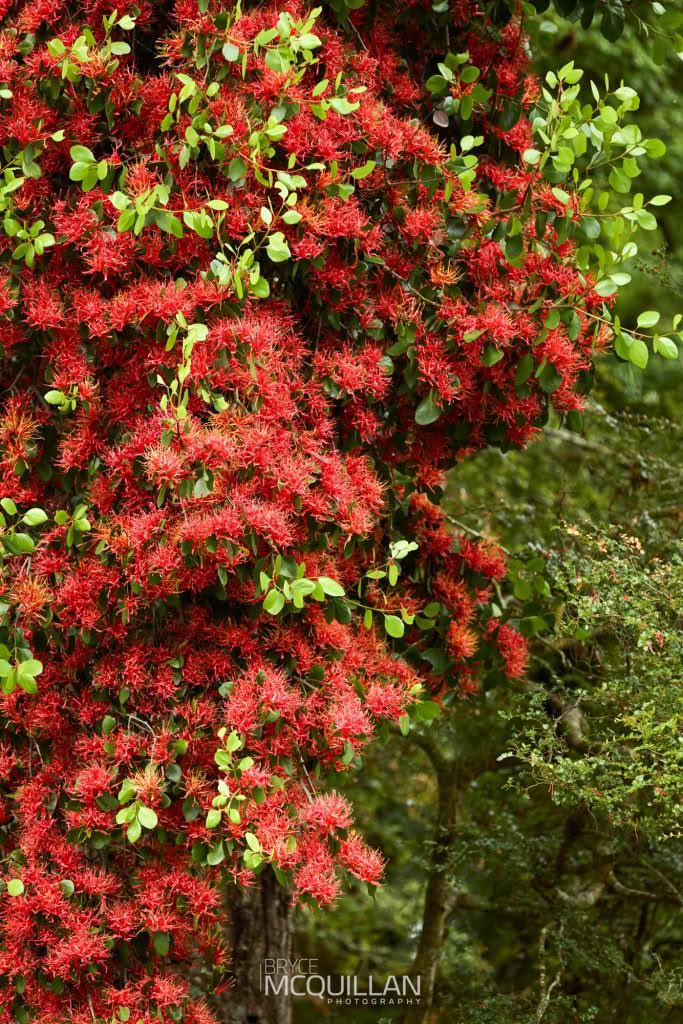
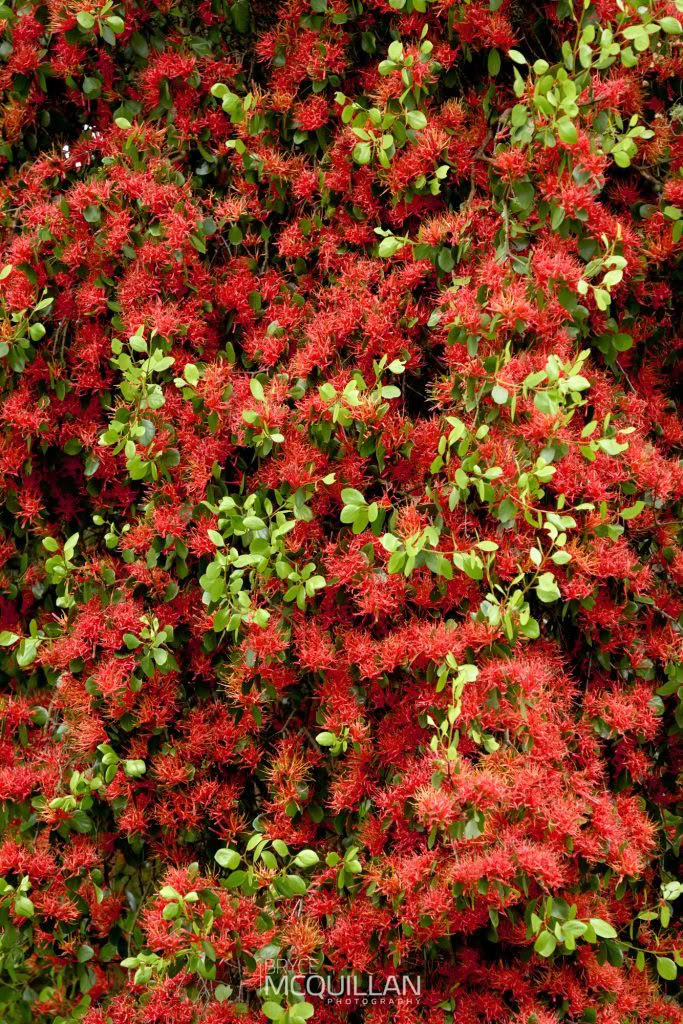
Over the 2024/25 Christmas and New Year period, we spent a couple of weeks camping in Ohakune. During this time, we explored a number of local reserves, and on one afternoon drive we unexpectedly came across a mistletoe in full bloom. I had never seen mistletoe flowering like this before, which made it particularly exciting. Unfortunately, there was no safe place to stop, so the images were captured from the car window as we passed by.
Scarlet mistletoe (Peraxilla colensoi) – in full flower below.
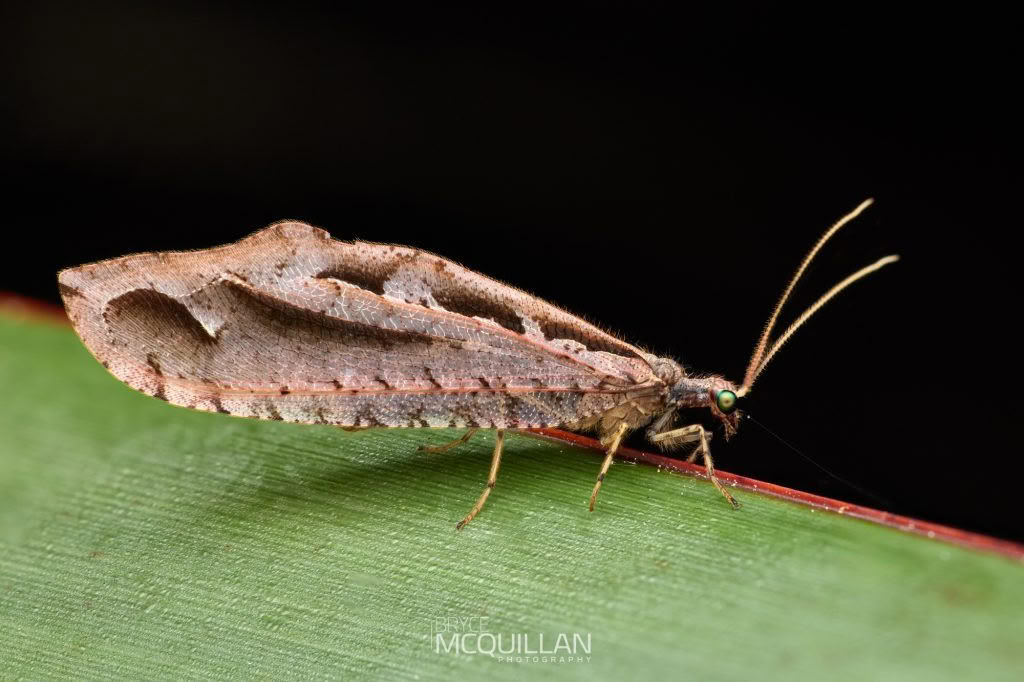
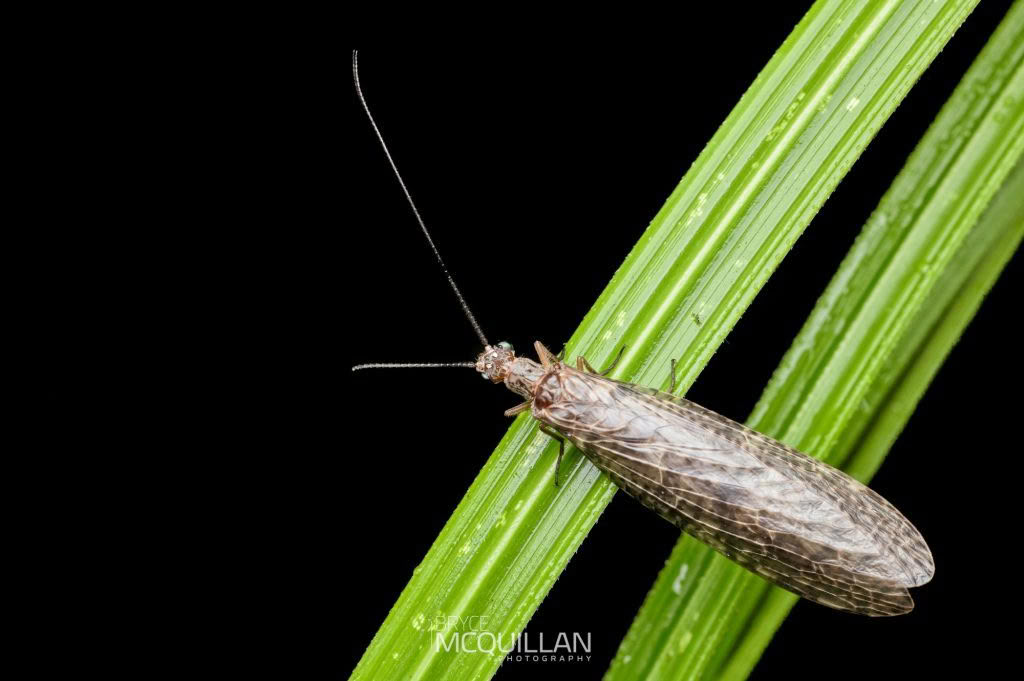
New Zealand dobsonfly (Archichauliodes diversus)
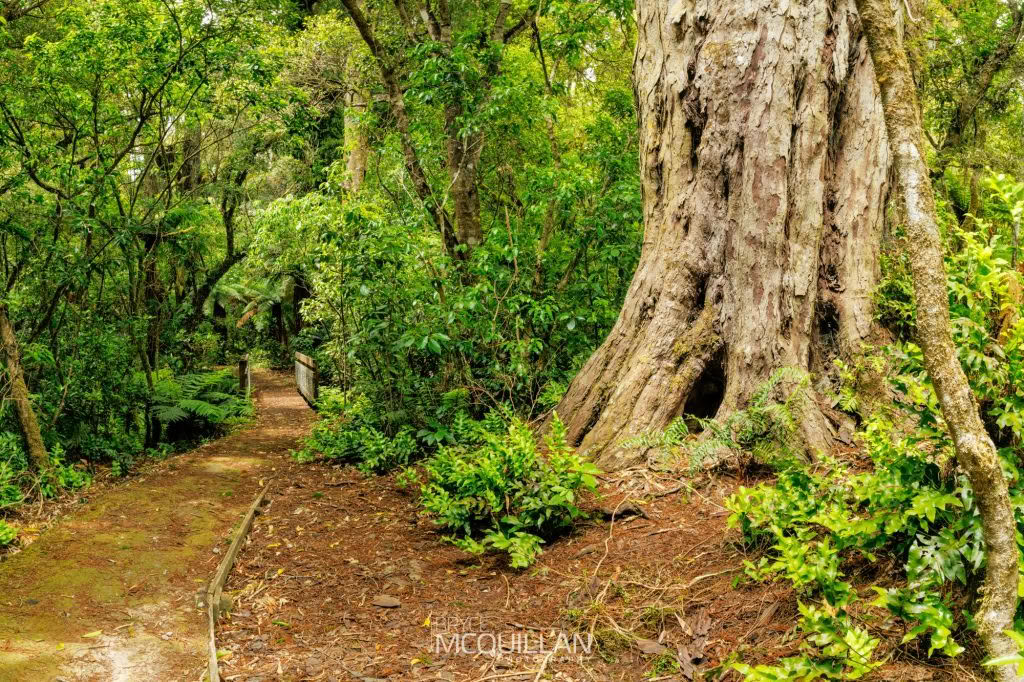
At night, along the stream opposite our campsite, the Jubilee Park Walkway offered a short but rewarding forest walk with a wide range of invertebrates. These included velvet worms (Peripatus sp.), pāua slugs, stick insects, an abundance of ground wētā, and numerous spider species. However, one species we encountered almost every night during our couple of weeks in Ohakune was the large New Zealand dobsonfly (Archichauliodes diversus).
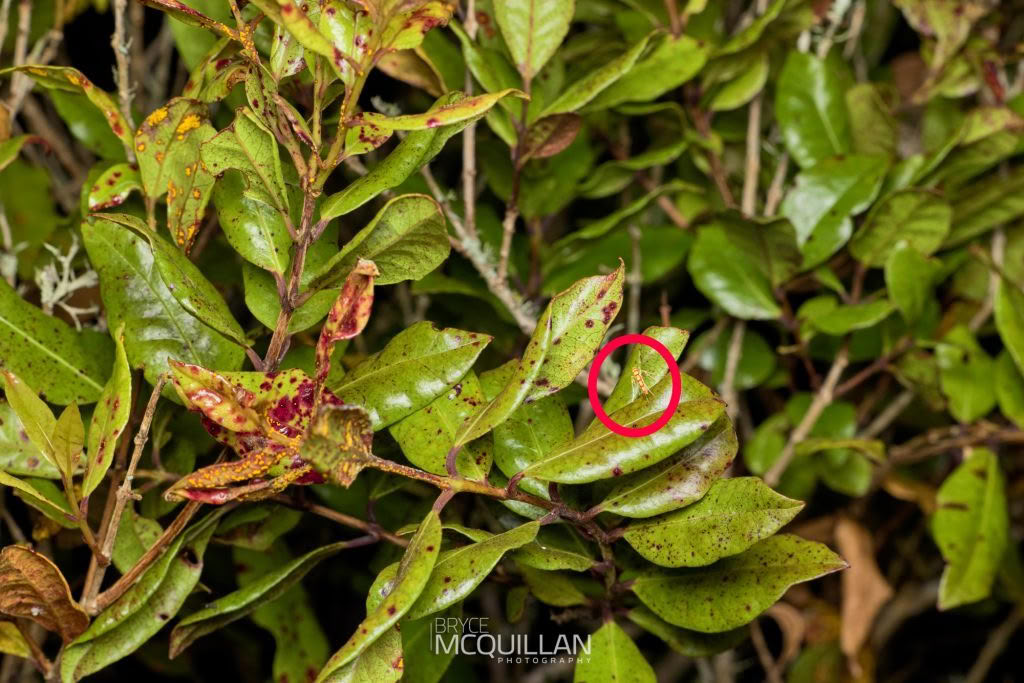
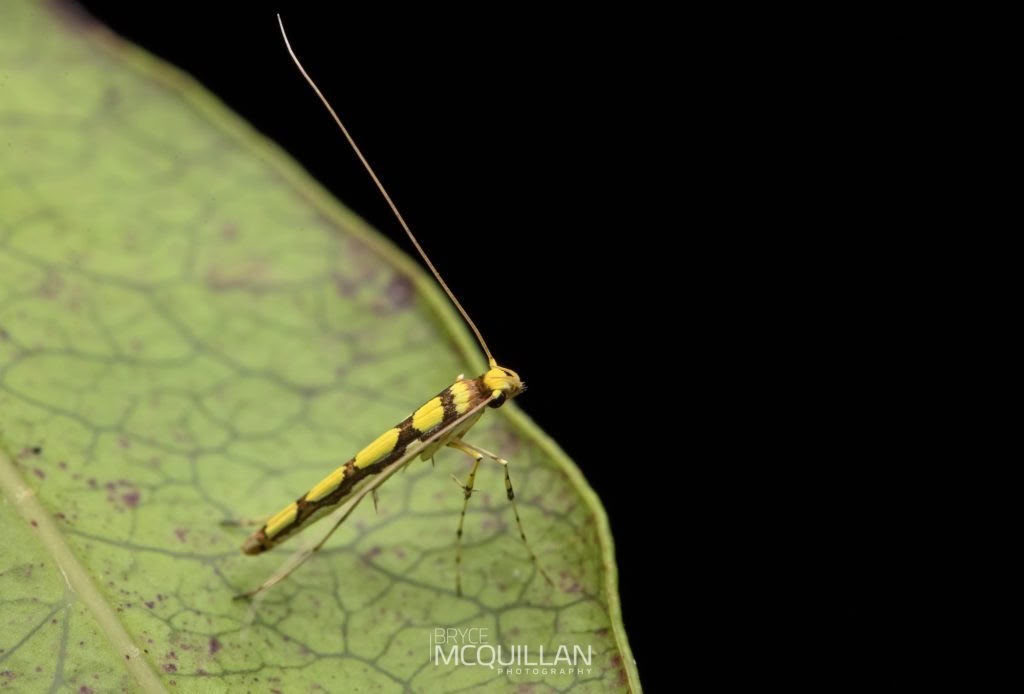
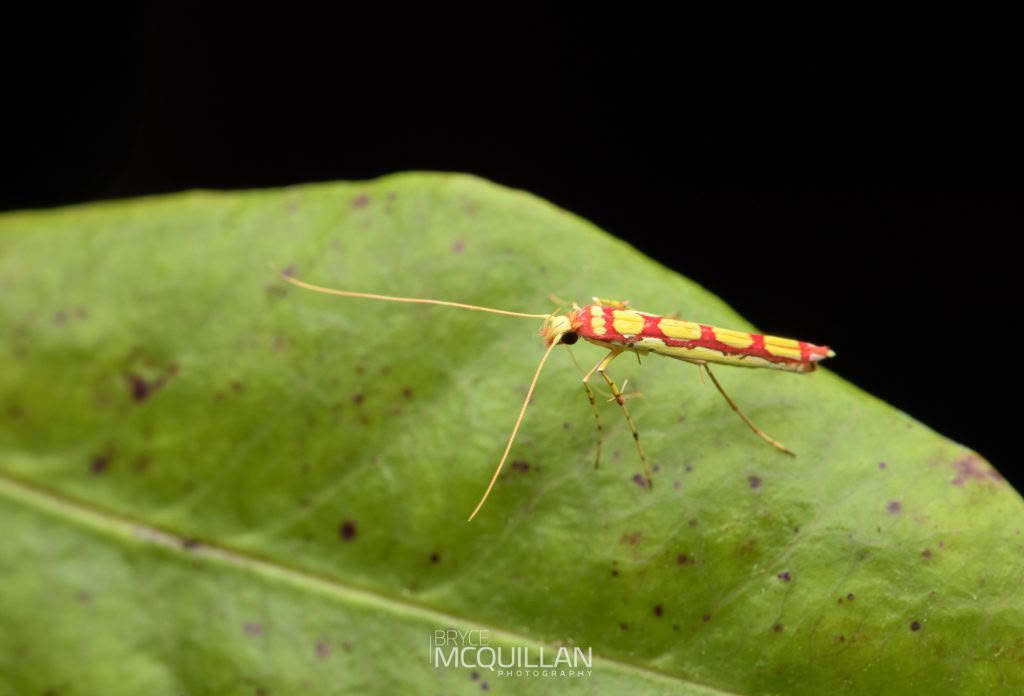
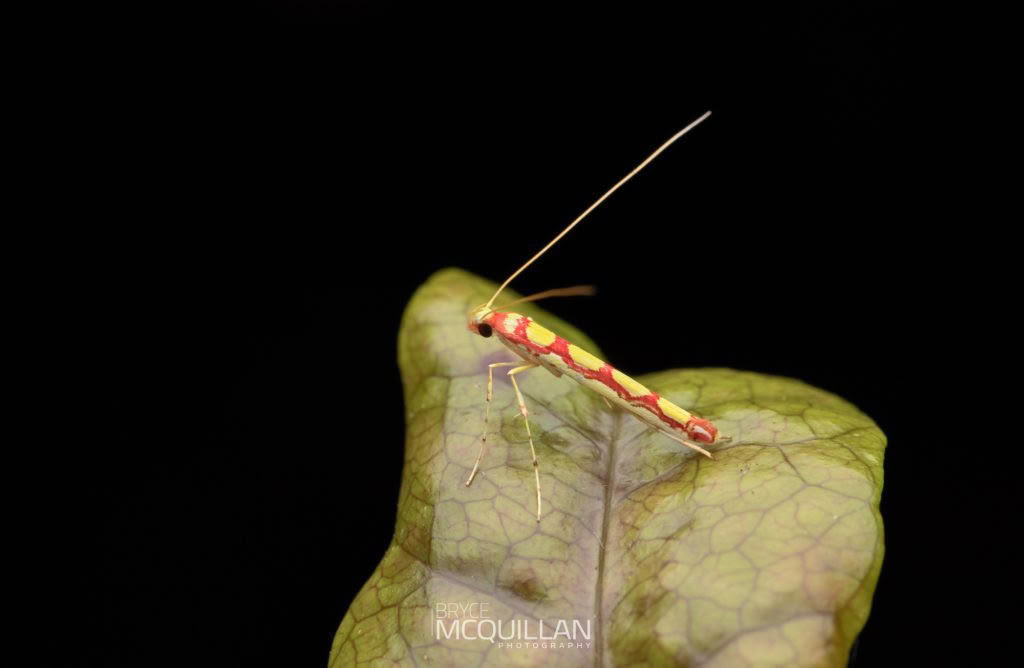
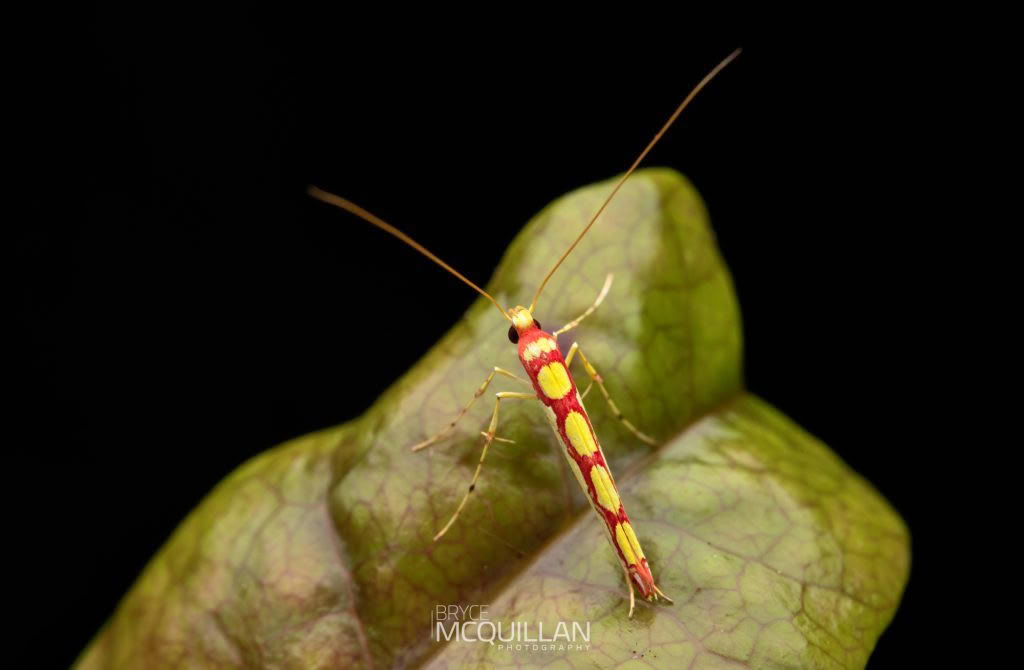
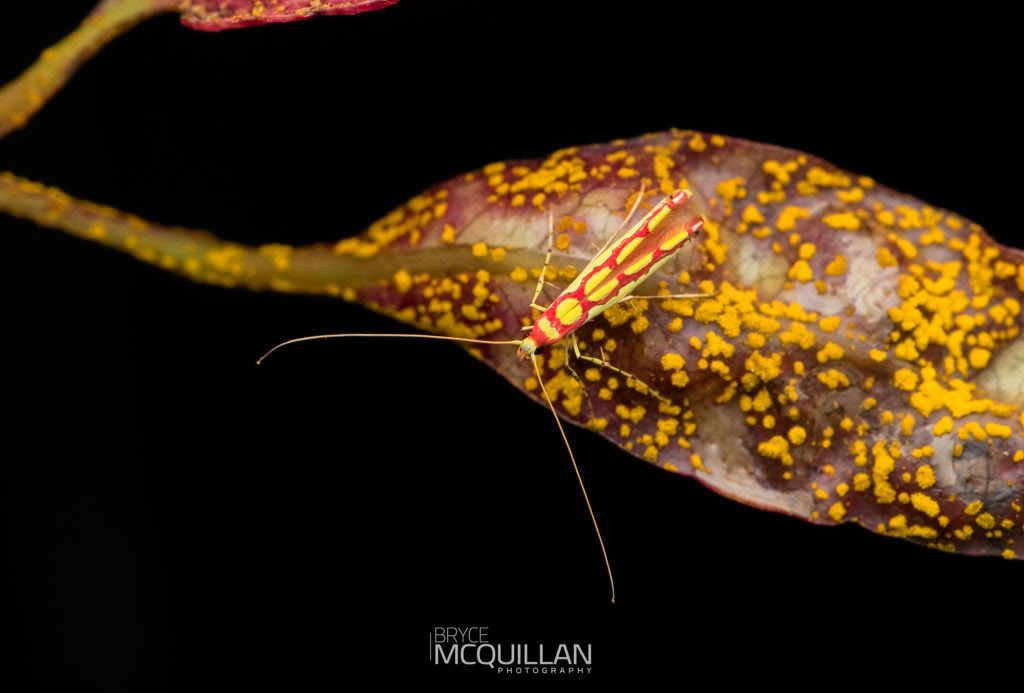
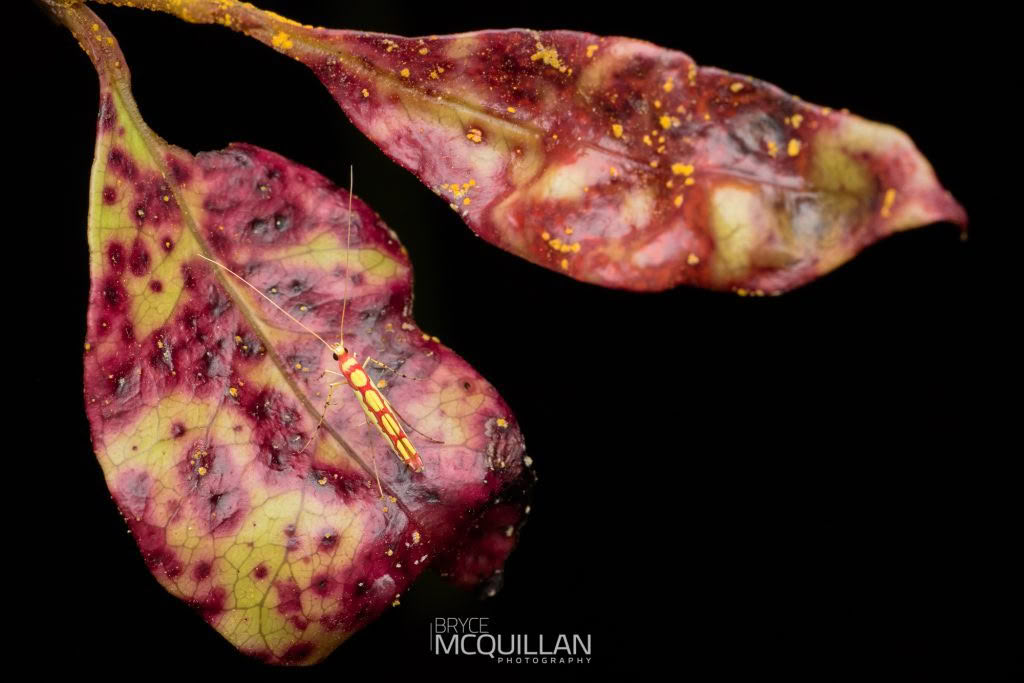
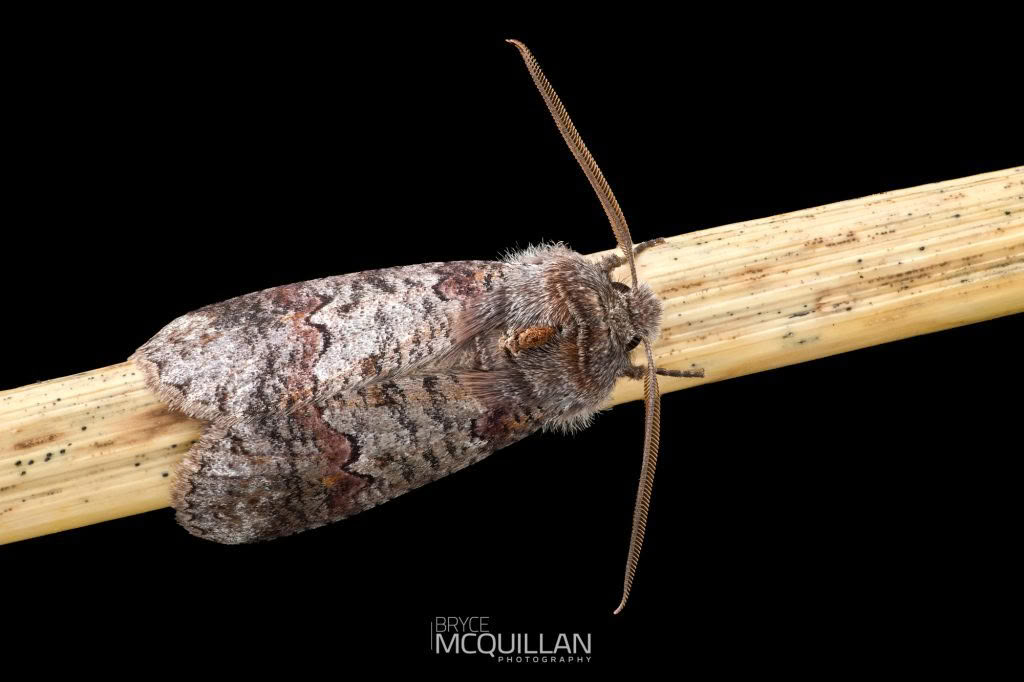
Swamp marie moth – on Myrtle rust
Later in the year, Angela and I were keen to visit a stand of swamp maire trees (Syzygium maire) in Hamilton, where a population of swamp maire moths (Macarostola miniella) is known to occur. What we were not prepared for was the extent to which the trees had been affected by myrtle rust (Austropuccinia psidii). Seeing these beautiful endemic moths landing on foliage that was visibly impacted by the rust was quite confronting. We both came away feeling a bit dishearted.
While the situation was upsetting, it did allow for the creation of powerful images. Swamp maire is already under significant pressure from habitat loss and the added impact of myrtle rust means the outlook for this species is increasingly uncertain. Its current conservation status is Threatened-Nationally Vulnerable (2023).
This ongoing decline of the tree is likely placing the swamp maire moth at risk as well because swamp maire is currently the only known host plant for this endemic moth species in New Zealand.
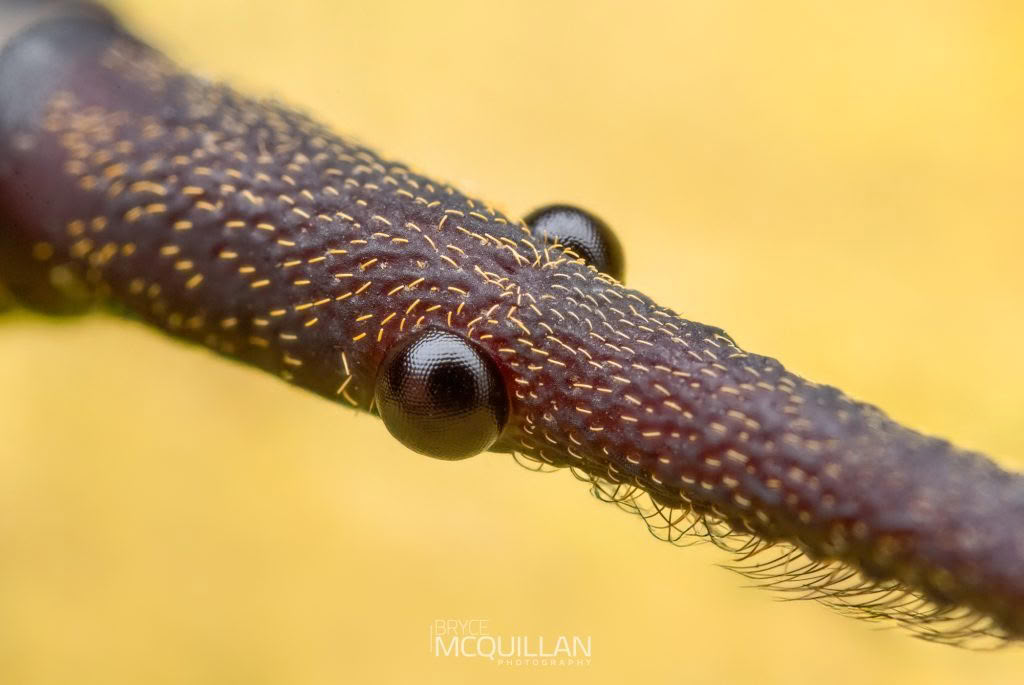
Male New Zealand giraffe weevil (Lasiorhynchus barbicornis)
This year proved to be a strong season for giraffe weevils at a local reserve that I regularly visit in Rotorua. One evening, I went there with a couple of friends, Brian and Connor. Brian was particularly keen to photograph an adult giraffe weevil, a species he had not photographed much before. Having visited the reserve several times in the weeks before, I was fairly confident there would still be one or two around.
Fortunately, that proved to be the case, and we found a male giraffe weevil. I took the opportunity to capture a different perspective by focusing in close on the weevil’s eyes. Much to my surprise, this image became very popular on Instagram, receiving over 6,000 likes, and even prompted interest from someone wanting to have it printed on a T-shirt.
Small night walks throughout summer
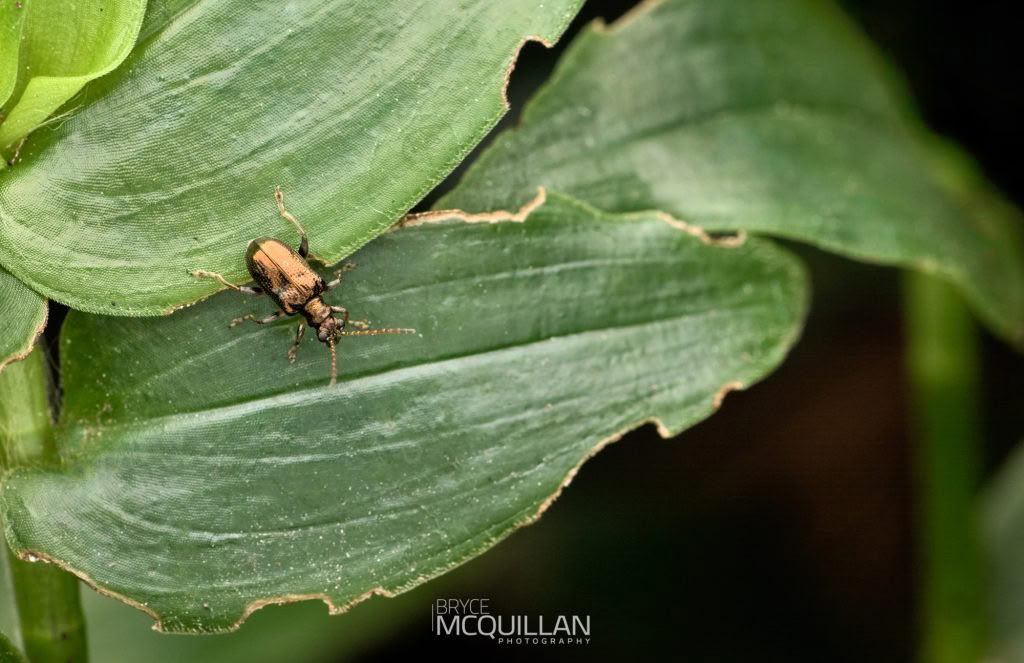
Throughout January and February, I did a number of small walks in the Redwood Forest in Rotorua. Many of these outings were with others, most often Brian, Connor, Davide, or Angela. Below is a small selection of some of the species I photographed during that period.
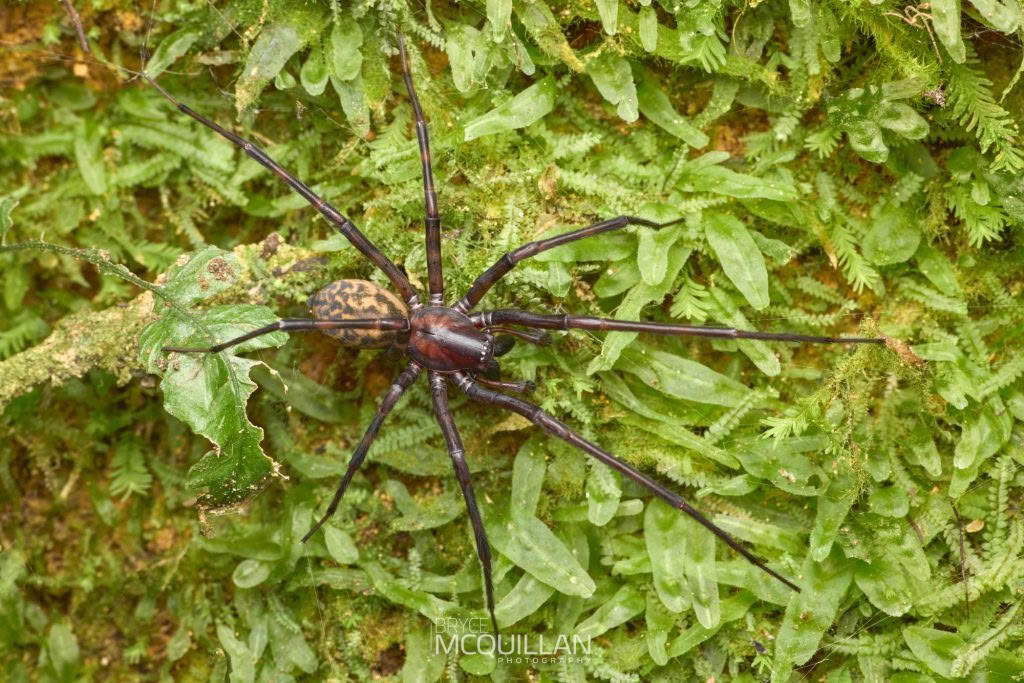
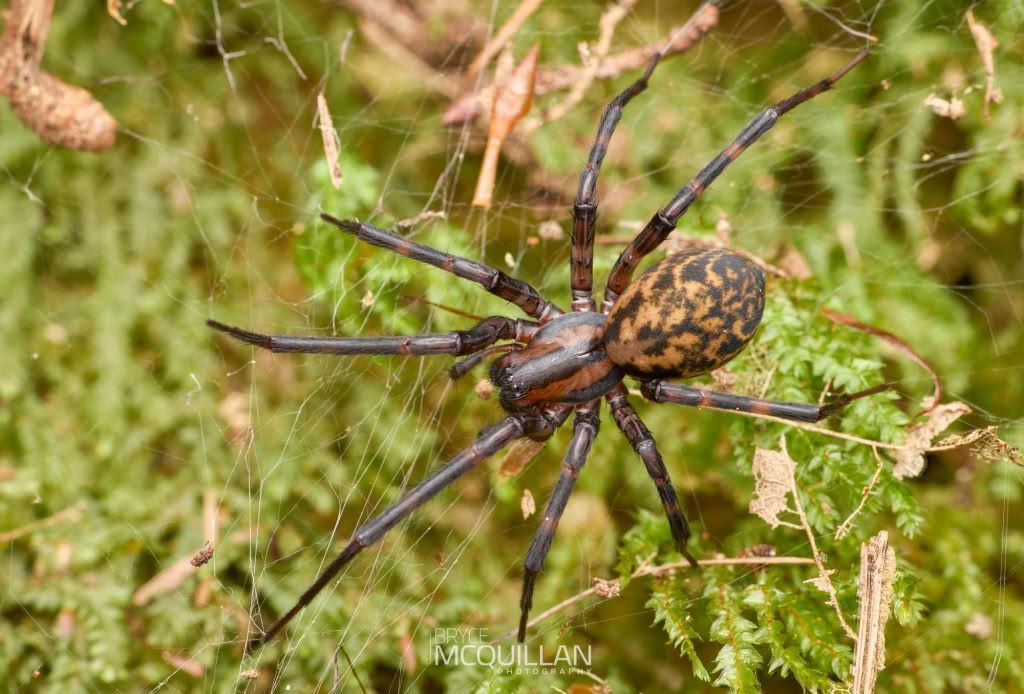
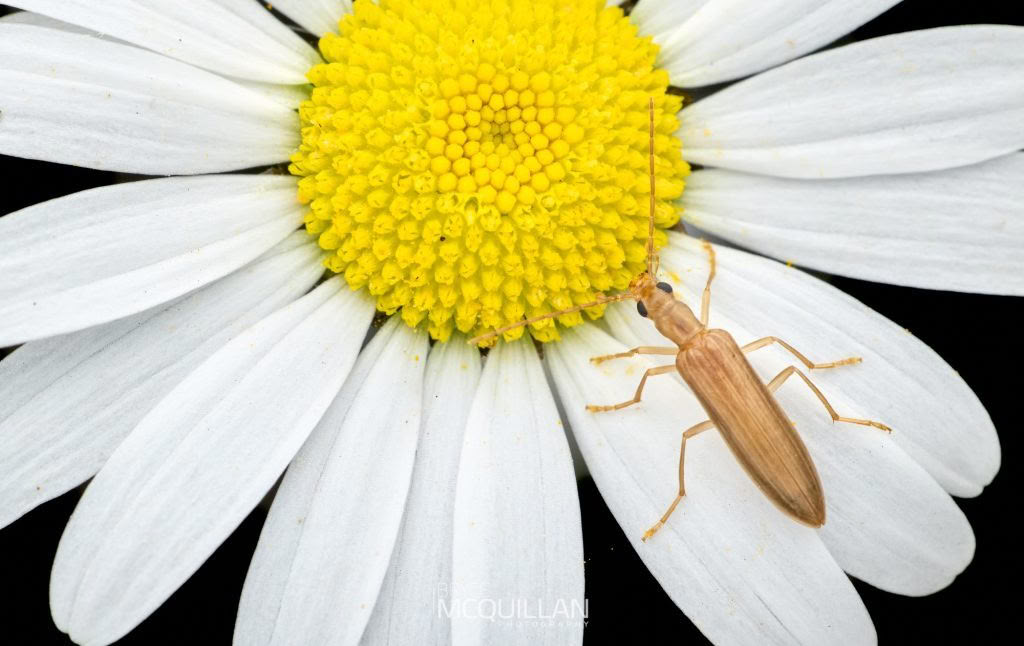
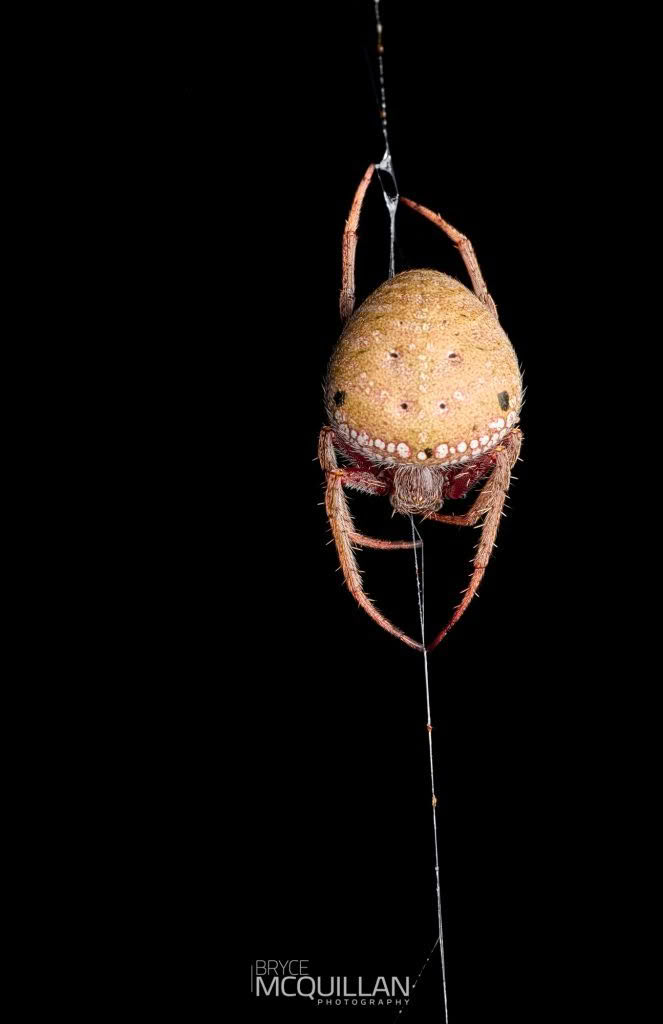
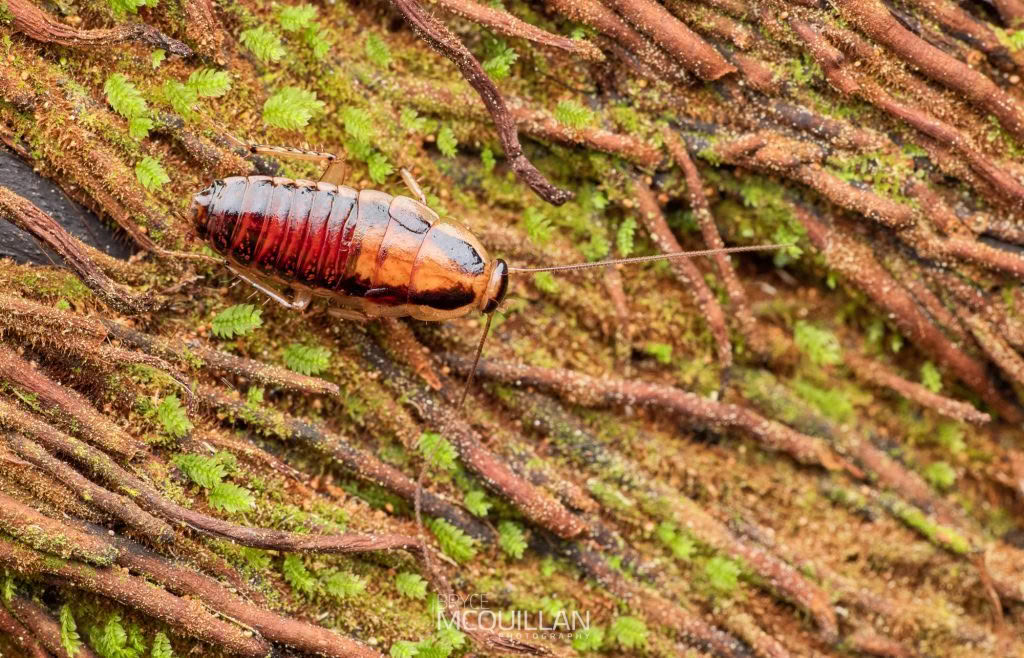
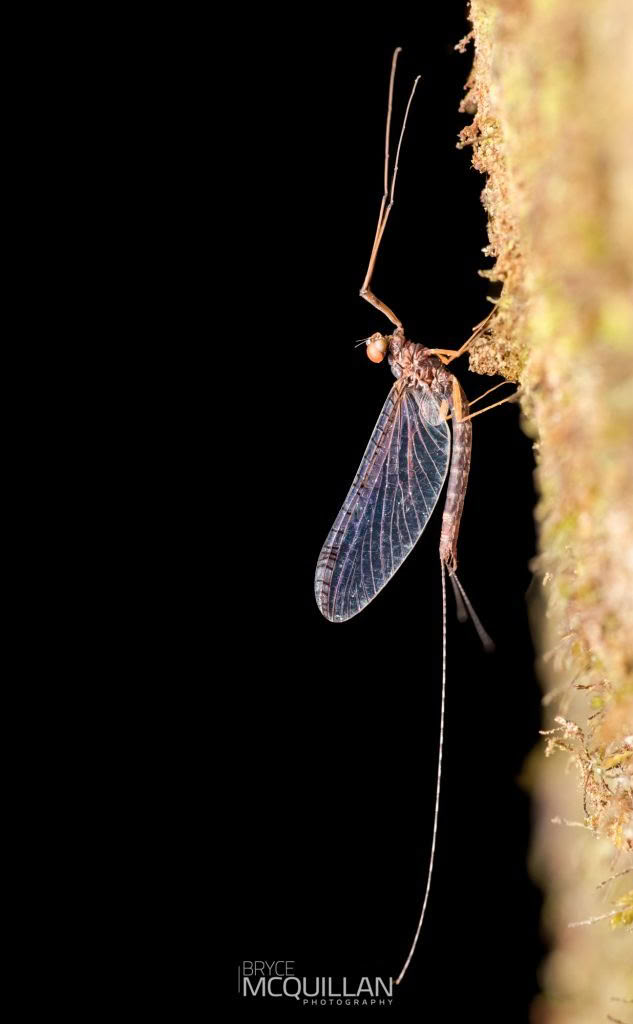
Waitkera waitakerensis
On one evening walk with Angela and Connor, we found a female Waitkera waitakerensis with egg sacs tucked beneath a leaf right beside the track. This positioning allowed for some excellent images, capturing not only the spider but also the egg sacs as well.
I often find that Waitkera waitakerensis builds its web in awkward or inaccessible locations, making it difficult to achieve a good camera angle. Having this individual so close to the track made the photographic opportunity particularly rewarding.
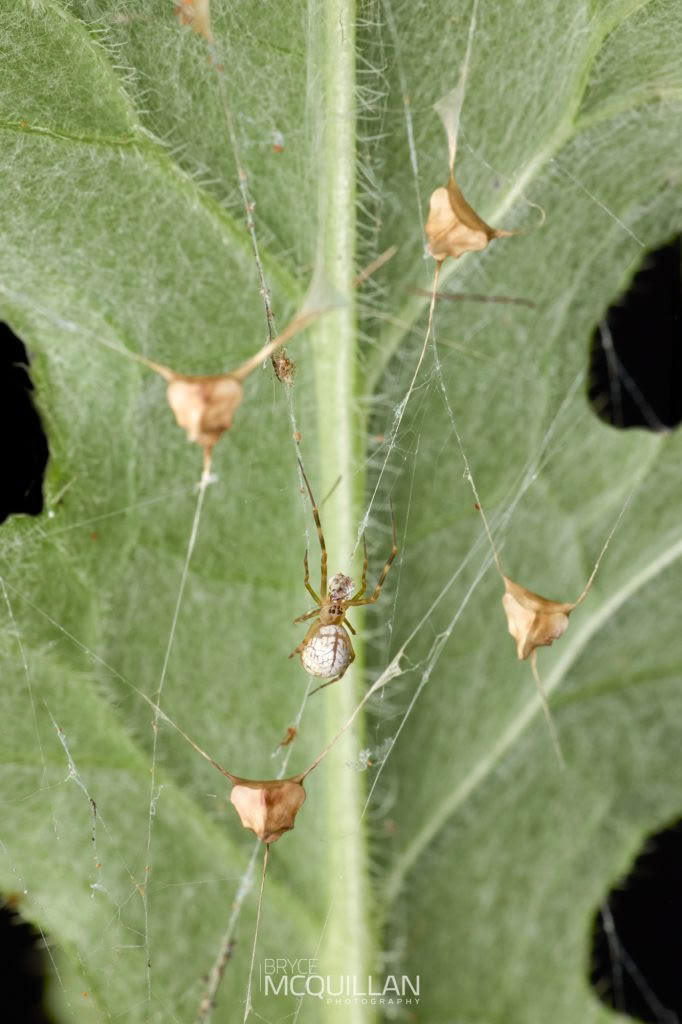
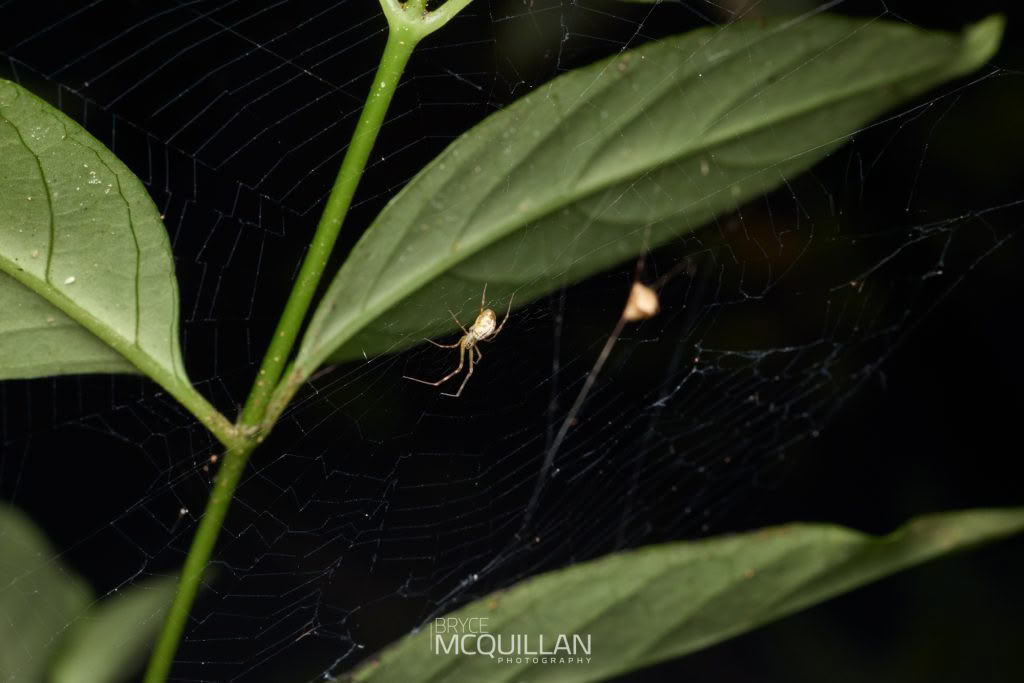
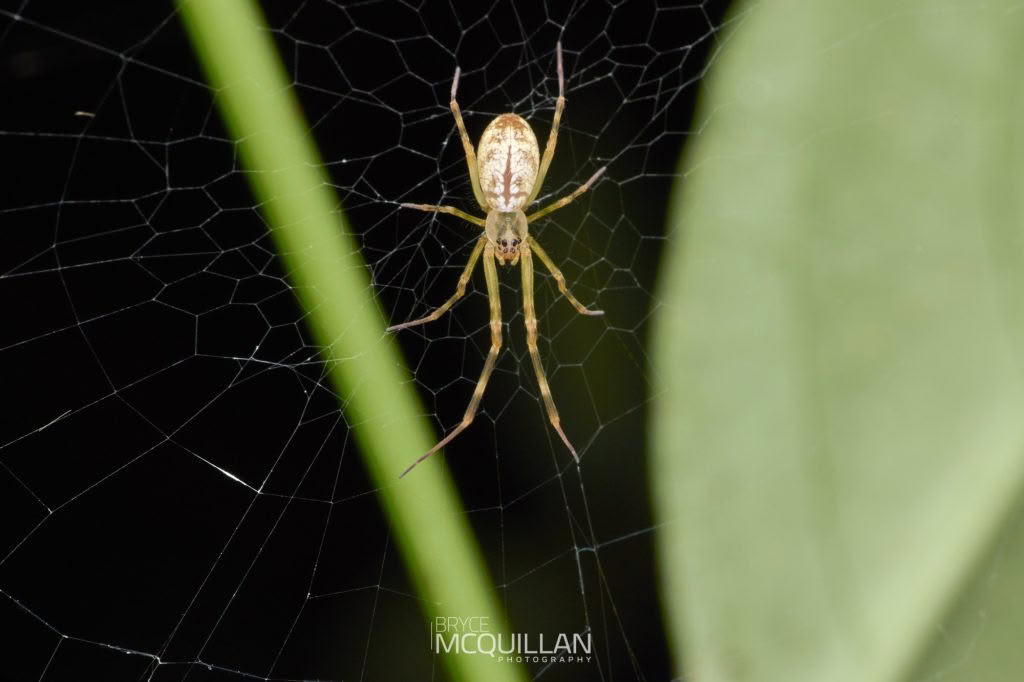
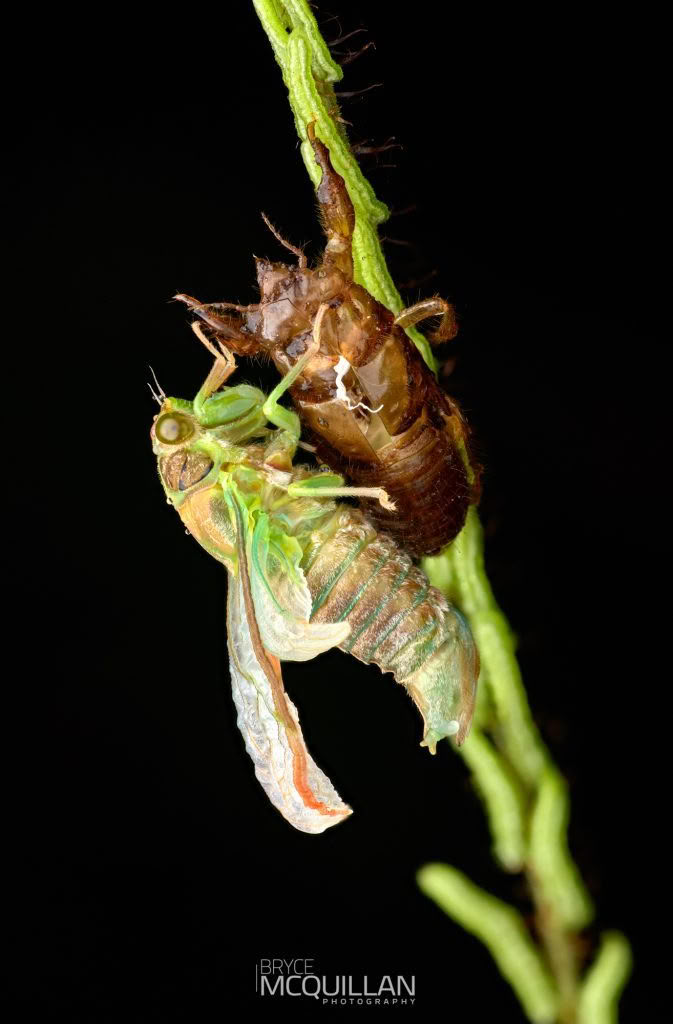
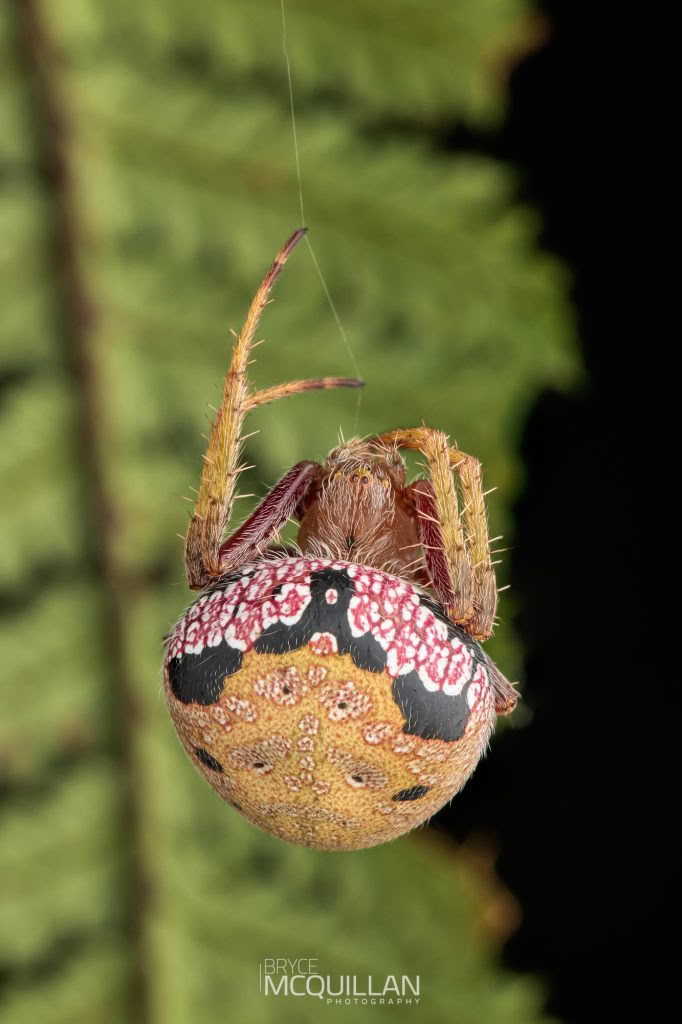
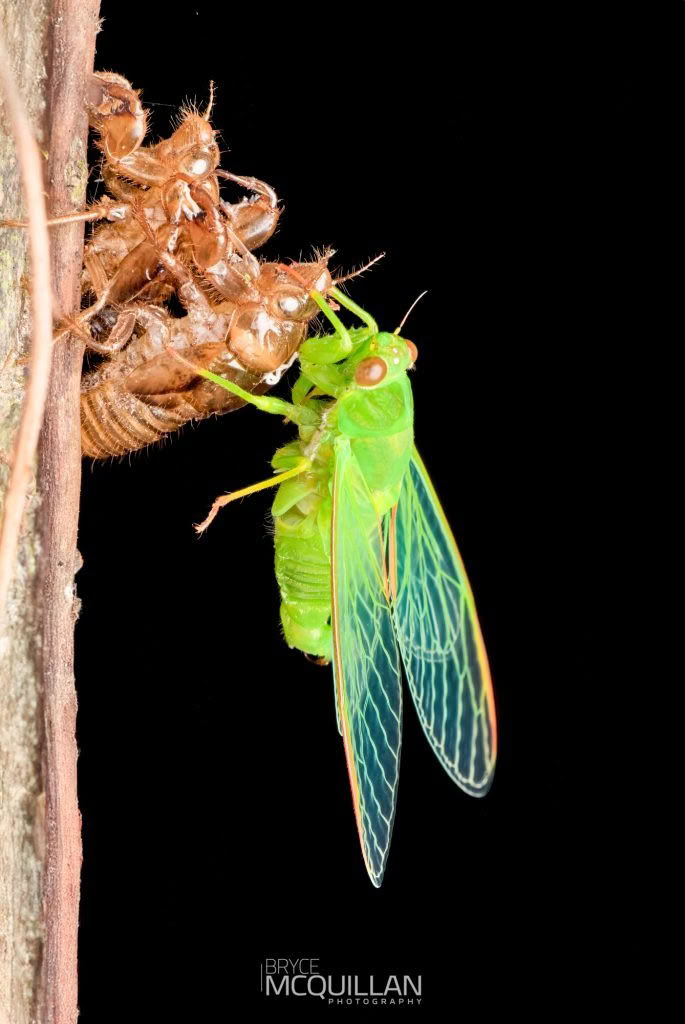
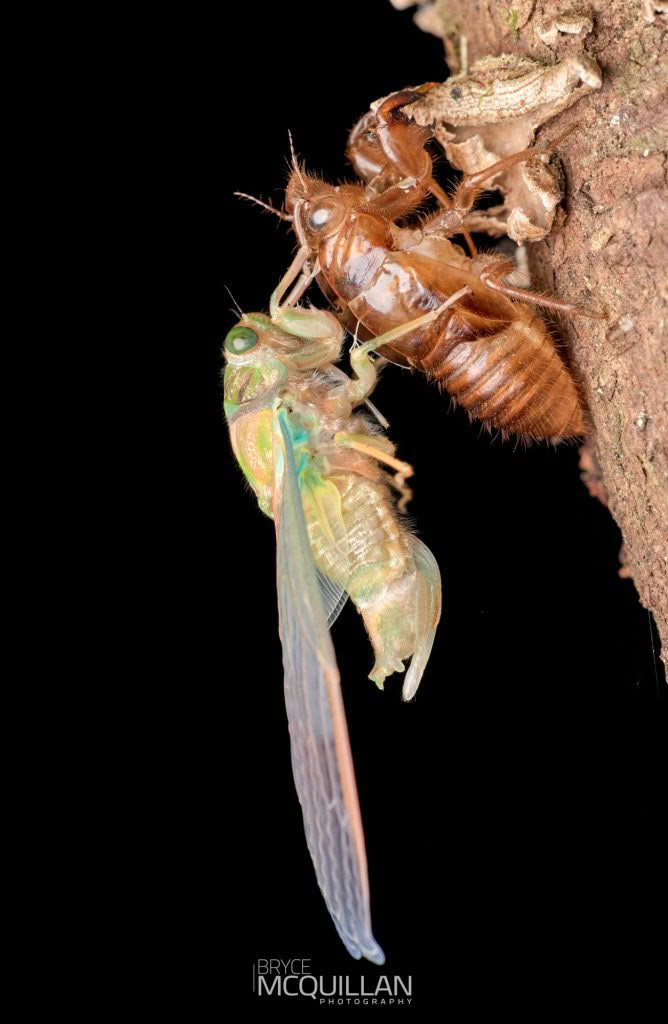
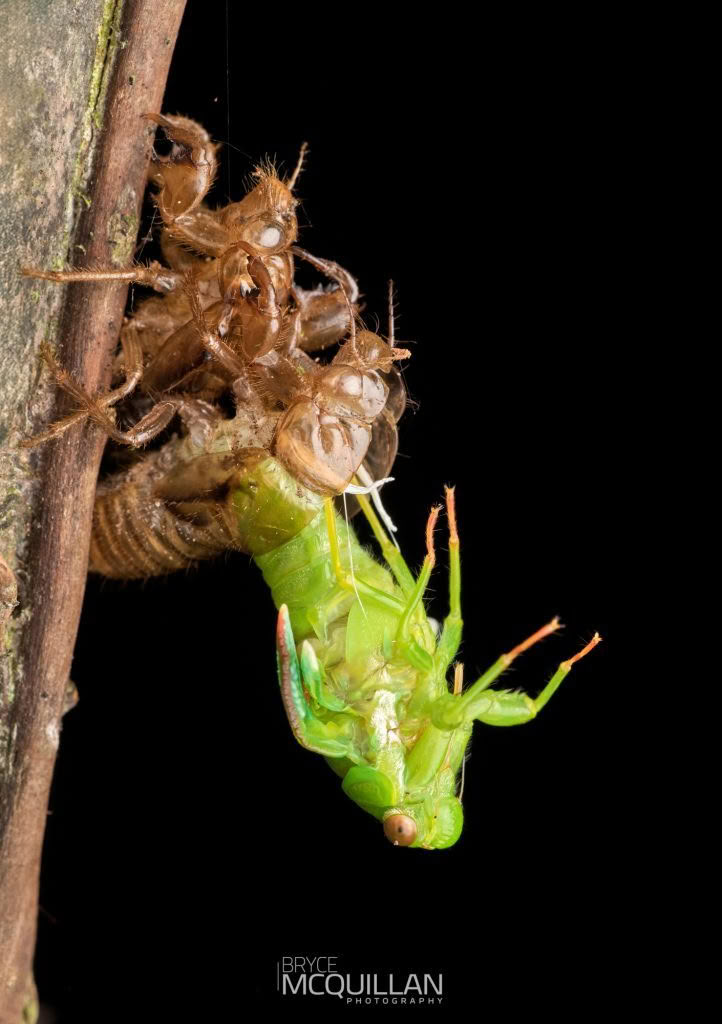
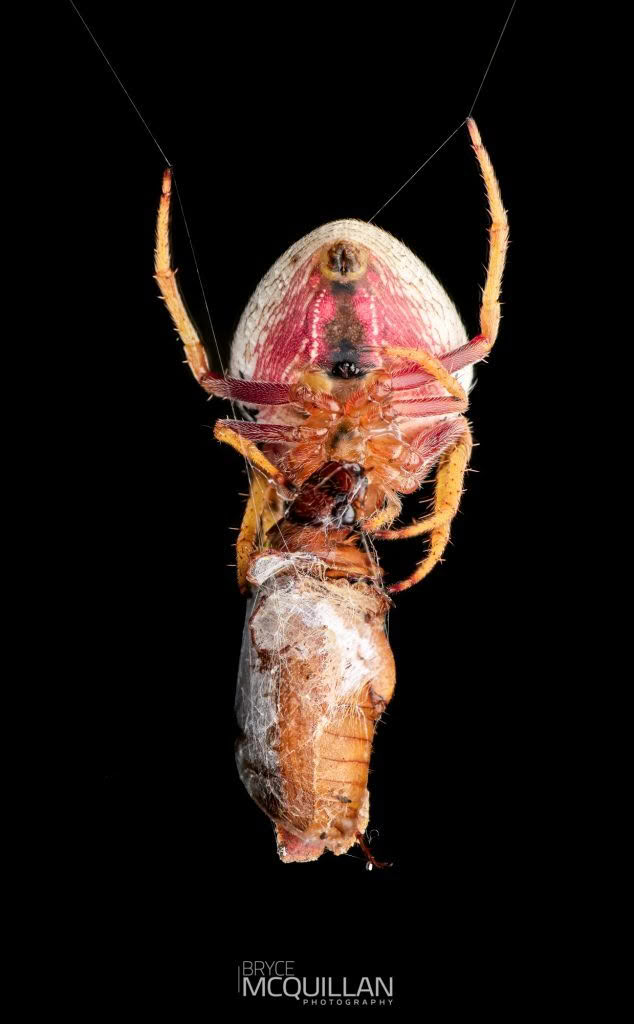
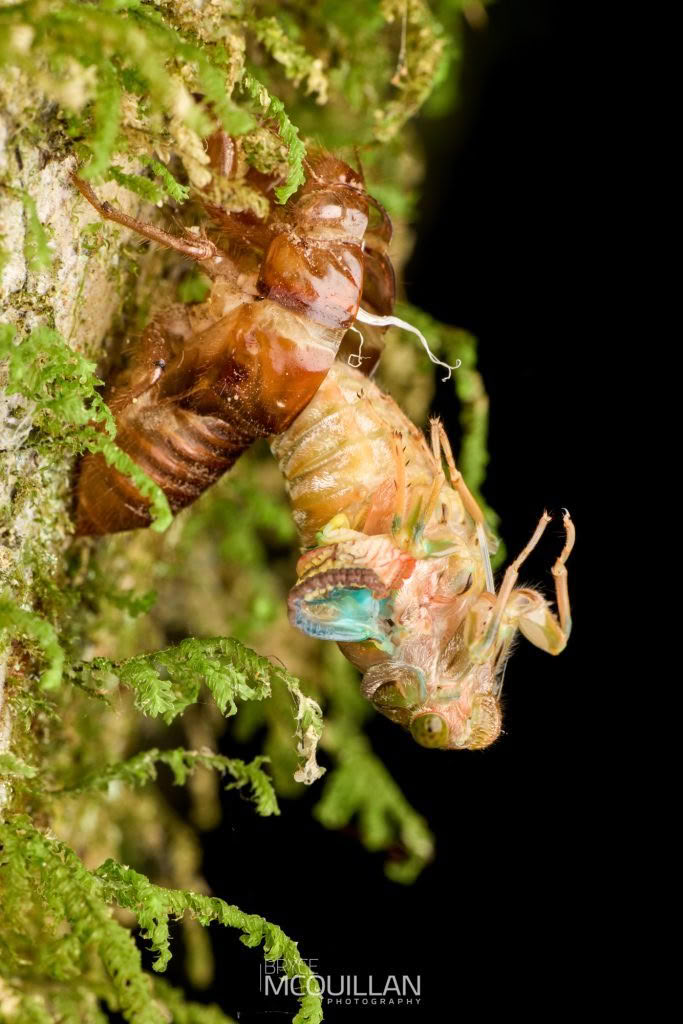
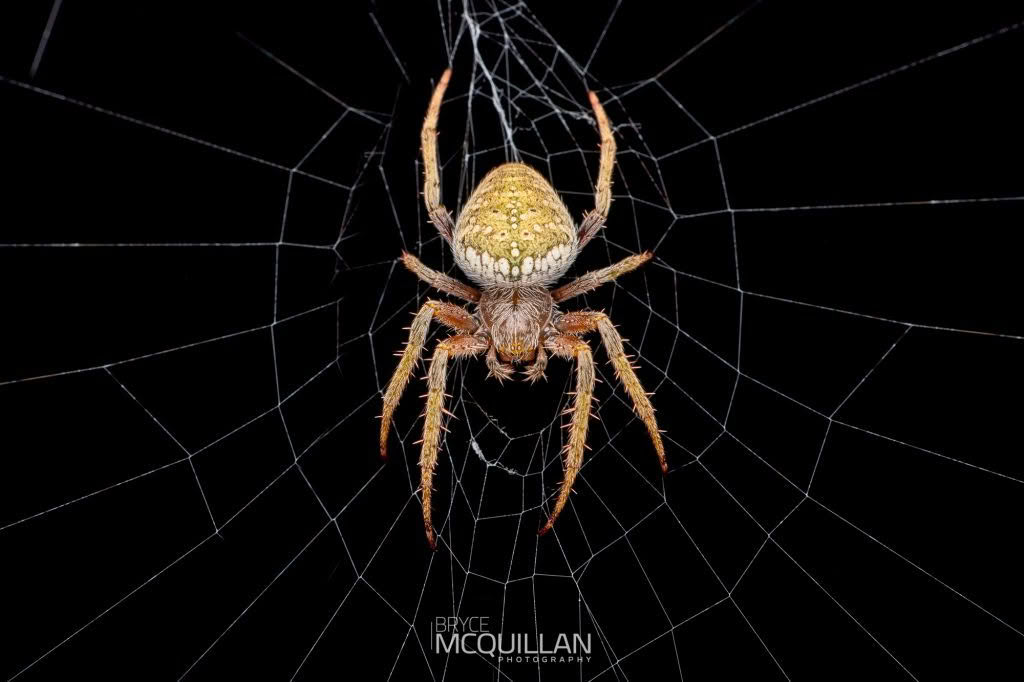
In February, we had a visitor named Mark, who was keen to join me for a macro night walk. I also invited Angela, Brian, and Connor along. That particular evening turned out to be quite an exceptional evening for observing Zealaranea trinotata orb-web spiders and a large number of cicadas that were emerging and shedding.
It was a memorable night all round and later in 2025 we learned that Mark had gone on to win the APS Overall Digital Image of the Year with his cicada image captured during that February walk.
Diving beetle
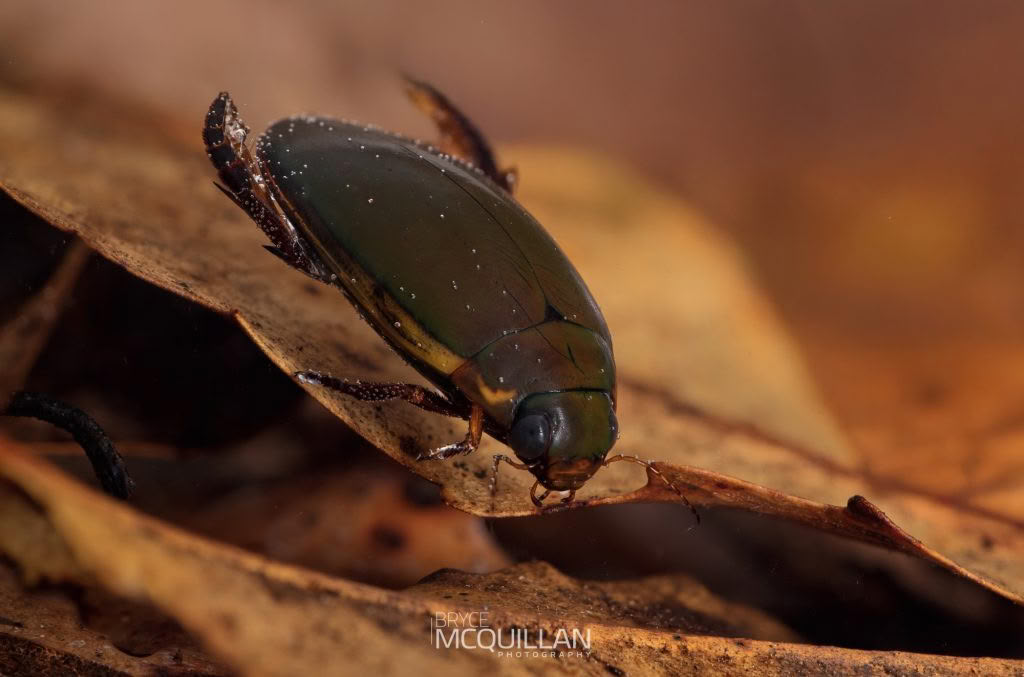
One of the images we needed to complete for the beetle book was a diving beetle (Onychohydrus sp.) photographed in water. I quickly realised this would be particularly challenging to achieve in situ within its natural environment. Instead, we had friends collect a live specimen for us, which allowed Angela and I to set up a controlled setup at home.
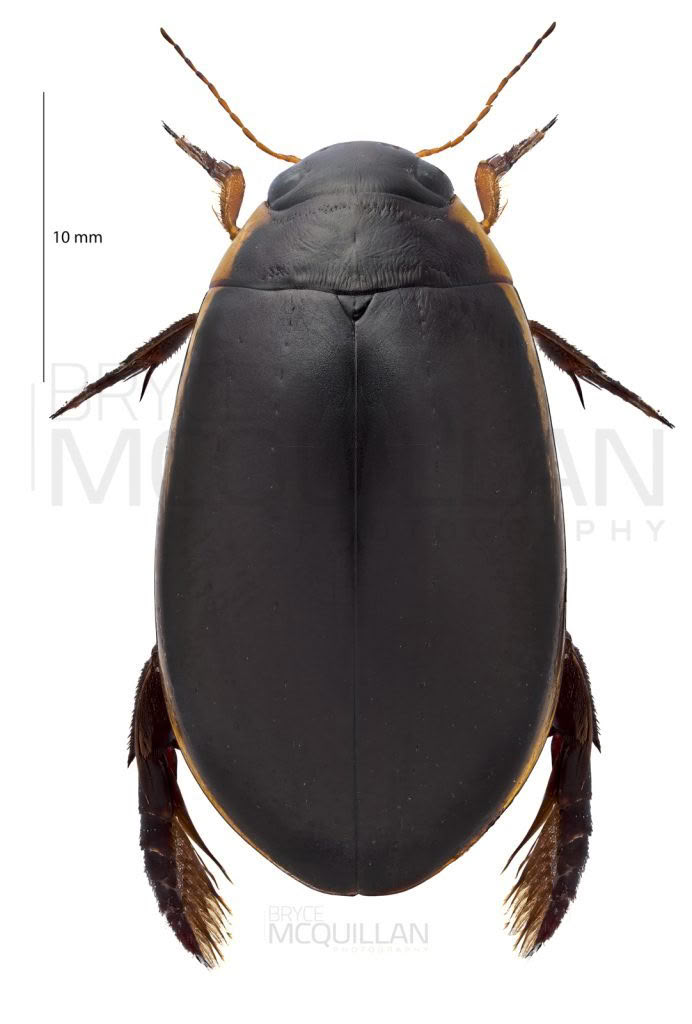
We placed the beetle into a small container and worked through a series of images, aiming to capture a usable result. I was pleasantly surprised by how well the process worked, and we came away with a very satisfying outcome. We also took the opportunity to photograph this species on a white background, ensuring we had a clean, diagnostic image for inclusion in the beetle book.
White background beetles
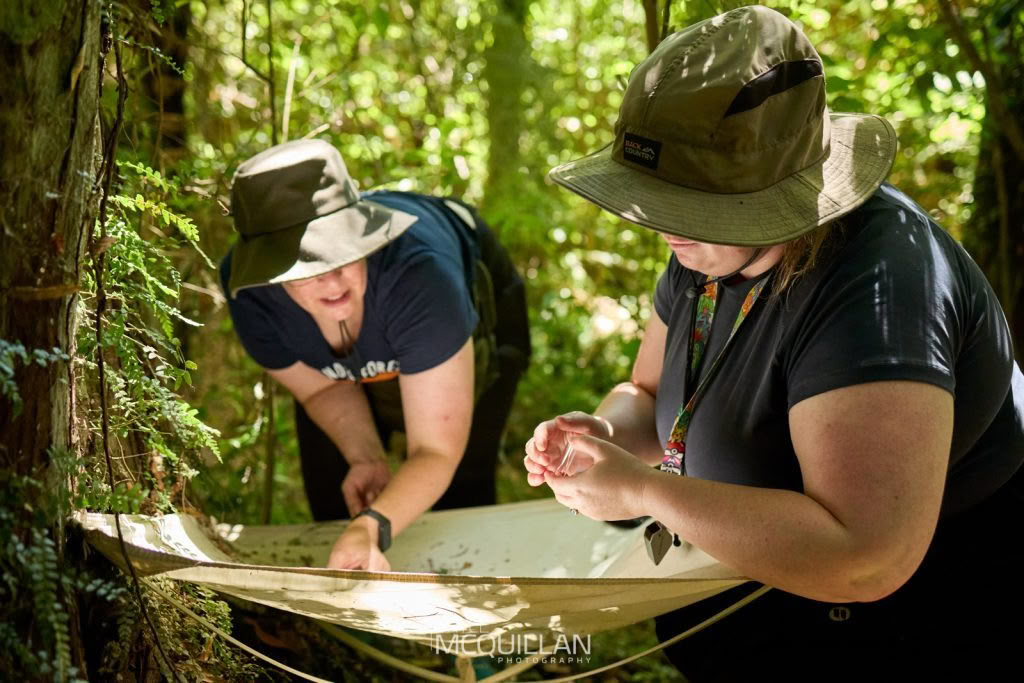
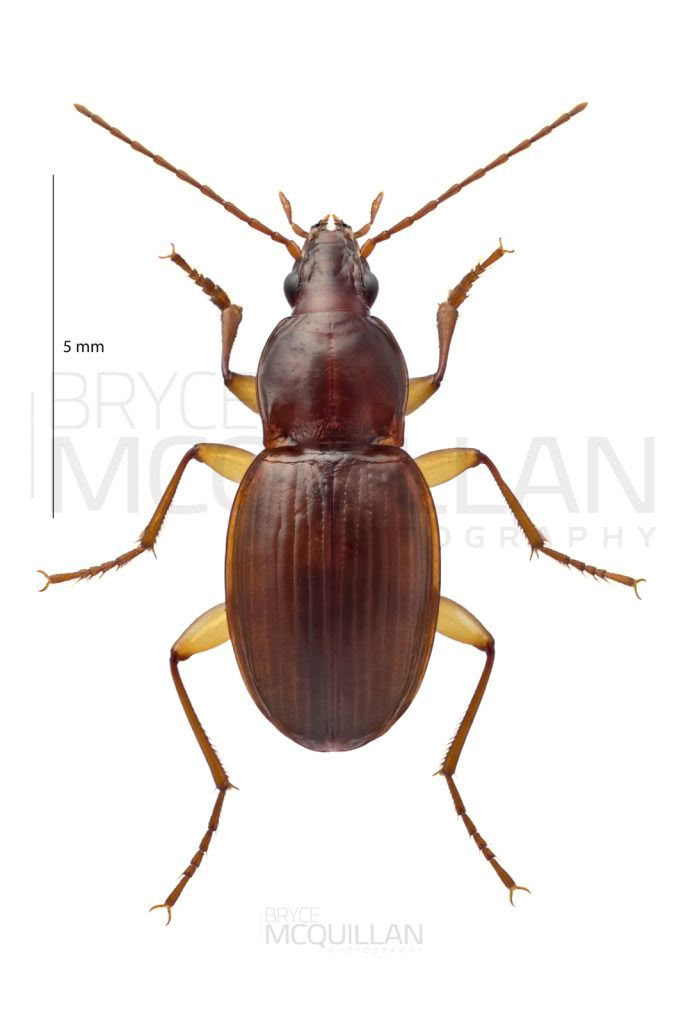
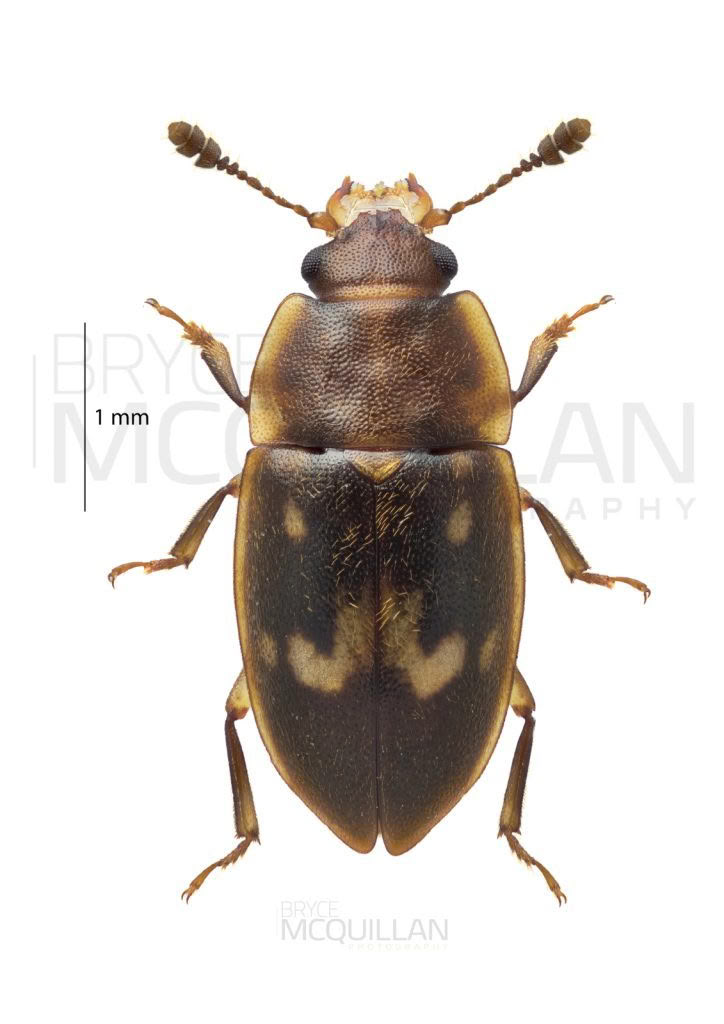
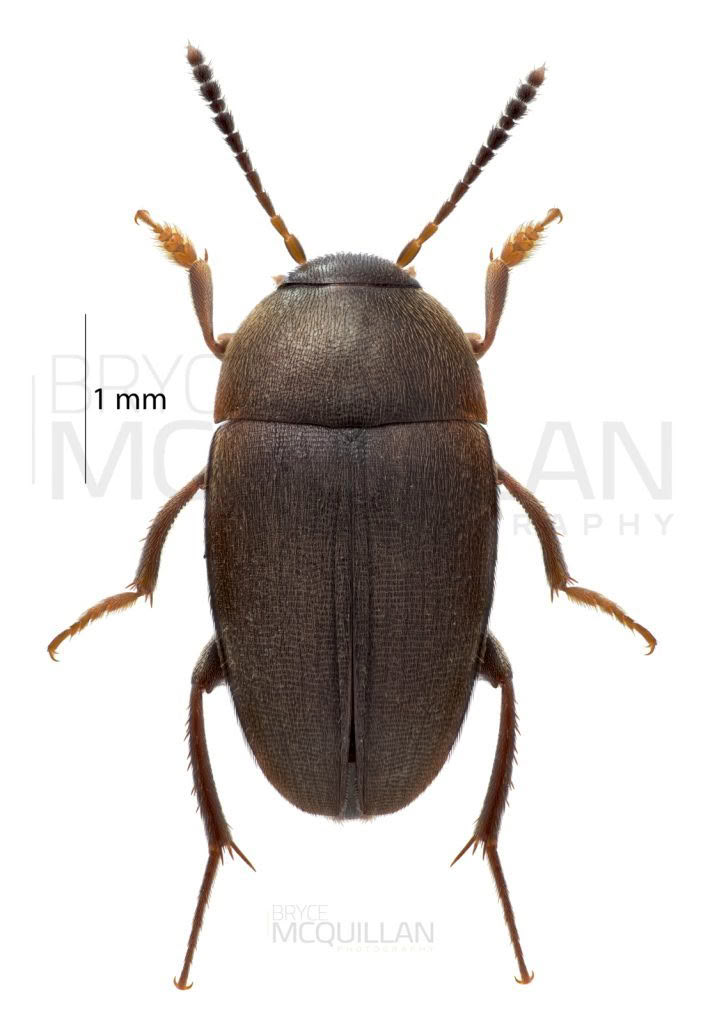
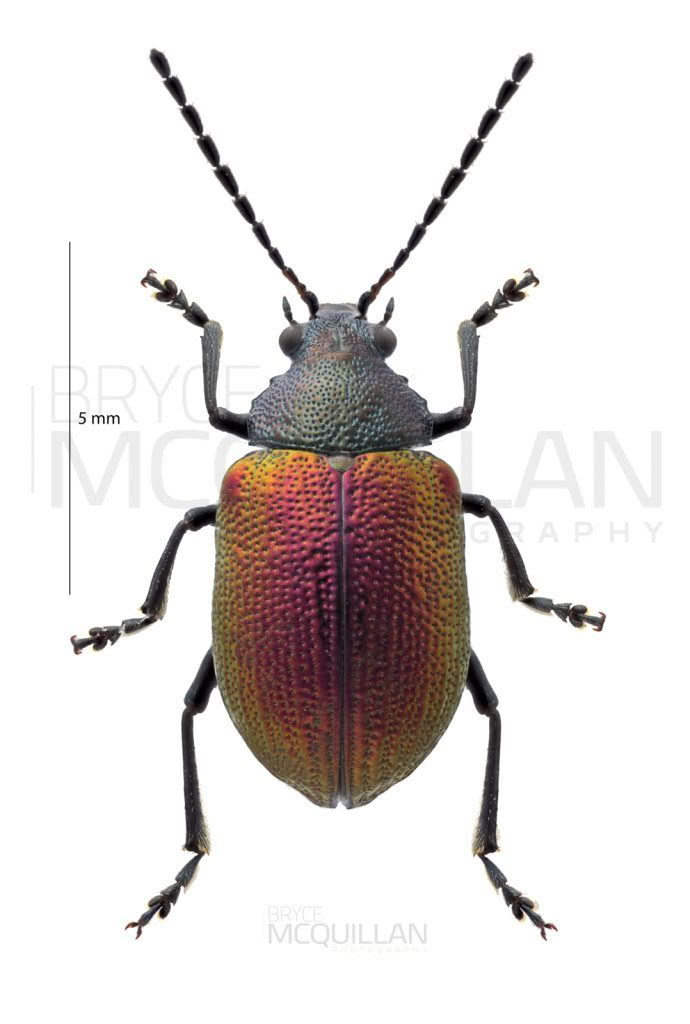
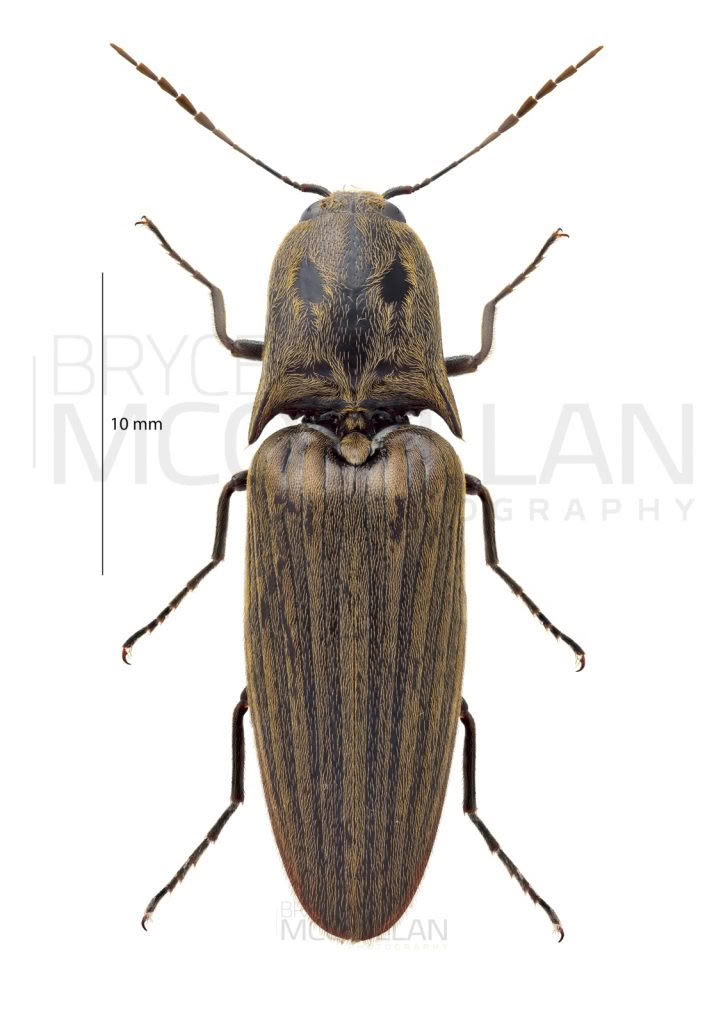
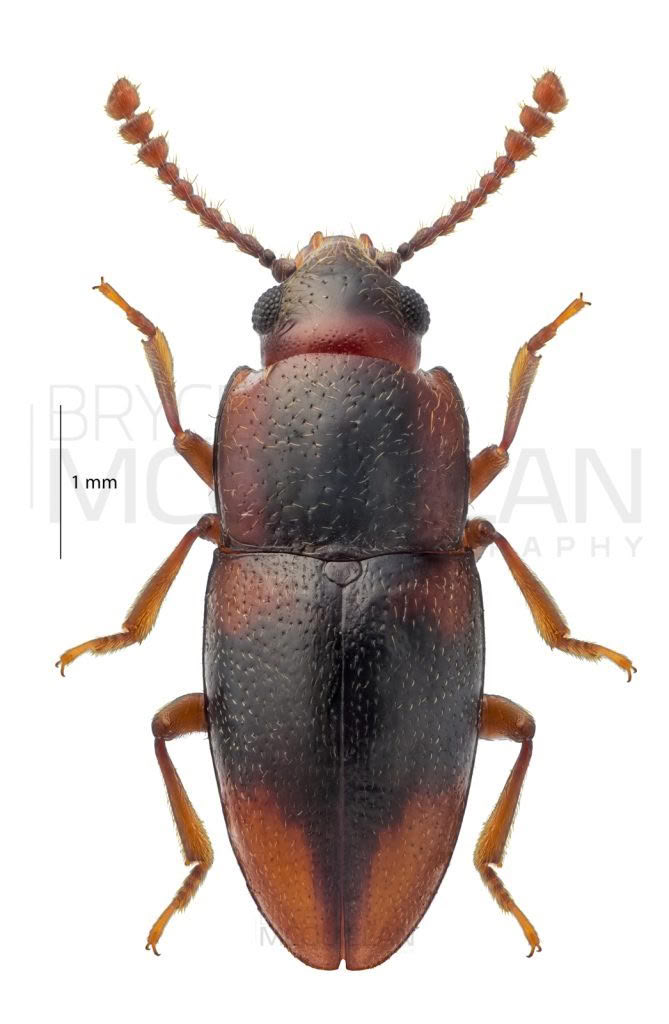
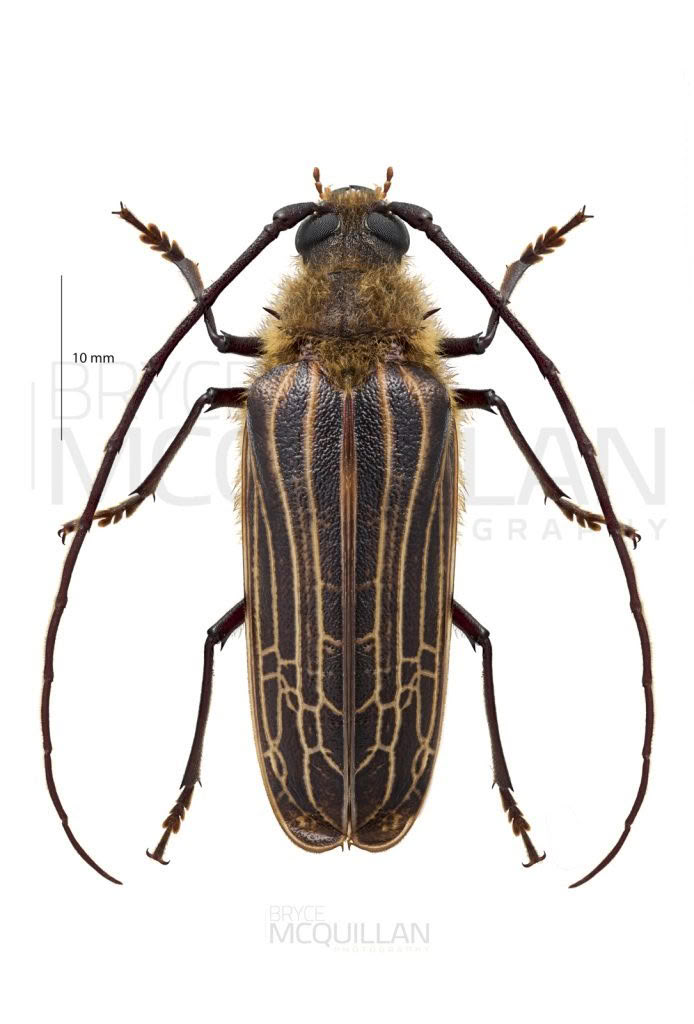
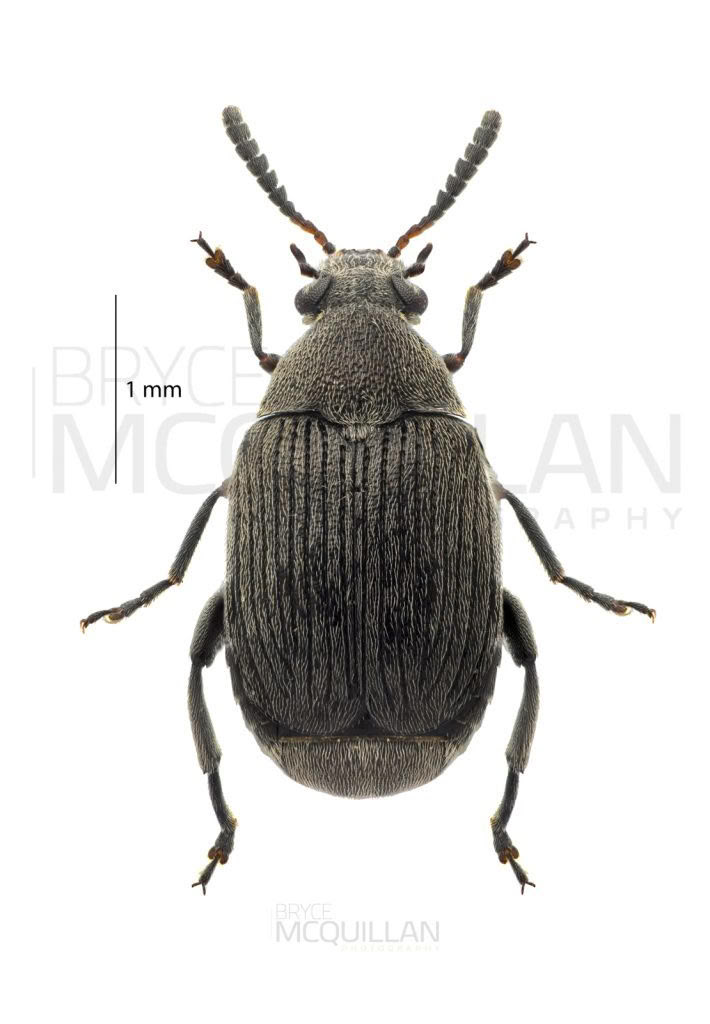
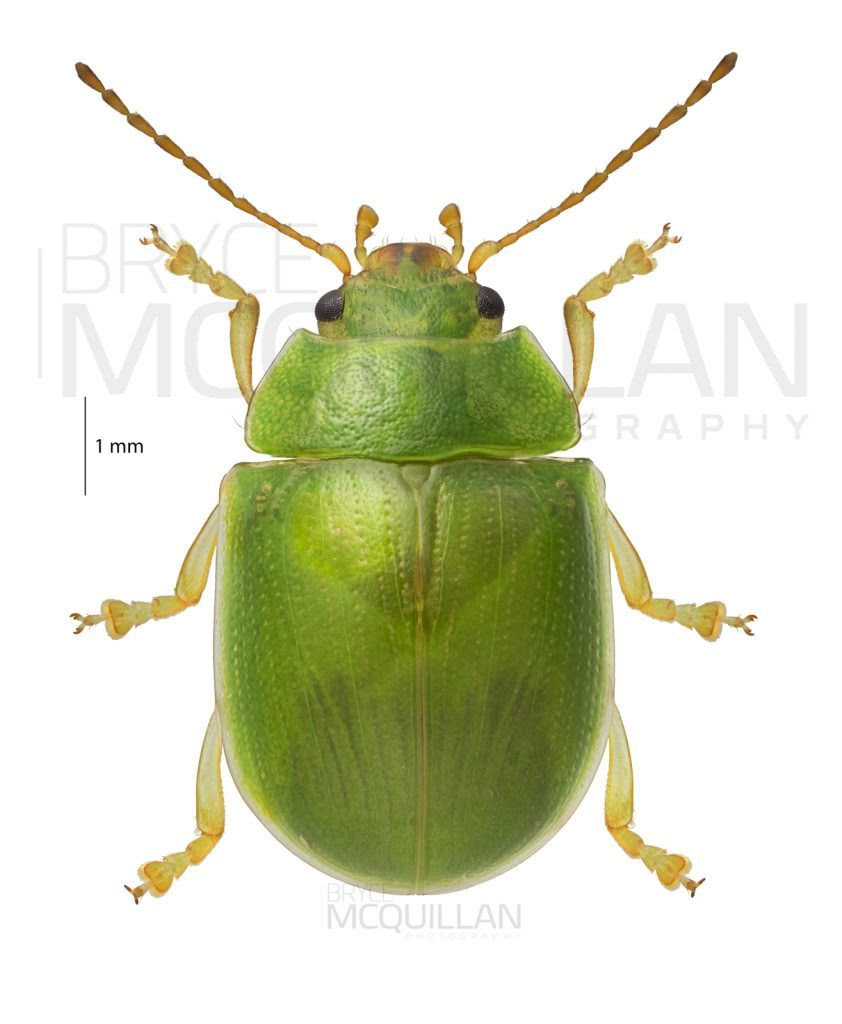
2025 marked the final year for photographing beetles on a white background for the beetle identification book https://newzealandbooks.com/book/field-guide-to-beetles-of-new-zealand/ , which created a strong push to complete as many species as possible. Angela and I spent countless hours, both during the day and at night, actively searching for beetles.
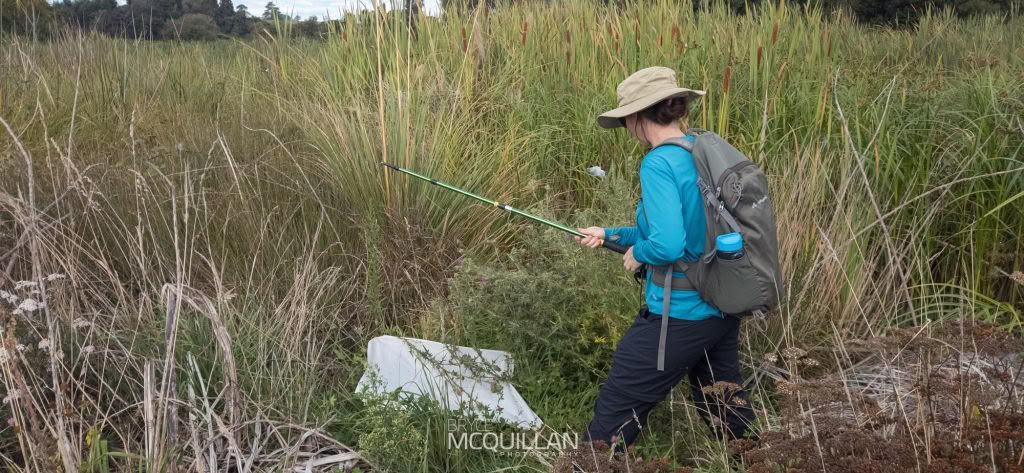
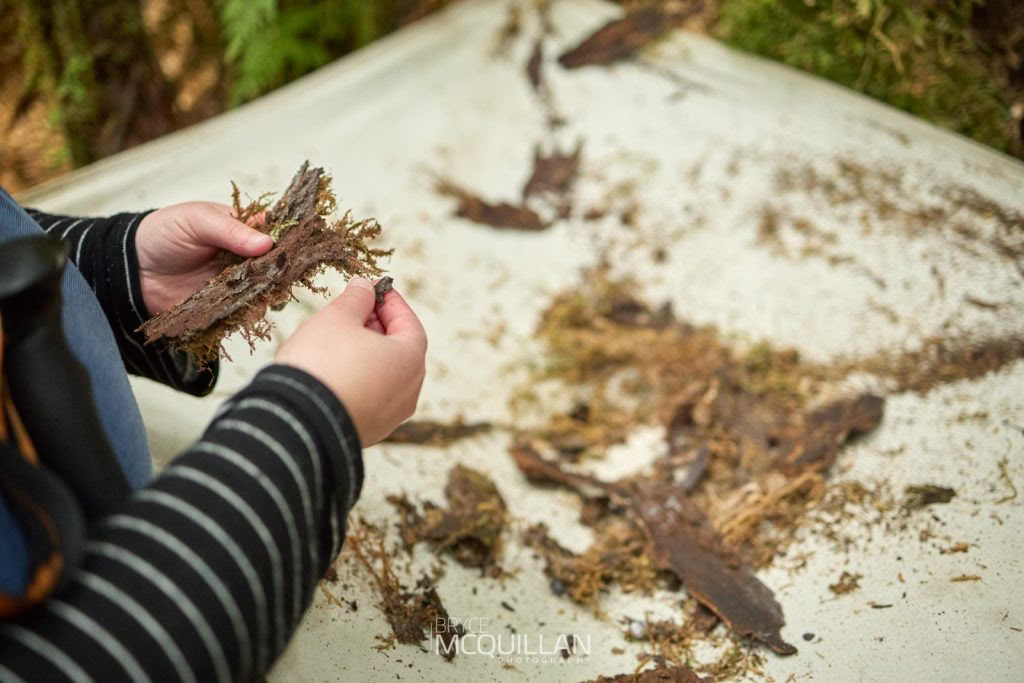
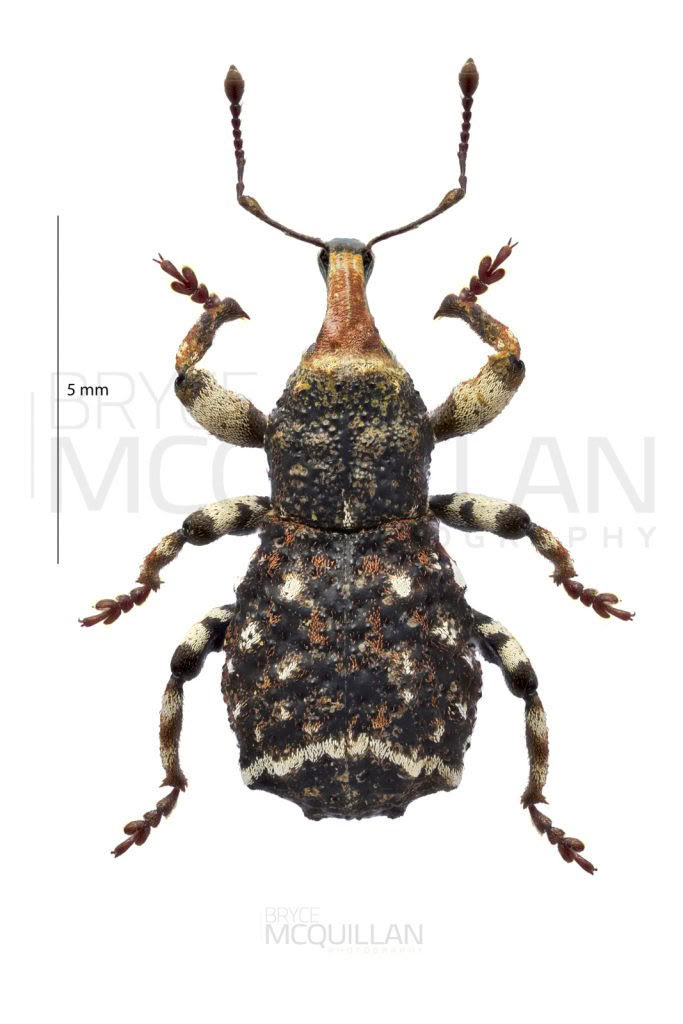
Photograph below of Angela using a beating sheet to look for Nodding thistle receptacle weevil (Rhinocyllus conicus).
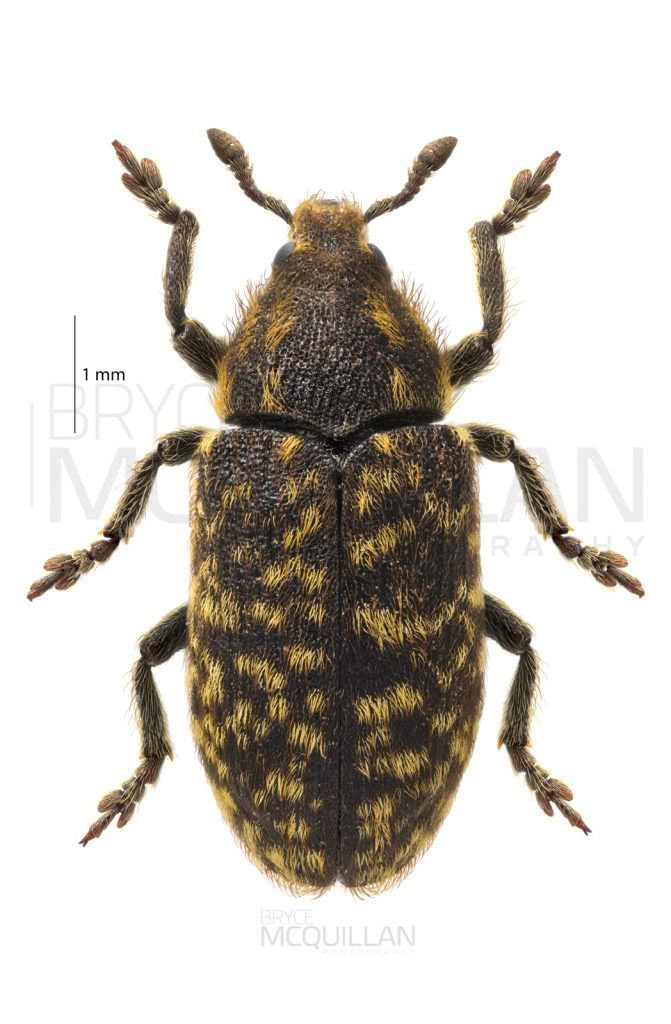
(Rhinocyllus conicus)
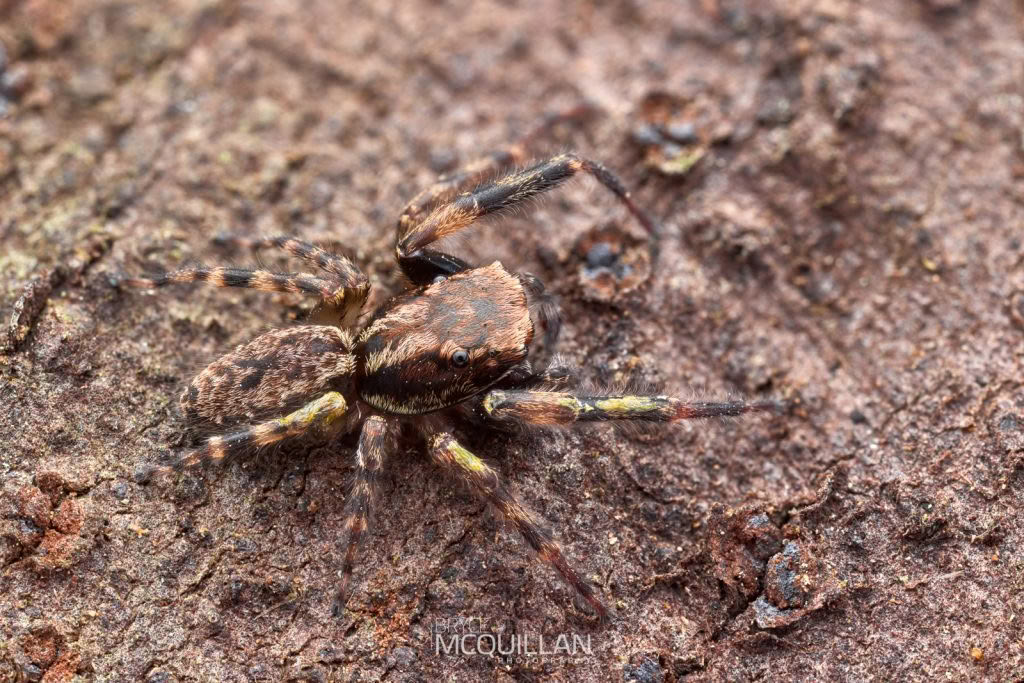
During this same period, a friend, Kate, was undertaking her PhD on jumping spiders, with a particular focus on the genus Trite. Following the discovery of a species to new science in the Rotorua area in the previous year, Kate intensified her searching in Rotorua this year, resulting in finding more new species. I also offered to photograph some of the species she had collected on white background. Some images below, which include Kate, Wendy and Sky, plus in situ jumping spiders.
It is always a real privilege to be involved in projects and research like this. Having the opportunity to discover, observe, and photograph species new to science, and to be among the first people to encounter them, is something I will always value and cherish.
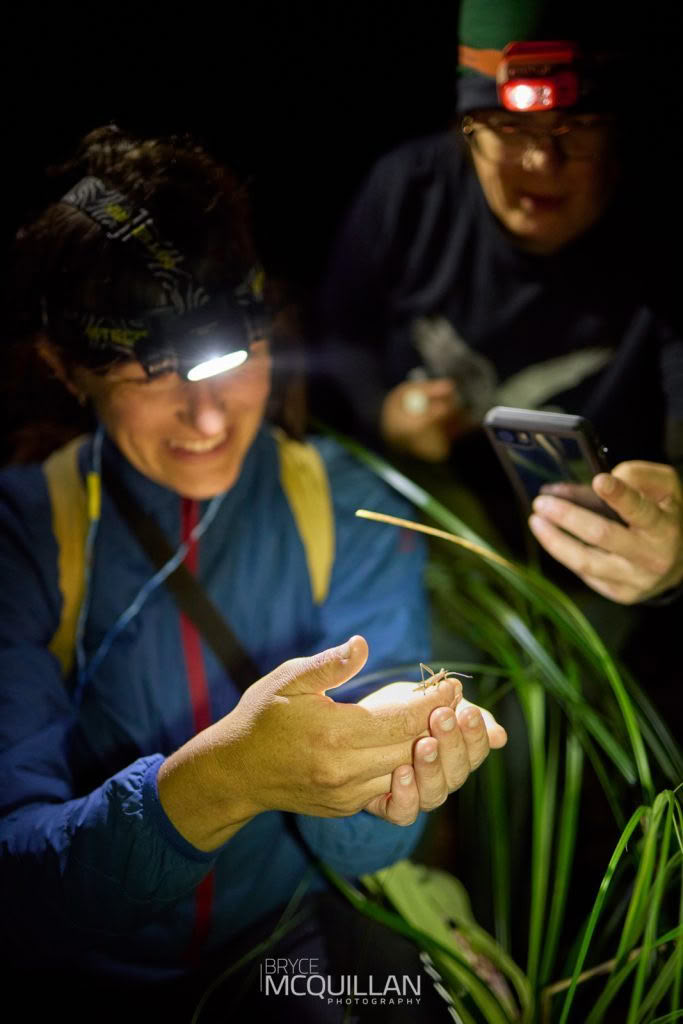
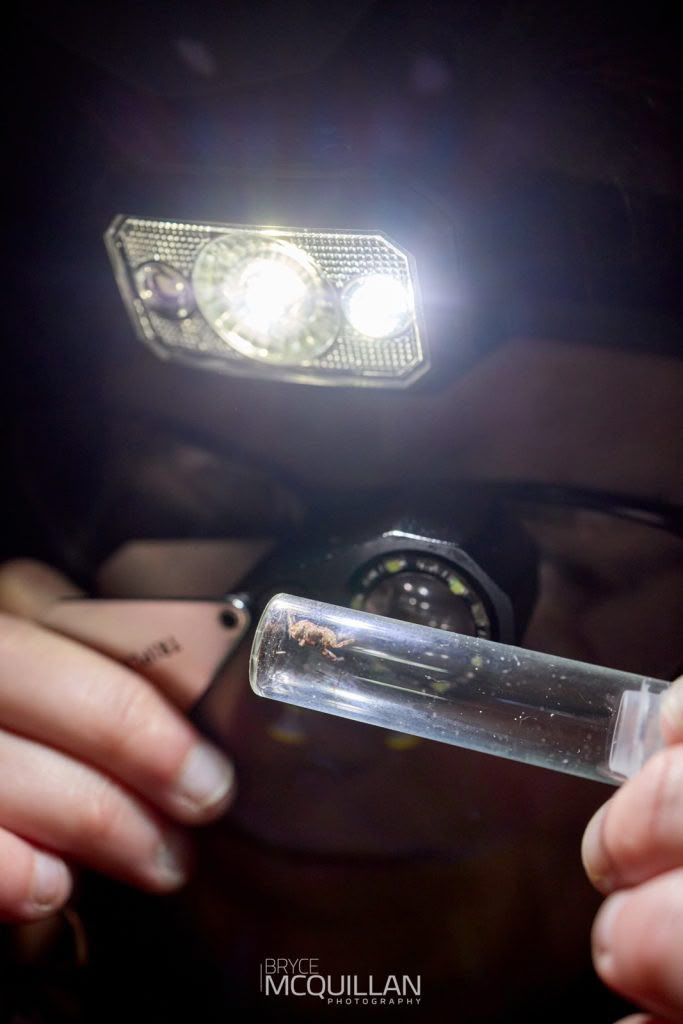
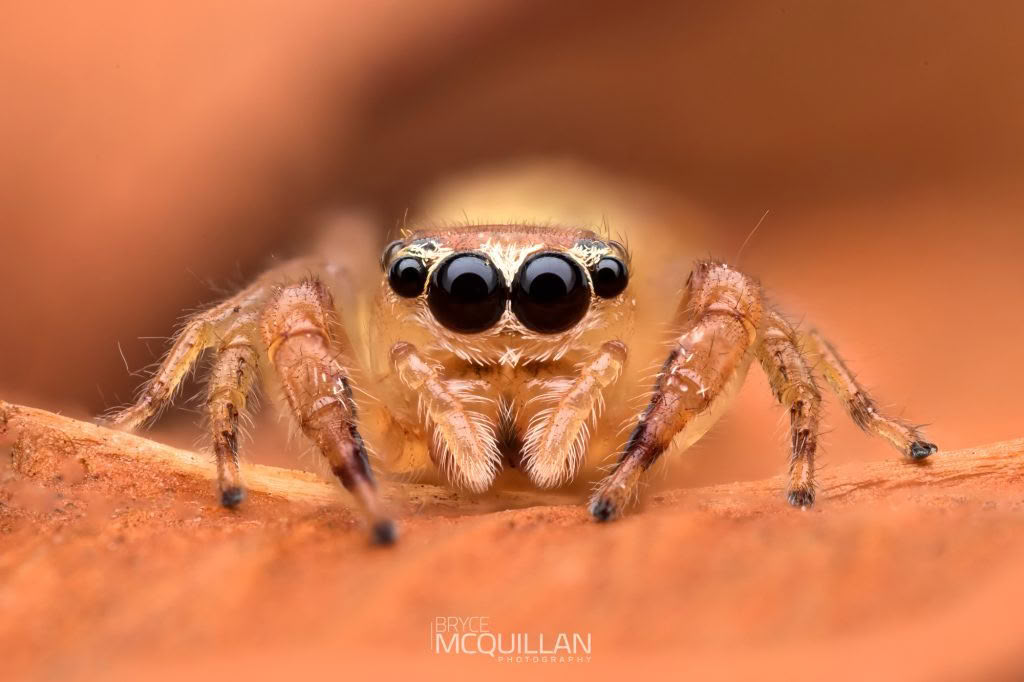
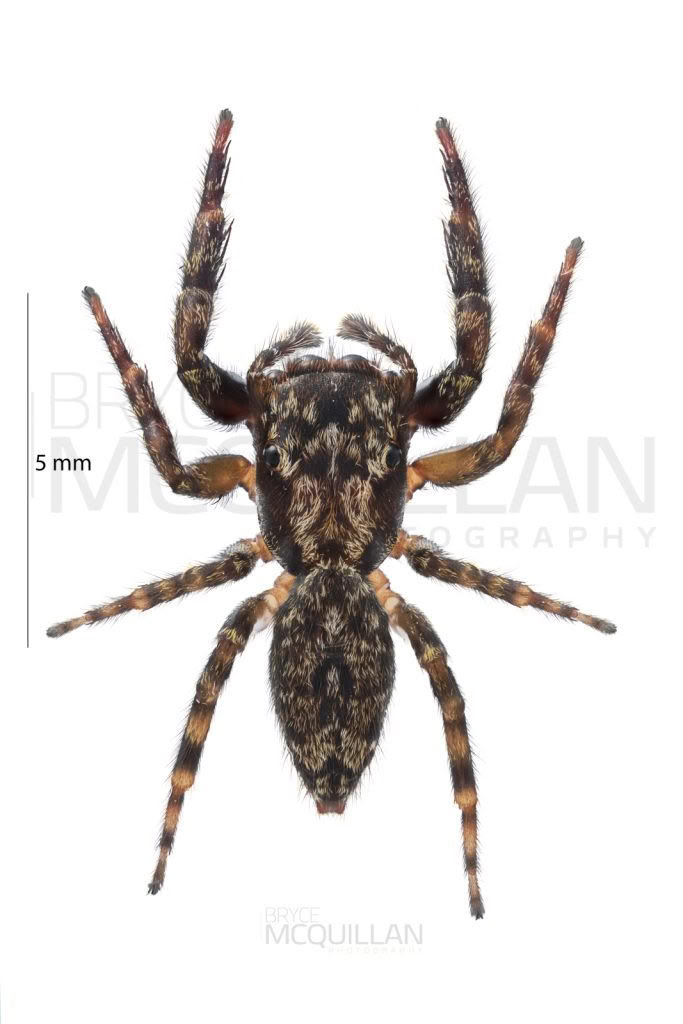
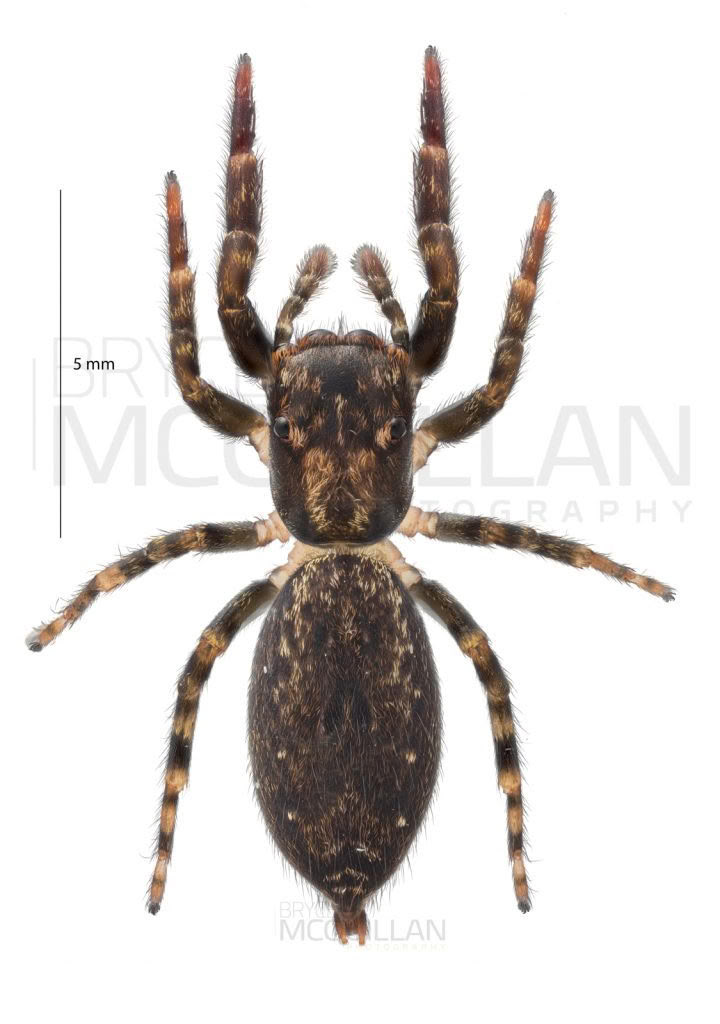
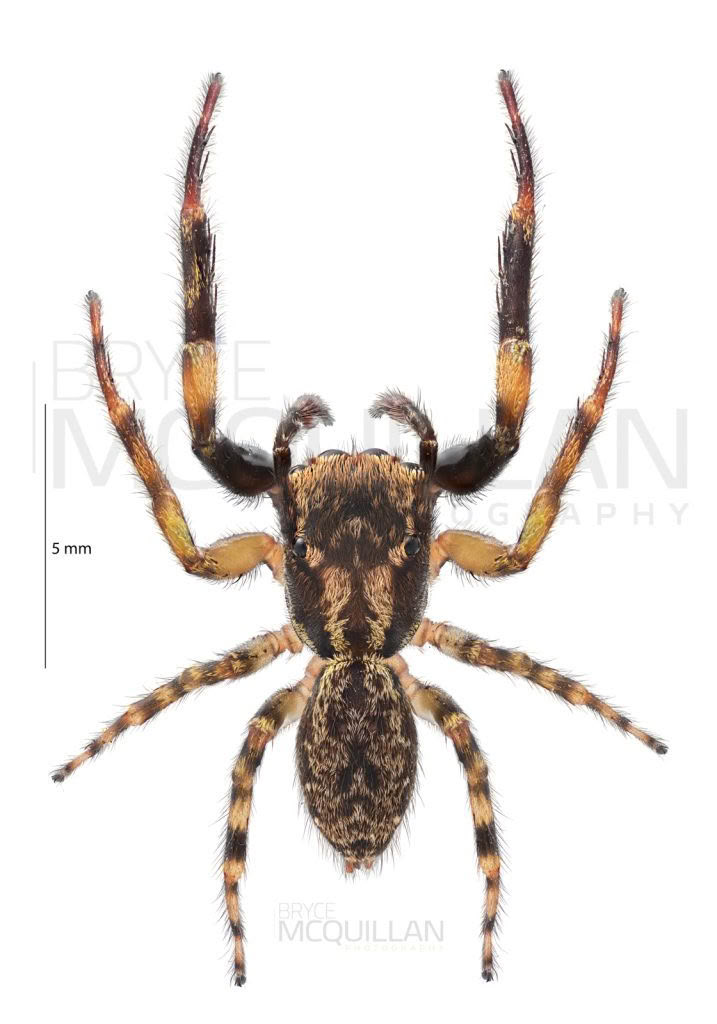
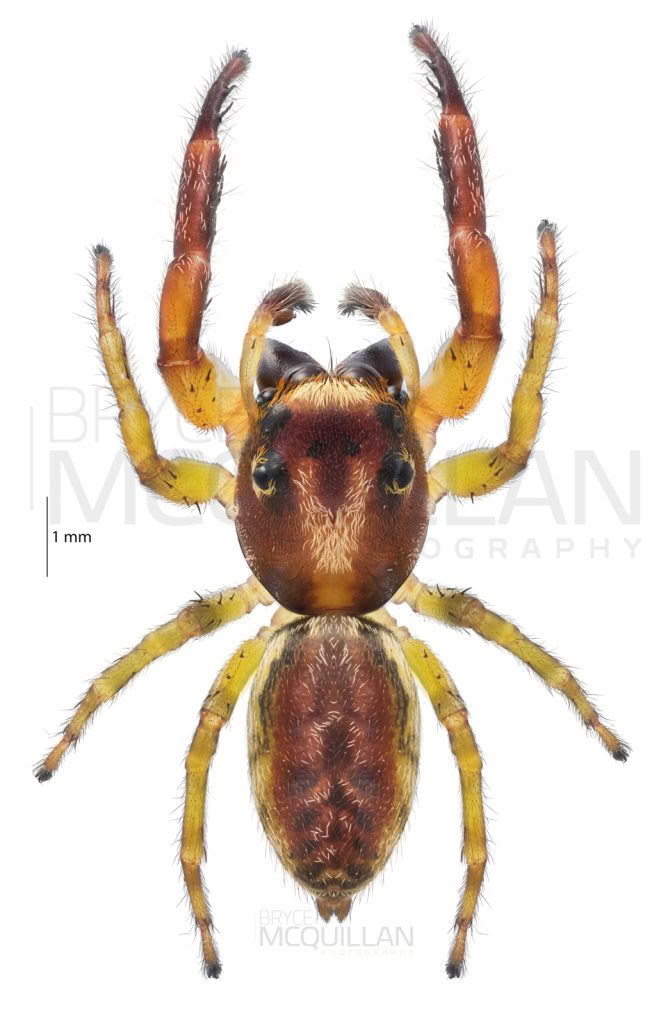
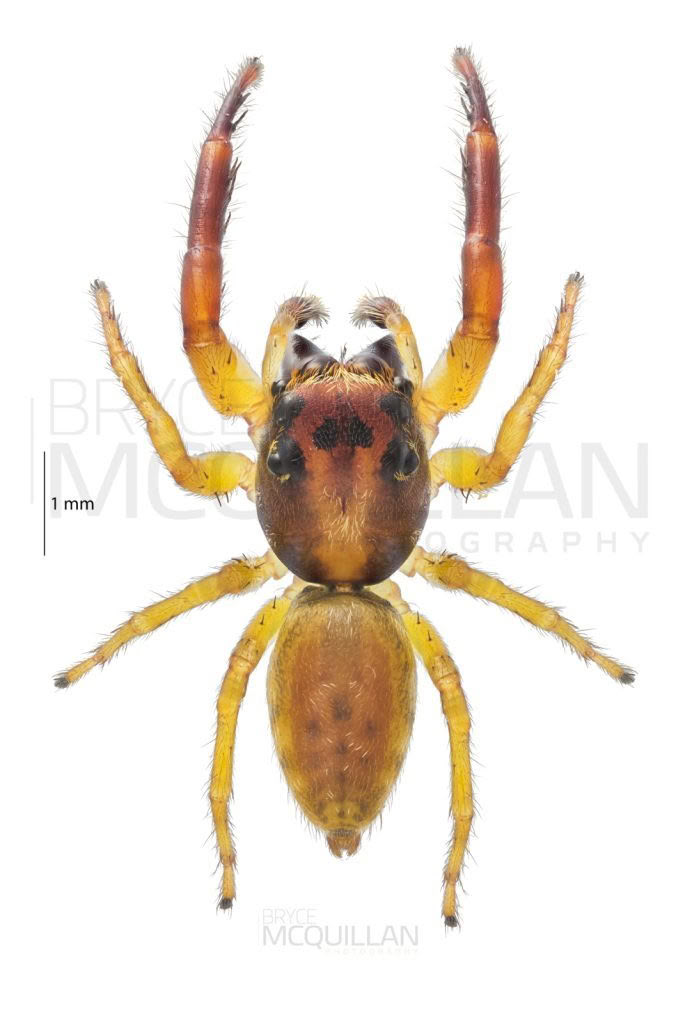
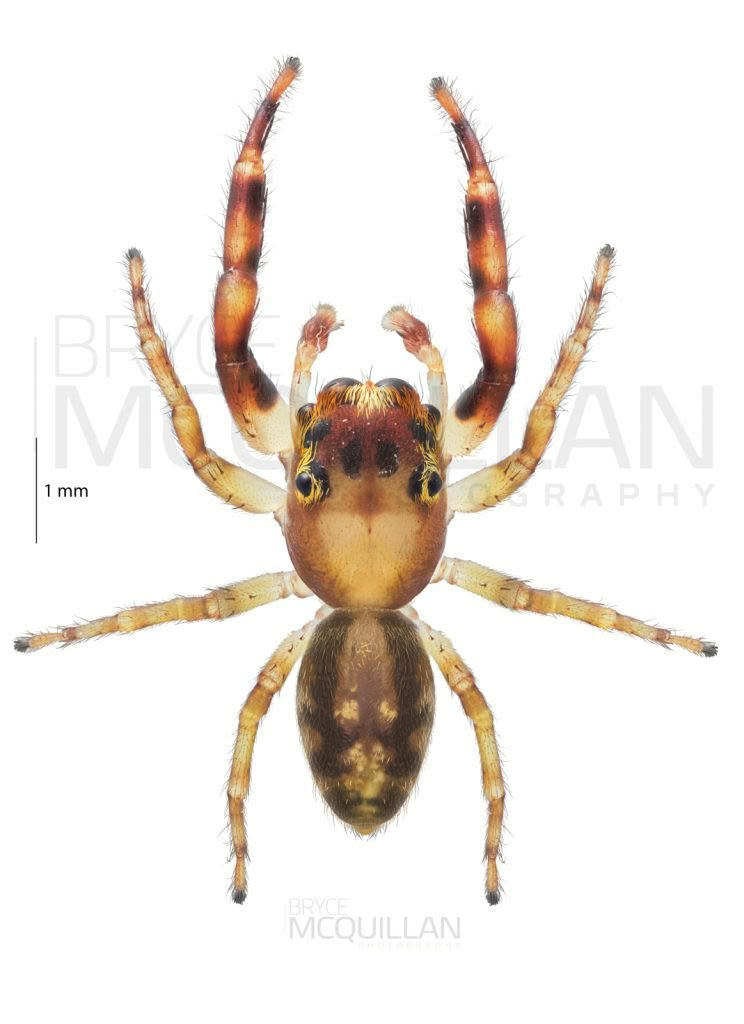
We also had many friends around the country assisting with the search for and collection of beetle specimens. In particular, two friends in Rotorua, Ross and Sarah, contributed enormously. Their efforts alone resulted in finding and collecting well over 100 species.
However, the pressure during this period was significant and in hindsight I was clearly pushing too hard. One evening, while unloading equipment from the car, I struck my head on the open boot, resulting in a serious concussion. This developed into post-concussion syndrome that persisted for several months, effectively preventing me from carrying out any white background photography during that time.
A selection of some of the species I photographed on white background during this period.
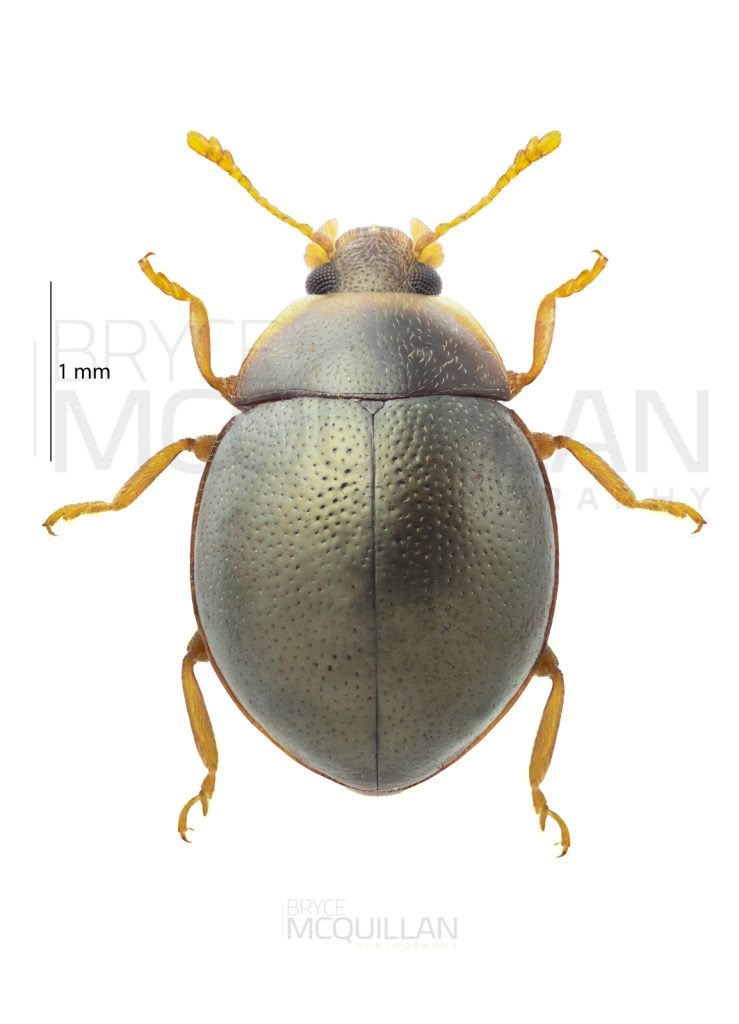
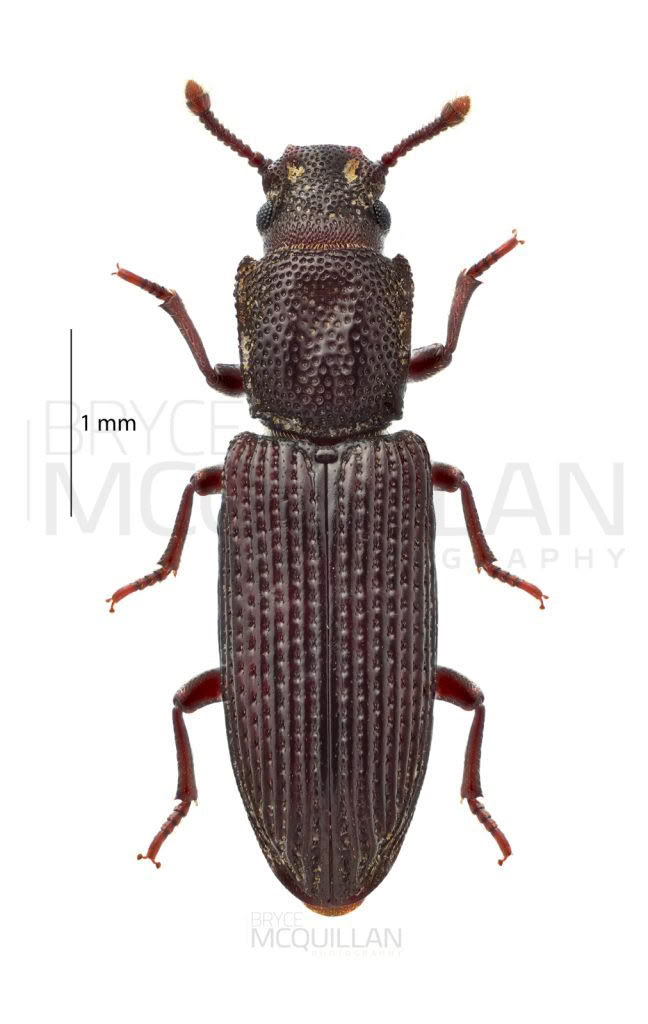
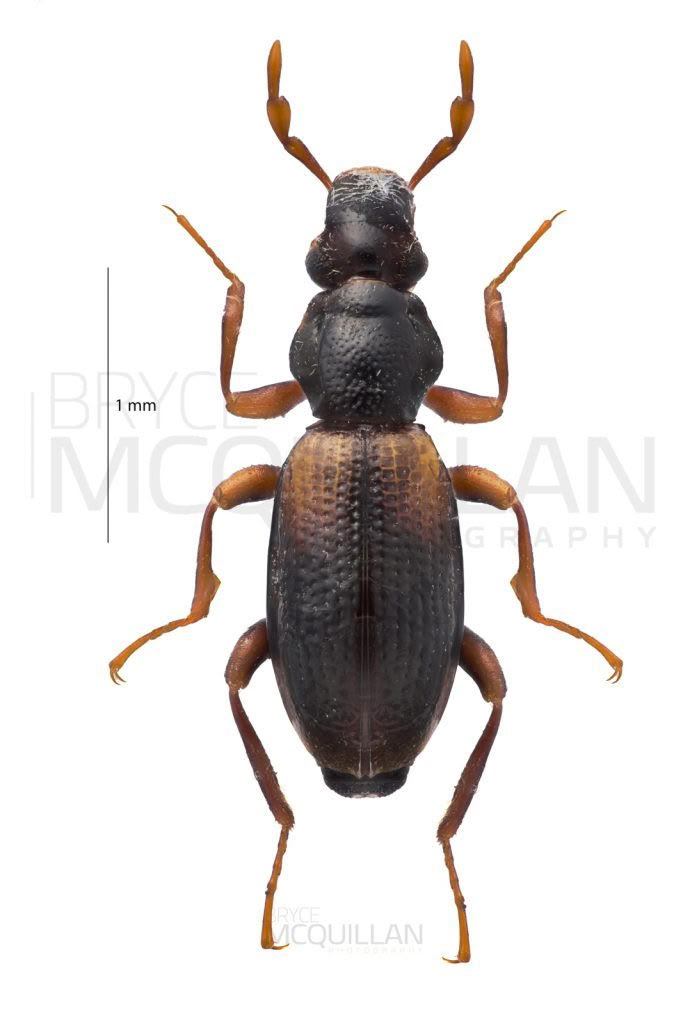
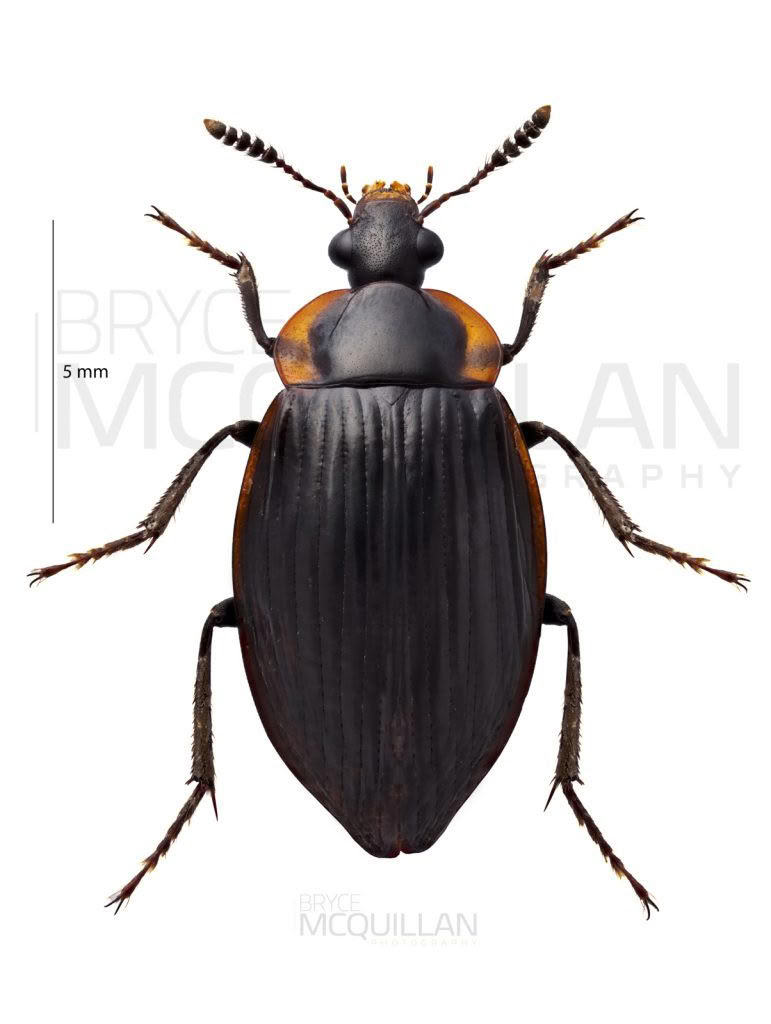
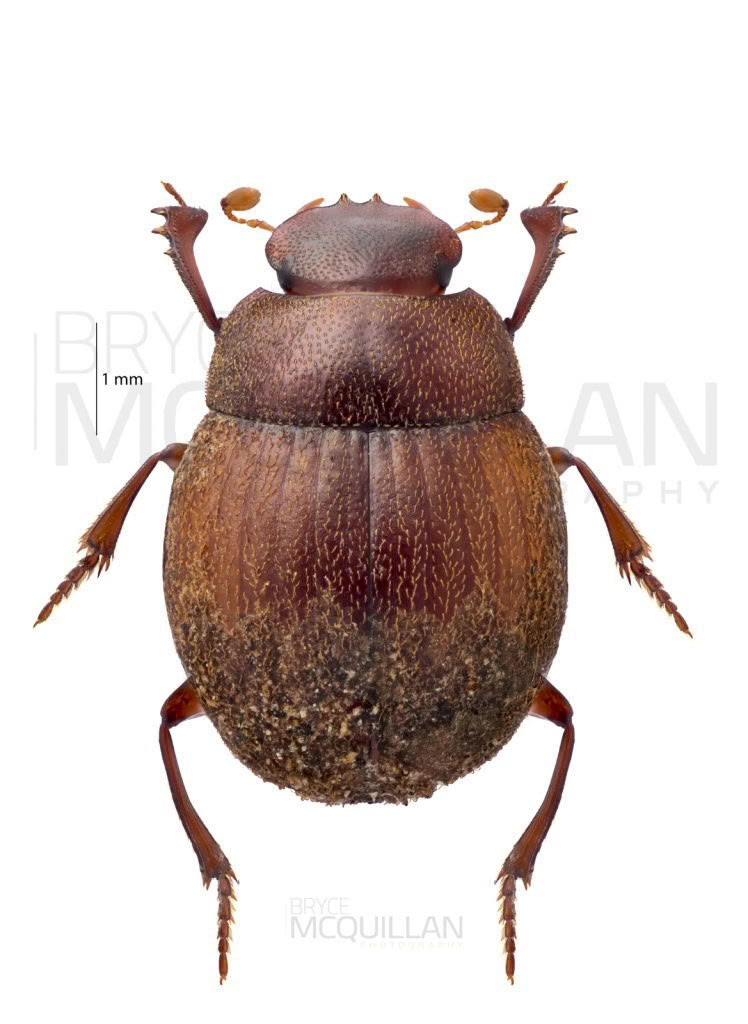
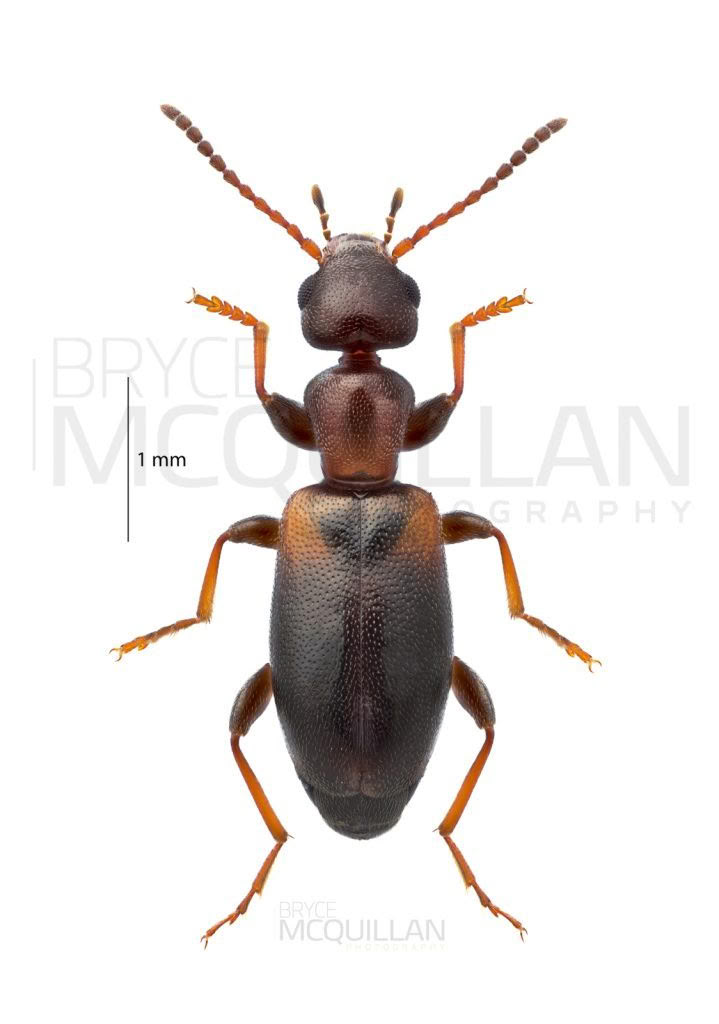
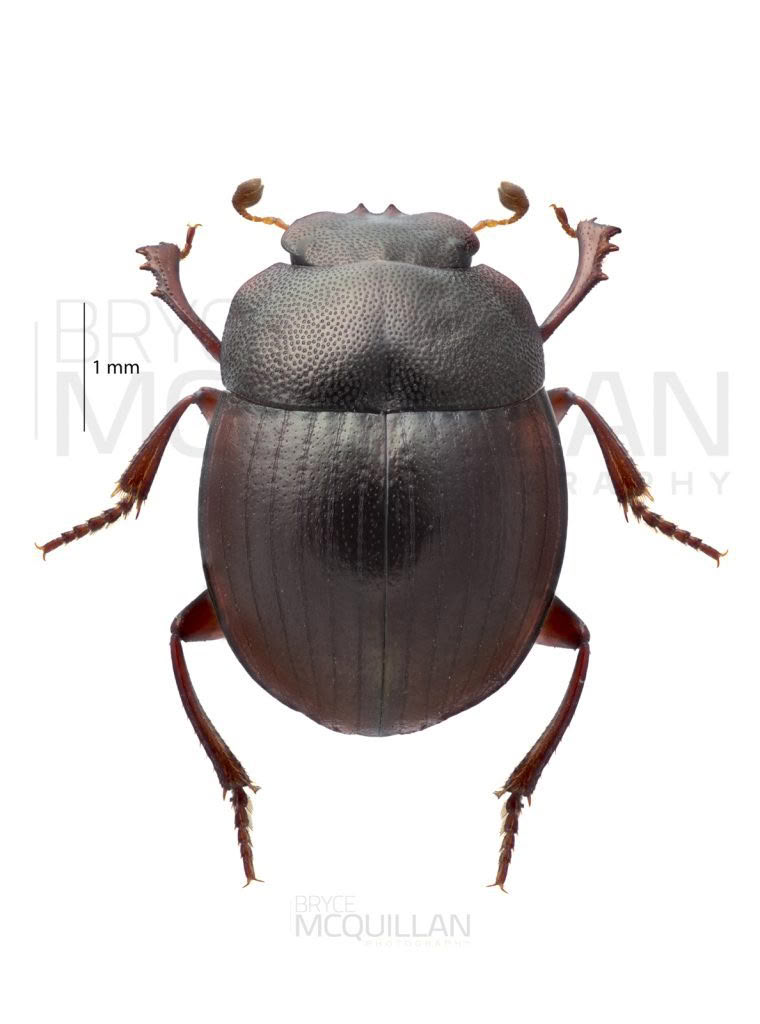
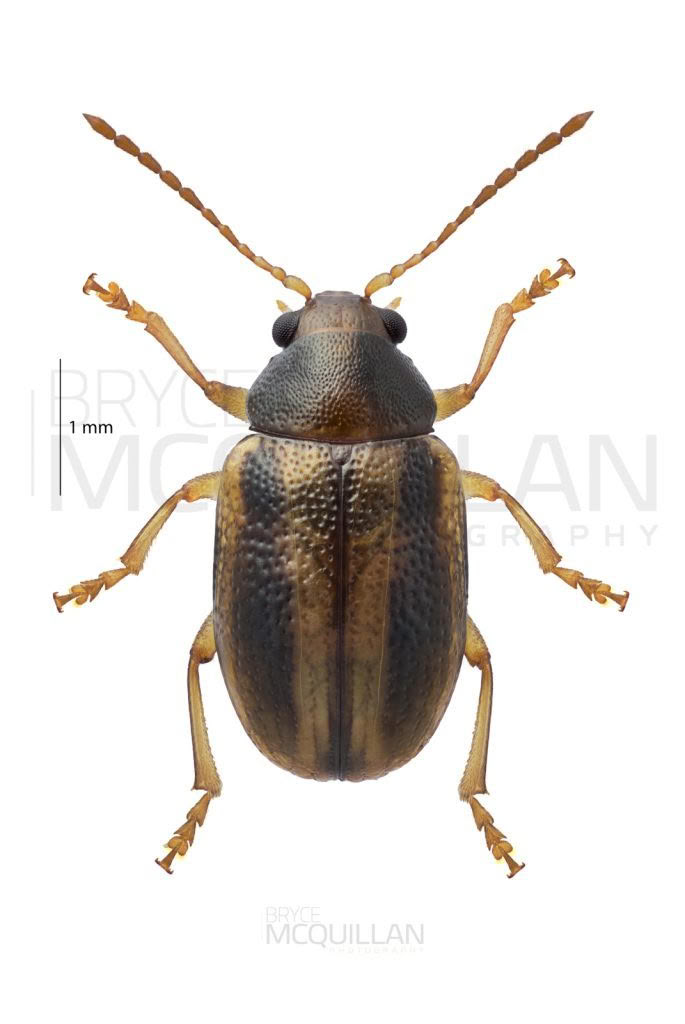
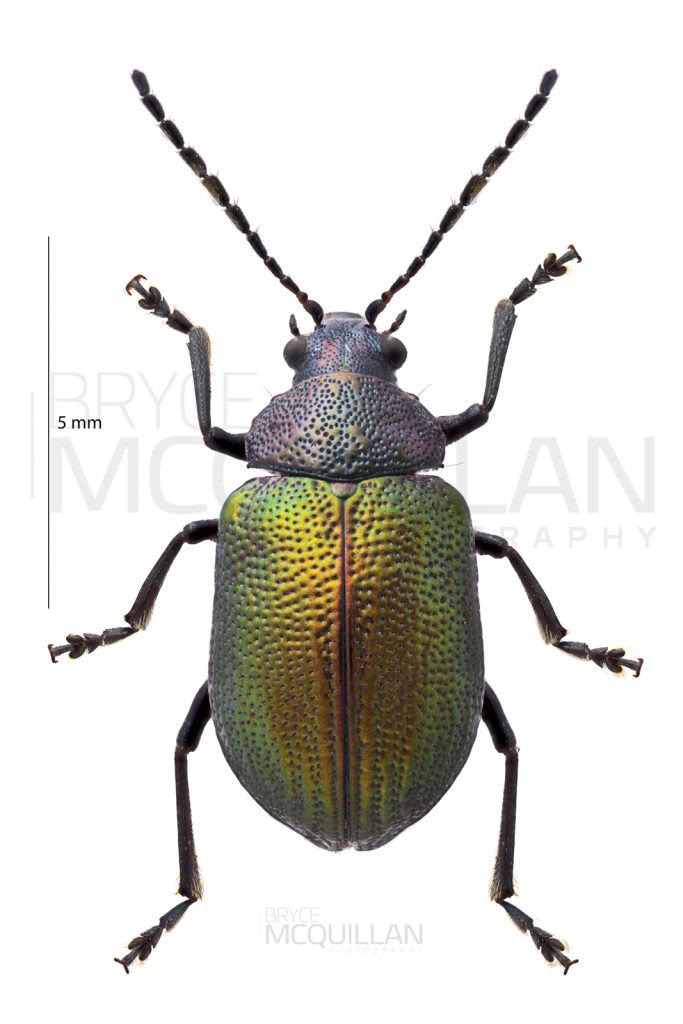
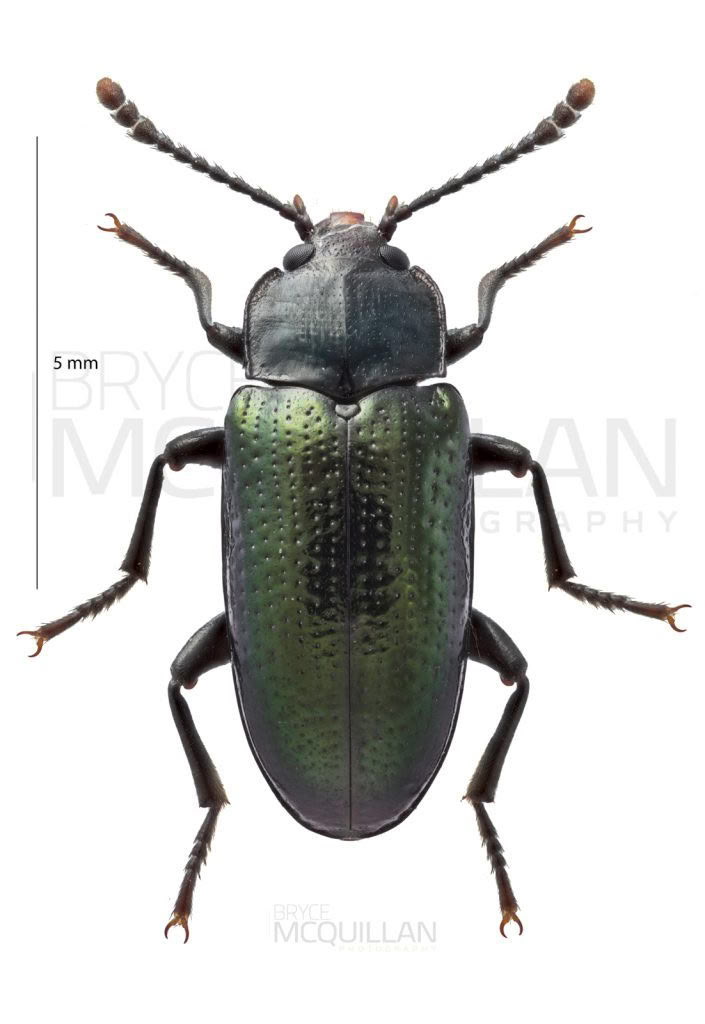
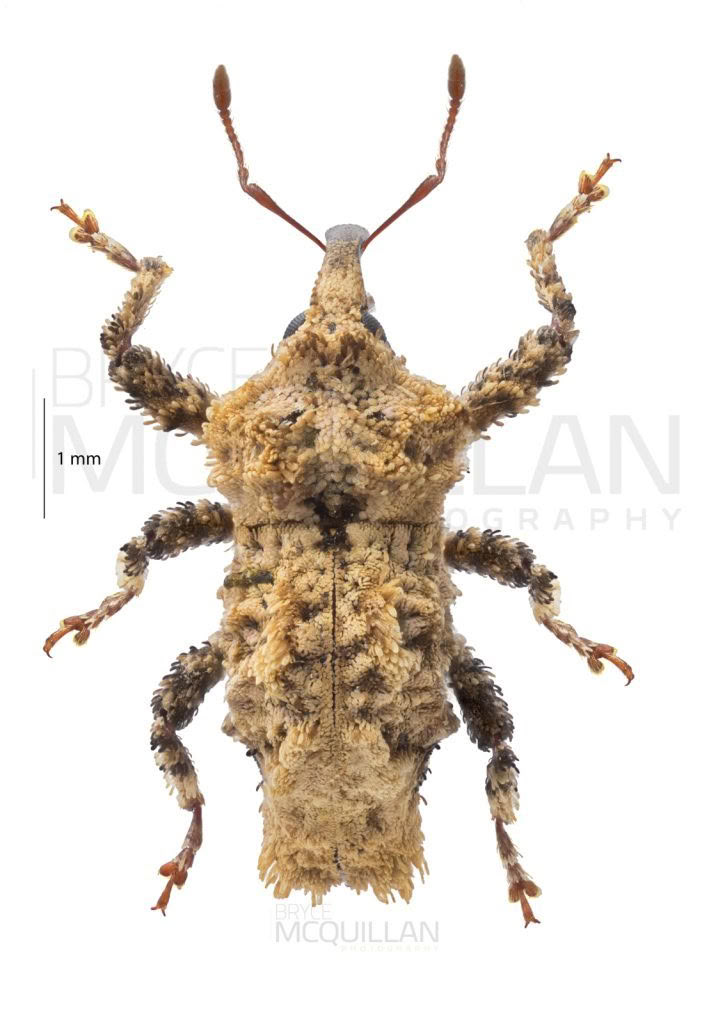
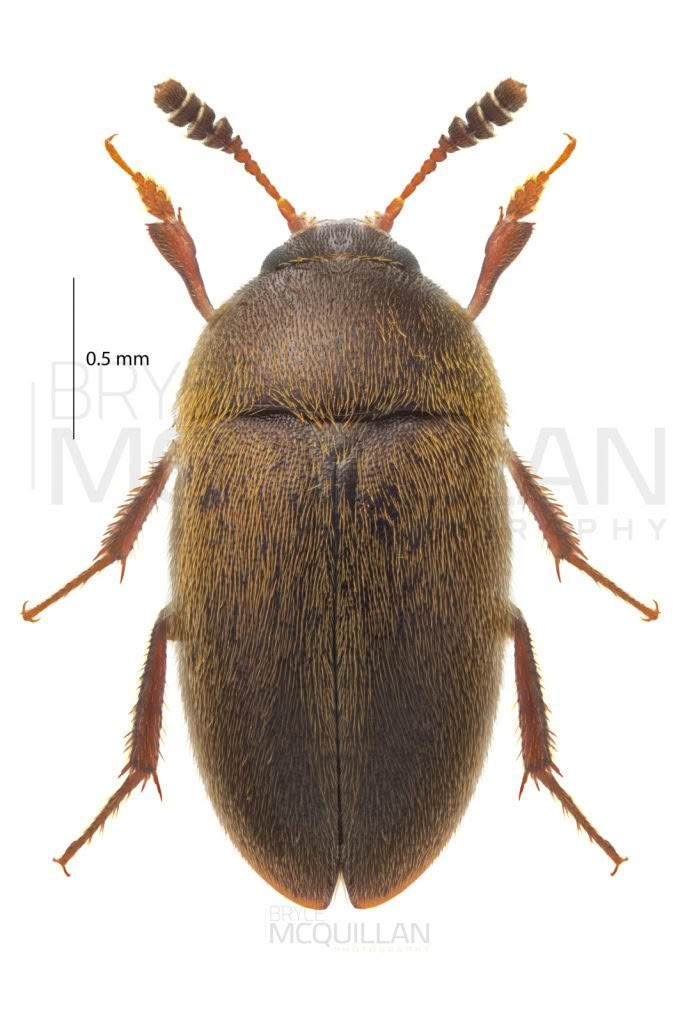
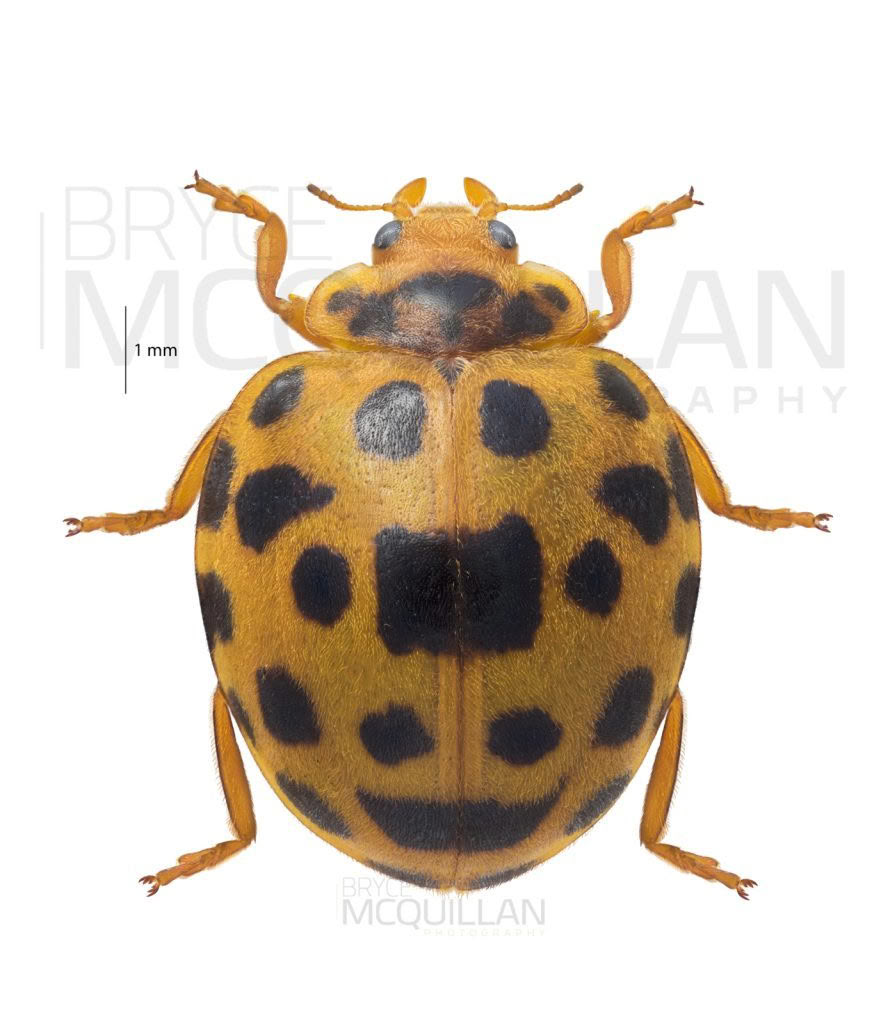
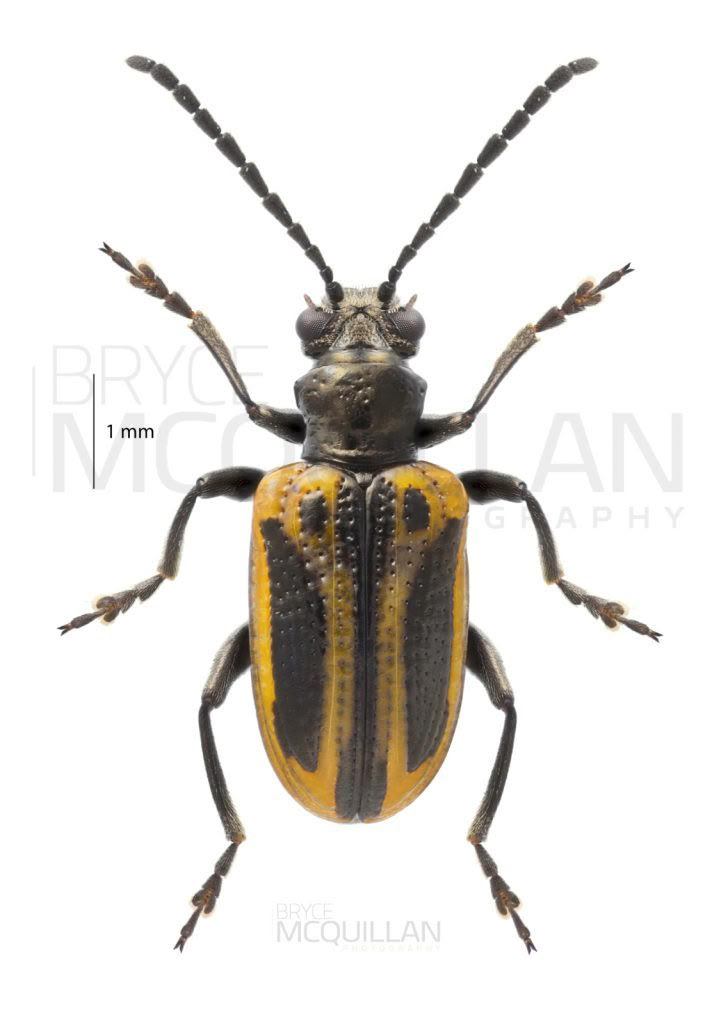
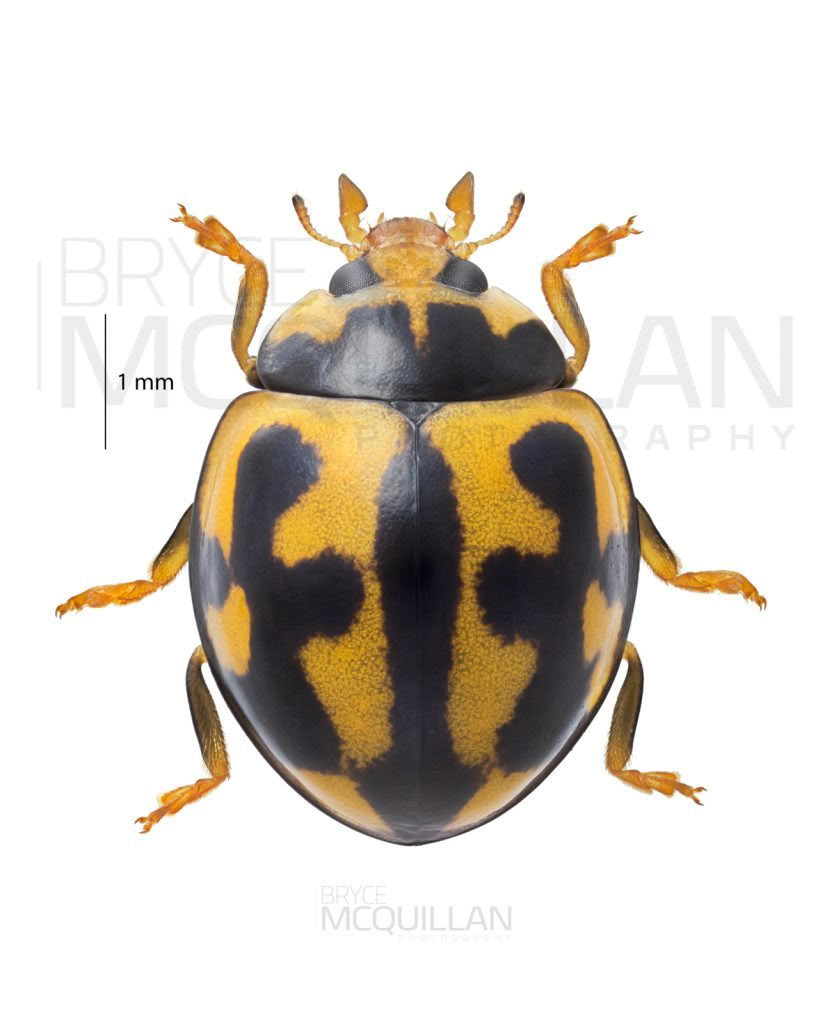
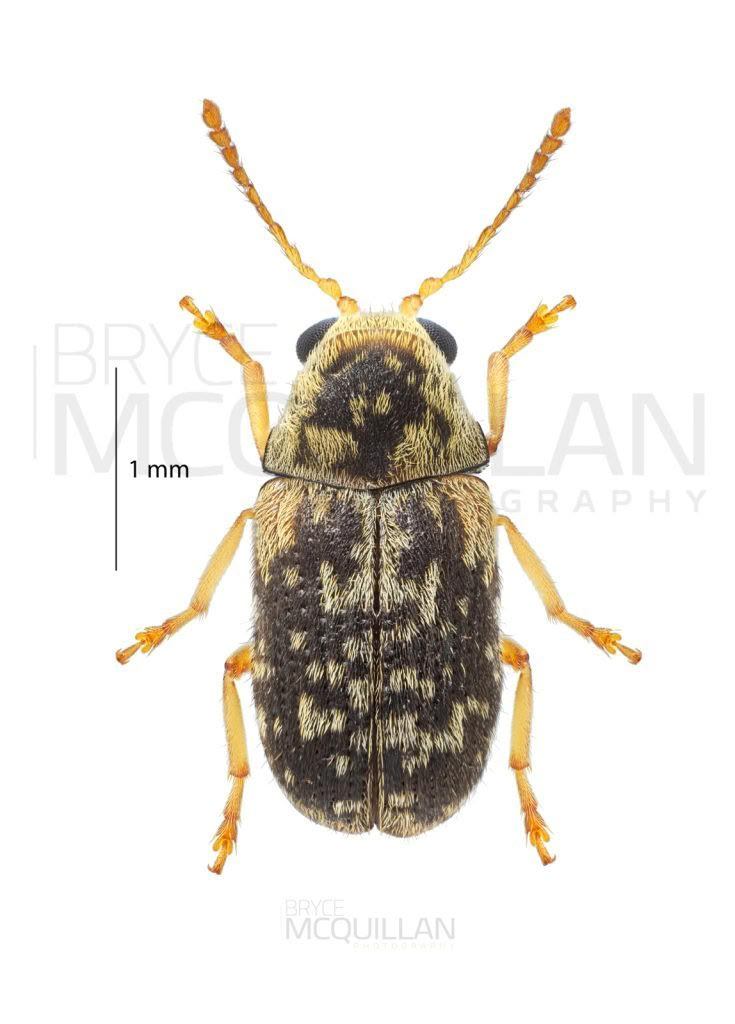
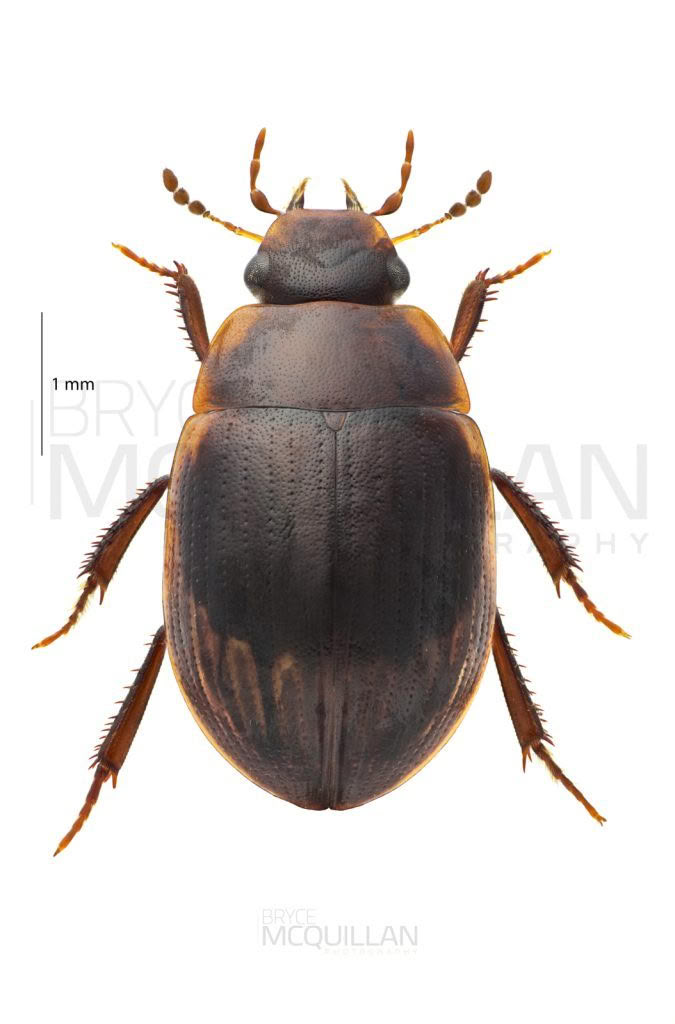
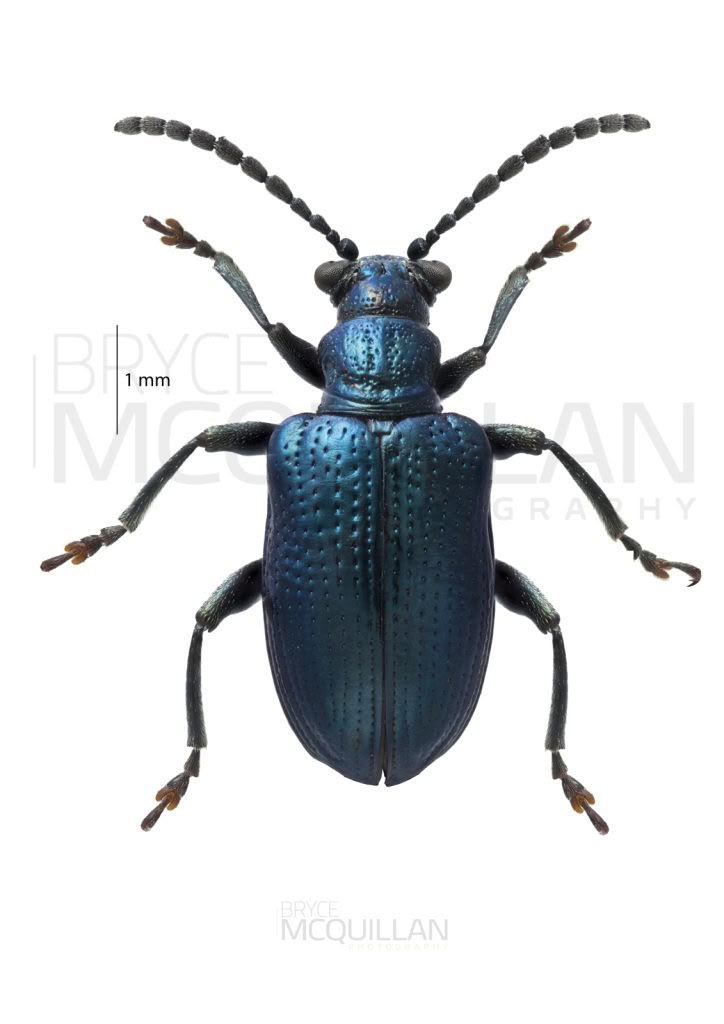
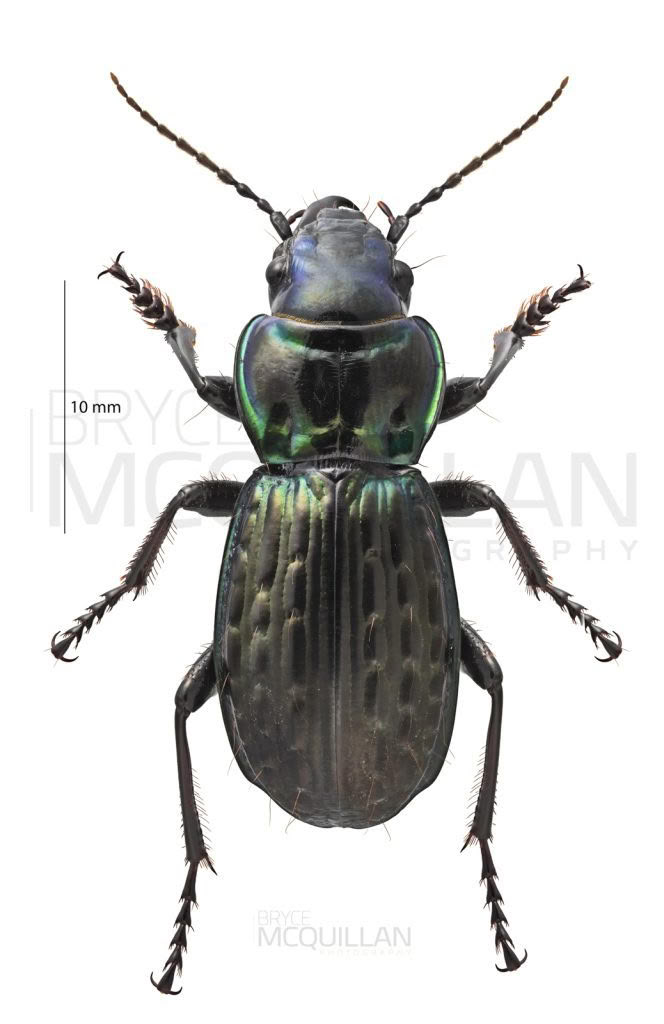
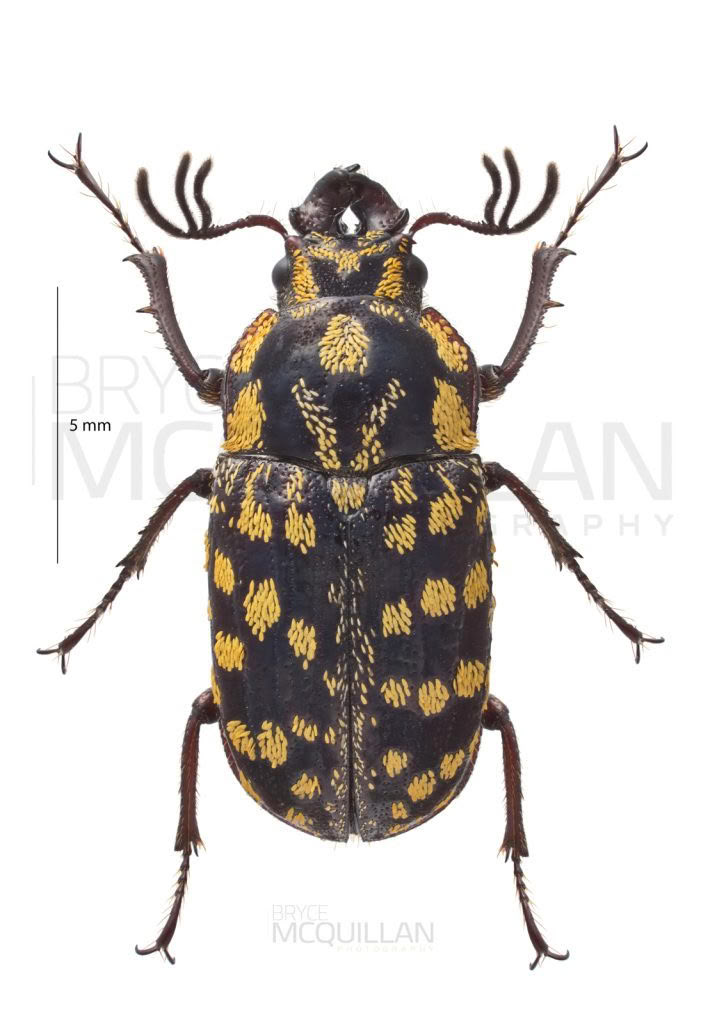
Zealanena crassa
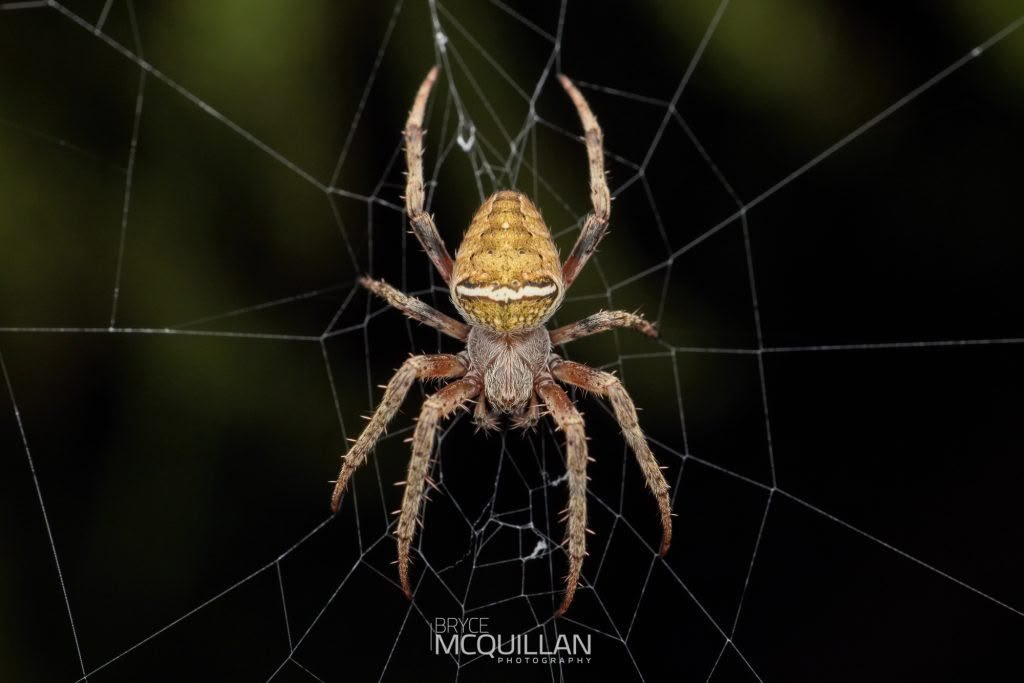
Zealaranea crassa is one of the more commonly encountered orb-web spiders in New Zealand, although its habitat preference is frequently mistaken. A common misconception is that this species occurs deep within native forest and as such, it is often misidentified as Zealaranea trinotata (see above) due to their similar appearance. In reality, Z. crassa is rarely found deep in native forest and is far more typical of forest edges, wetlands, and more open habitats.
In the Rotorua area, Zealaranea crassa is not especially common and the locations where I do encounter it often make it difficult to obtain a clean photograph of the spider in its web. This year, however, proved to be an excellent season for this species at Five Mile Wetland. Ongoing pest plant and animal control undertaken out by Ross and Sarah have had a noticeable impact, with a significant increase in invertebrate abundance across the reserve. Notably, all three Zealaranea species were recorded there this year.
One evening at this wetland with Kate, Wendy, Ross, and Sarah, we came across a stunning female Zealaranea crassa sitting prominently in her web. This allowed me to capture one of the best in-situ images I have achieved of this species.
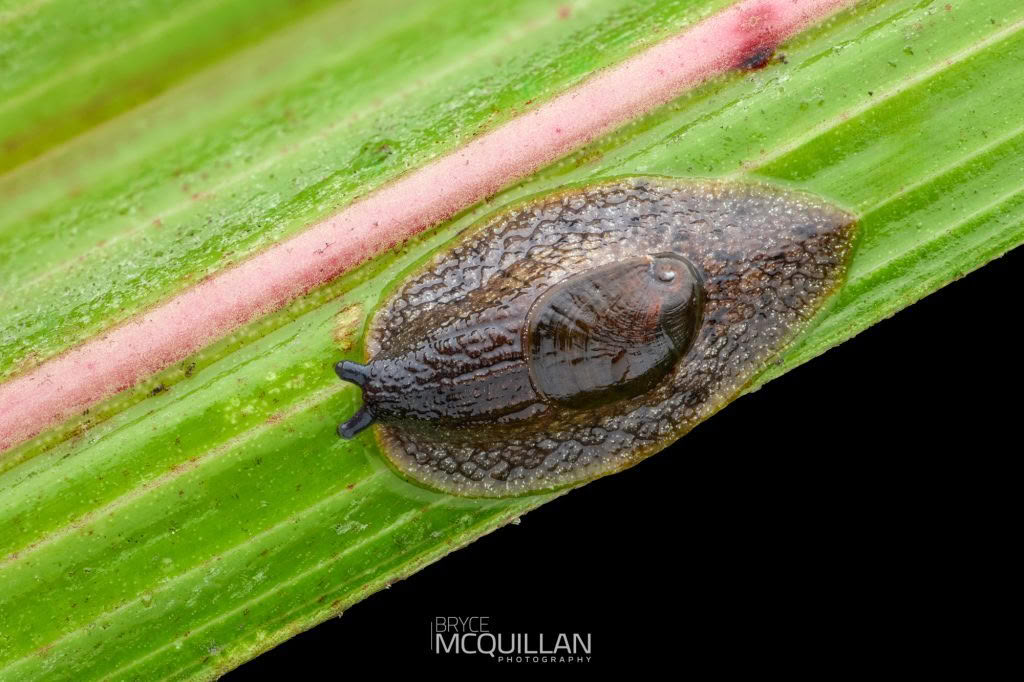
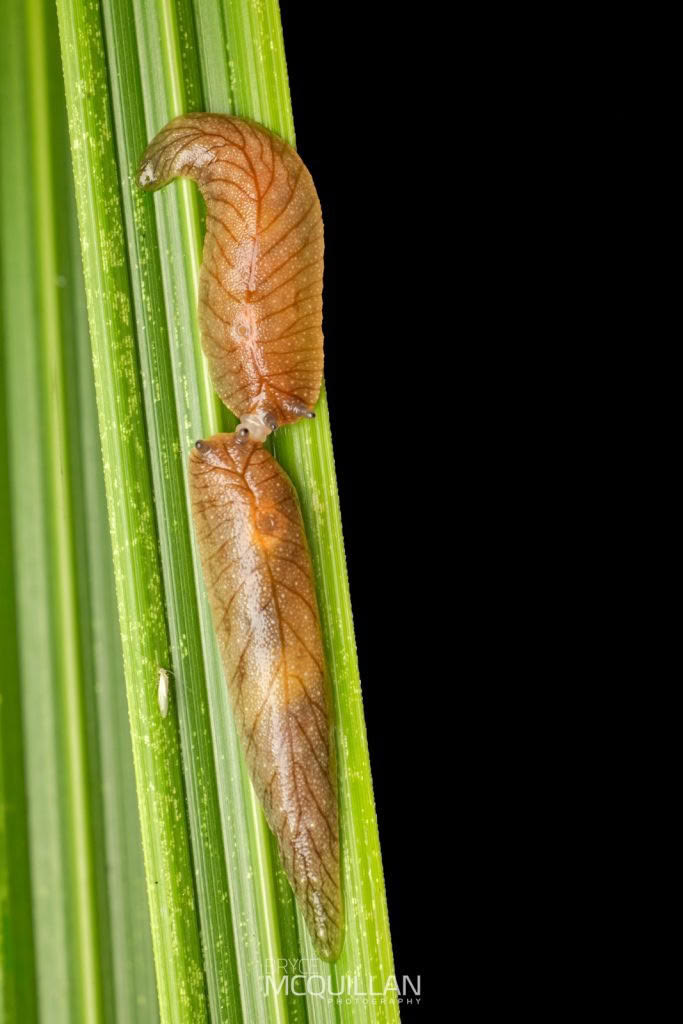
During this walk, we were also fortunate to come across leaf-veined slugs mating, something I had only witnessed once before, more than 15 years ago. Being able to document this behaviour was therefore particularly exciting.
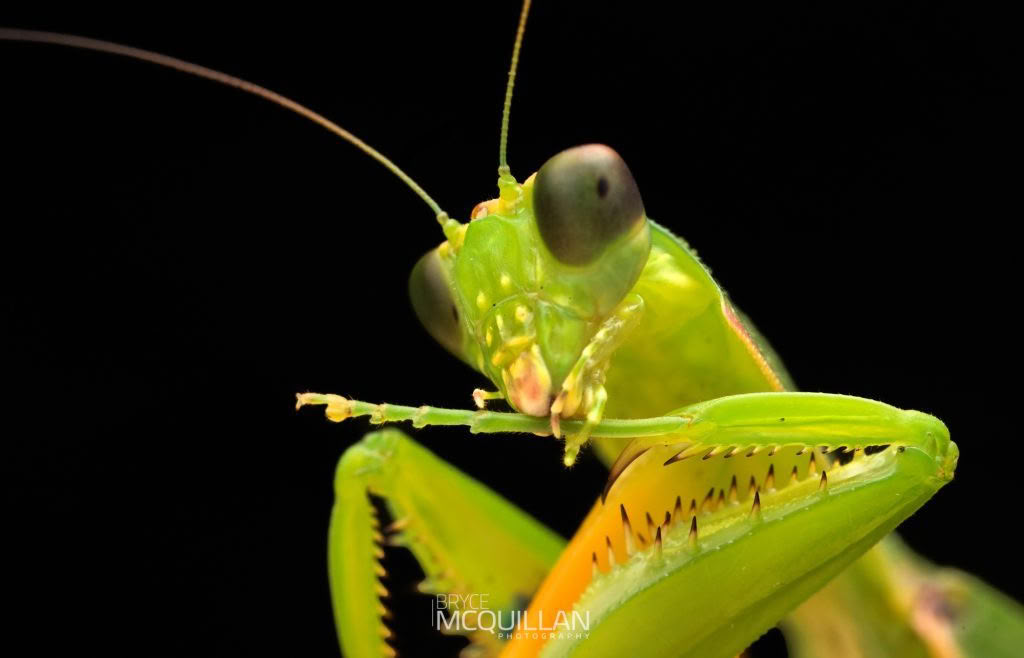
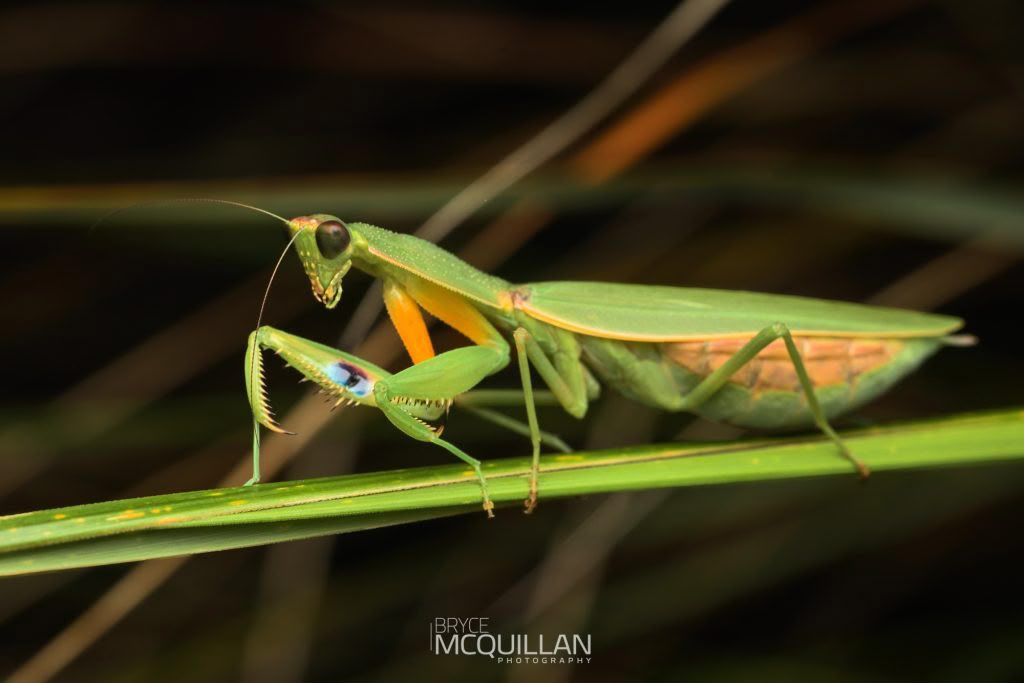
New Zealand praying mantis (Orthodera novaezealandiae)
As summer began to draw to a close, it felt like a good opportunity to try and capture some images of New Zealand’s endemic praying mantis (Orthodera novaezealandiae). This species is most often found along forest edges and within natural wetlands, generally later in the season, i.e. March/April. I had identified a few locations around Rotorua that supported small populations, so I was keen to photograph them before the season ended.
I invited my friend Davide along, who was just starting to get into macro photography. We were fortunate to come across a couple of female mantises and came away with some pleasing images. I hope to get some more photographs in 2026, hopefully Davide will be able to join me for that too.
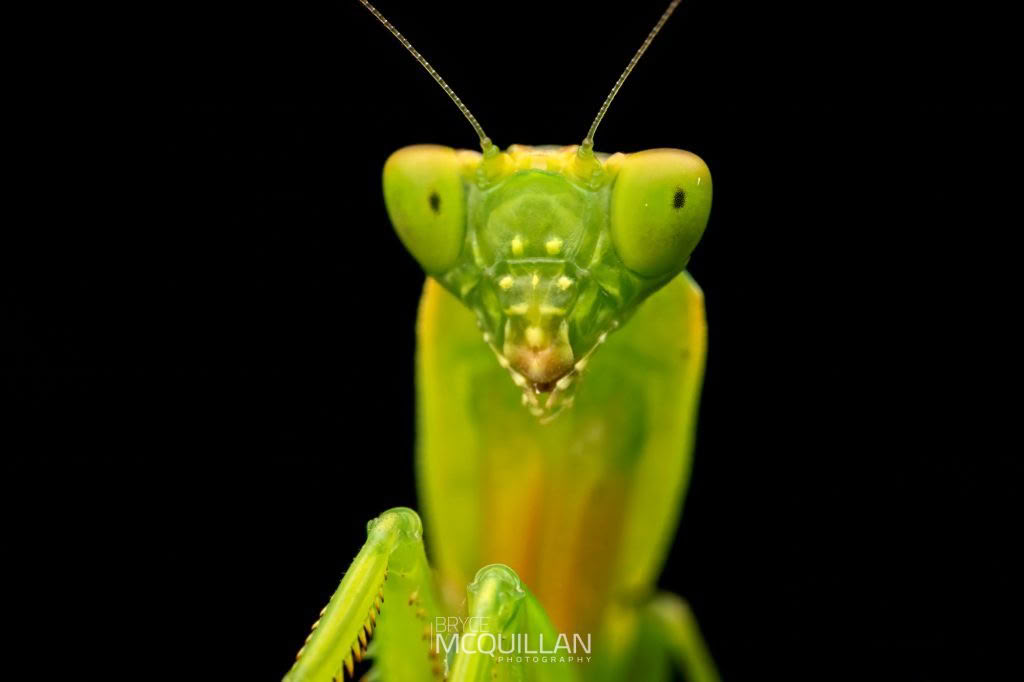
Bell frogs
Just before autumn set in, we headed out to try and find bell frogs, out at Lake Okareka. We had made an attempt earlier in the year, in early January, but that particular night was unusually cold, with temperatures around 11 °C, so we had little success locating any frogs.
This time, in late March, conditions were far more favourable and there was an abundance of frogs present. With four of us out photographing, the main challenge was ensuring everyone had a fair opportunity to spend time with each subject. Thankfully, the evening worked out extremely well, and we came away with images of both the Green and Golden Bell Frog (Litoria aurea) and the Southern Bell Frog (Litoria raniformis).
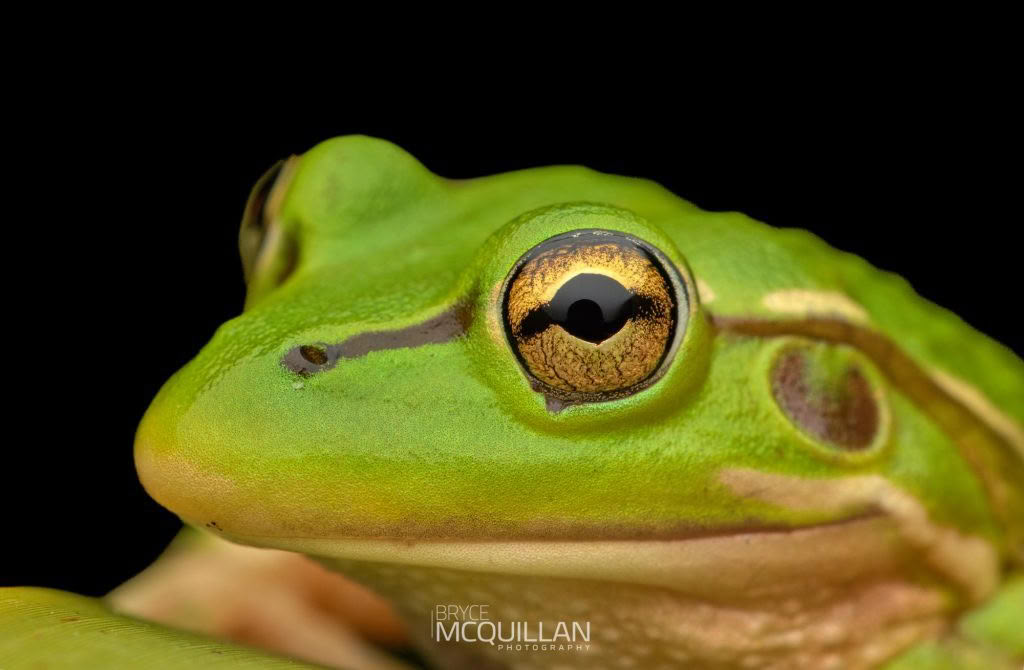
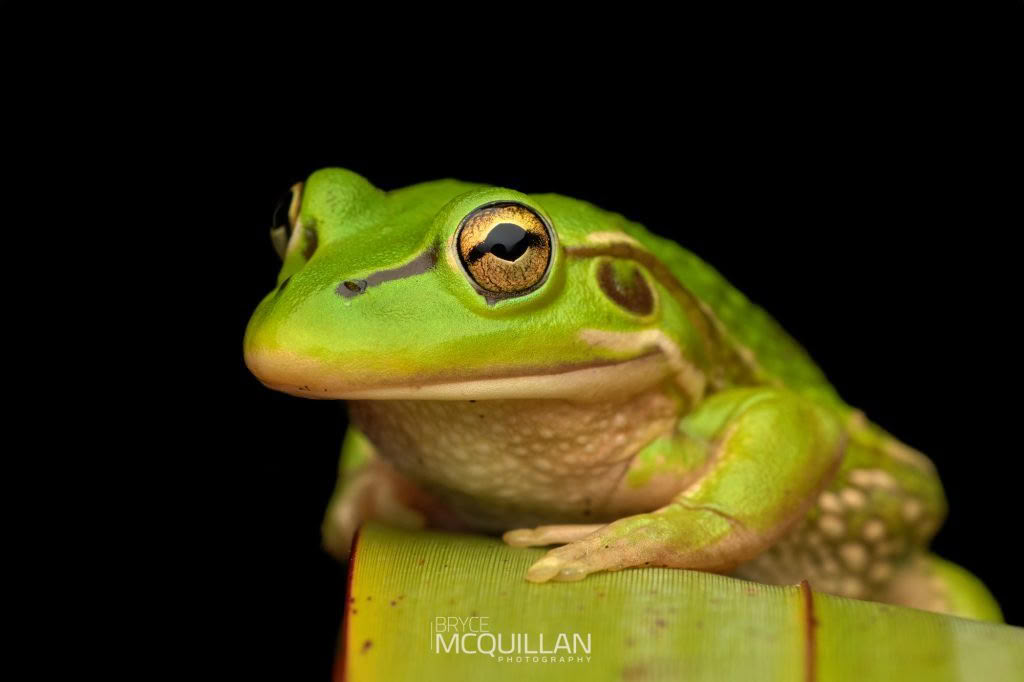
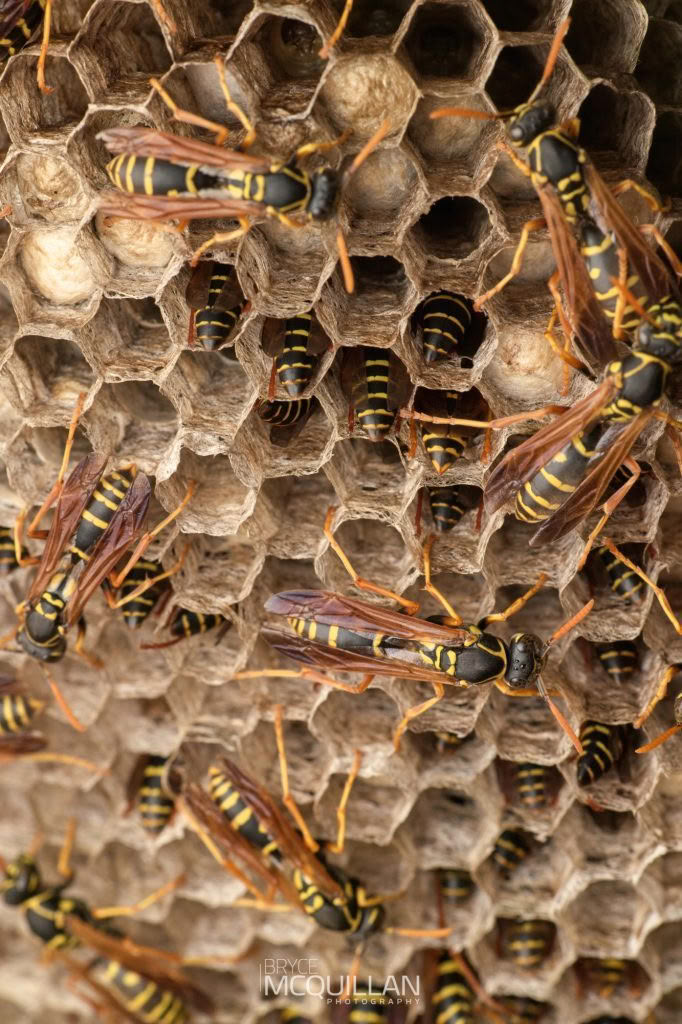
I was particularly keen to get some more images of the Southern Bell Frog (Litoria raniformis), which I had seen there a few years earlier. On this occasion, we located only a single, small individual, and it was only afterwards that we realised it was positioned very close to three reasonably large Asian paper wasp nests (Polistes chinensis). Fortunately, no one disturbed the nests, and everyone avoided being stung.
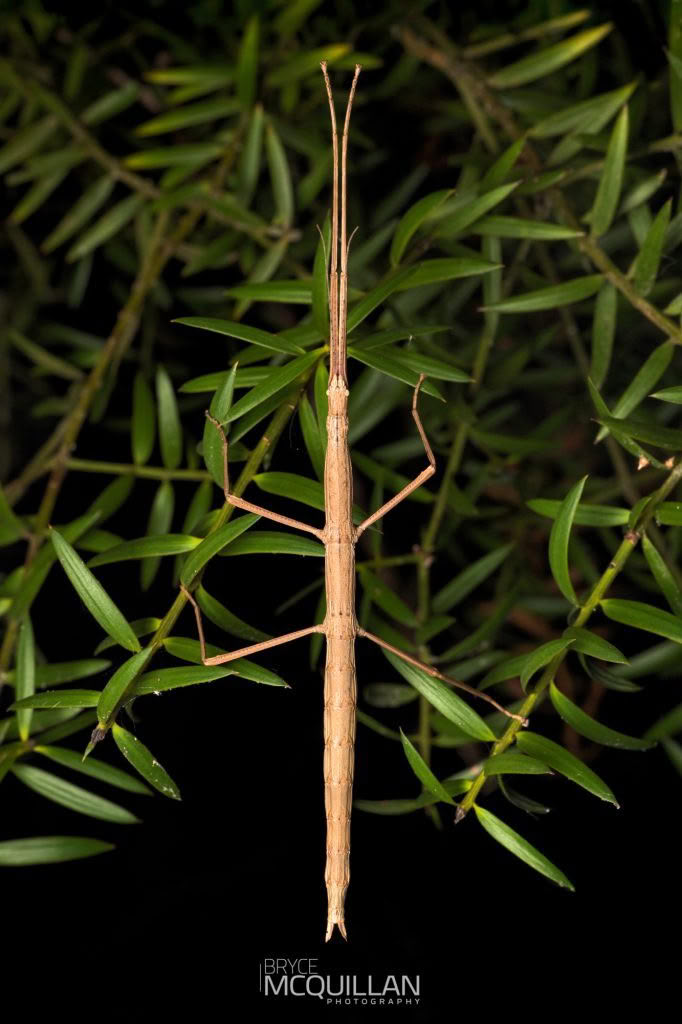
Near the top of the carpark, we also found a beautiful large Smooth Stick Insect (Clitarchus hookeri) feeding on tōtara, which provided another excellent photographic opportunity.
Rainbow Mountain – Courtaraneus orientalis searching
Late February to early March is often the best time to go searching for one of New Zealand’s largest endemic orb-web spiders (Courtaraneus orientalis) around Rotorua. This species holds a particularly importance for me. A few years ago, Angela and I set out specifically to find a male, because at that time, a male had never been located or collected. We were fortunate enough to find one, which was then sent to Cor Vink for confirmation.
The discovery of a male specimen allowed the species to be properly identified and formally reassigned from the genus Neoscona into a newly established, endemic New Zealand genus, Courtaraneus. This work led to a publication in New Zealand Journal of Zoology describing the new genus. Being involved in that publication and working alongside Cor Vink, Volker W. Framenau, and my wife, Angela McQuillan remains one of my greatest achievements to date.
For this reason, I try to visit the site that I collected the male and female from, at least once each year to check on the population. This year, I decided to take Brian and Connor along. Unfortunately, on this particular evening we found only one or two juveniles, which was a little disheartening given the travel time and effort required to reach the site.
On our return to the carpark, we decided to search the surrounding vegetation along the edge of the carpark, focusing on mānuka and flax. We were hoping to find subjects such as leaf-veined slugs and smooth stick insects (Clitarchus hookeri), which we were fortunate to encounter and which made for some easy and rewarding photographs.
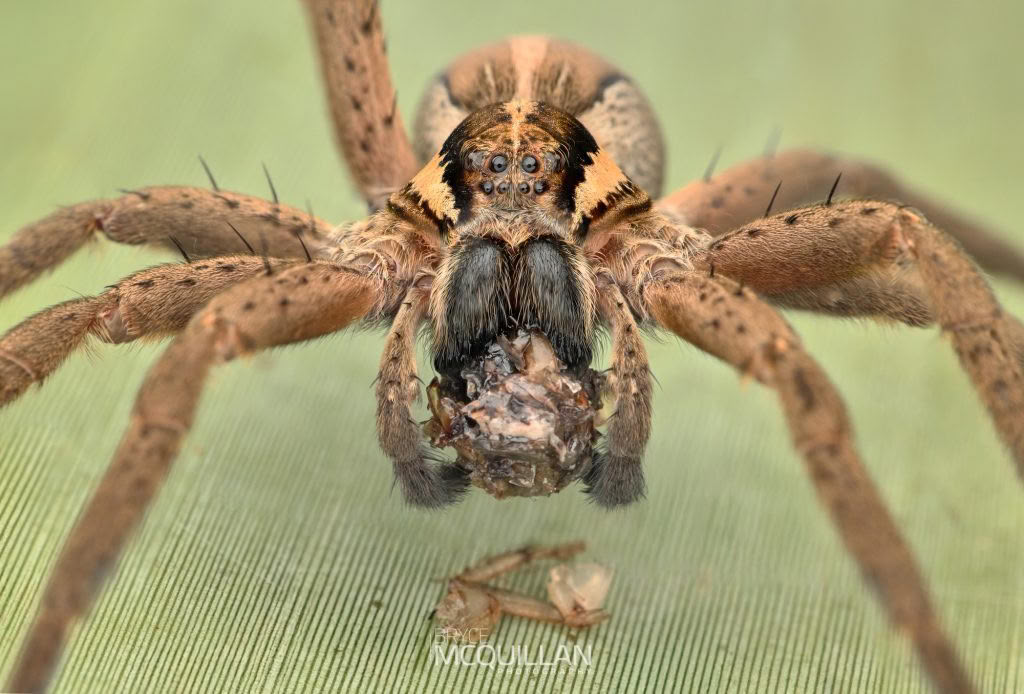
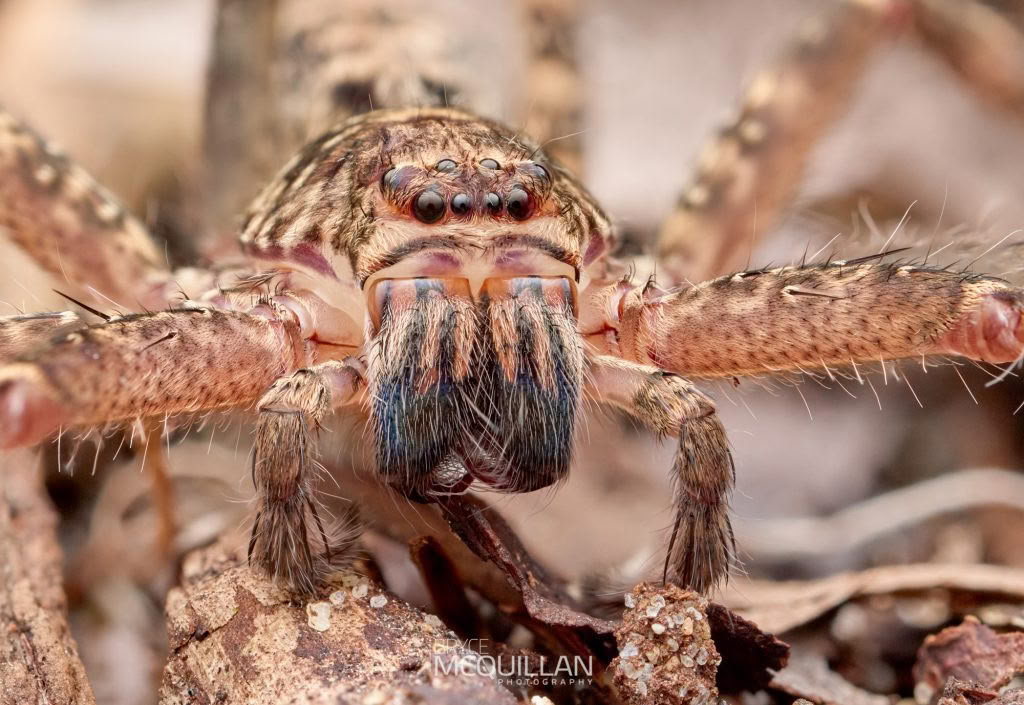
However, the standout find of the evening was a large female nursery web spider (Dolomedes minor) feeding on prey. This encounter allowed us to photograph a front-on portrait-style image of her feeding. That was certainly one of the highlights of the night.
I’ve always had a strong interest in Dolomedes. Back in 2010, I helped collect specimens for research that Cor Vink was working on and was later published as Fauna of New Zealand 64. Around that same time, a number of my images of Dolomedes were published in New Zealand Geographic as part of the article Aquatic Assassins. That was a pretty big moment for me, as it was my first time having images published in New Zealand Geographic.
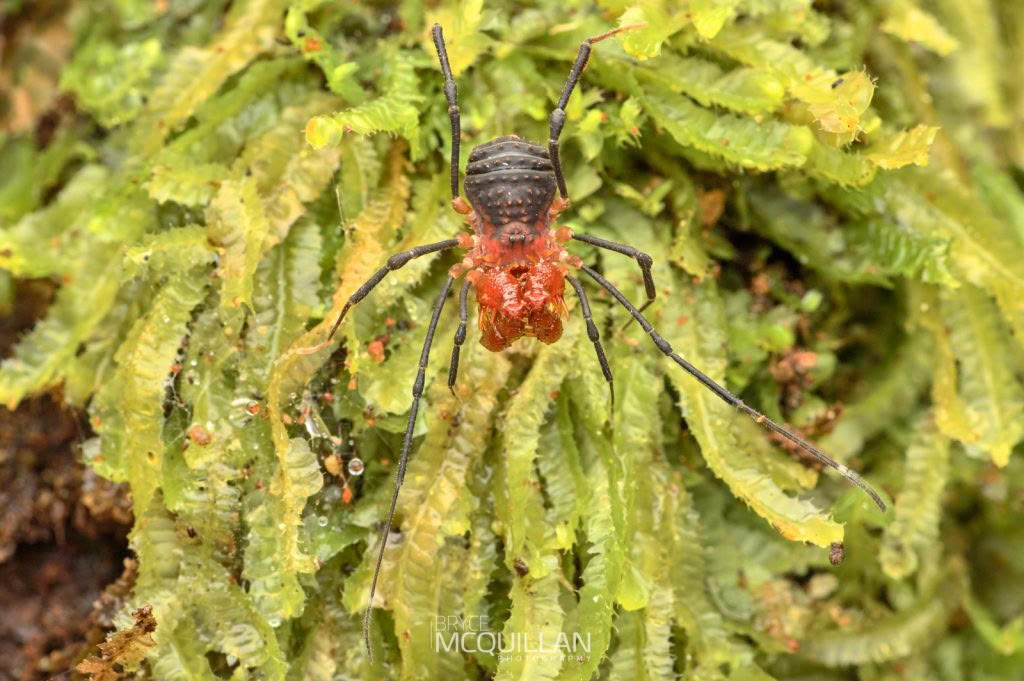
Mating slugs & Harvestmen on a wet rainy night.
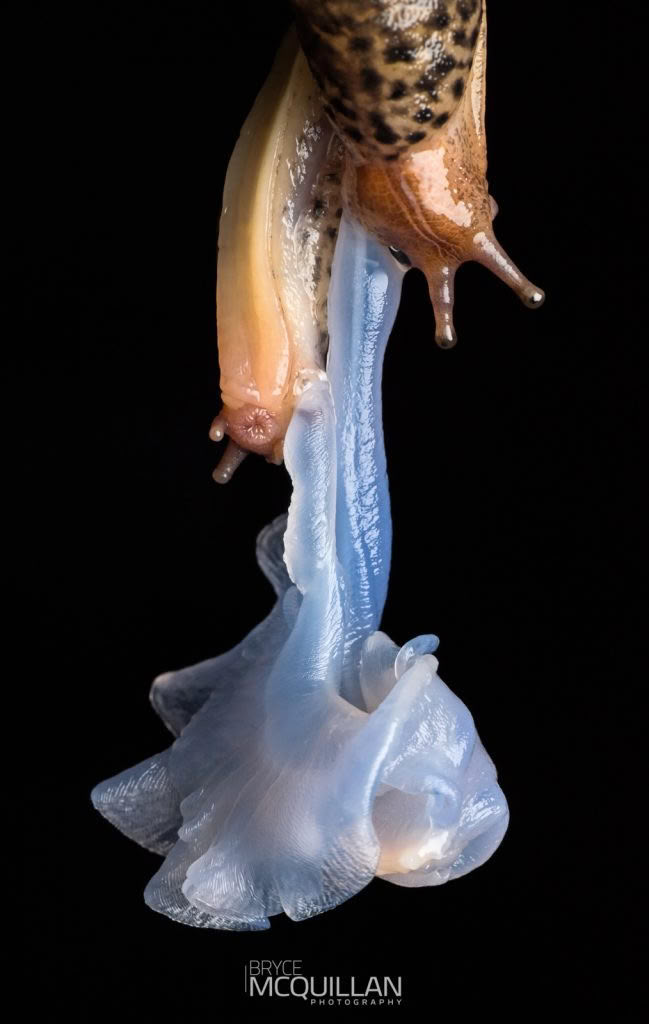
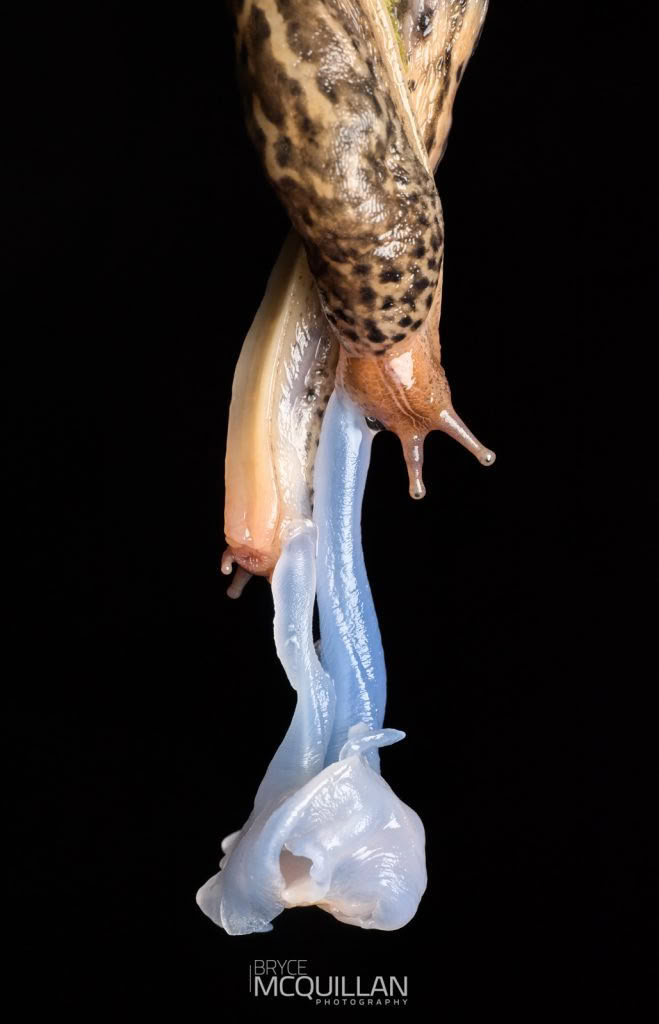
As Autumn set in, the temperature started to drop, so on any warm/wet night I often tried to take the opportunity to get out and see what I could find to photograph. One particular evening, Brain, Connor and myself had not seen a huge range of subjects for the typical walk we do, despite it being a fairly warm and damp evening. However, we did come across a pair of Leopard Slugs (Limax maximus) mating. While introduced yes, it is a behaviour that I hadn’t seen for at least 10 years and it’s a fascinating site to watch.
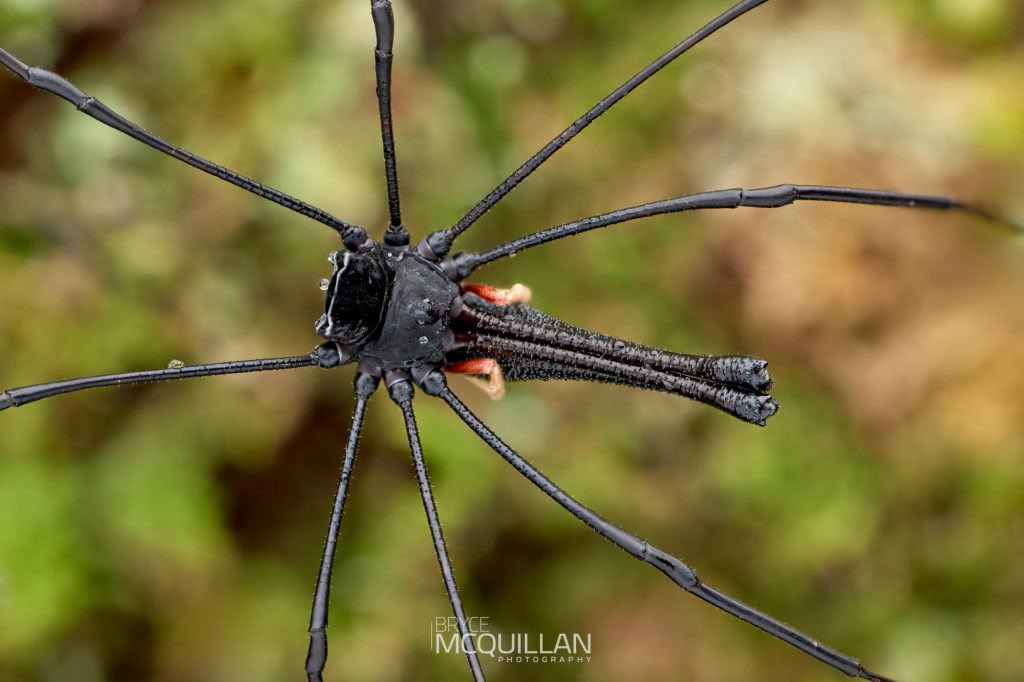
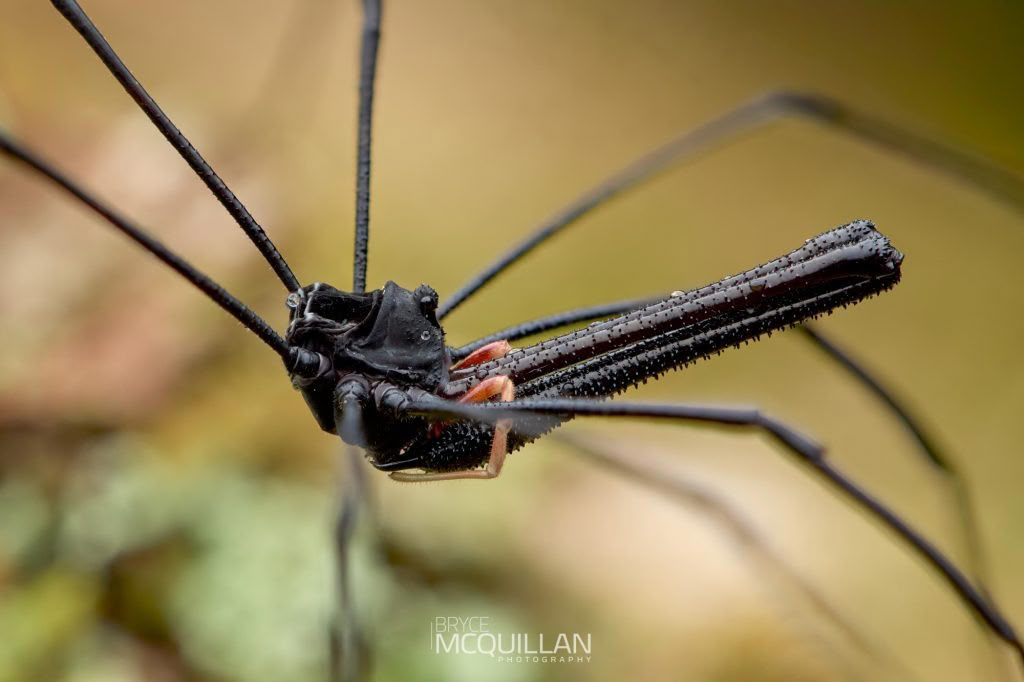
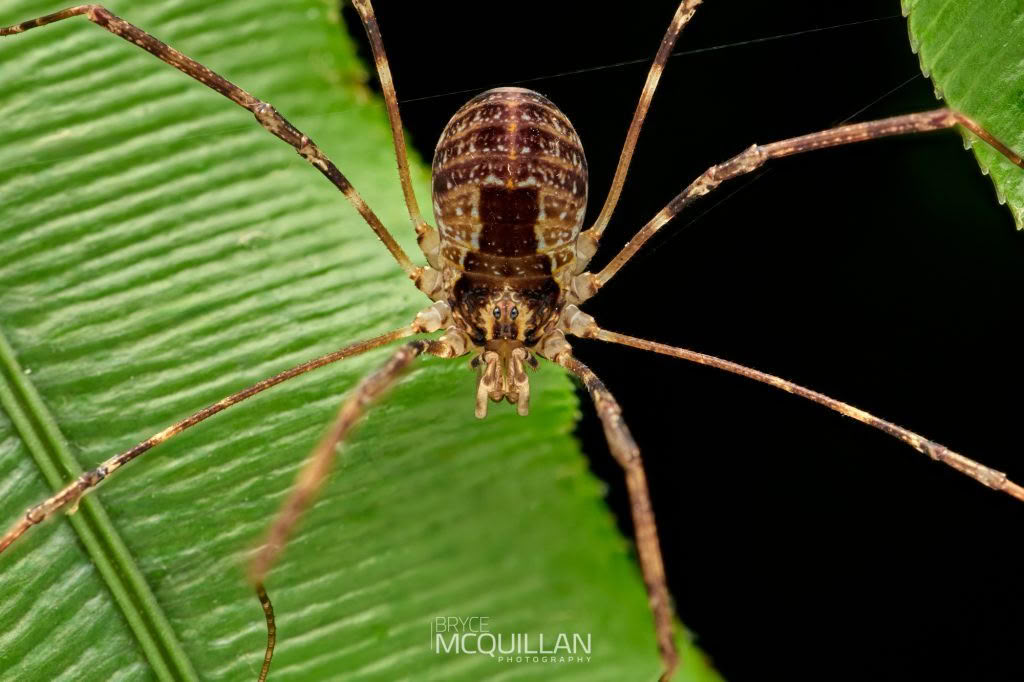
We were also lucky to find a couple of good size harvestmens (Soerensenella rotara) out on the moss, making for some neat images.
Leopard Slugs (Limax maximus) mating
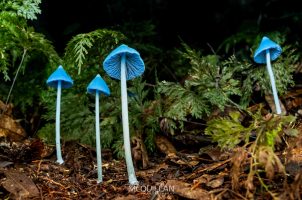
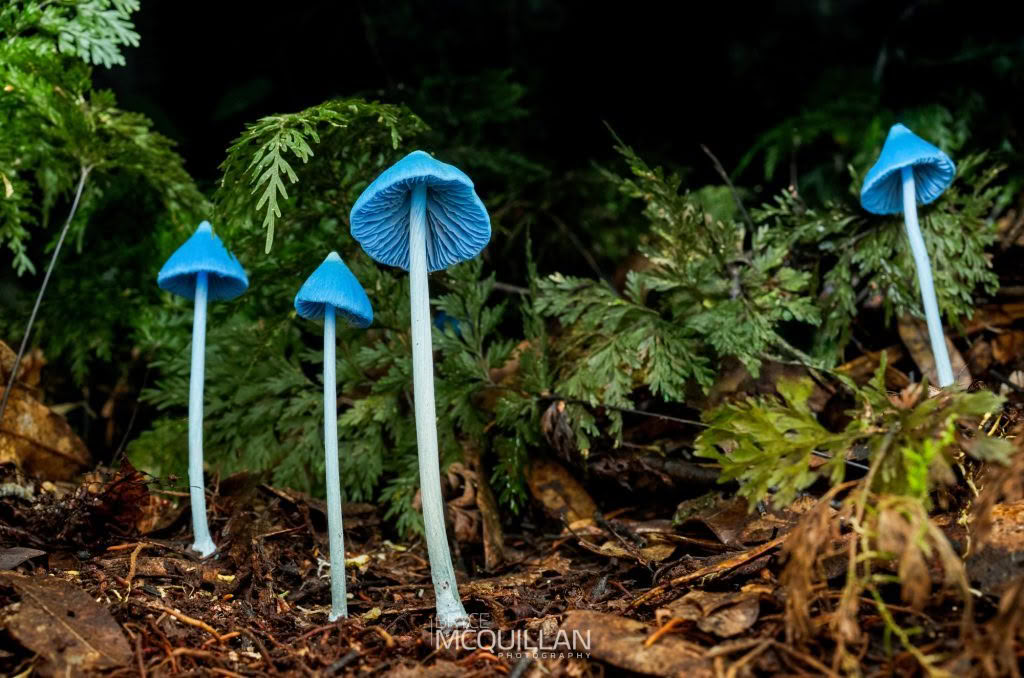
Entoloma hochstetteri – New Zealand blue Entoloma fungi
Entoloma hochstetteri is a striking blue fungi that is featured on New Zealand’s $50 note. While it is always spectacular to encounter in the field, this year there was an exceptional display in a reserve just outside Rotorua, where I counted well over 300 individuals in a single evening.
I was fortunate to photograph this event alongside a fellow Rotorua-based photographer, Tony Whitehead, who is an outstanding wildlife photographer.
On this occasion, I decided to experiment with a wide-angle macro, using a Canon RF 35mm macro lens paired with a speedlite and a custom-built diffuser. This setup allowed me to work low to the ground and achieve a larger-than-life perspective, giving the fungi a strong sense of scale and a more immersive, dynamic look.
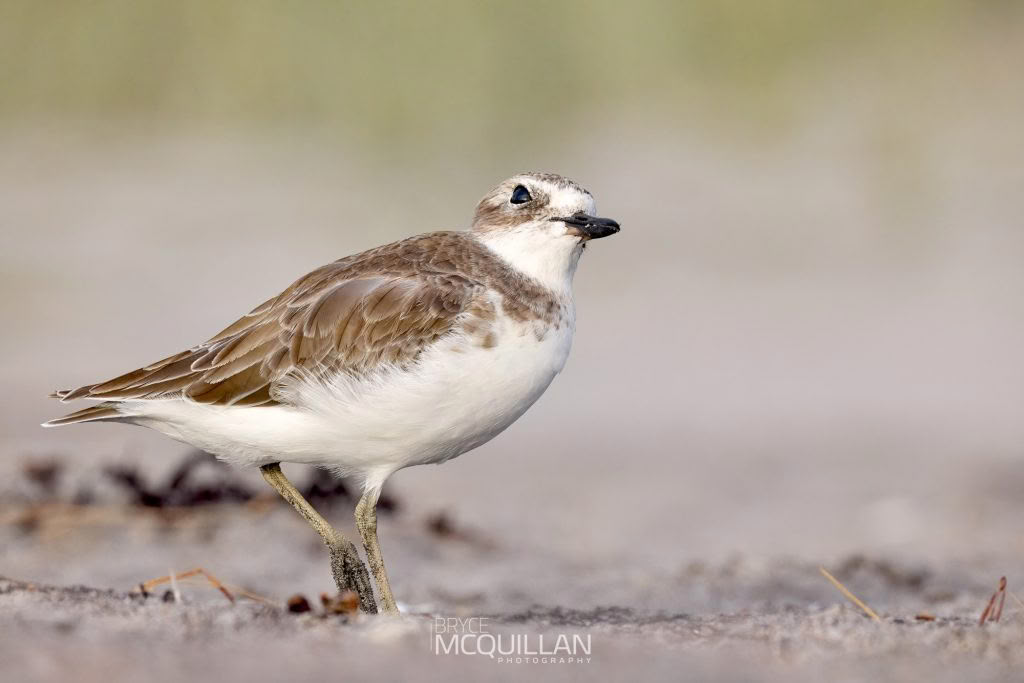
Early morning New Zealand Dotterel photoshoot.
I was fortunate to borrow a Canon RF 200–800mm lens while running workshops alongside Canon New Zealand. I took the opportunity to put this impressive lens through its paces during an early morning outing to Pukehina Spit with fellow bird photographer Mike Vincent. We timed our visit to coincide with sunrise and high tide, which meant the birds were feeding much closer than they would have been at low tide, giving us a far better chance of capturing strong images.
We were treated to a fantastic display of flying shorebirds, including Wrybill and New Zealand dotterel. I was particularly surprised when one dotterel approached far closer to me than I expected, well inside the minimum focus distance of the 200–800mm (80 cm).
Click on images to enlarge
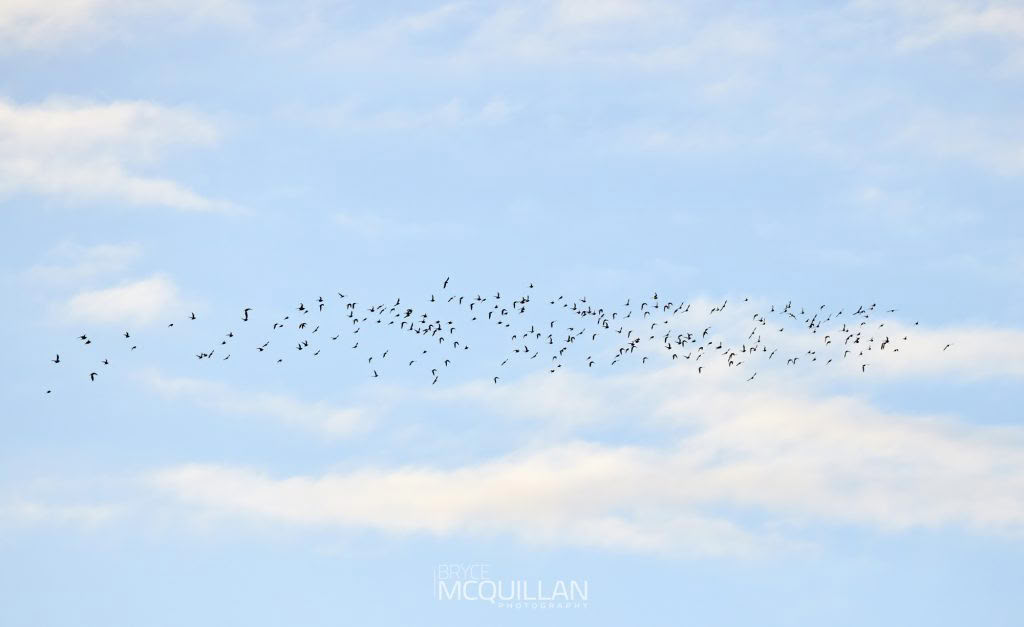
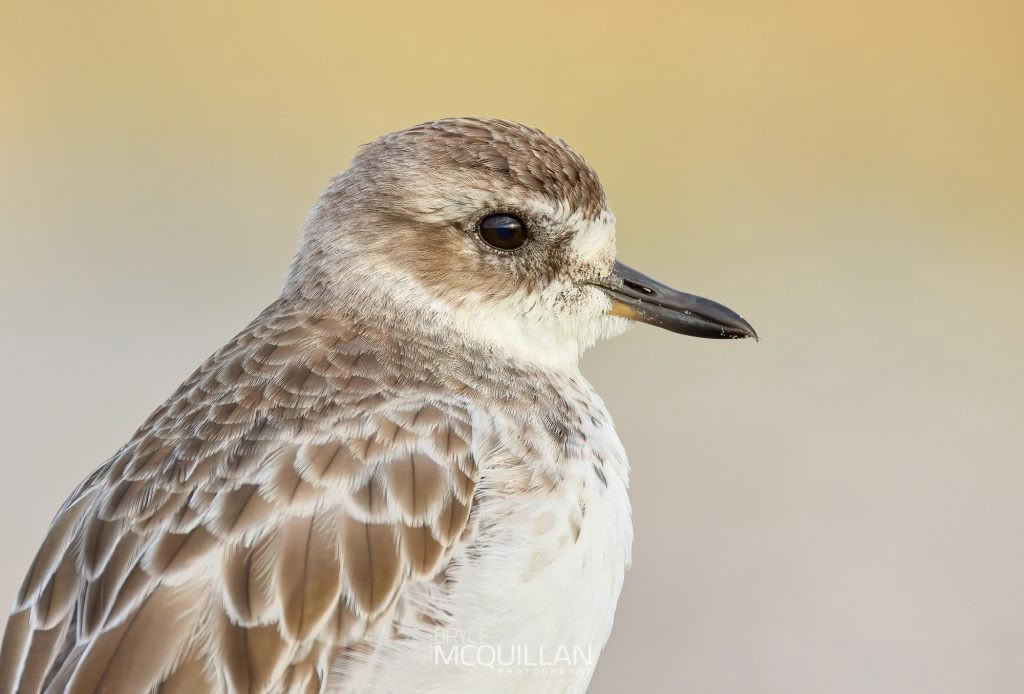
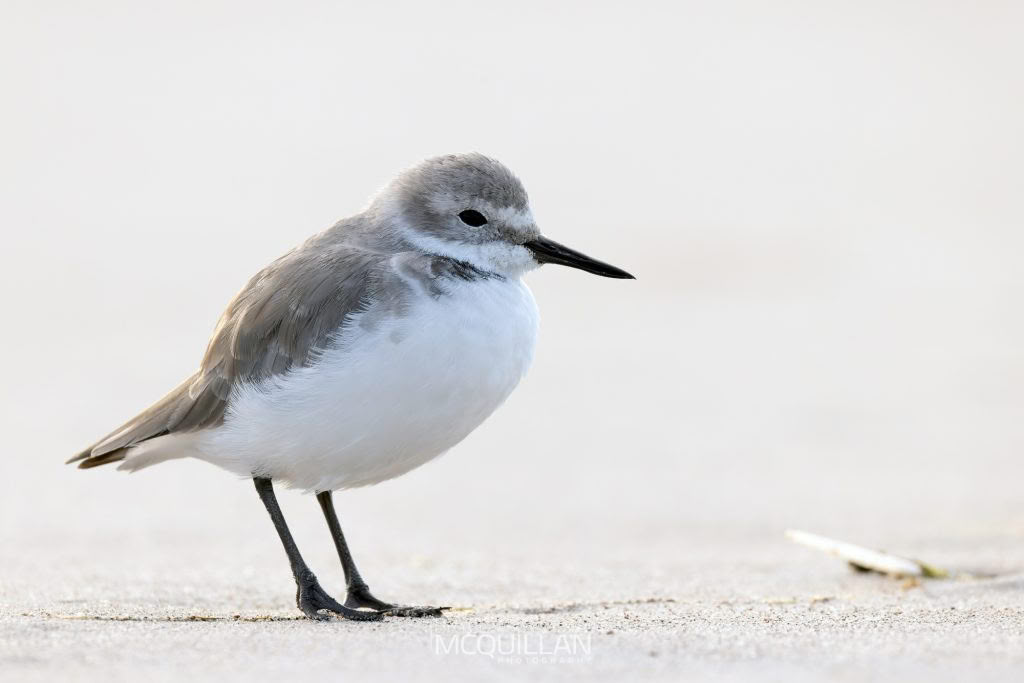
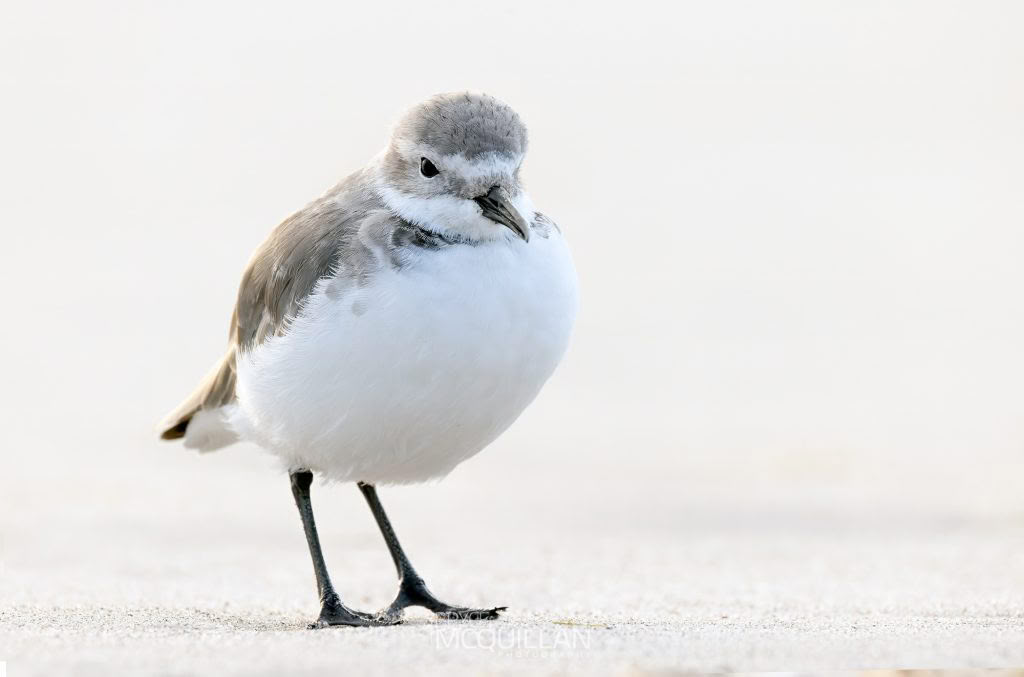
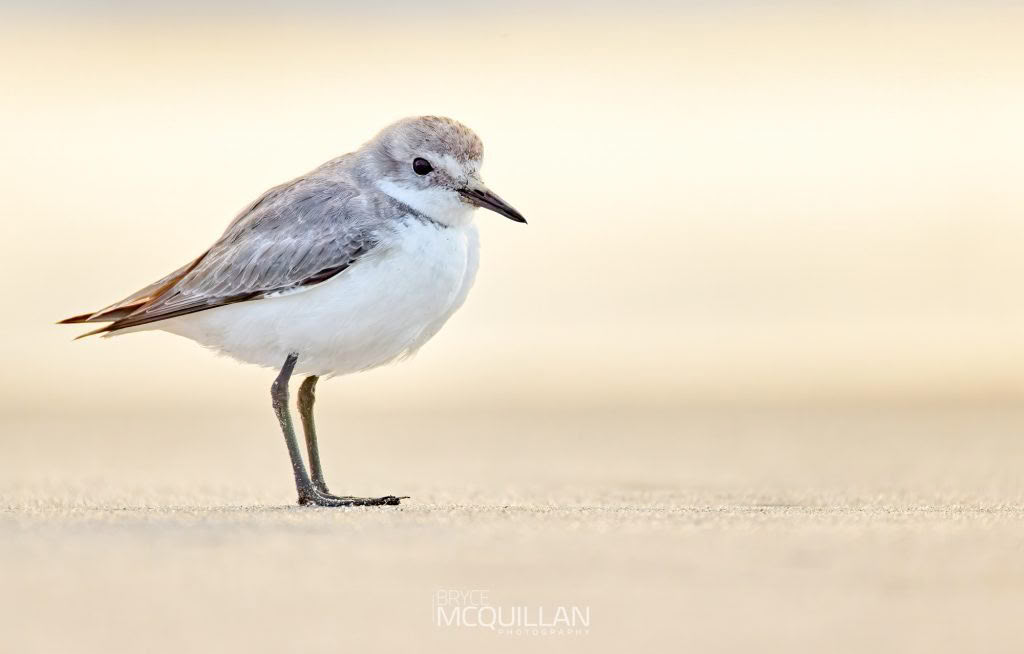
New Zealand dotterel | Tūturiwhatu – Click on image to enlarge
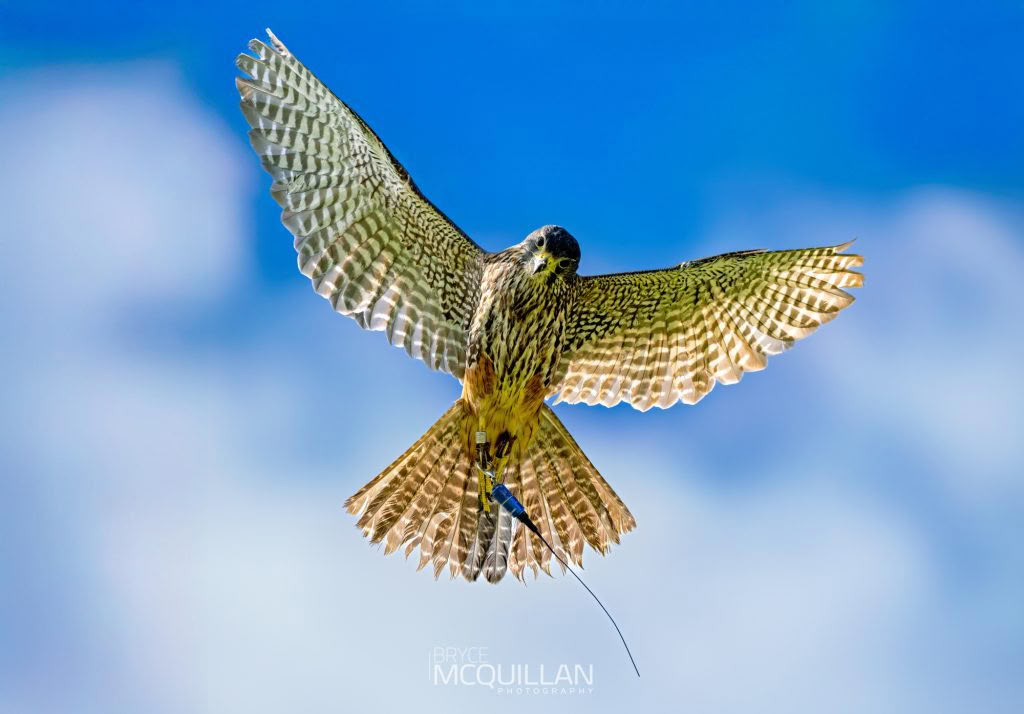
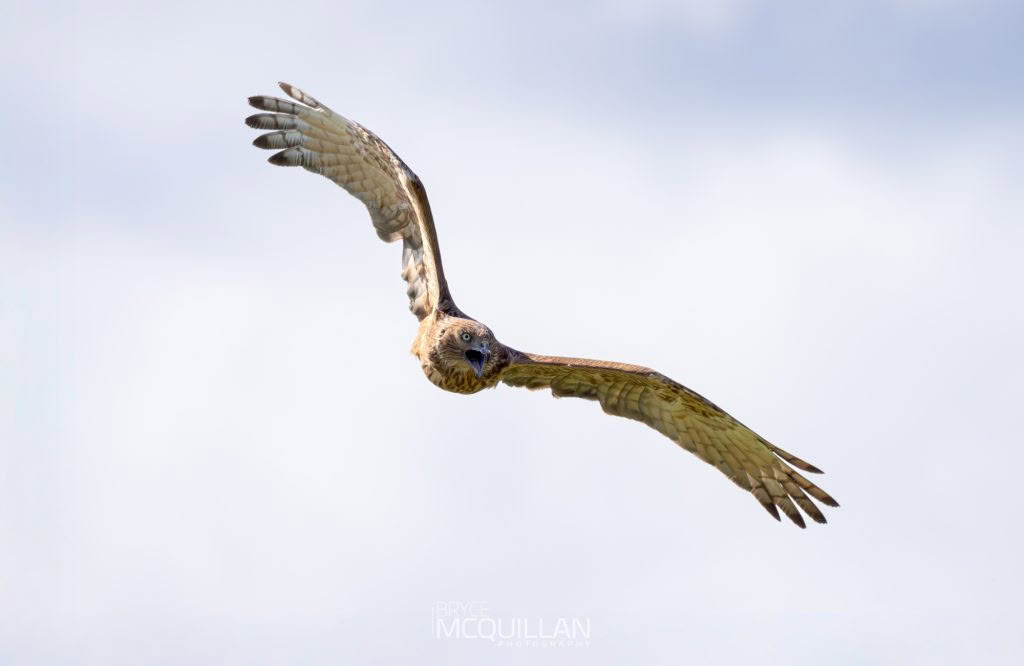
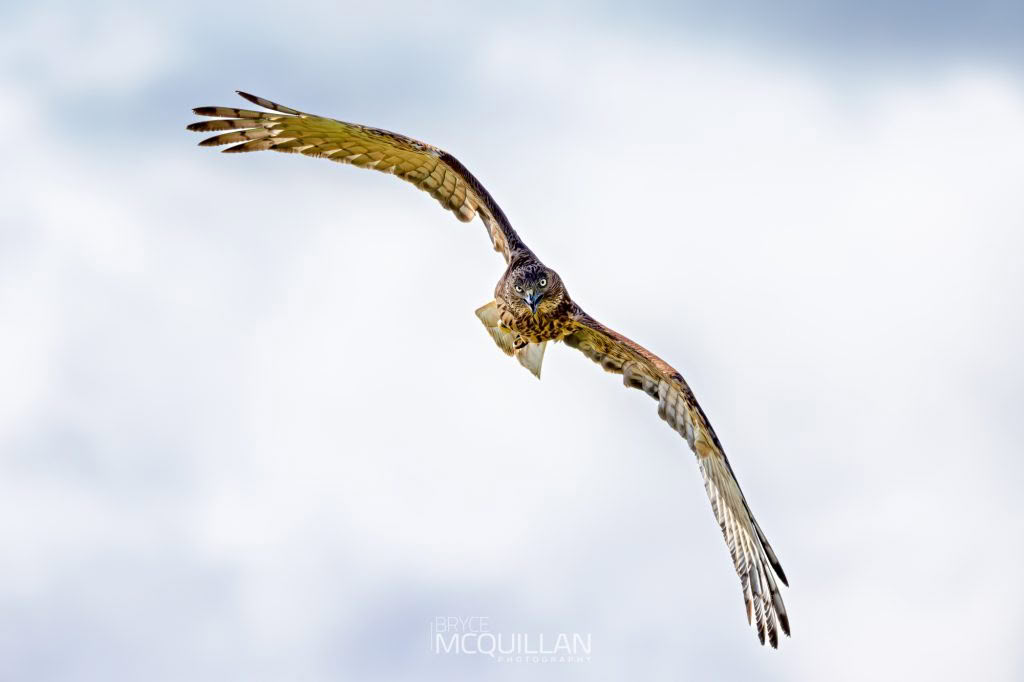
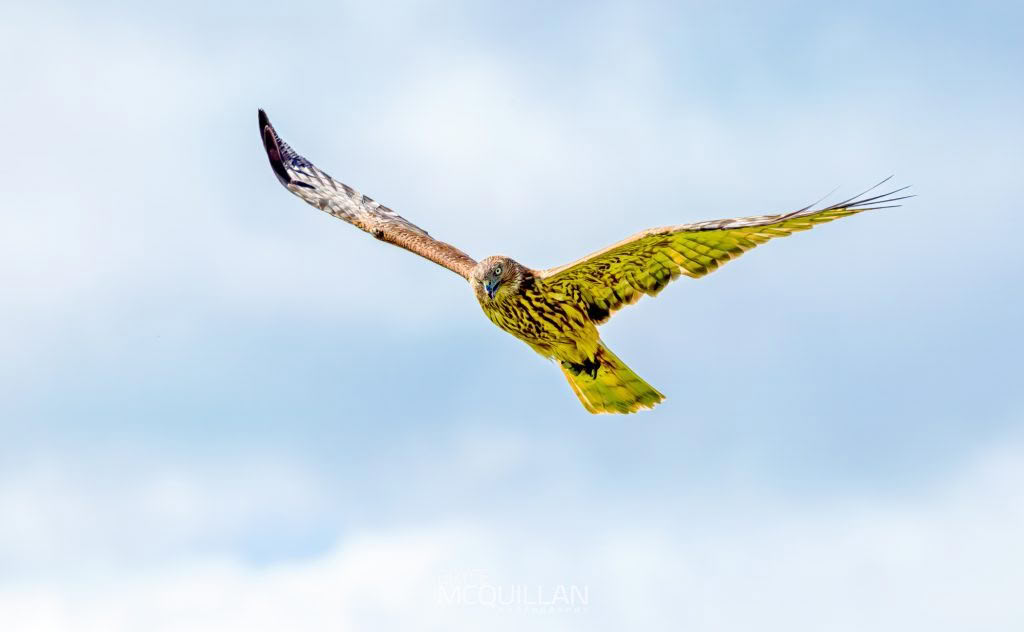
I also took the Canon RF 200–800mm lens to Wingspan Bird of Prey Centre Rotorua to test it on some of New Zealand’s fastest birds in flight. Much to my surprise, the lens kept up exceptionally well, allowing me to capture images of species that would have been difficult to photograph otherwise, including the New Zealand falcon and the Australasian harrier.
New Zealand falcon in flight – Click on image to enlarge
New Zealand Swamp harrier | Kāhu – Click on images to enlarge.
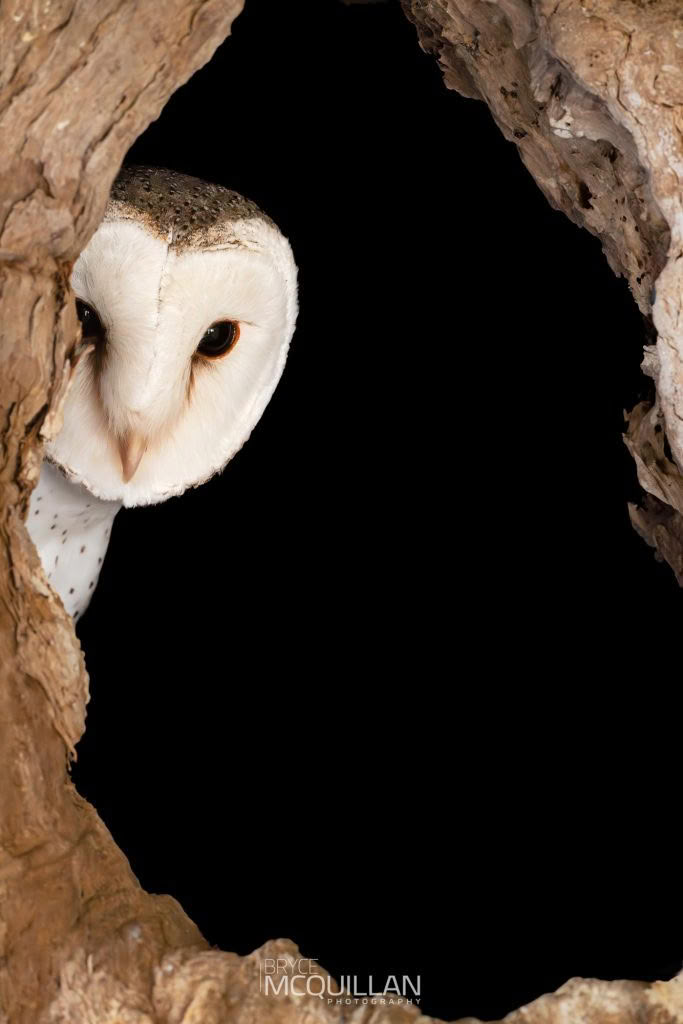
Barn Owl (Tyto alba) – Click to enlarge picture.
Northland trip
In May, Angela and I travelled north to Northland for a friend’s wedding. We spent a couple of nights in Whangārei, using the time to explore the surrounding area with short day trips to nearby beaches and several small night walks close to the campground where we were staying.
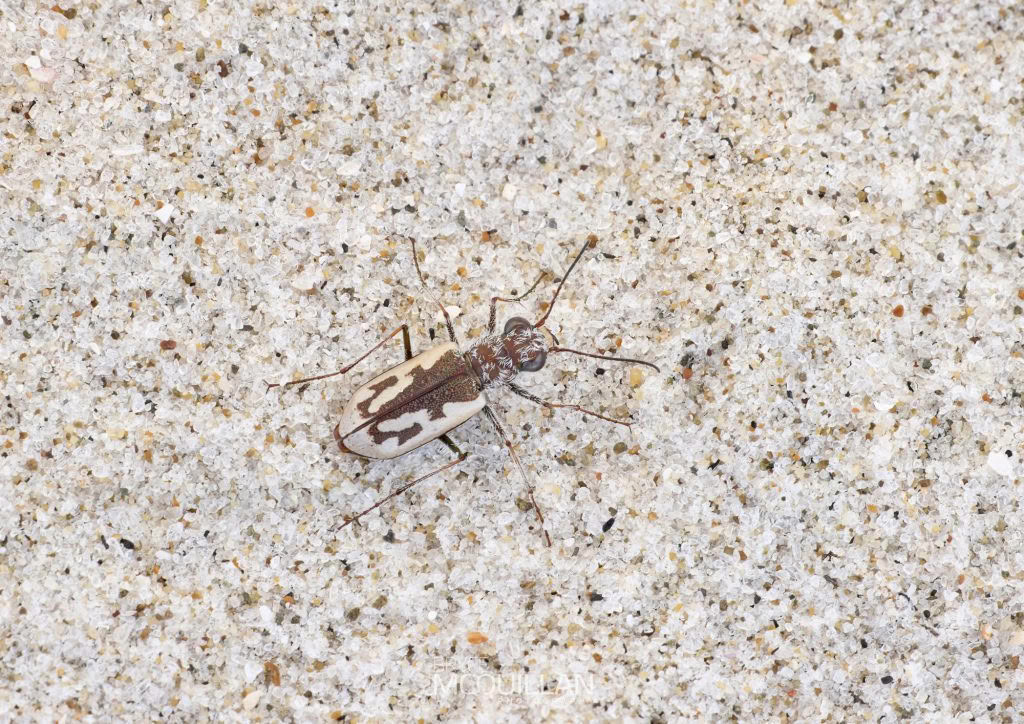
One of the day trips we had planned was a visit to a beach where I knew a population of Sand tiger beetles (Zecicindela brevilunata) occurs. This is a species I had previously photographed on a white background for the beetle book, but had never had the opportunity to observe it in its natural habitat in the wild. The species is restricted to only a small number of beaches in Northland, making its habitat highly localised. Being able to see one active during the day and photograph it in the wild made this encounter particularly special.
Sand tiger beetle (Zecicindela brevilunata) – Click on image to enlarge
Nightwalks around Whangārei
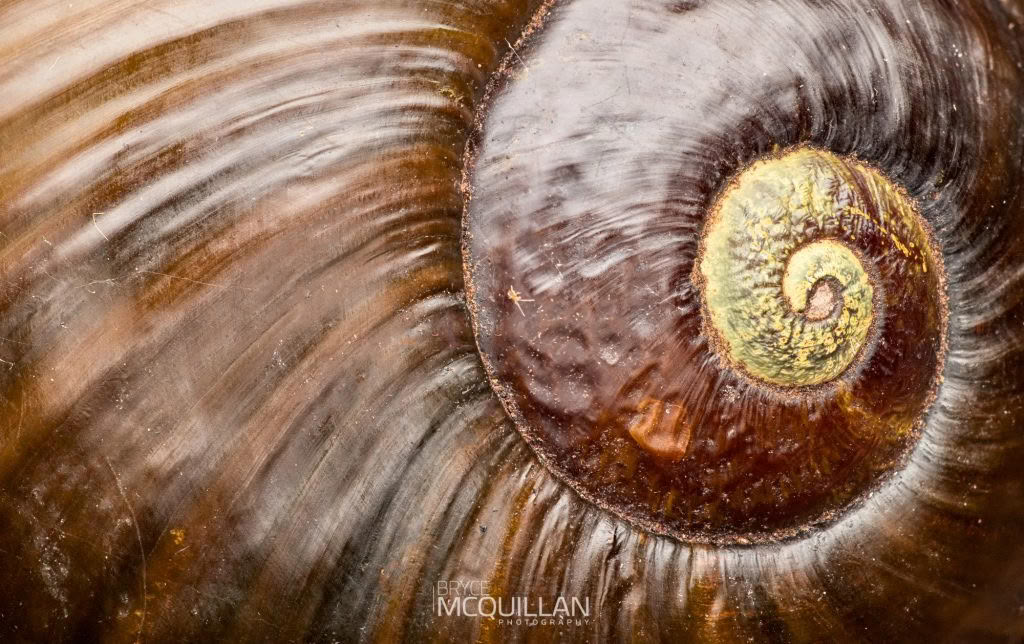
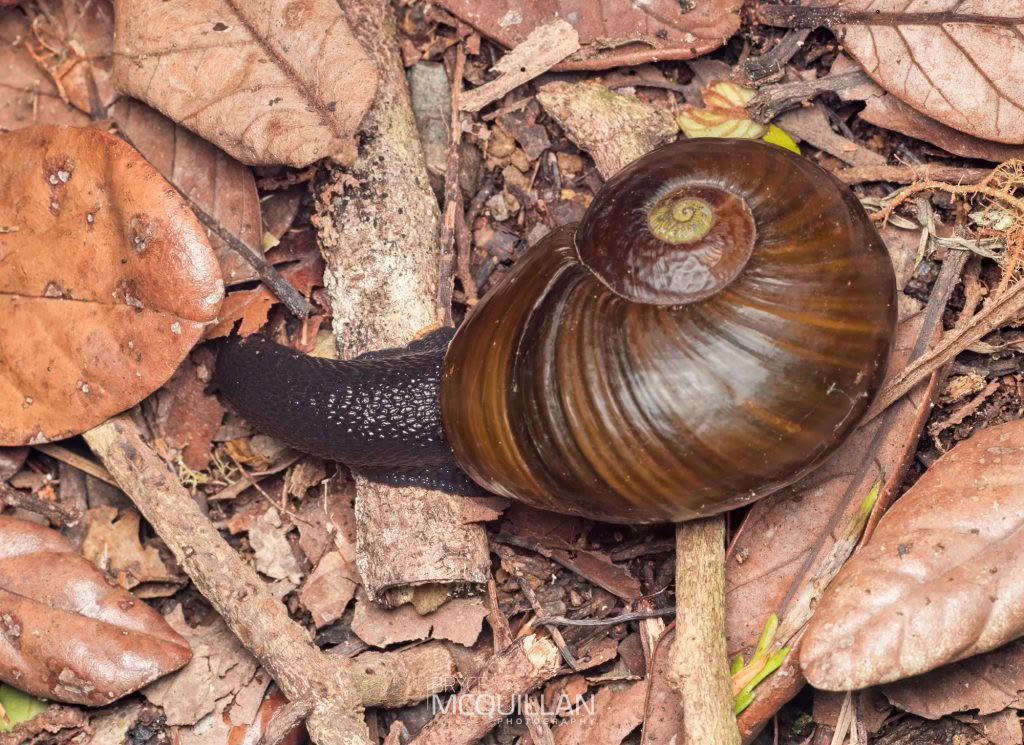
Another highlight of our stay in Whangārei was encountering Kauri snails (Paryphanta busbyi). Over the course of our visit, we saw around half a dozen individuals. While many of them did not present ideal photographic opportunities, it was still a real privilege to encounter these impressive, large snails in the wild.
Kauri Snail (Paryphanta busbyi)
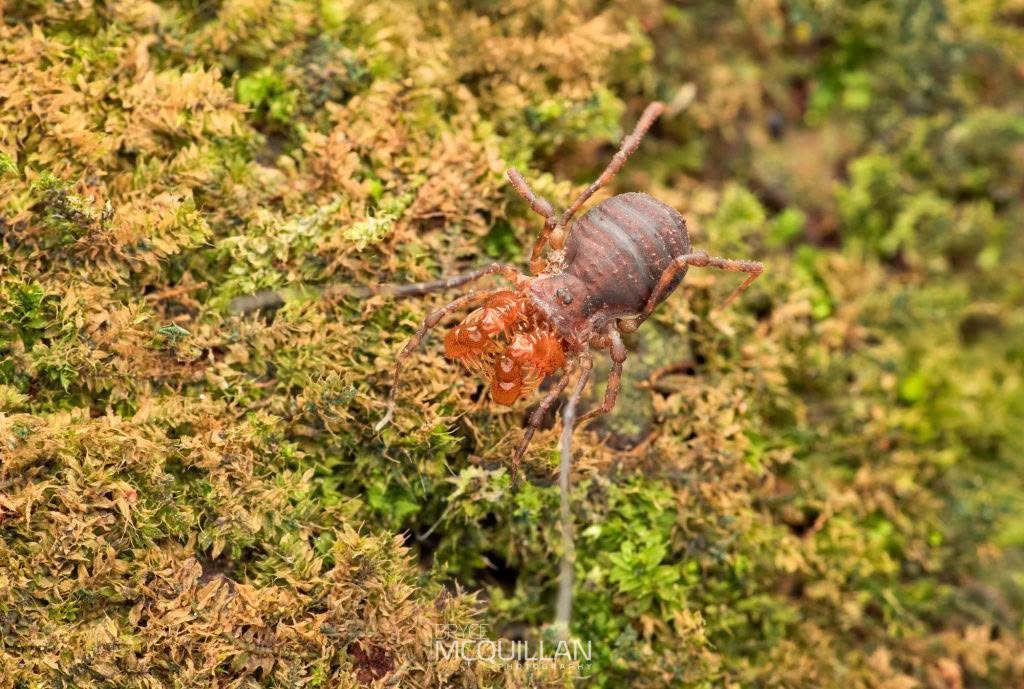
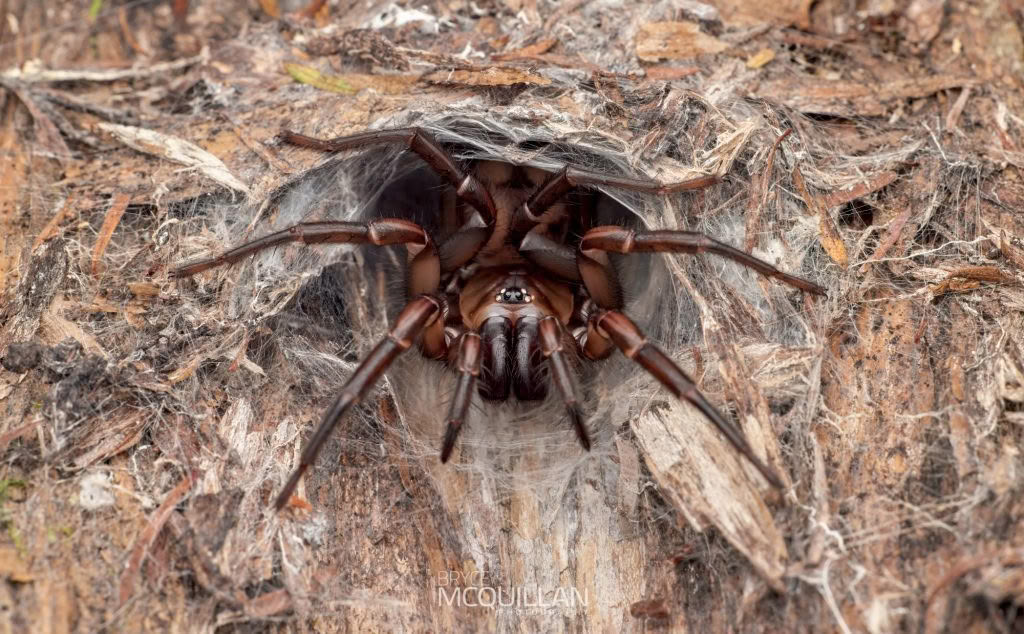
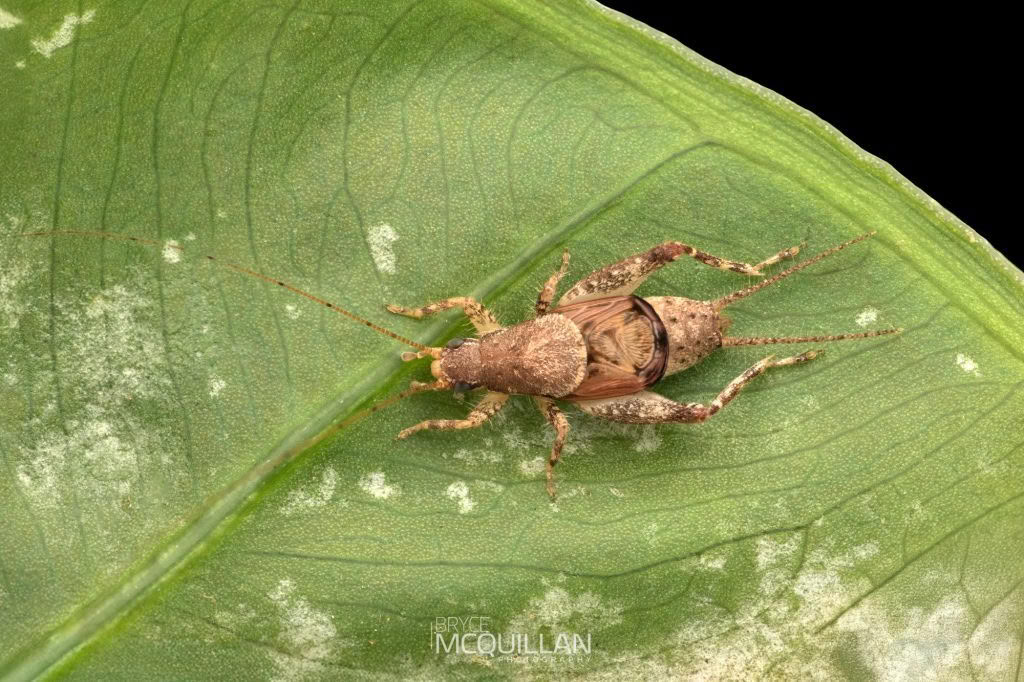
Below are a few images of some of the different invertebrates we saw and photographed while staying in Whangārei.
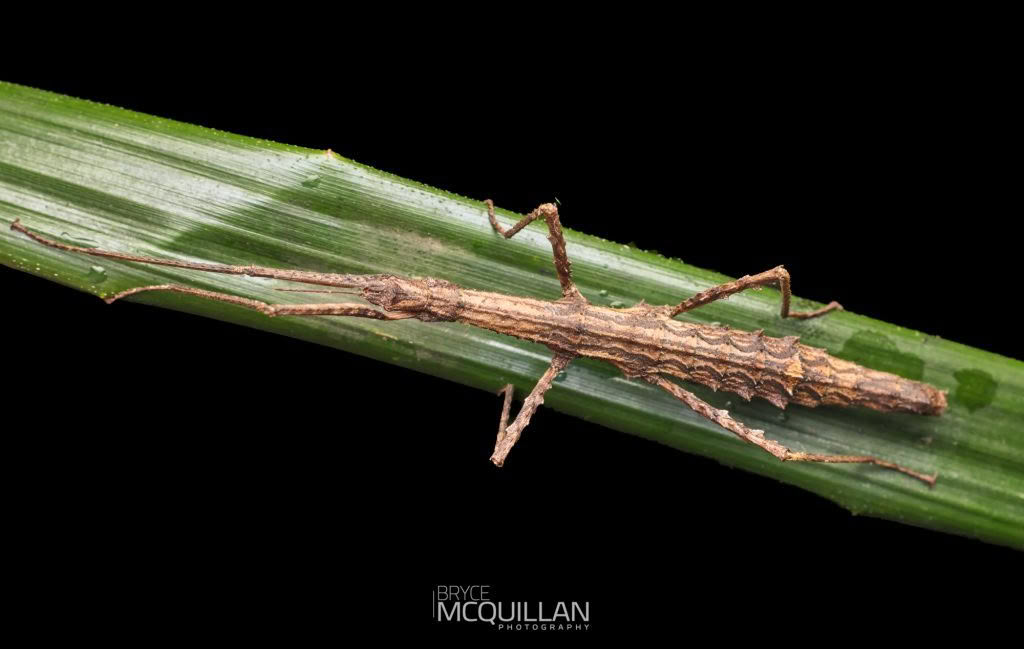
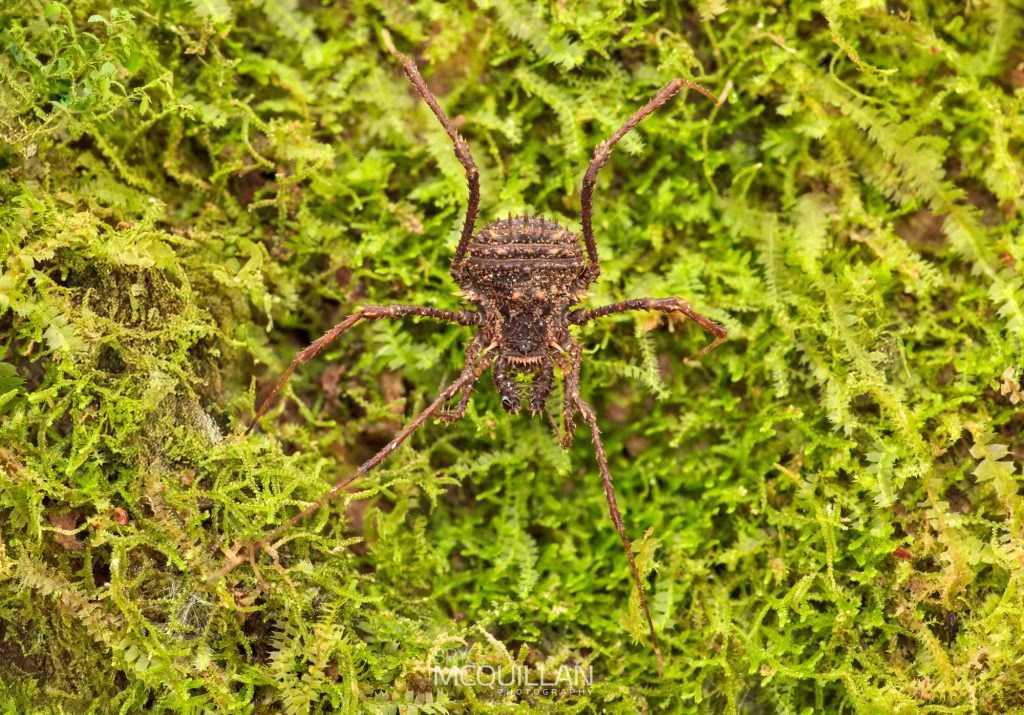
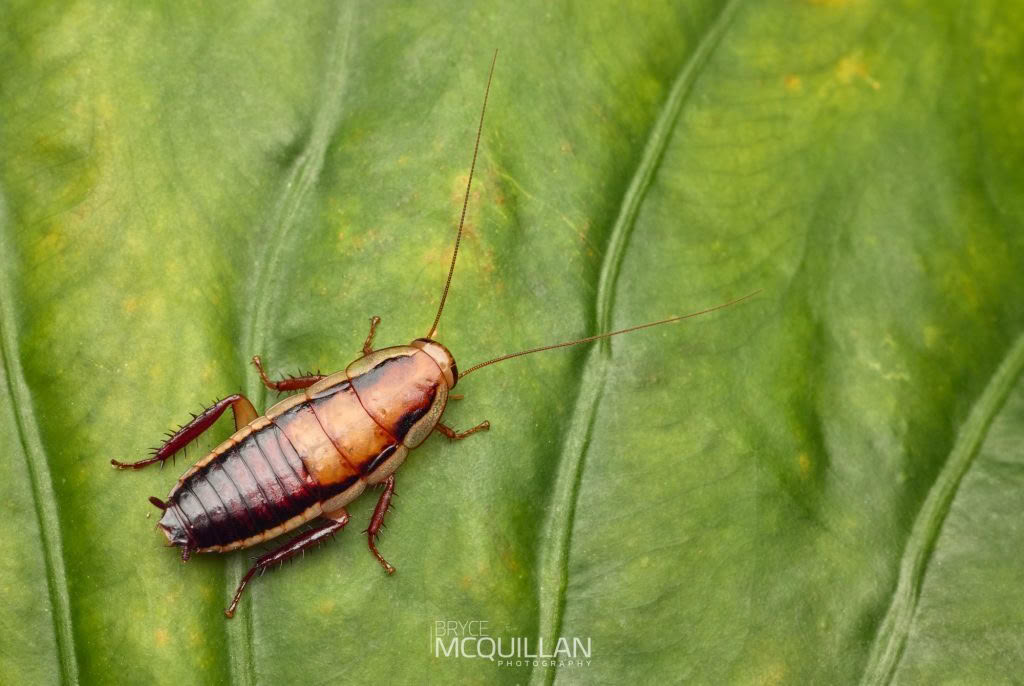
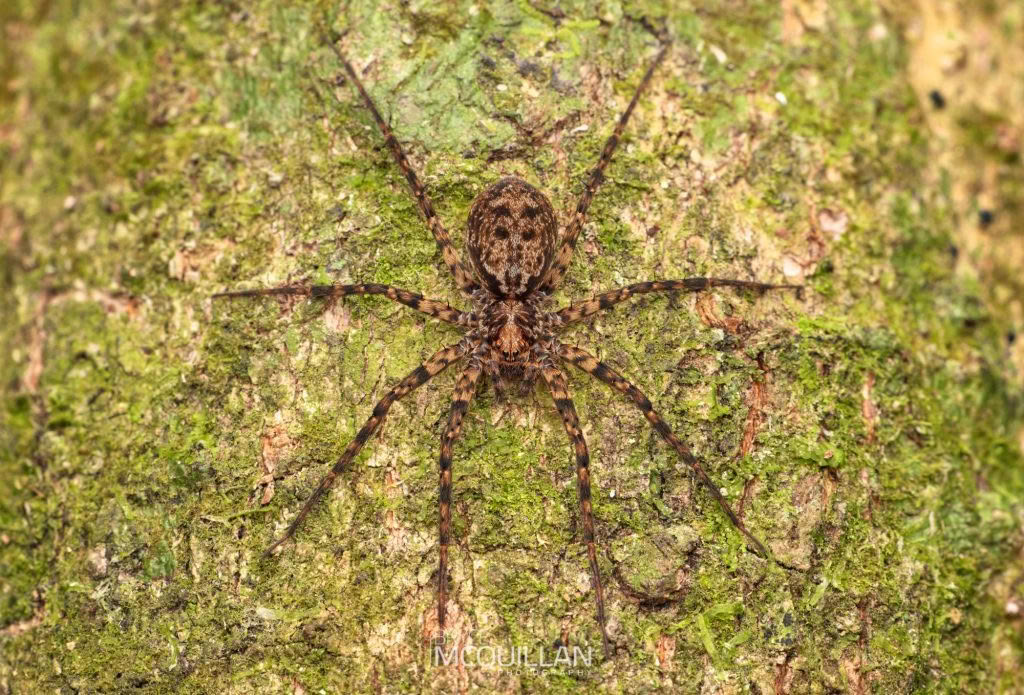
Quiet day around home
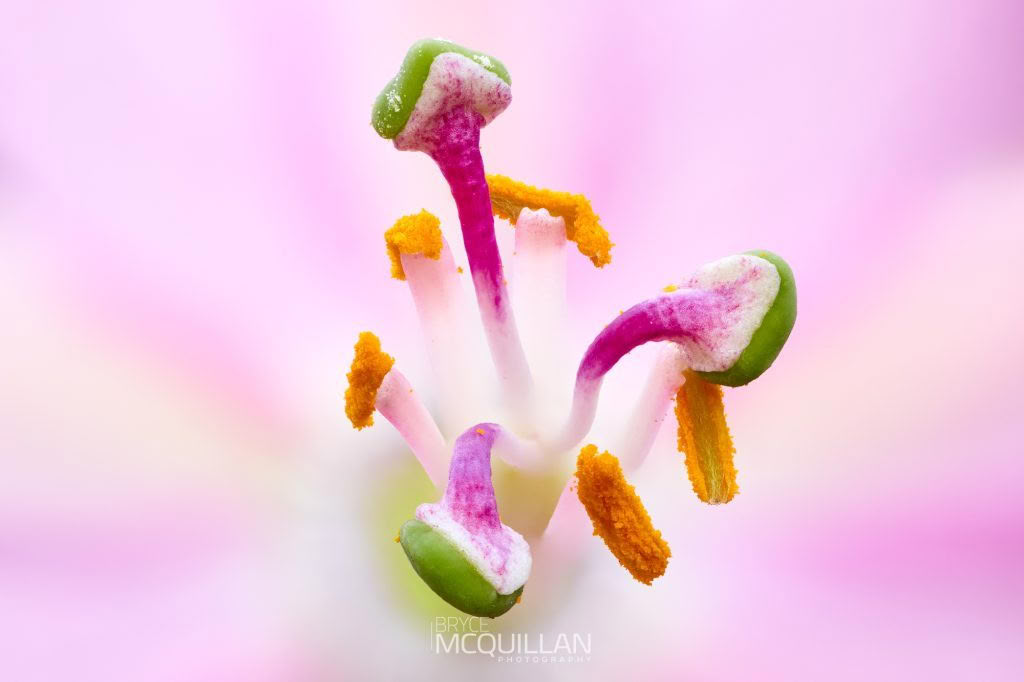
After our trip to Northland and leading a few photography workshops in Tauranga and Auckland we decided to have a quiet weekend around home. We did a few small walks and were looking for some birds to photograph, when Angela noticed this introduced weed “Banana Passionfruit (Passiflora tripartita var. mollissima)”. While I typically do not get excited over photographing introduced plants, this flower did make quite a pretty close-up image.
Banana Passionfruit (Passiflora tripartita var. mollissima)
Upgrading from Canon R5 to Canon R5 MKII – A true game changer for my photography
I was fortunate to upgrade from the Canon R5 to the R5 Mark II, which completely changed the way I approach both macro and wildlife photography. Features like pre-capture and “automated focus bracketing with flash” have made it far easier to capture images that simply weren’t possible before, and give me far more control over depth of field in a much more simple and reliable way.
When using the Canon R5, I could manually do focus bracketing without too much trouble, by either hand-holding the camera and rotating the focus ring, or moving the camera backwards and forwards. Focus bracketing with flash could not be done automatically with the R5 due to the sensor it has. But the R5 Mark II paired with the EL-1 allows for seamless bracketing automatically while using flash (due to a newer sensor). This has been a real game-changer. Being able to rapidly capture clean, consistent bracketed sets of images was previously difficult or hit-and-miss, so the Canon R5 Mark II has opened up a lot of new possibilities and enabled me to get far more reliable stacks and images.
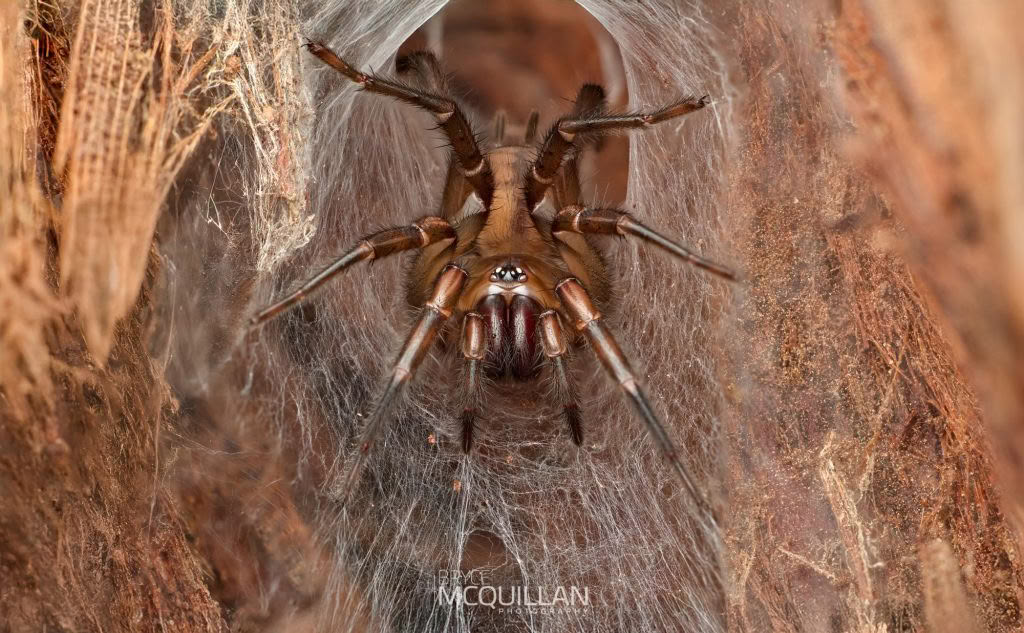
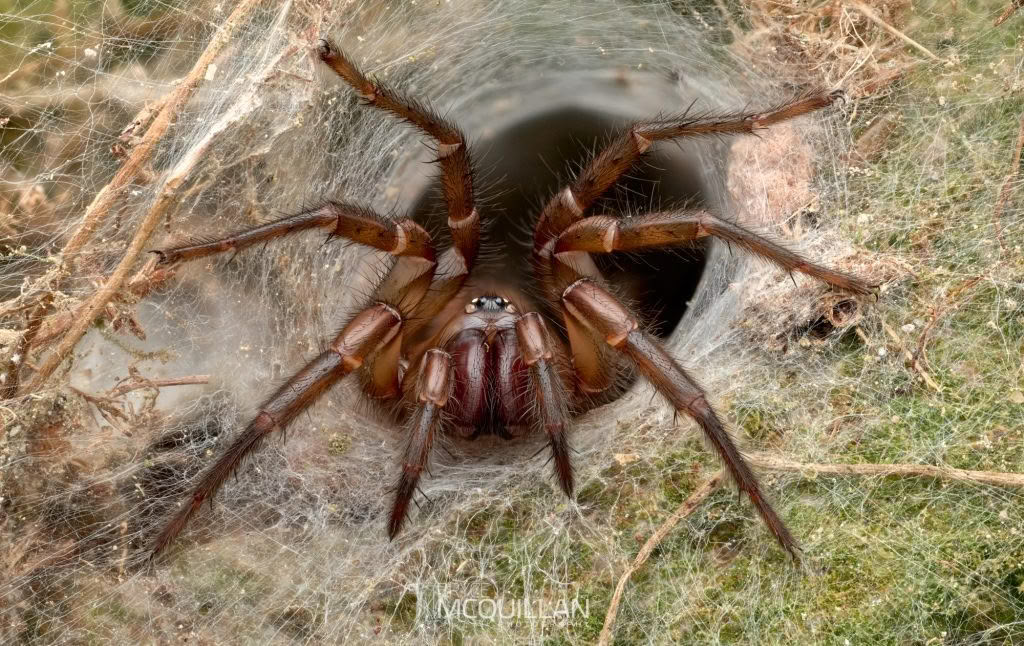
This has been especially valuable when photographing shy or difficult species. A good example is this female banded tunnel-web spider (Hexathele hochstetteri). The new setup allowed me to achieve far better depth across the subject, something that would have previously required stopping down to f/20 or beyond, with a resultant loss of light and sharpness due to diffraction.
I’ve written a short article on the Canon R5 Mark II, which you can read here Canon EOS R5 MKII. From that point on, the R5 Mark II quickly became my daily driver.
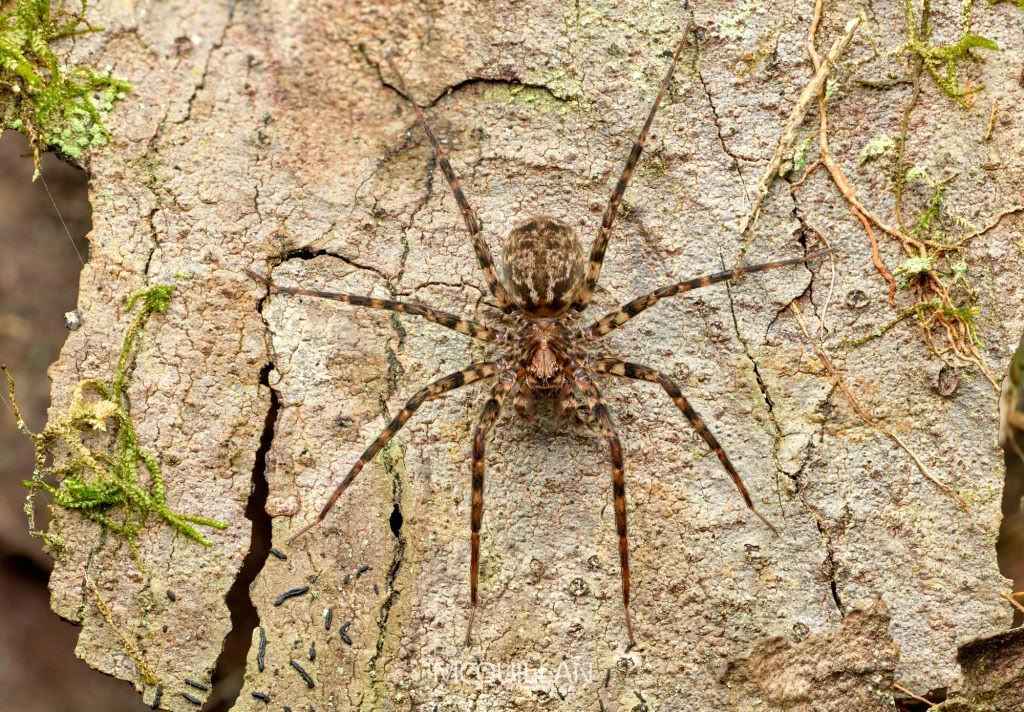
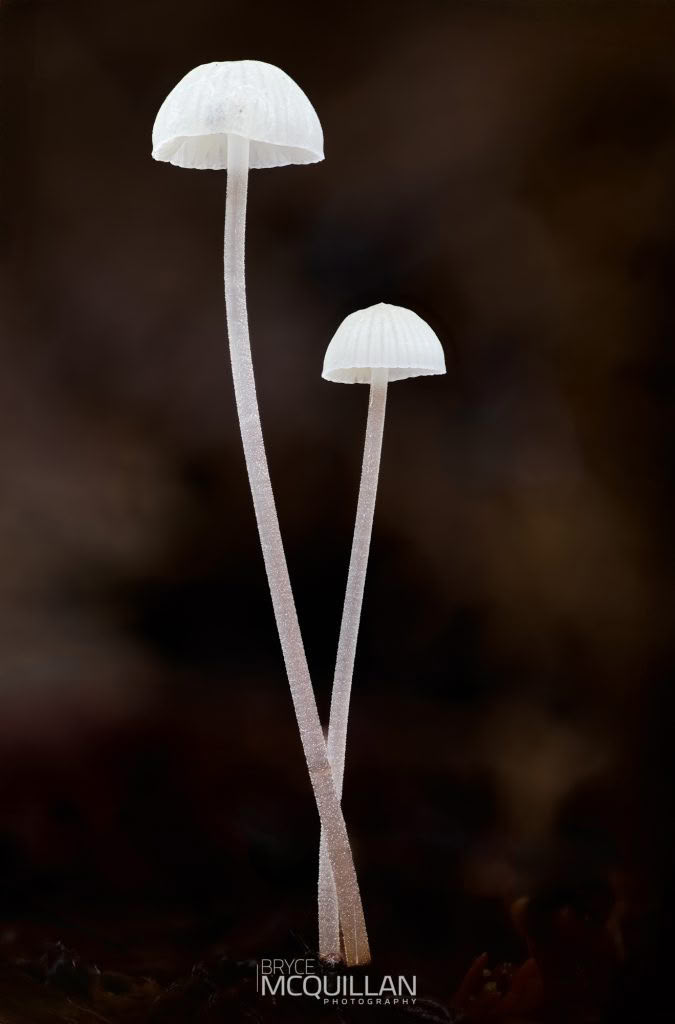
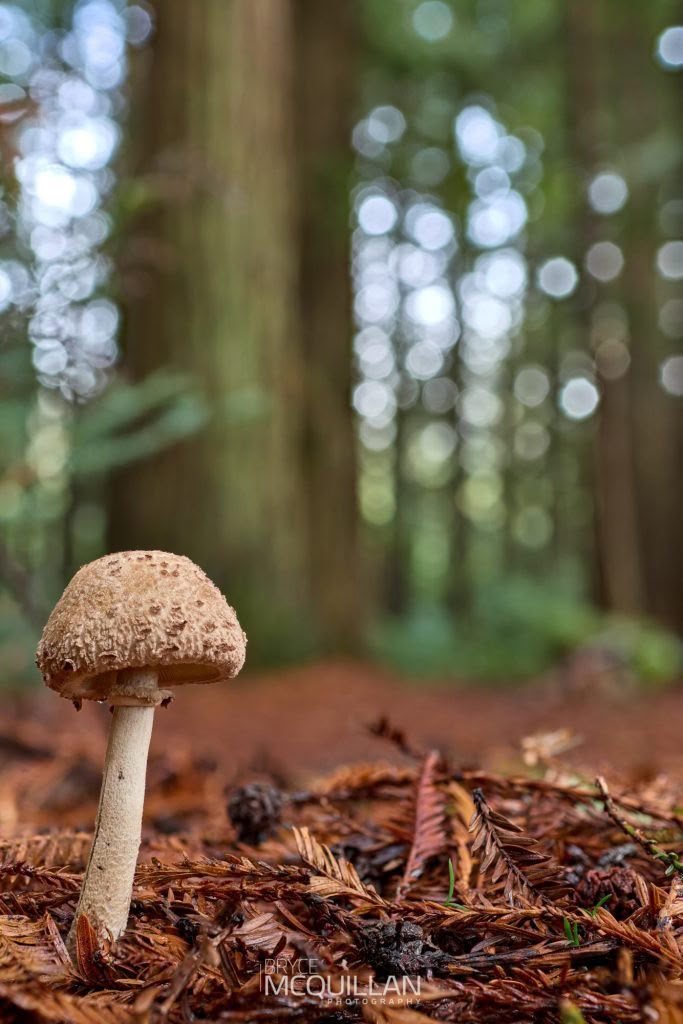
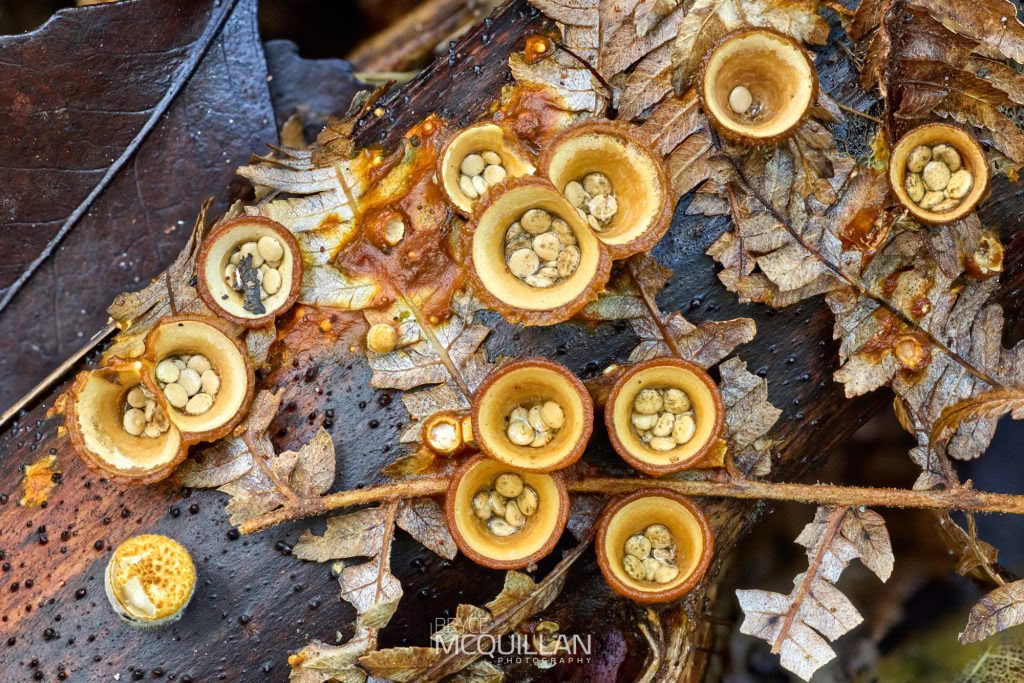
Fungi in the Redwoods during winter.
During winter, I often take my camera into the Redwoods at lunchtime for a short walk to see what fungi might be about. Most years, the conditions are reasonably productive, and this year I managed to come away with a couple of pleasing fungi images.
Click on images to enlarge.
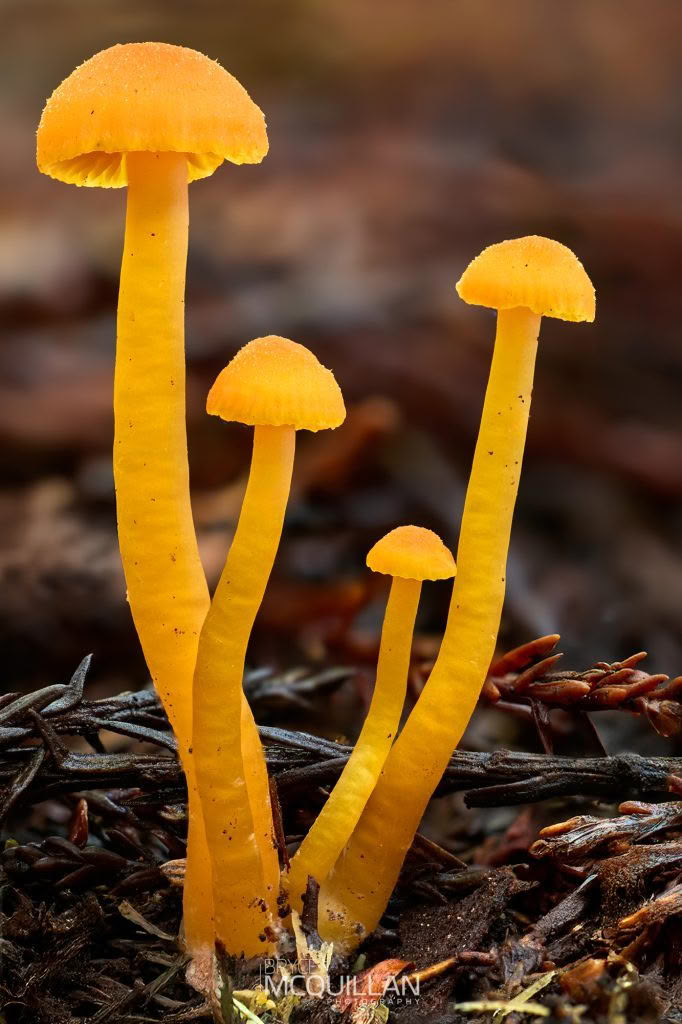
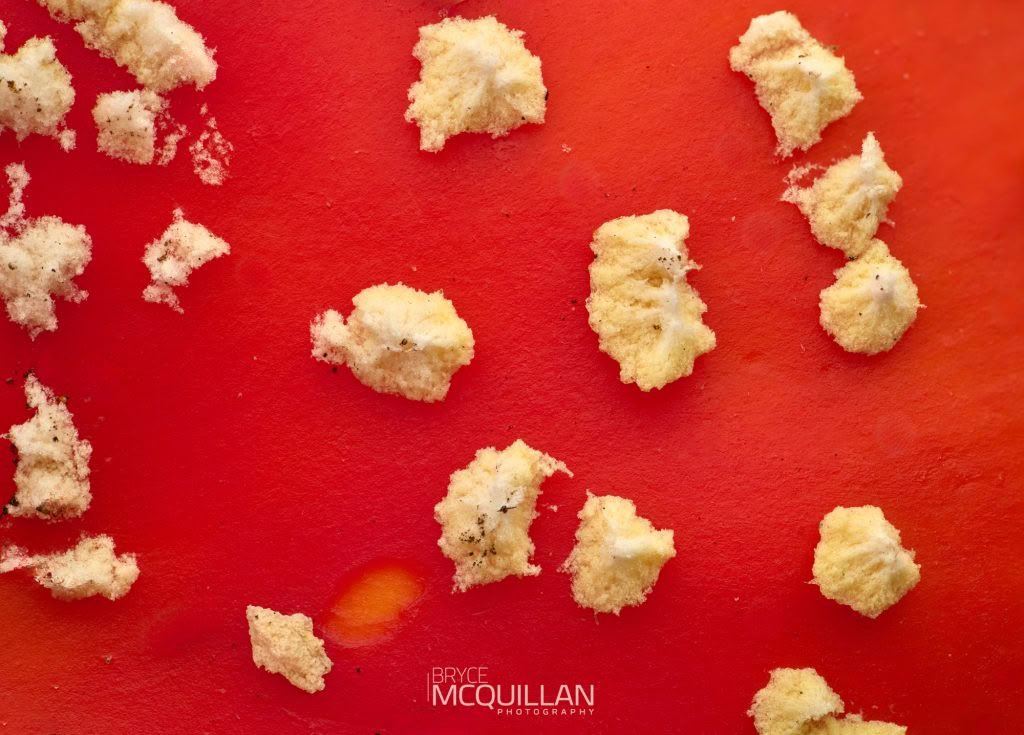
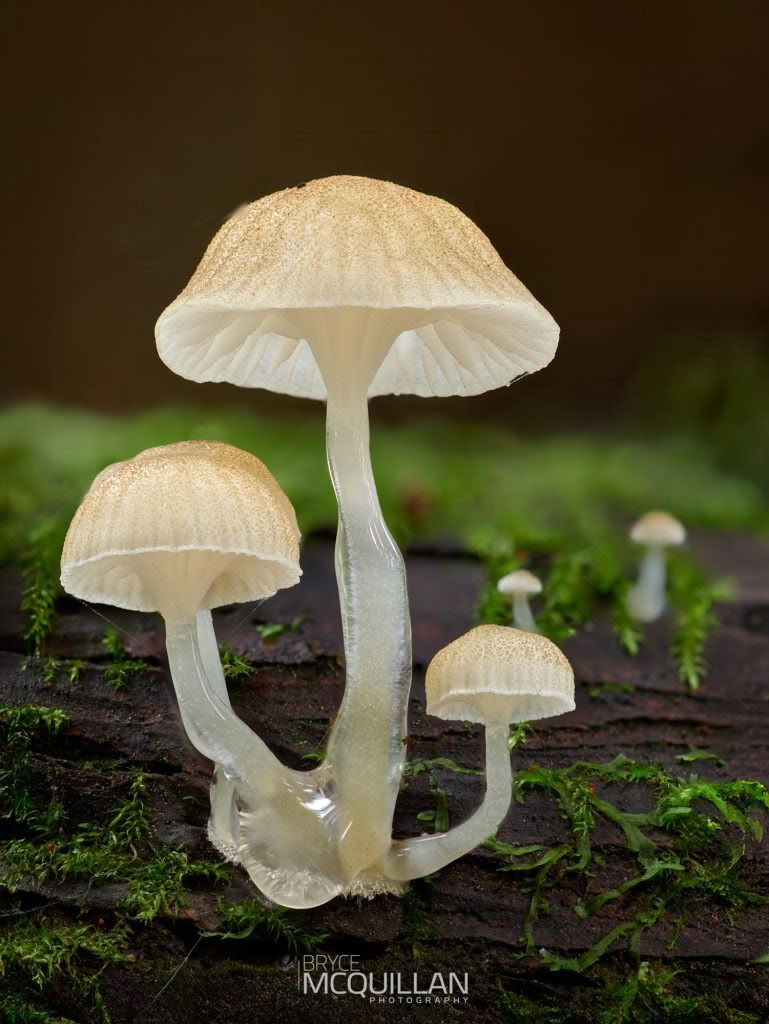
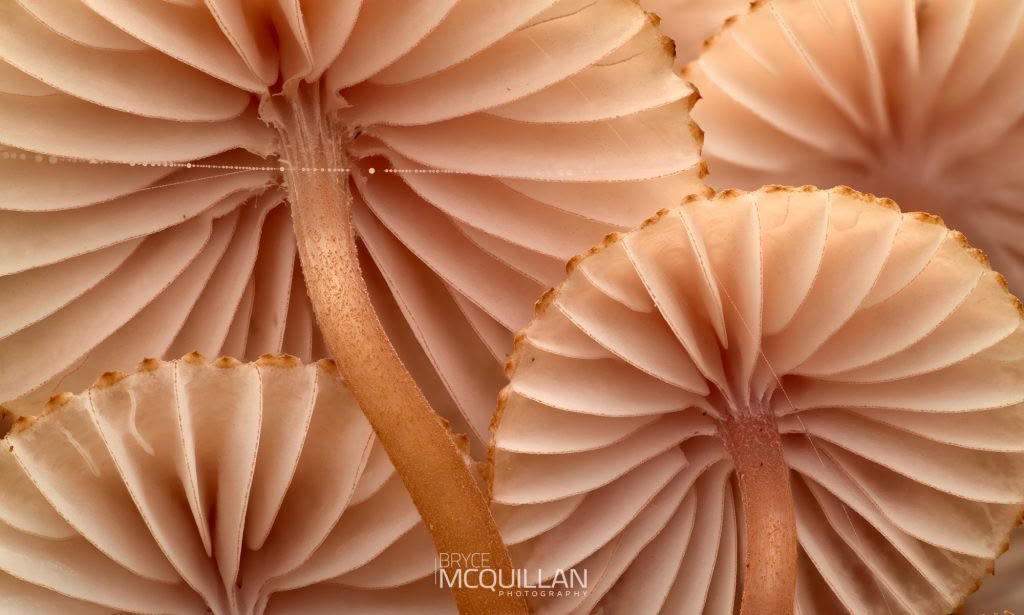
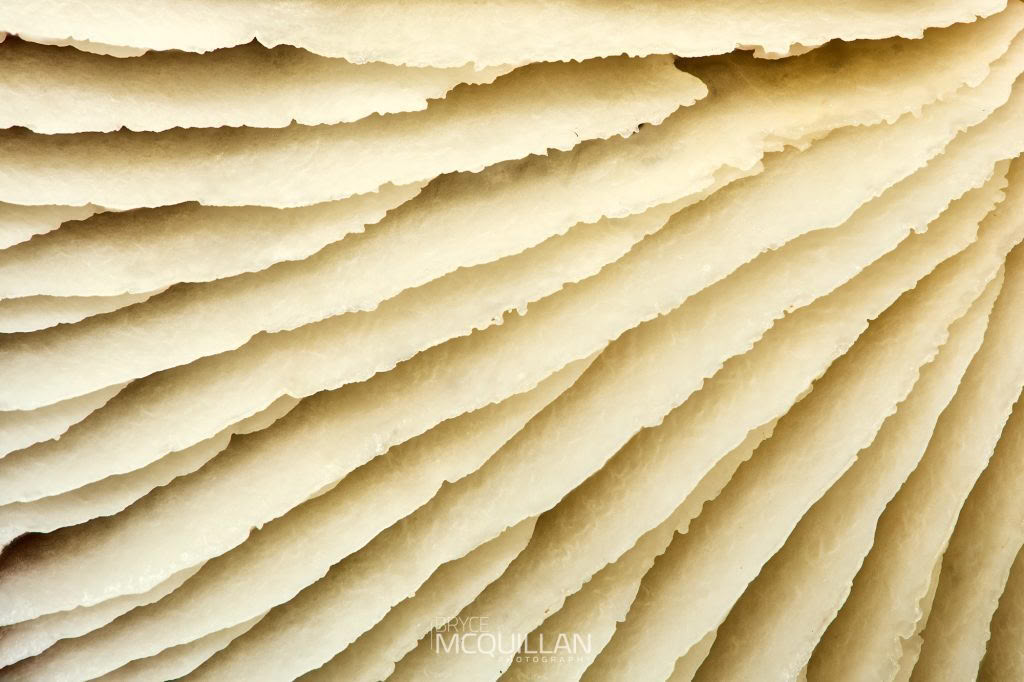
Wide-angle fungi – with Canon RF35mm macro lens – Click on images to enlarge.
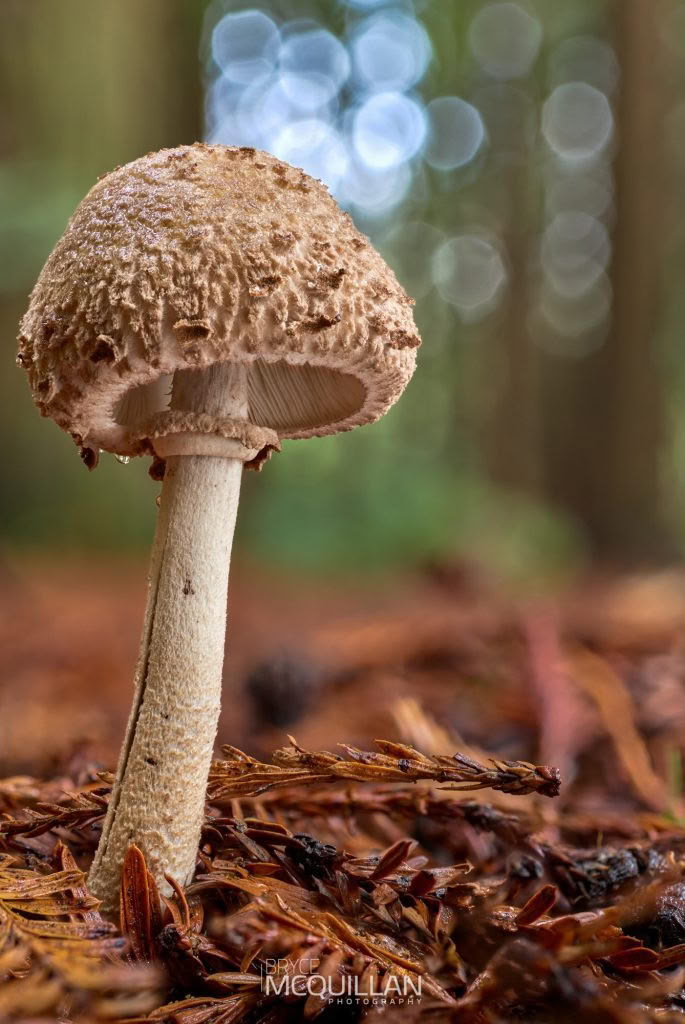
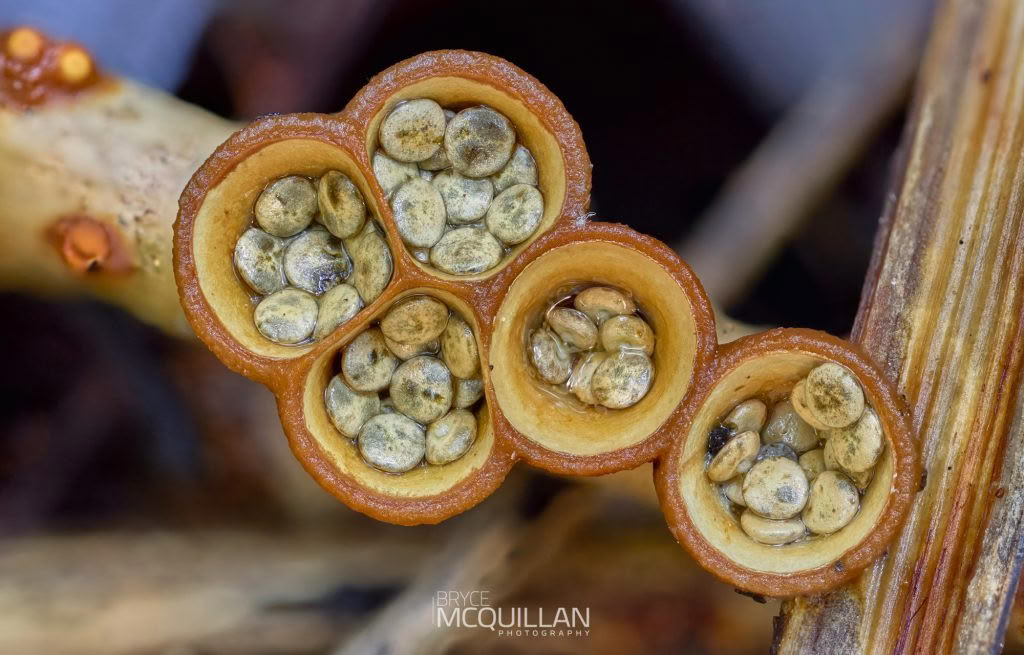
Bird nest fungi (Crucibulum laeve) – Click on images to enlarge.
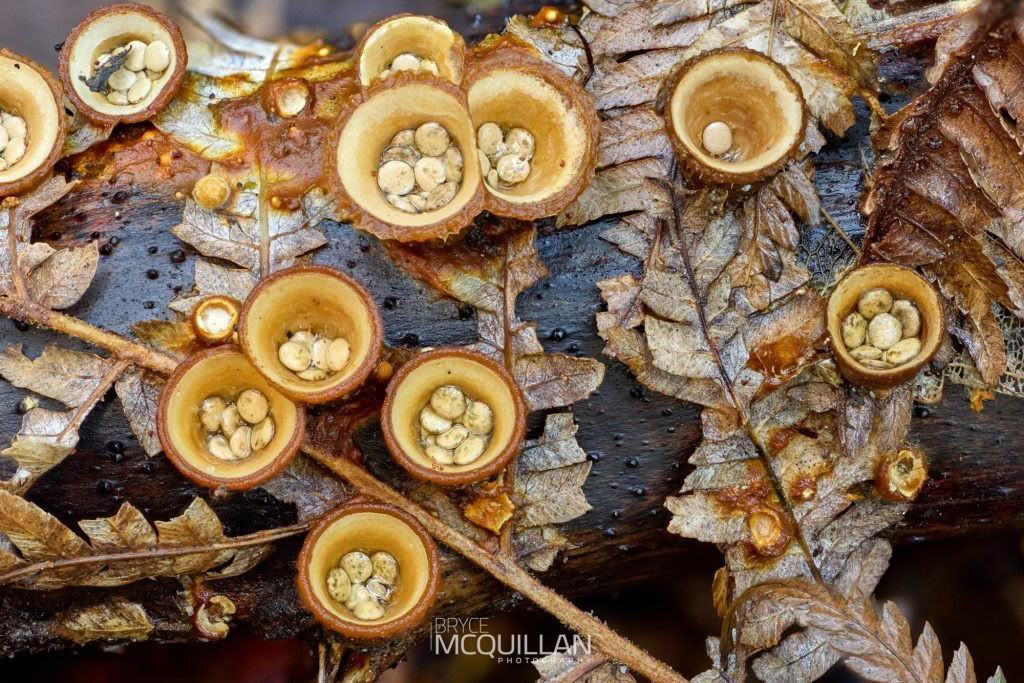
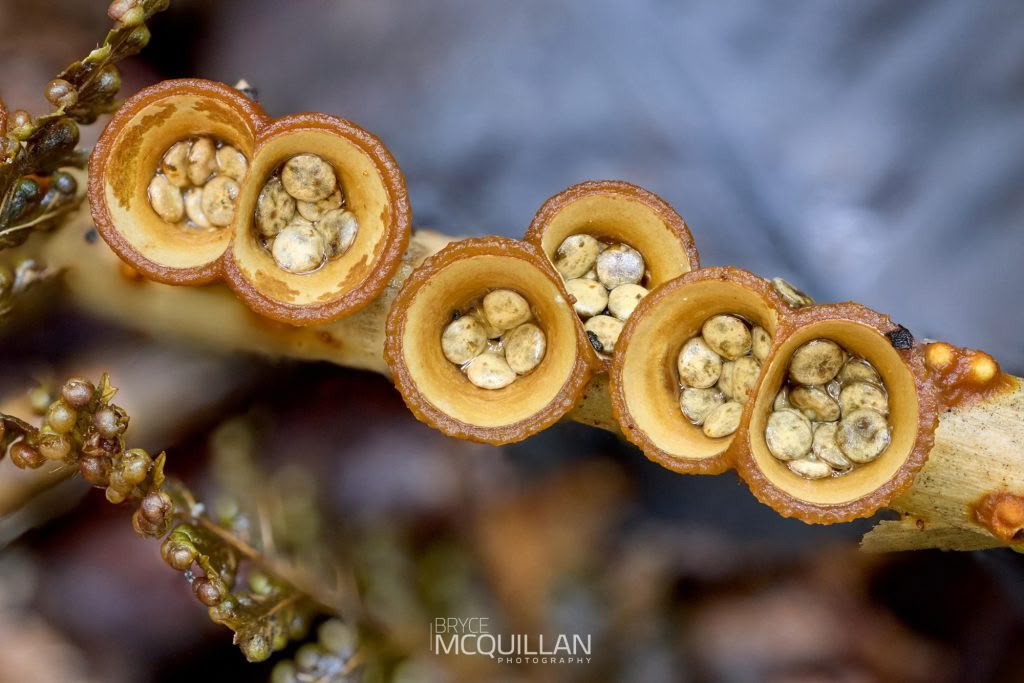
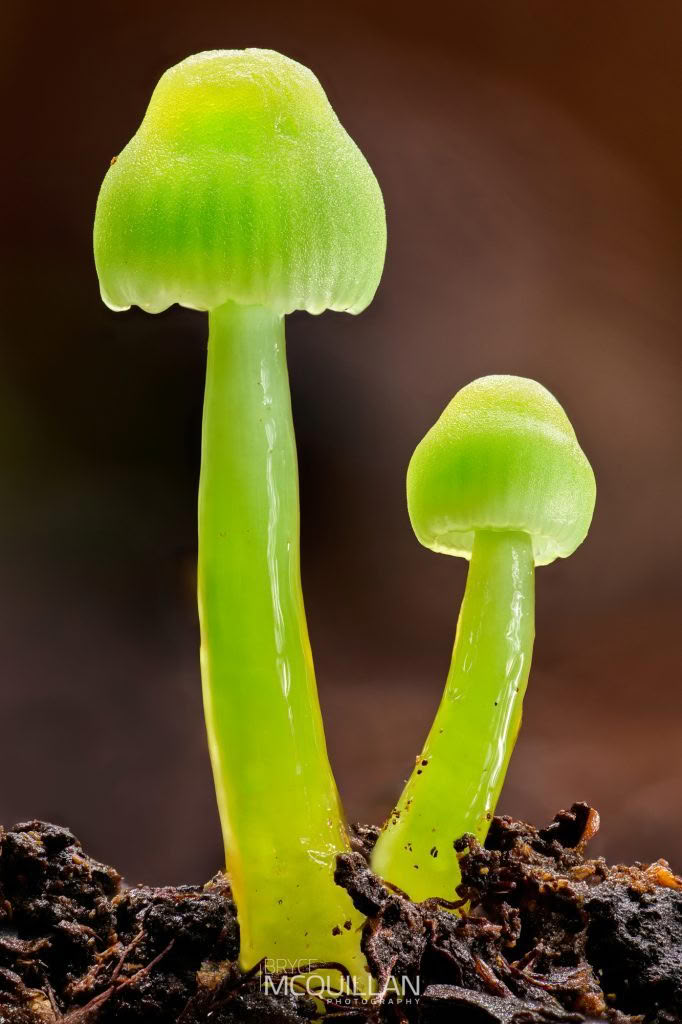
Green fungi (Gliophorus viridis) – Click on images to enlarge.
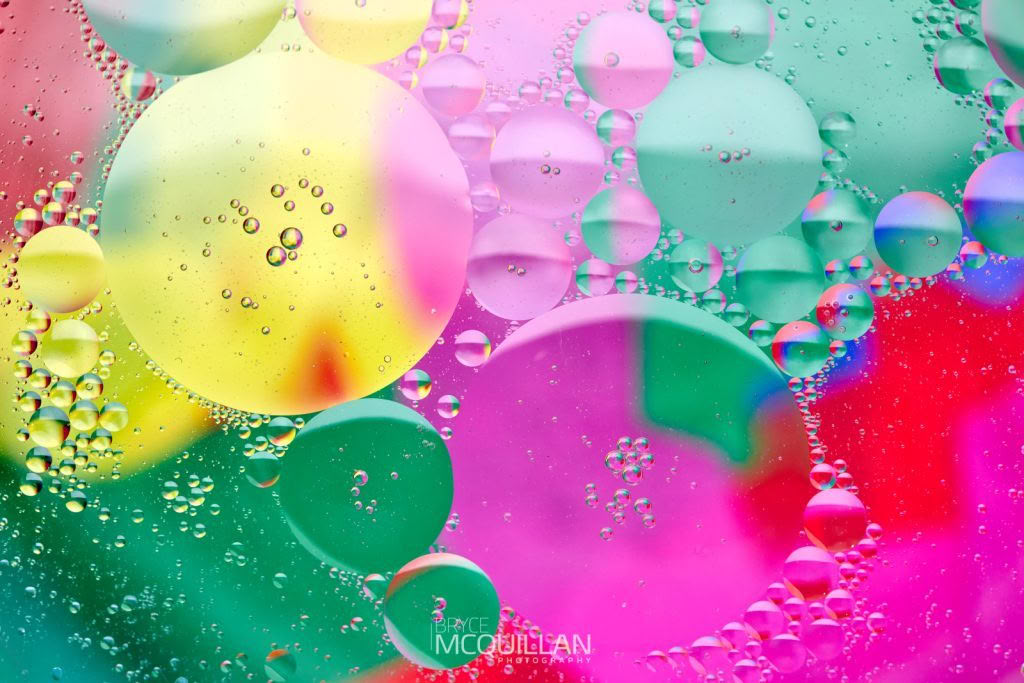
Creative macro at home during the winter.
During the colder winter months, many of New Zealand’s larger insects and invertebrates either die off or go into hibernation, which makes finding subjects more challenging. This is often when I shift focus and use the time to experiment and be a bit more creative. I find this period useful for learning new skills, seeing compositions differently, and trialling new macro diffuser setups, or other DIY ideas I might want to use heading into summer, such as LED lighting or new bounce card concepts.
One example of this is experimenting with oil drops in dishwashing liquid, which you can read more about in Learn to take beautiful macro images with bubbles. For the image shown below, however, I chose to work with an LED light panel, focusing on how to effectively diffuse continuous light as well as bounce cards, to reflect light. Developing this skill set proved particularly valuable going into summer, especially when photographing plants.
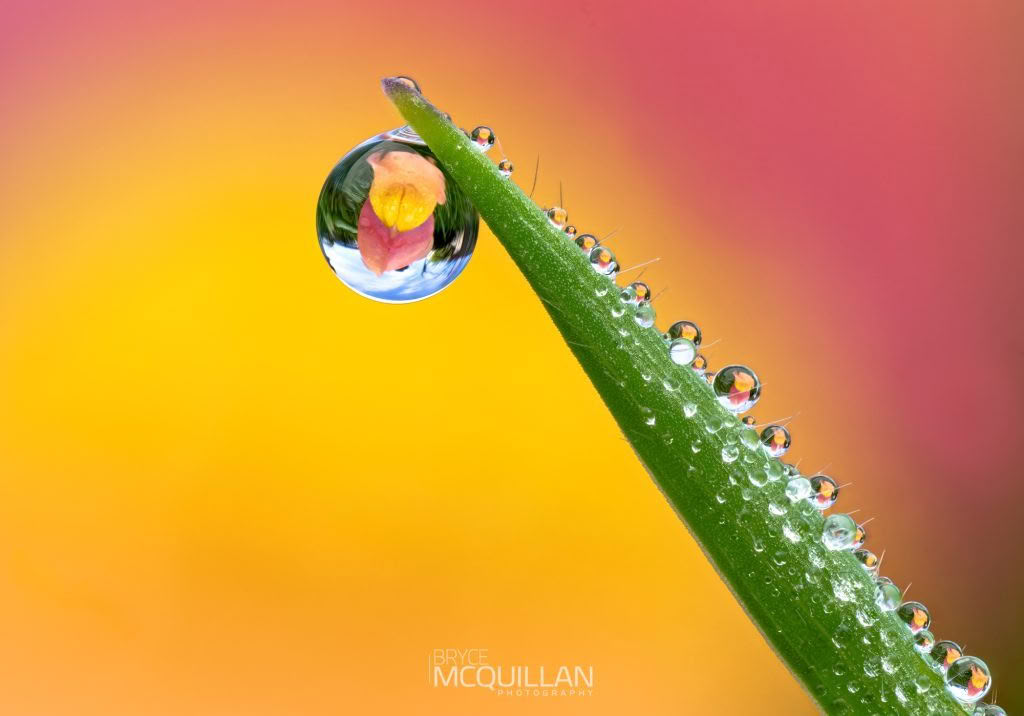
As the saying goes, practice makes perfect, so I often take the time to practise manual focus bracketing at higher magnifications, frequently 2.5× and above, hand-held. Morning dew on grass makes an excellent subject for this, and when it all comes together, it can produce a really rewarding image.
It is also an interesting subject for me personally, as the dew drops are constantly changing, sliding or falling from the grass blades. Even a light morning breeze, or the slightest movement from me while photographing, can cause the droplets to fall away. All of this has to be carefully considered, which closely mirrors the challenges of photographing invertebrates in situ, such as orb-web spiders on delicate webs.
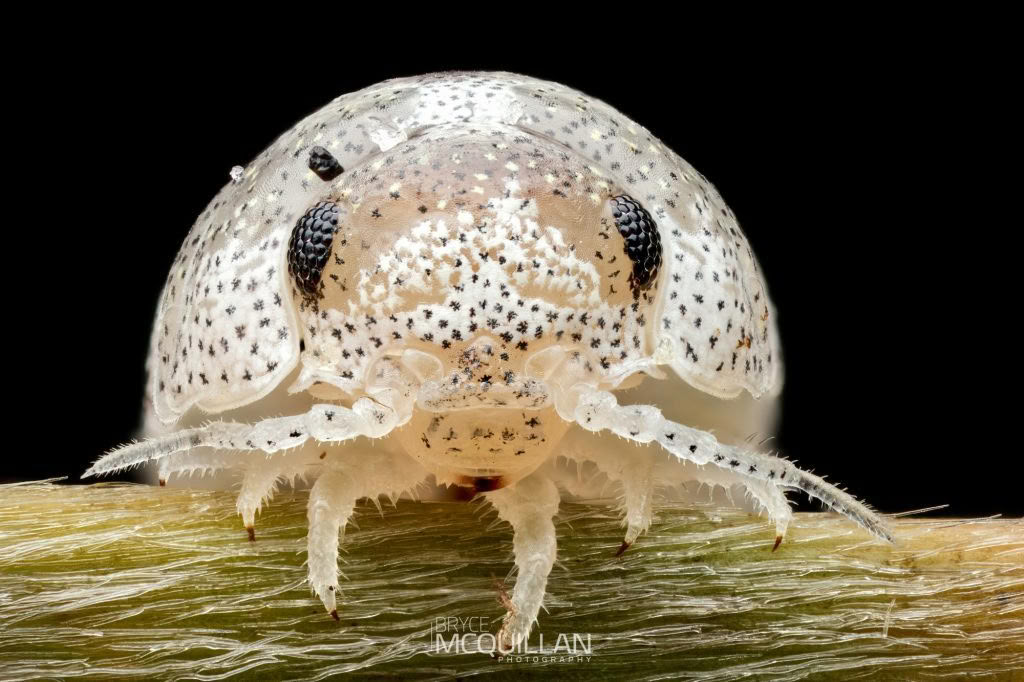
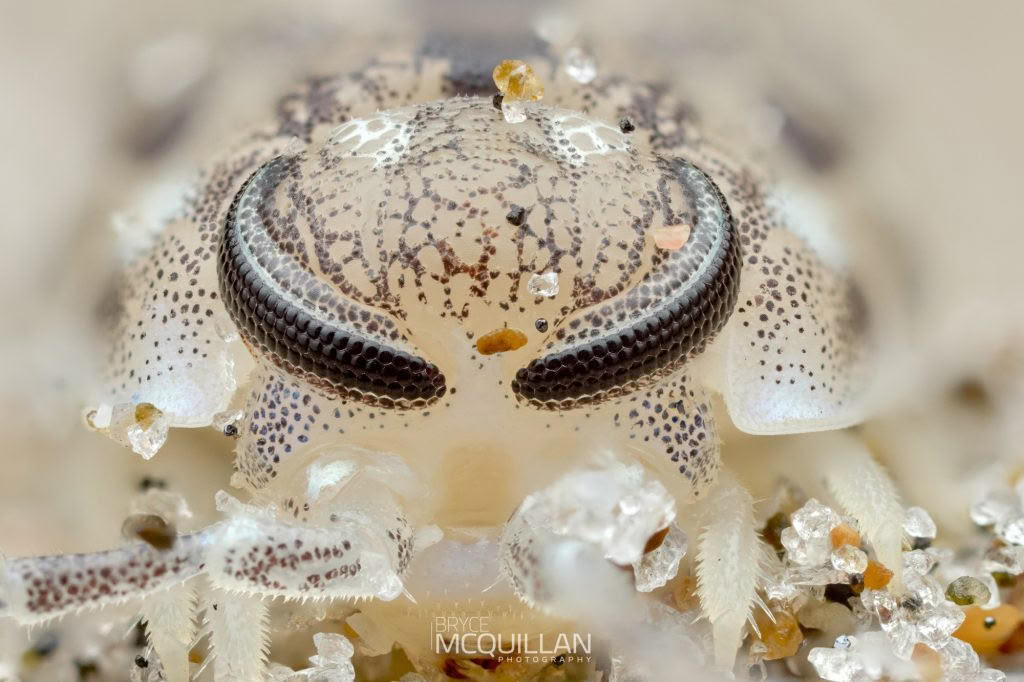
Beach slaters
I had been meaning to re-photograph some of our coastal slater species. These woodlice, which are often found on our coastlines, are generally only seen at night. Over the last few years, I have not really made time to photograph them. One afternoon, after watching Oceans with David Attenborough at a cinema in Tauranga, we headed down to the beach after dinner for a short evening walk to see if we could find them. We were fortunate to locate two different species.
Calloused Beach Pillbug (Tylos neozelanicus)
Soft Shore Isopod (Scyphax ornatus)
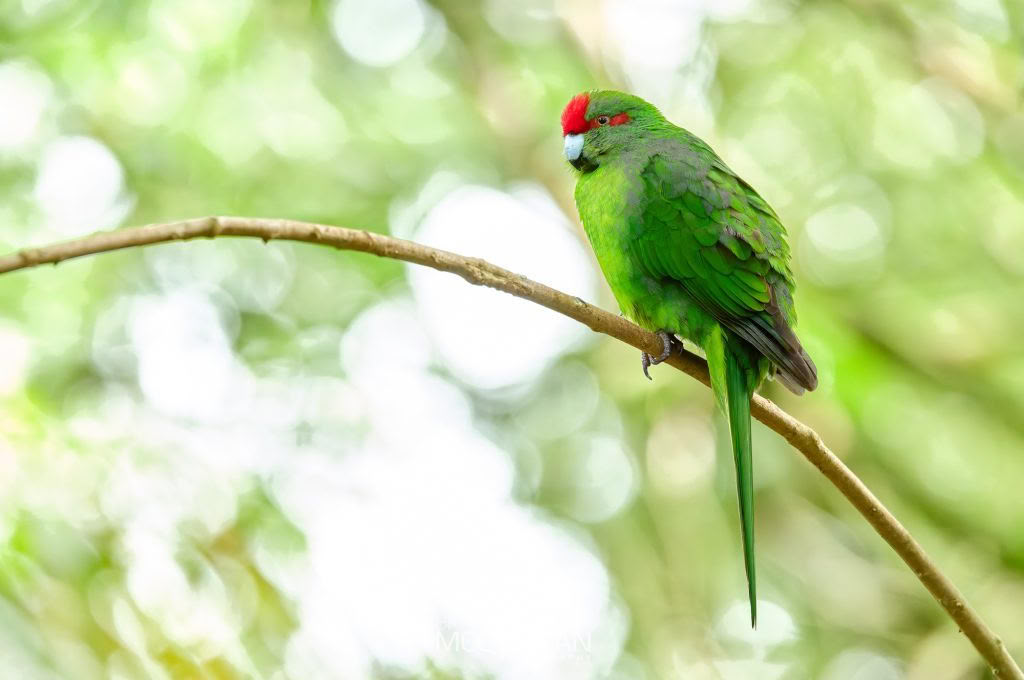
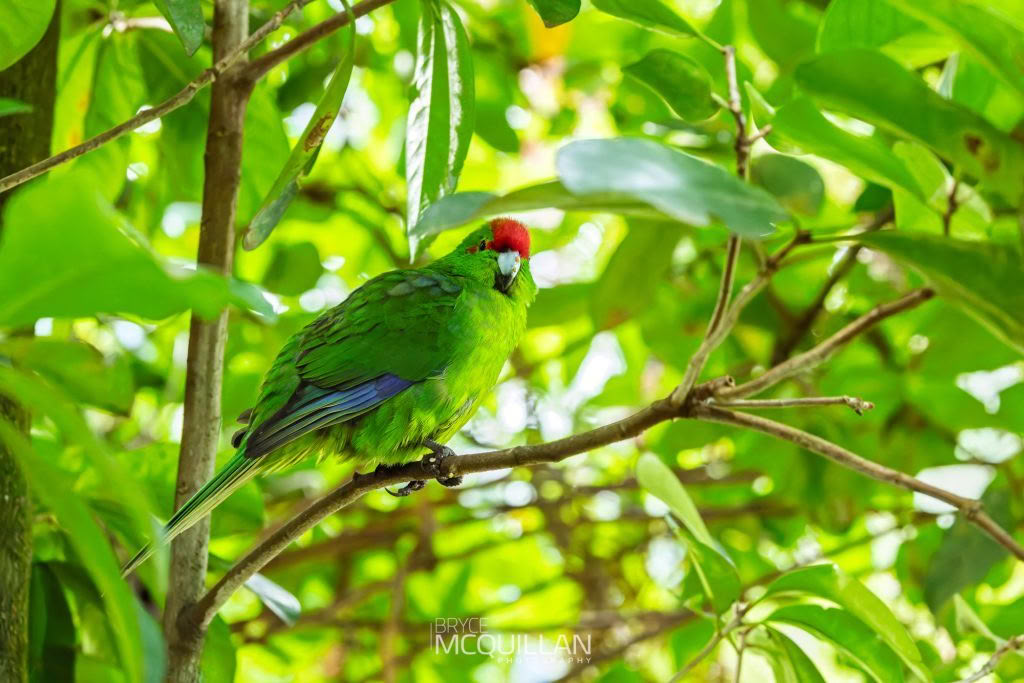
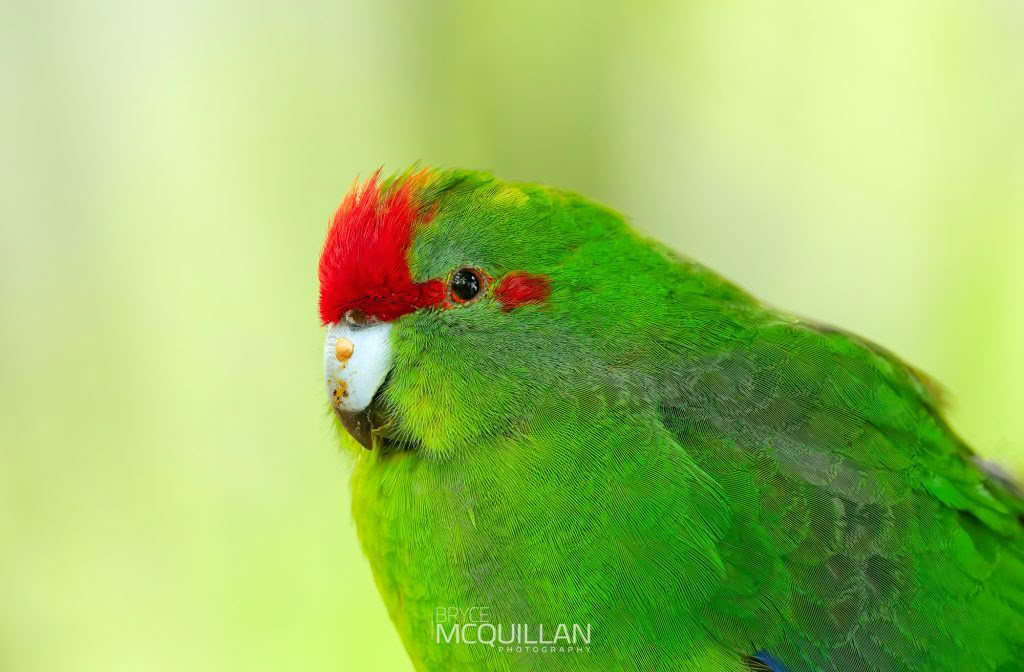
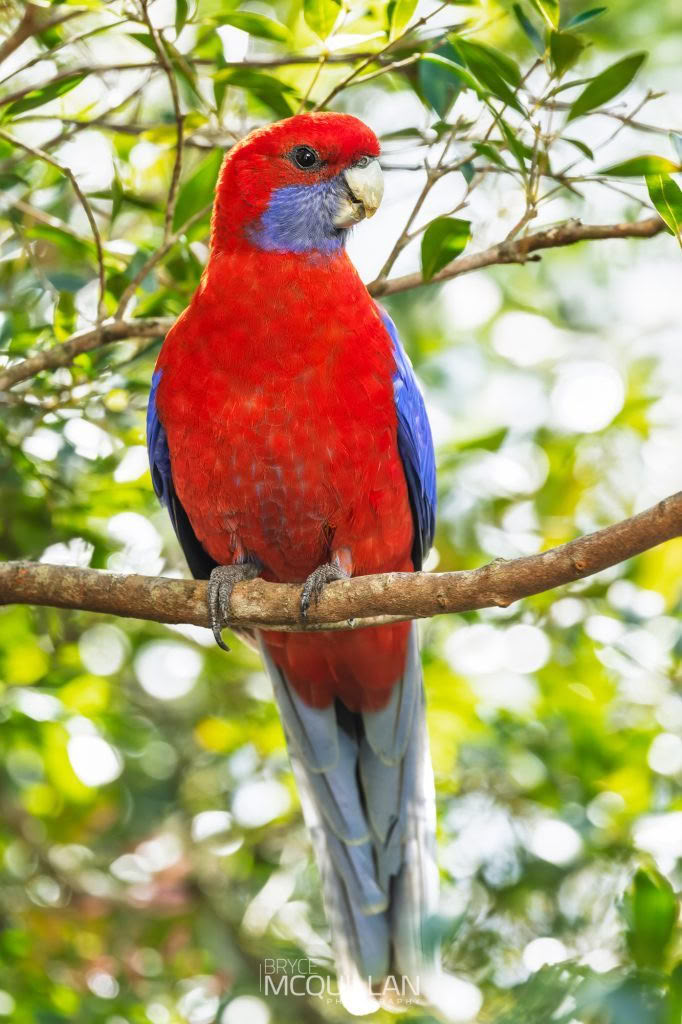
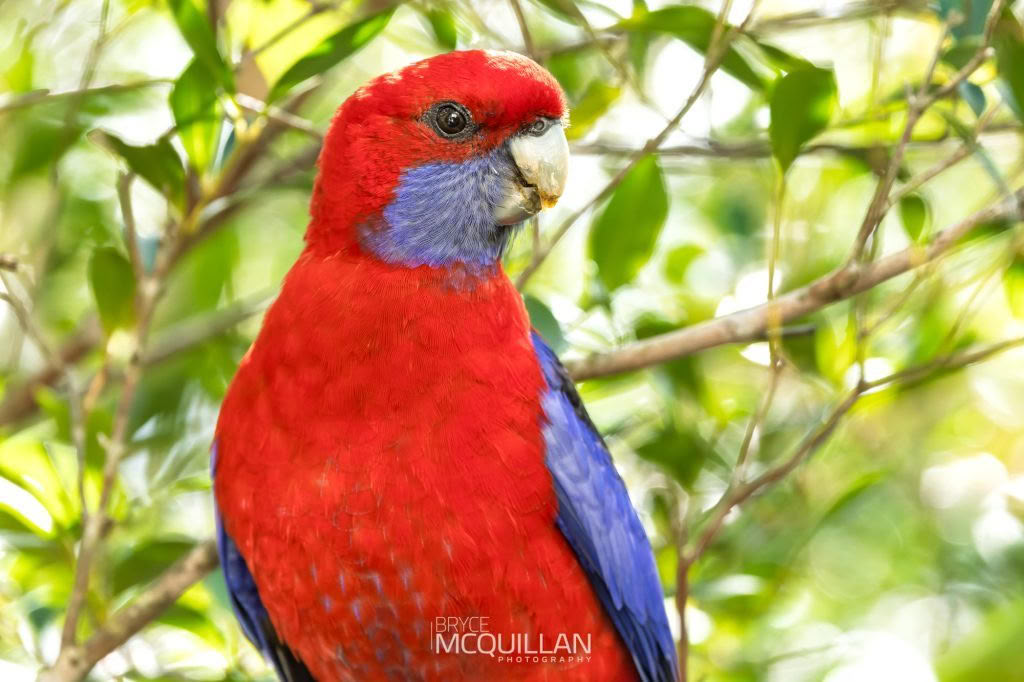
Red-crowned Parakeet – Ōtorohanga Kiwi House & Bird Park
I had been wanting to visit the Ōtorohanga Kiwi House for quite some time, but due to the distance and other weekend commitments, it had always been put off. Eventually, we decided to make the drive one afternoon, and it turned out to be a fantastic visit.
We spent a good amount of time in the free-flight aviary with the red-crowned parakeets and a range of other native bird species. Parakeets are one of my favourite groups of New Zealand birds, so being able to observe and photograph them so close was simply amazing.
Red-crowned parakeet | Kākāriki – Click on photos to enlarge.
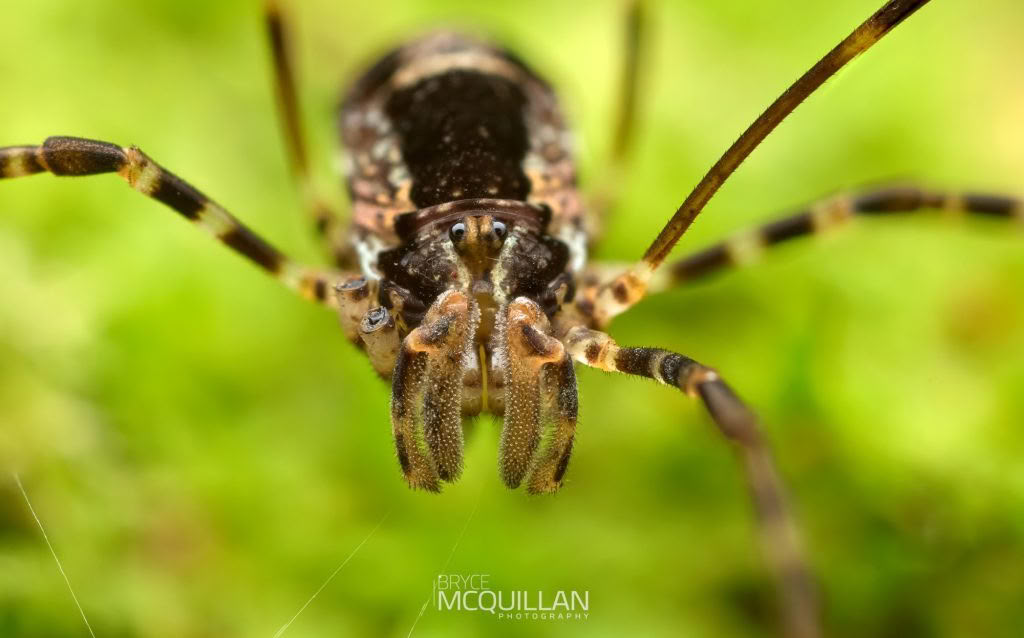
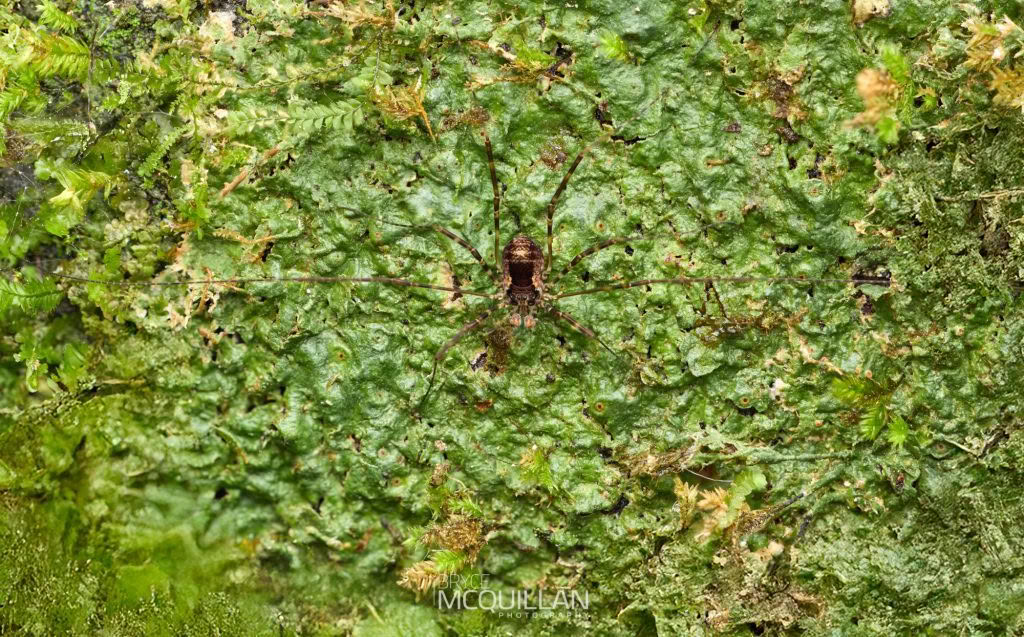
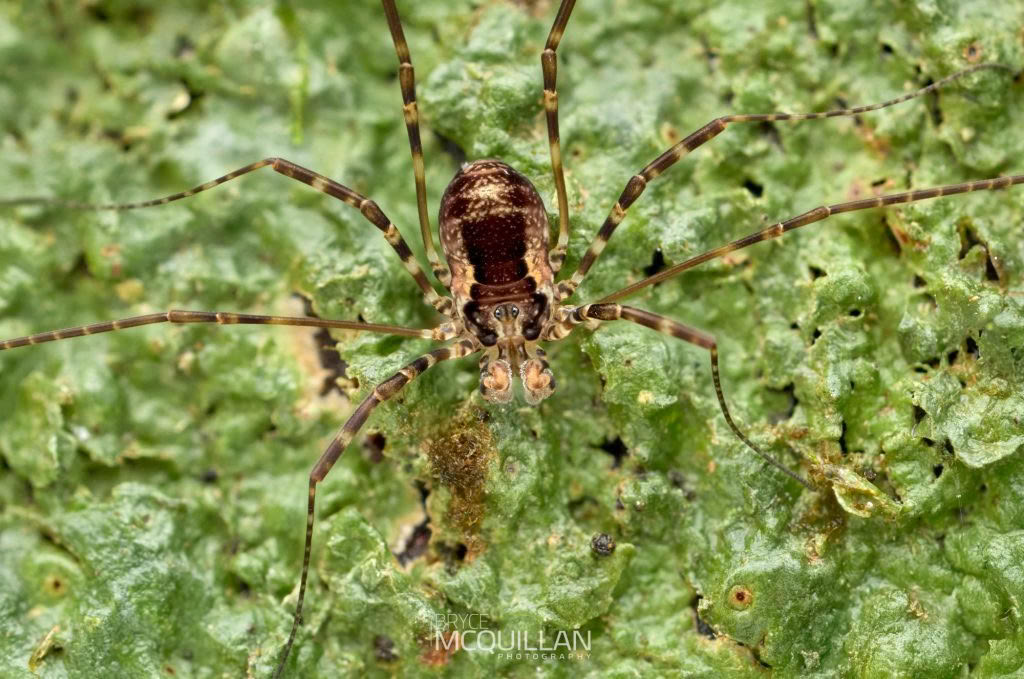
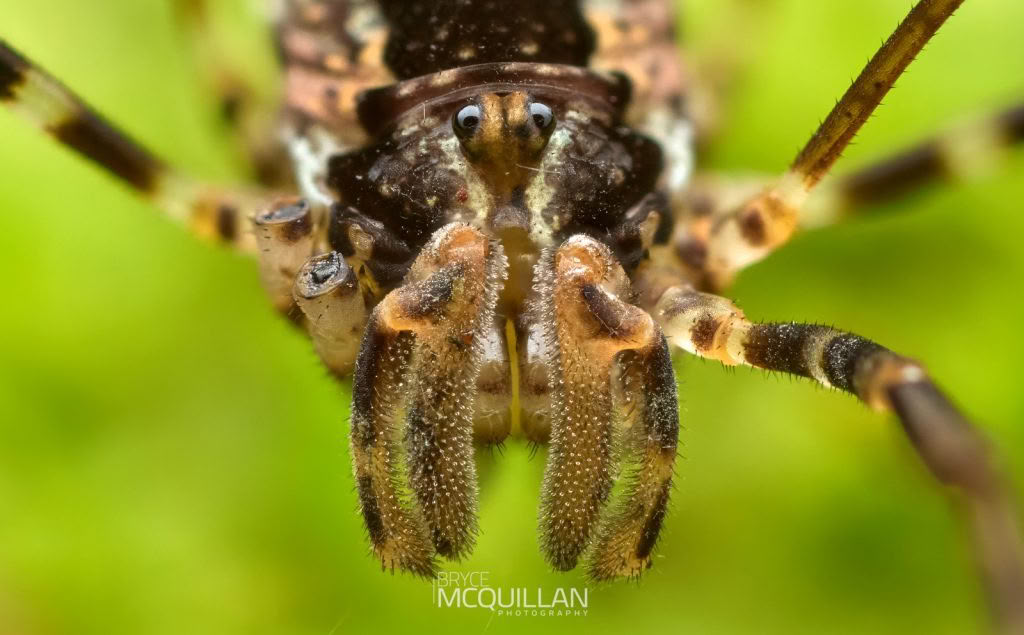
Triascutum triascutum – Redwood Forest with Anne & Brian
During winter, on warm, humid, damp nights, it can often be relatively easy to find harvestmen, including species such as Triascutum triascutum. This particular species has distinctive sticky, pad-like structures on its palps, and I’ve wanted to capture a good high-resolution image of this feature for quite some time. Getting the right angle can be challenging as these harvestmen are often positioned tightly against tree trunks.
After a small evening walk in the Redwoods with Anne and Brian, just as we were heading back out to the road, I spotted one of these harvestmen positioned at an ideal height on a tree. This allowed me to capture a full-body image, as well as some detailed close-ups of the sticky palps, which I’d been hoping to achieve for a long time.
Family trip to Australia
In August, Angela and I made our first international trip overseas together. While we had both visited Australia previously, it was our first time travelling there as a couple. We were fortunate to stay with Angela’s aunt and uncle, who were wonderful hosts and amazing guides, showing us around their local area.
Friendly Willie Wagtail (Rhipidura leucophrys)
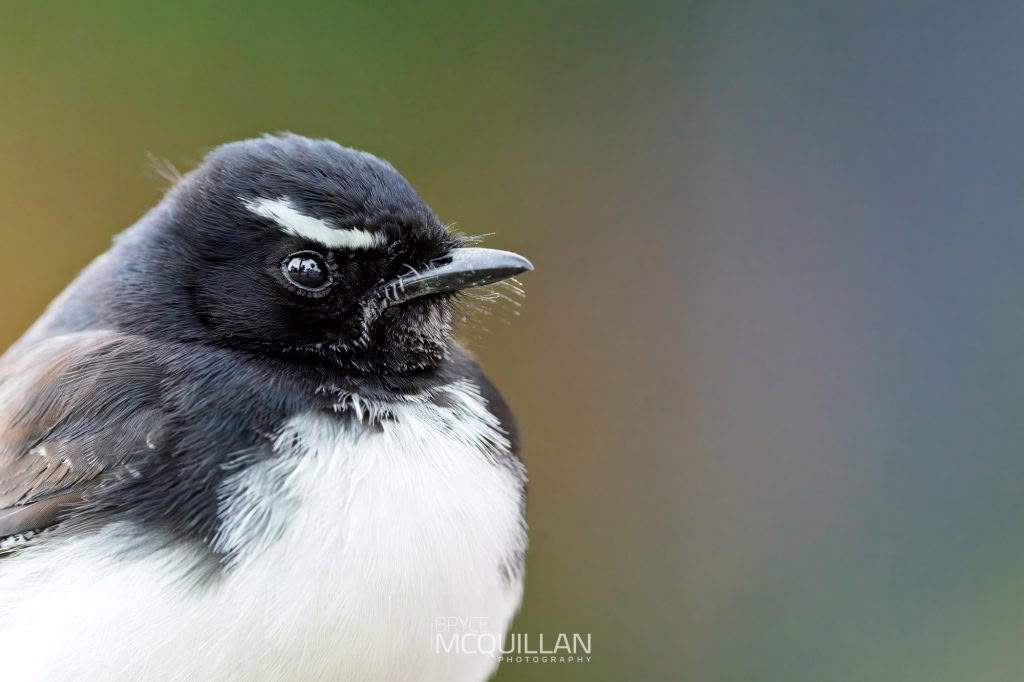
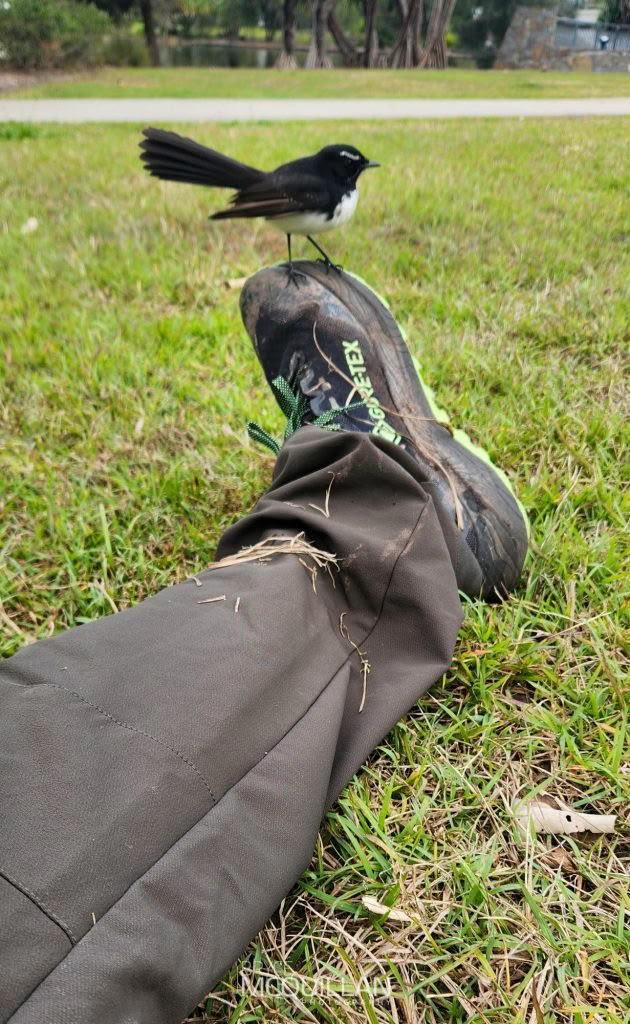
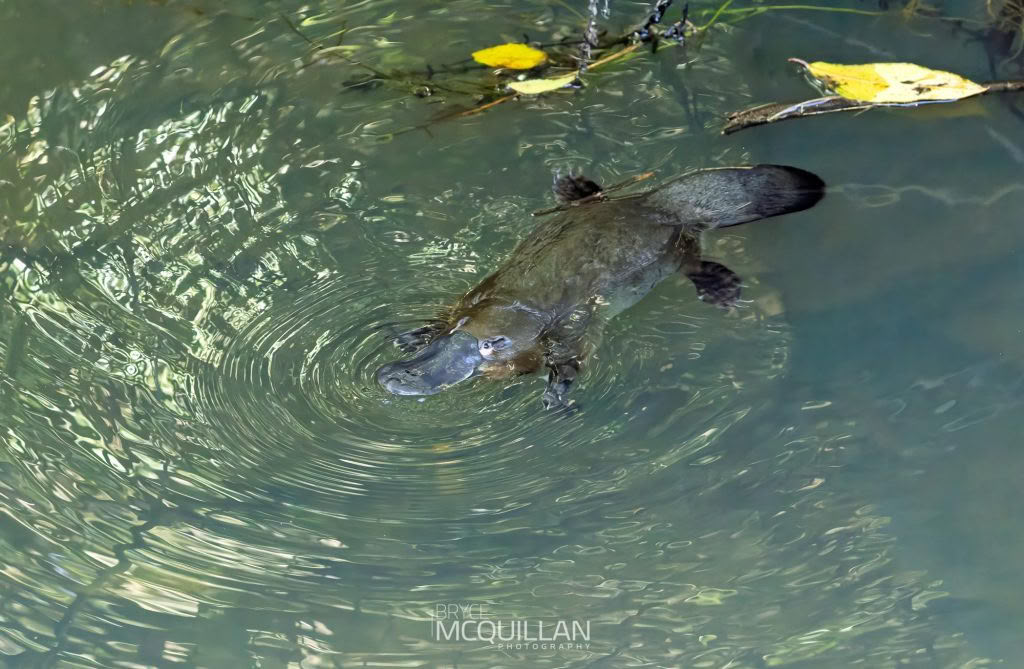
One afternoon, Wendy, Angela’s aunty, took us for a drive to explore some of the local forest reserves and to see if we could spot a platypus. While I was excited by the idea, I didn’t think our chances were particularly high. After spending some time scanning along a stream and heading back towards the car, we were pleasantly surprised to spot one near a bridge close to the road.
We spent a great deal of time marvelling at the sheer colour and diversity of Australia’s birdlife, as well as the impressive range of invertebrates we encountered both during the day and at night.
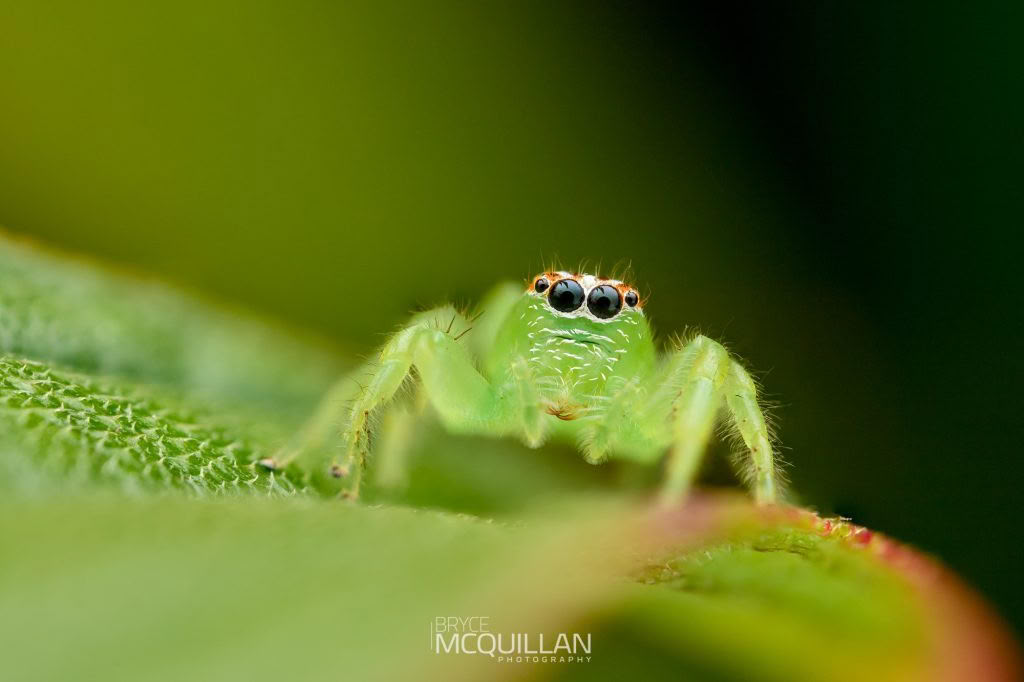
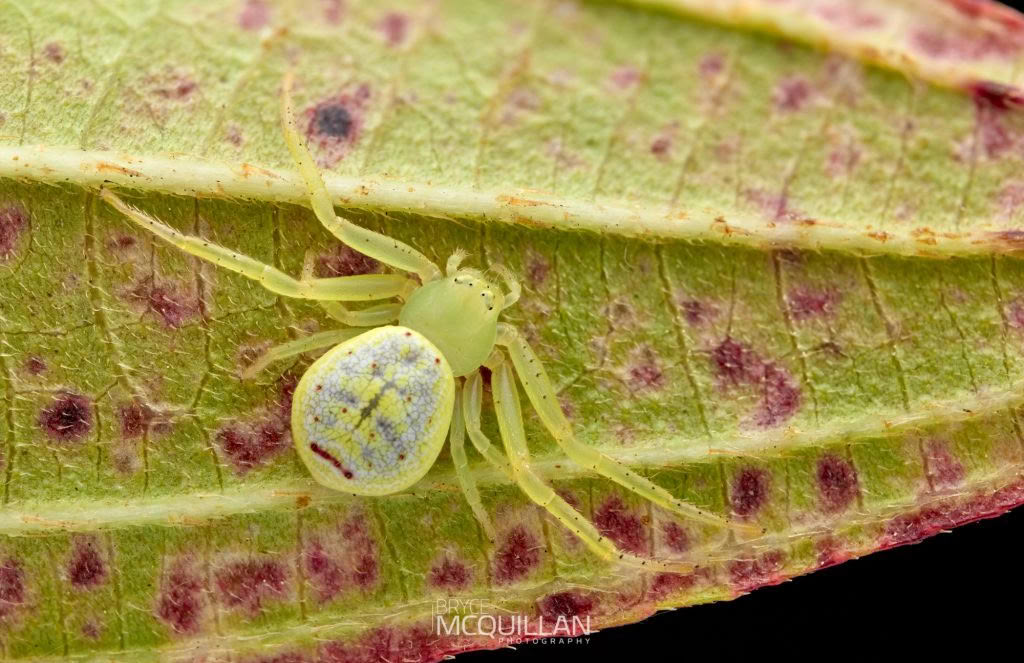
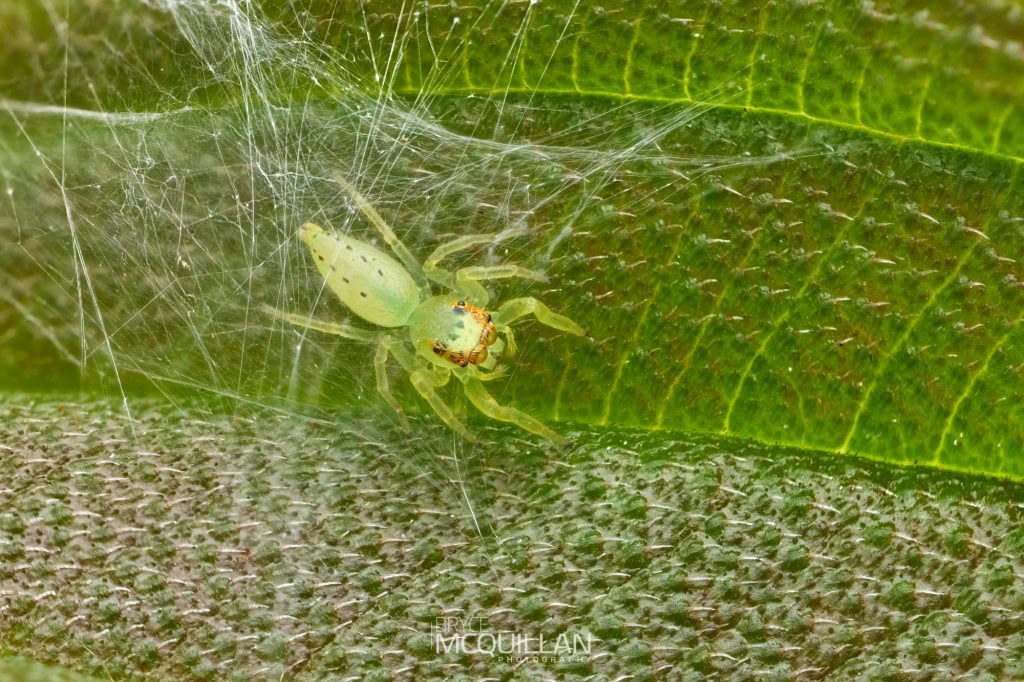
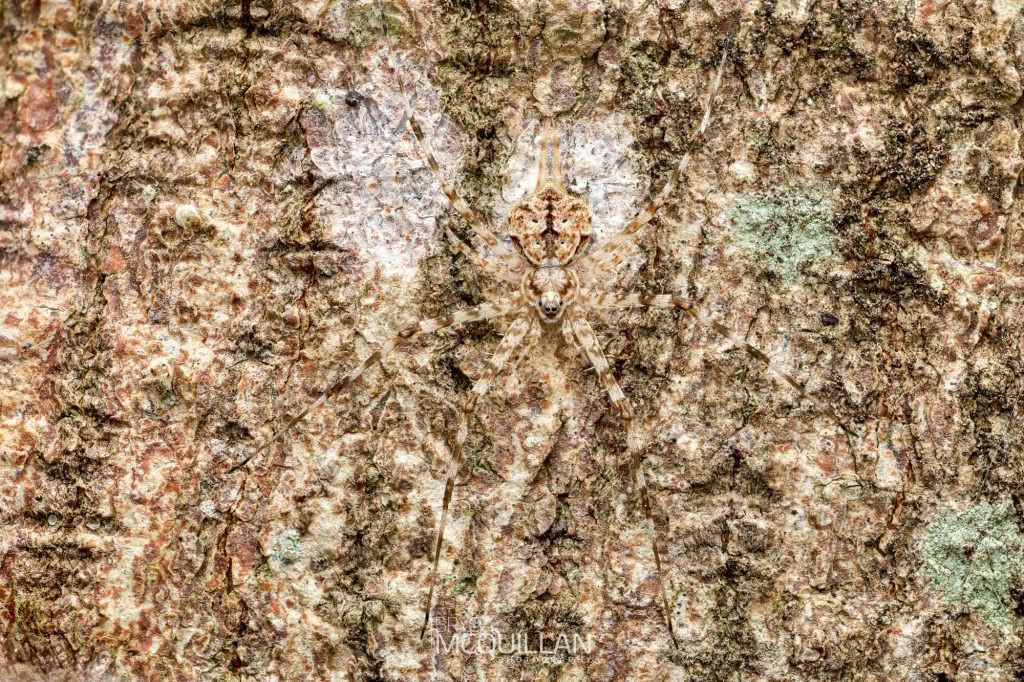
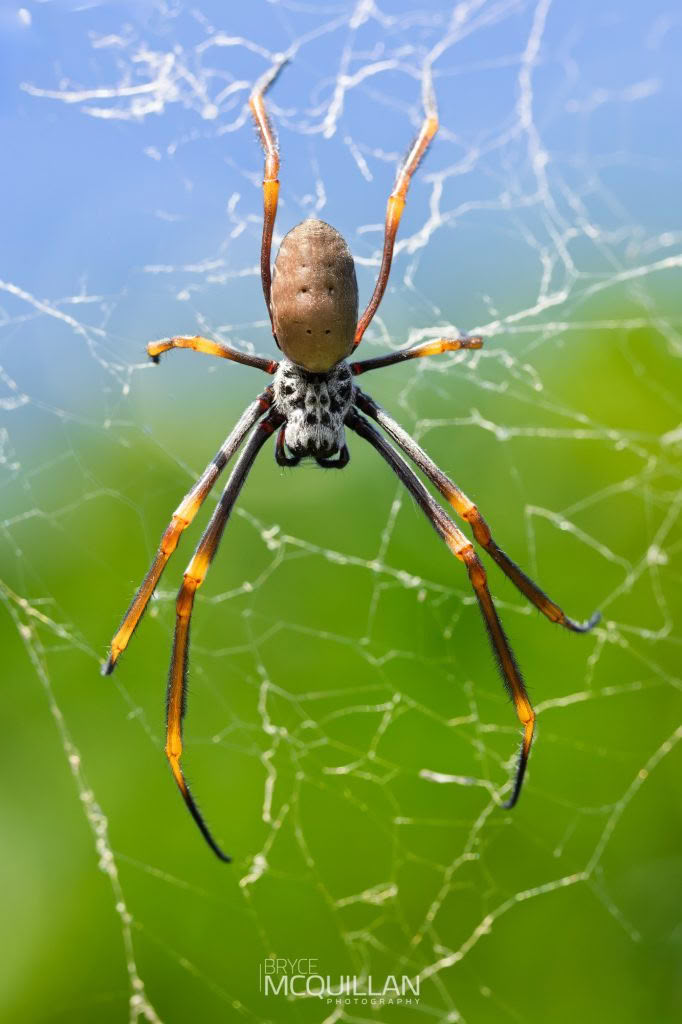
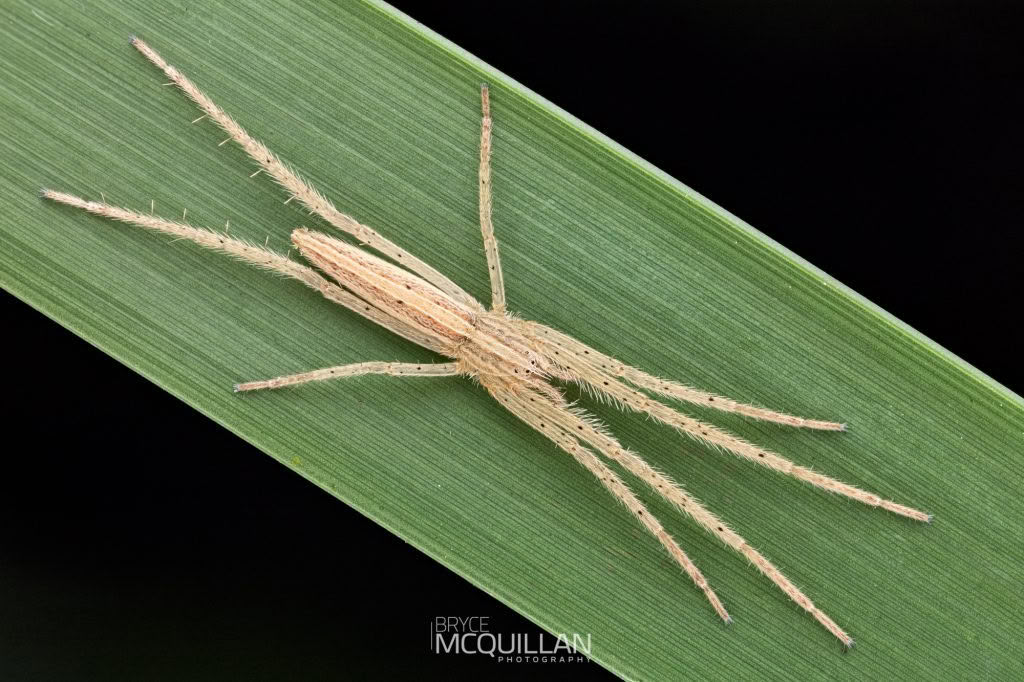
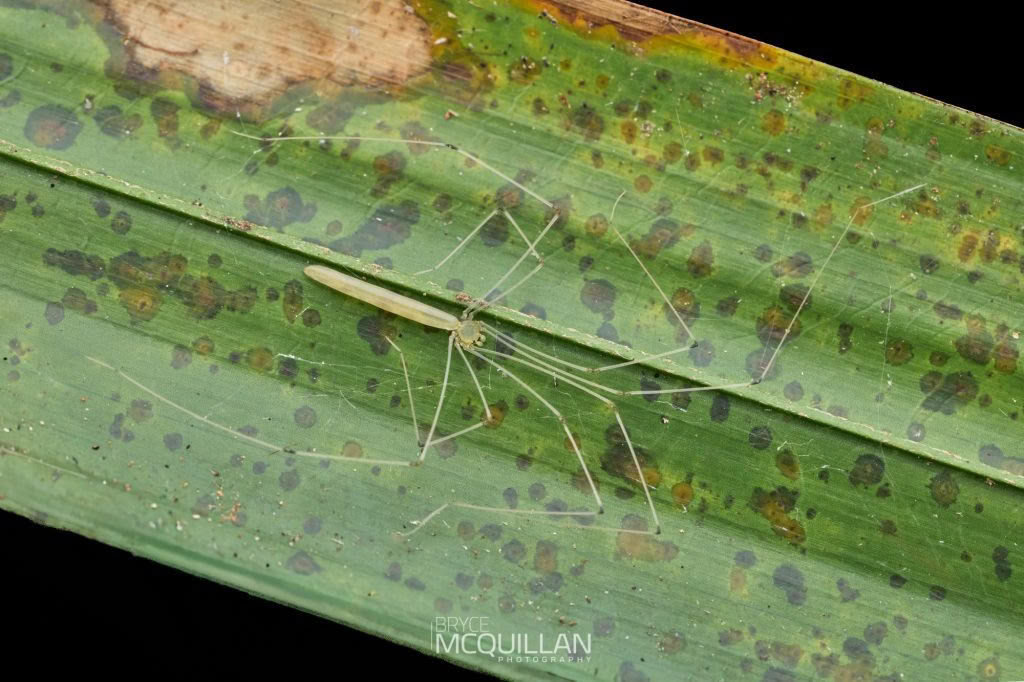
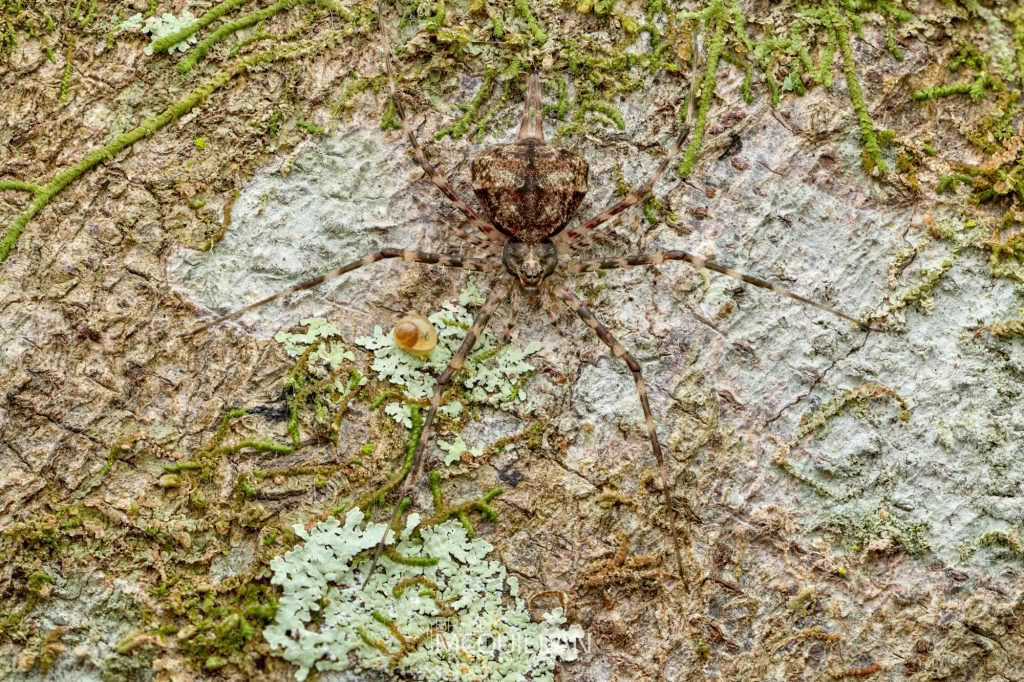
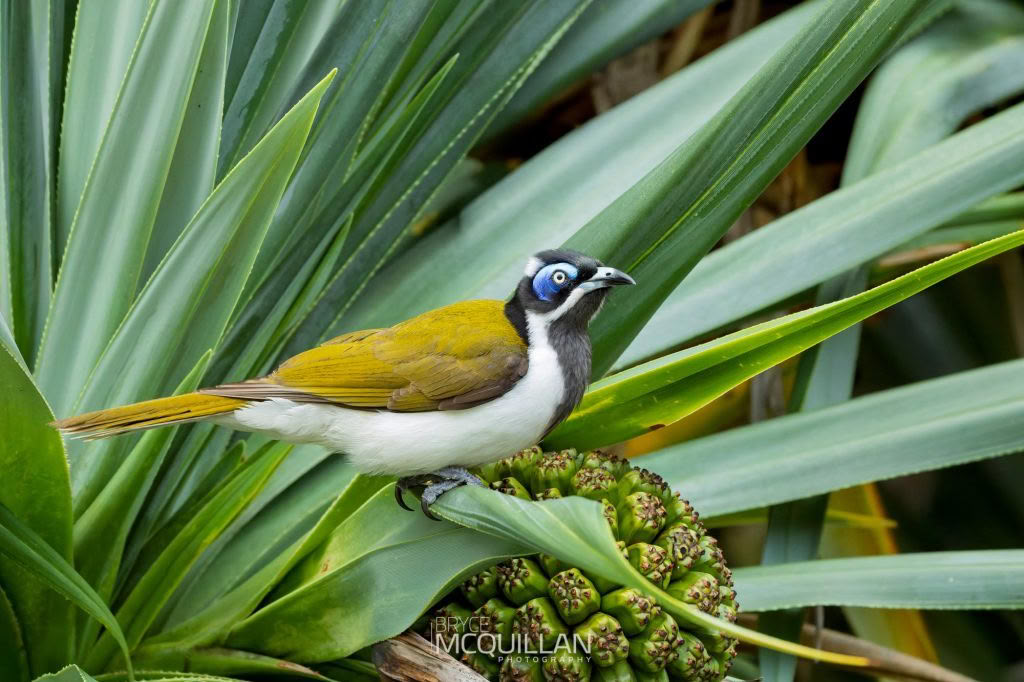
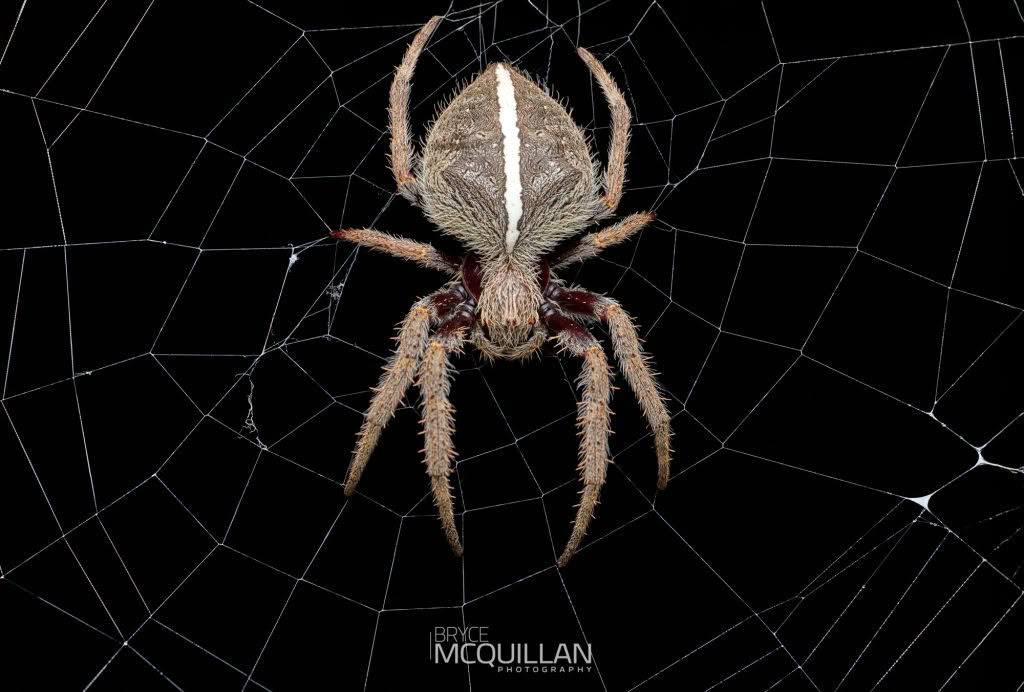
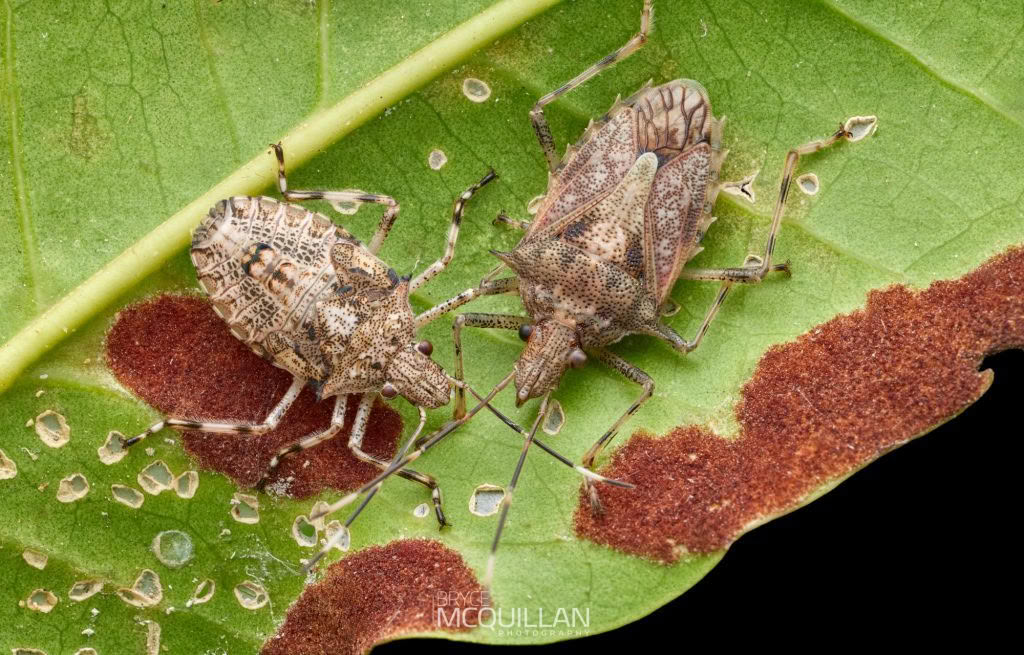
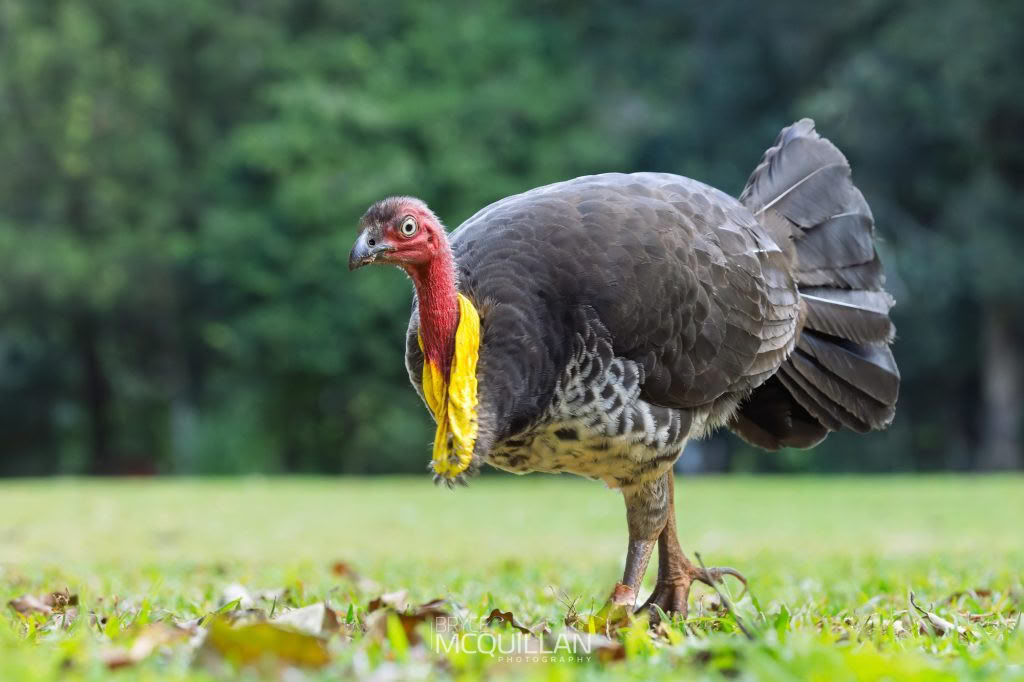
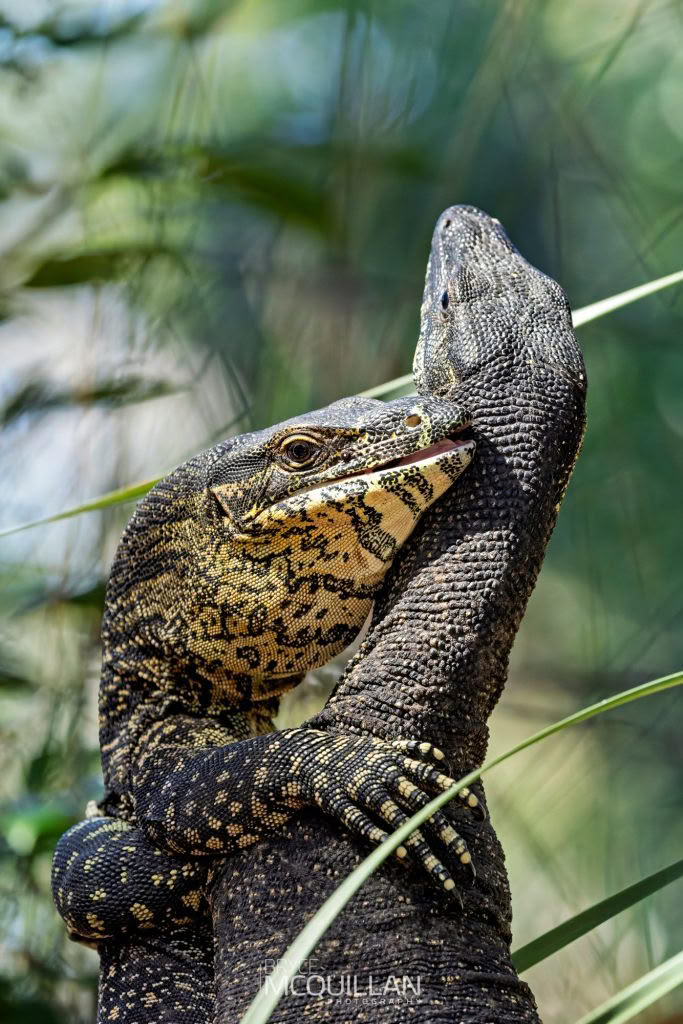
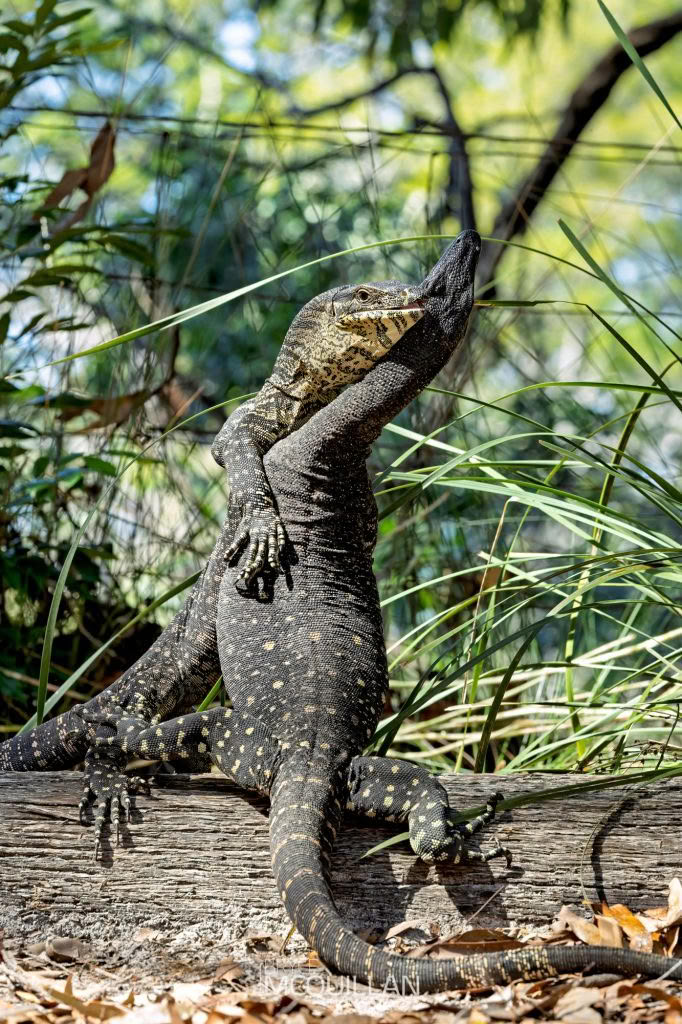
Large male Tasmanicosa semicincta
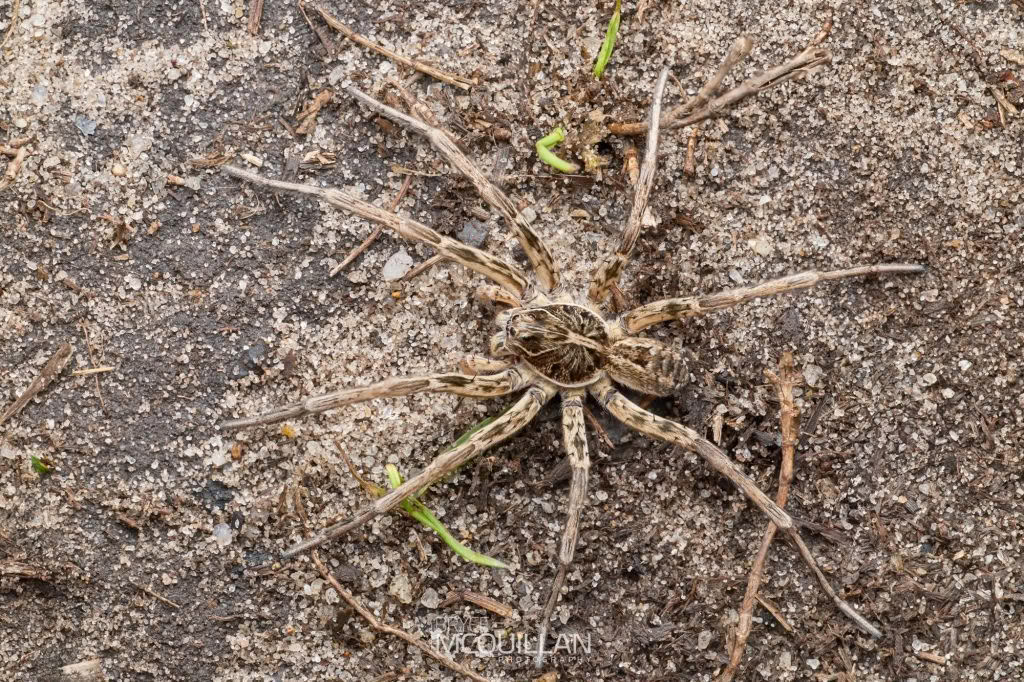
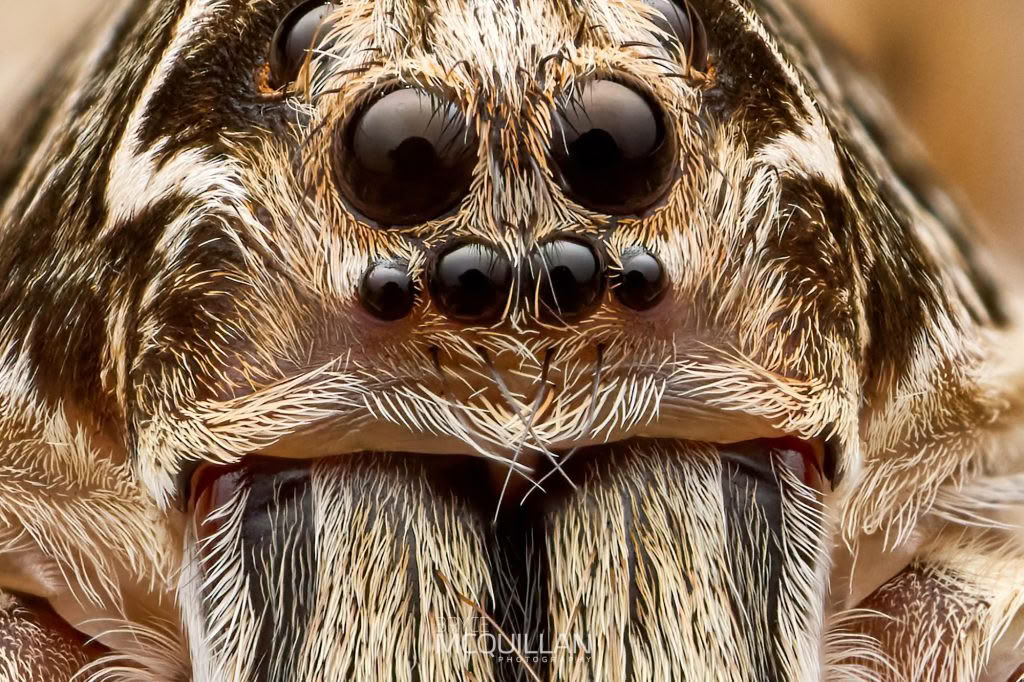
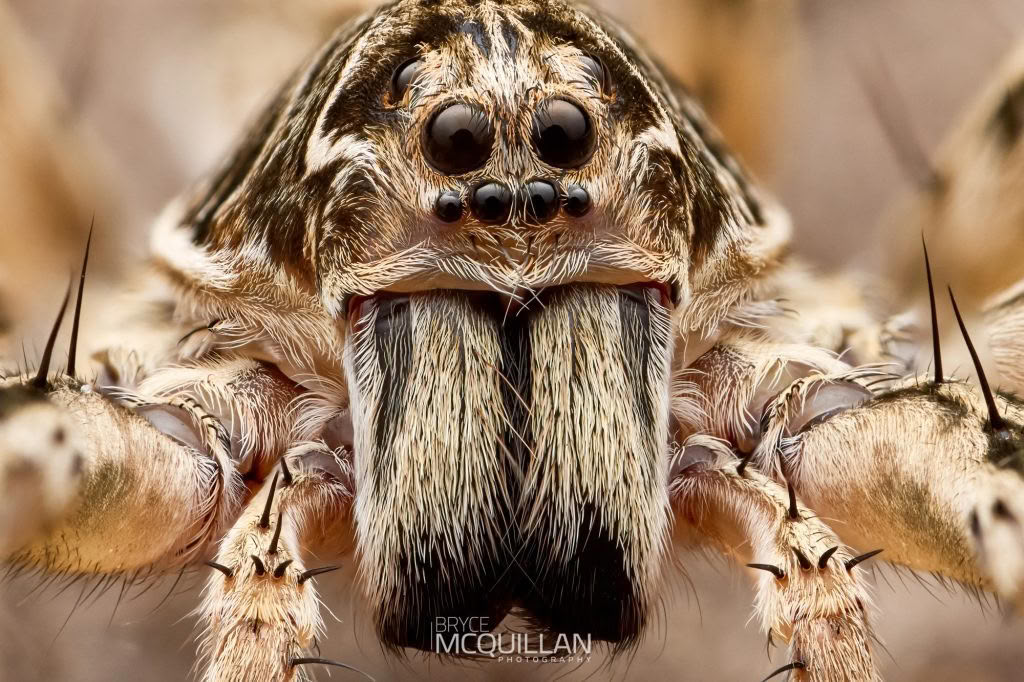
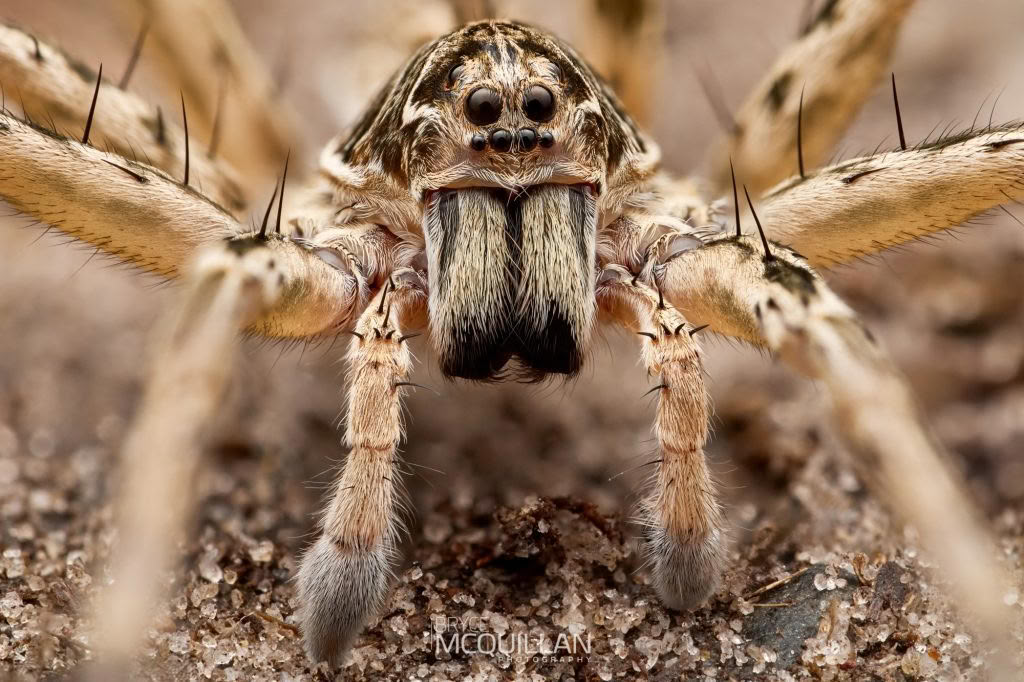
During our time in Australia, we visited Geoff and Lily, two people with whom I had corresponded for many years via email and social media. Geoff kindly showed us around the Brisbane Museum and then took us on an evening walk through the city, sharing local insights along the way. It was a genuinely special evening.

The following day, we travelled out to Lily’s place for lunch and a short walk through a nearby forest reserve, before heading back to her house for dinner, and a brief night walk around her backyard.
A few images from Lily’s backyard.
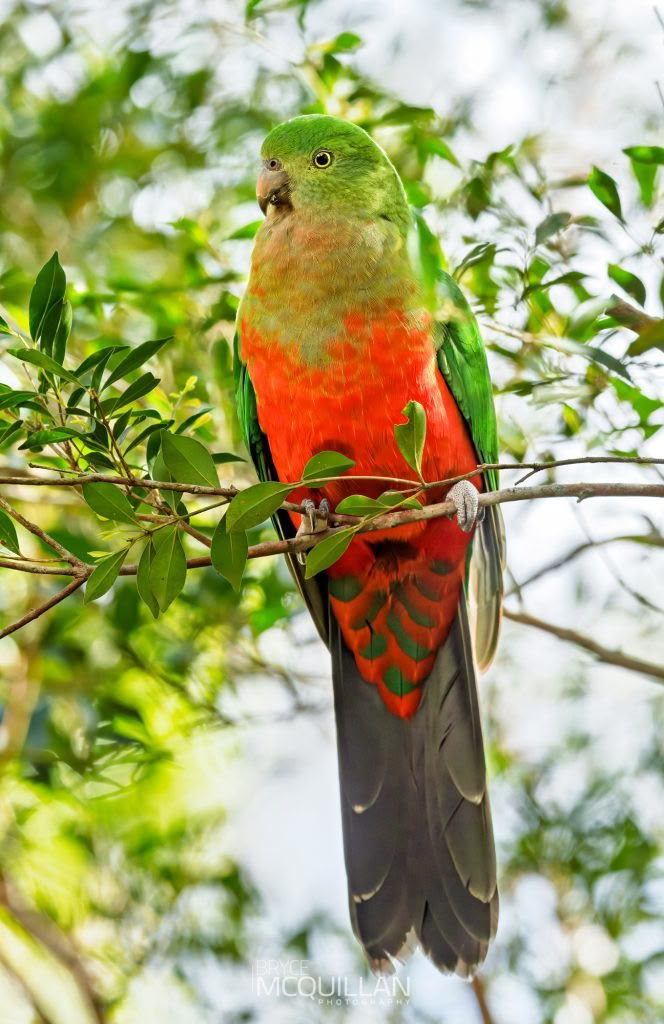
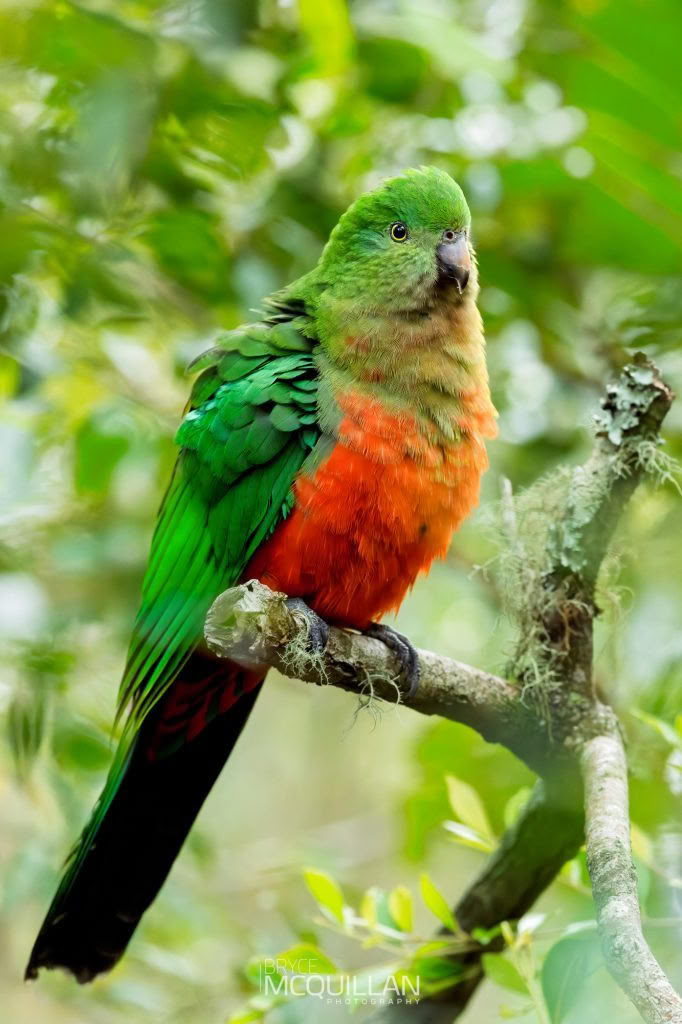
August 15th was my birthday, and I had wanted to go to Australia Zoo for as long as I could remember, so we decided that for my birthday, we should go to Australia Zoo. It was an amazing place and certainly one of the highlights of our trip.
A few images from our trip to Australia Zoo
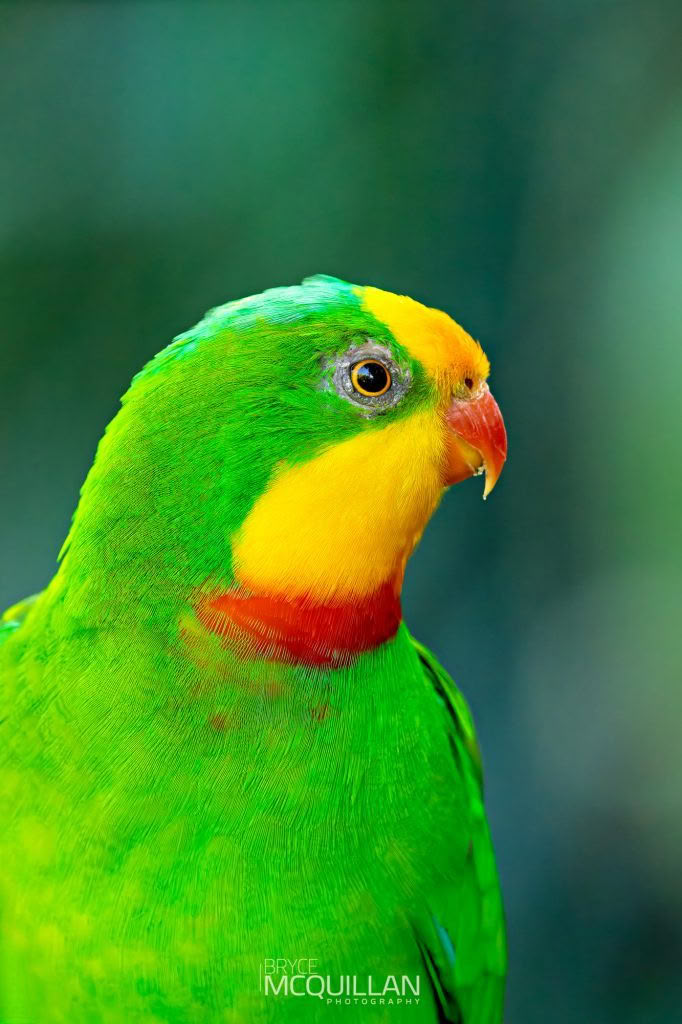
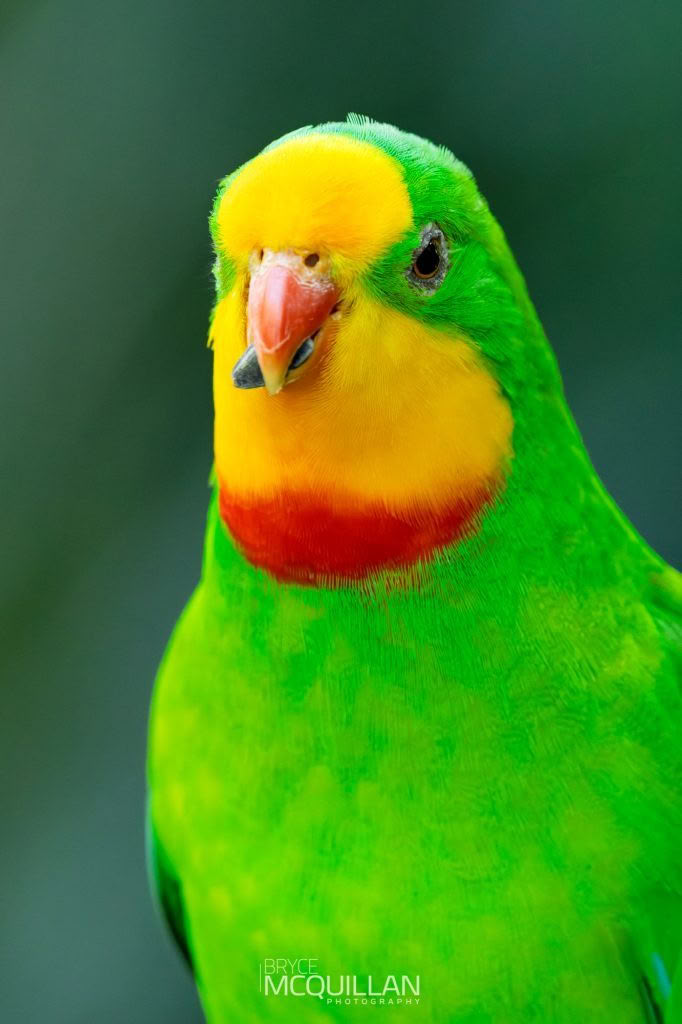
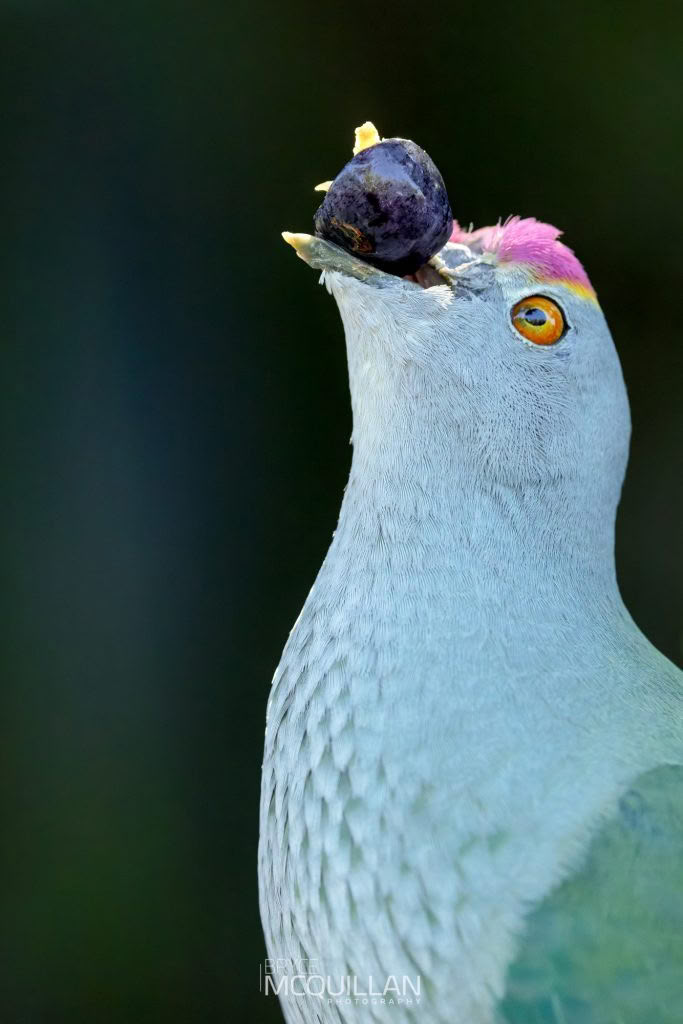
One of the last trips we did in Australia before coming home was to the Everglades near Noosa in Australia. This guided trip included a boat ride up the river through the Everglades. There are only two everglades in the world, the other being far away in Florida. We could not have asked for better weather on this day. The trip was amazing. After the boat ride, we had some lunch at the cafe, and then spent an hour or so wandering around the campsite, which offered some great wildlife photo opportunities.
Noosa Everglades
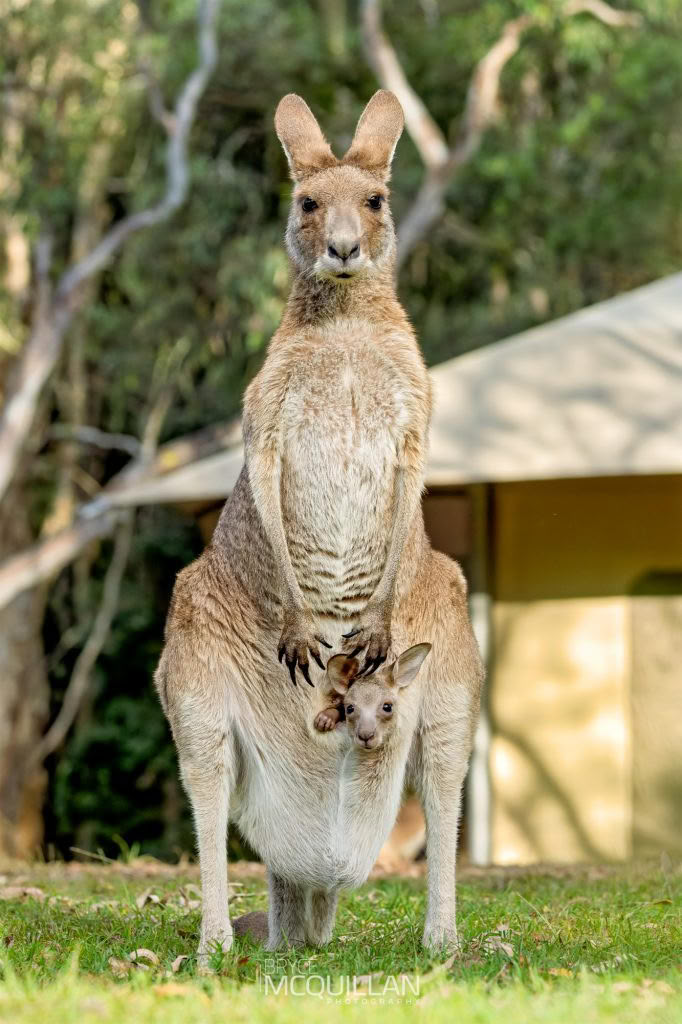
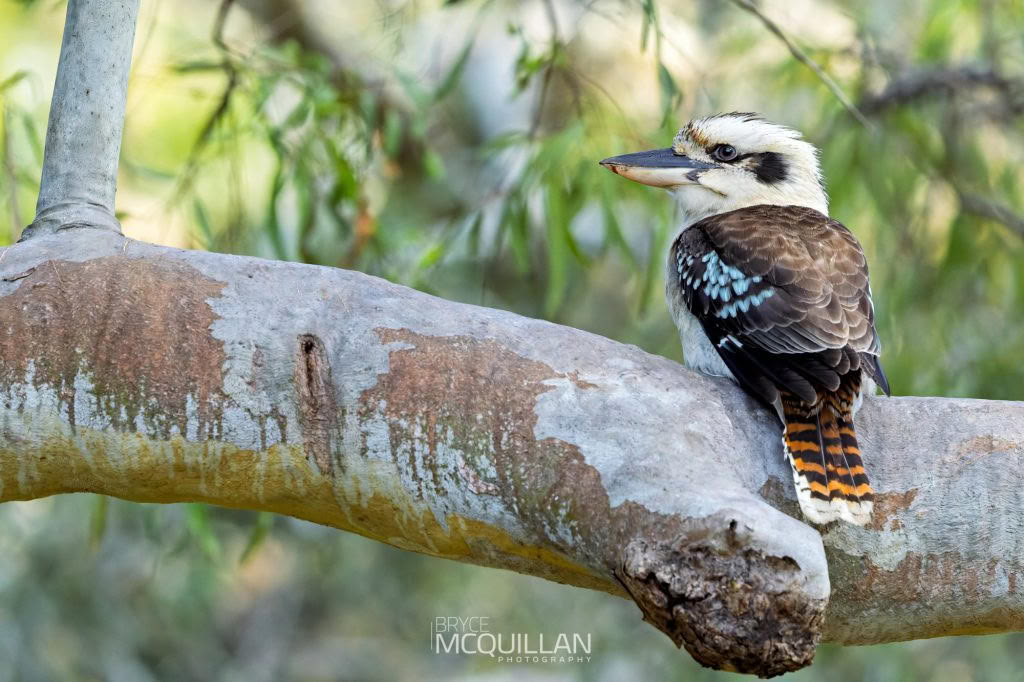
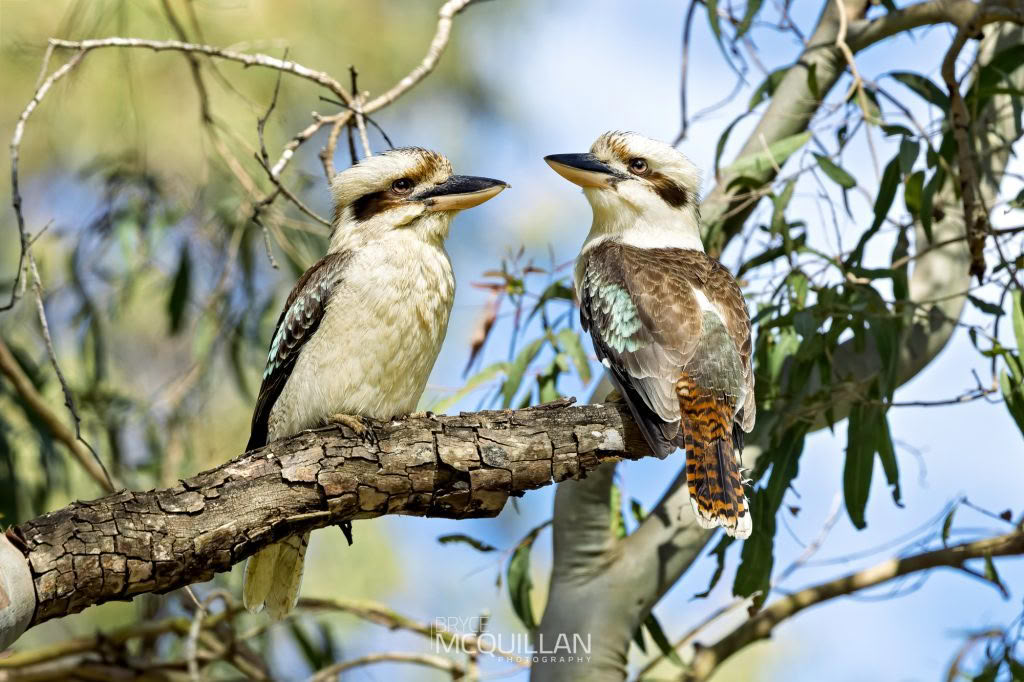
Small night walk in Dansey Reserve, with Brian, Connor and Angela, at the start of spring
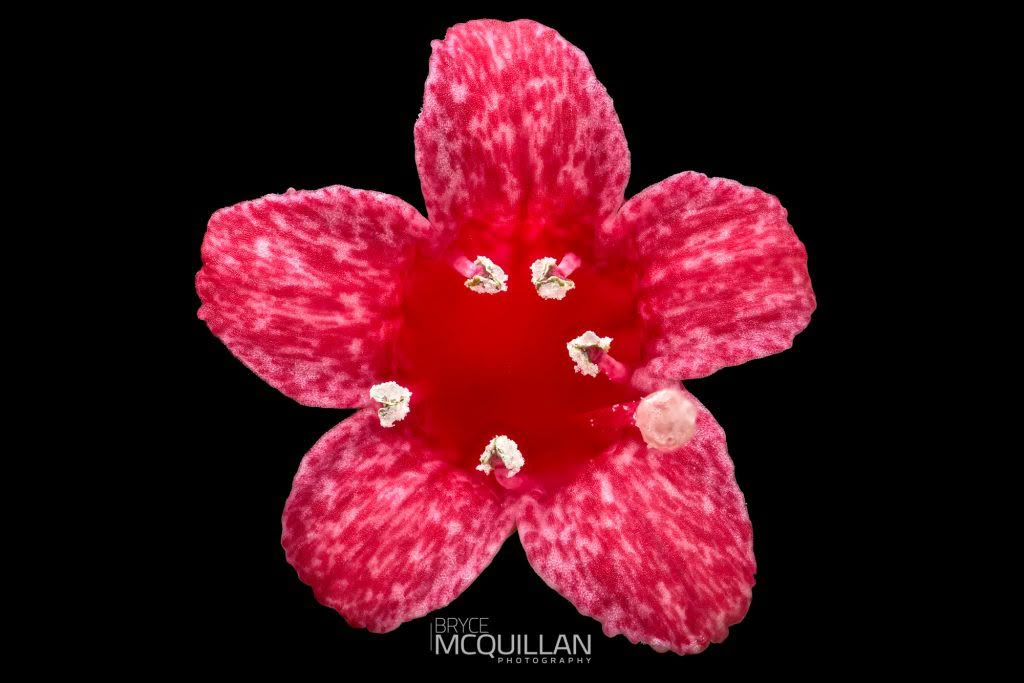
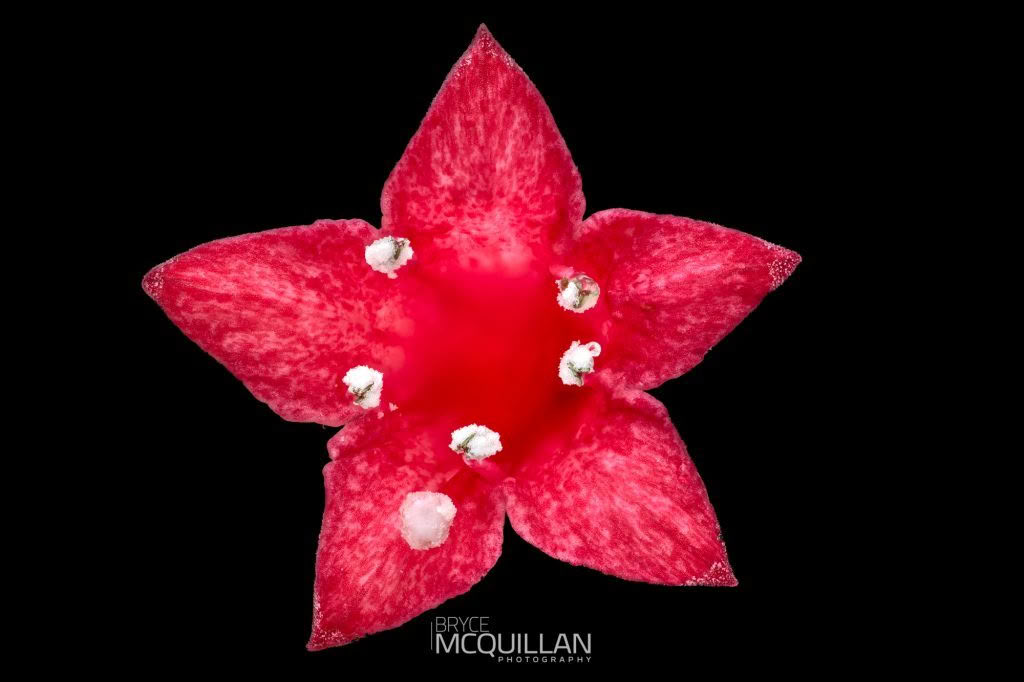
Shortly after returning from Australia, Angela and I went on a short night walk with Brian and Connor in Dansey Reserve. I was particularly keen to photograph Alseuosmia macrophylla in flower, and this year this shrub species had an exceptional flowering season at Dansey. I personally have never seen so many flowers there before.
Another image from Dansey – Leaf-veined slug
Backyard flowers
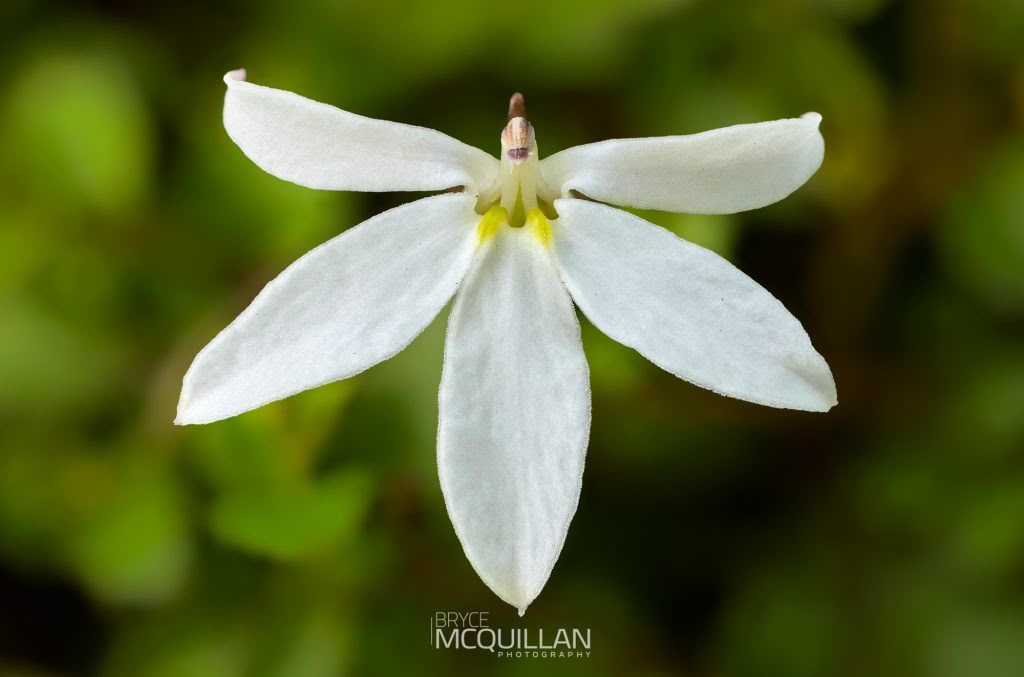
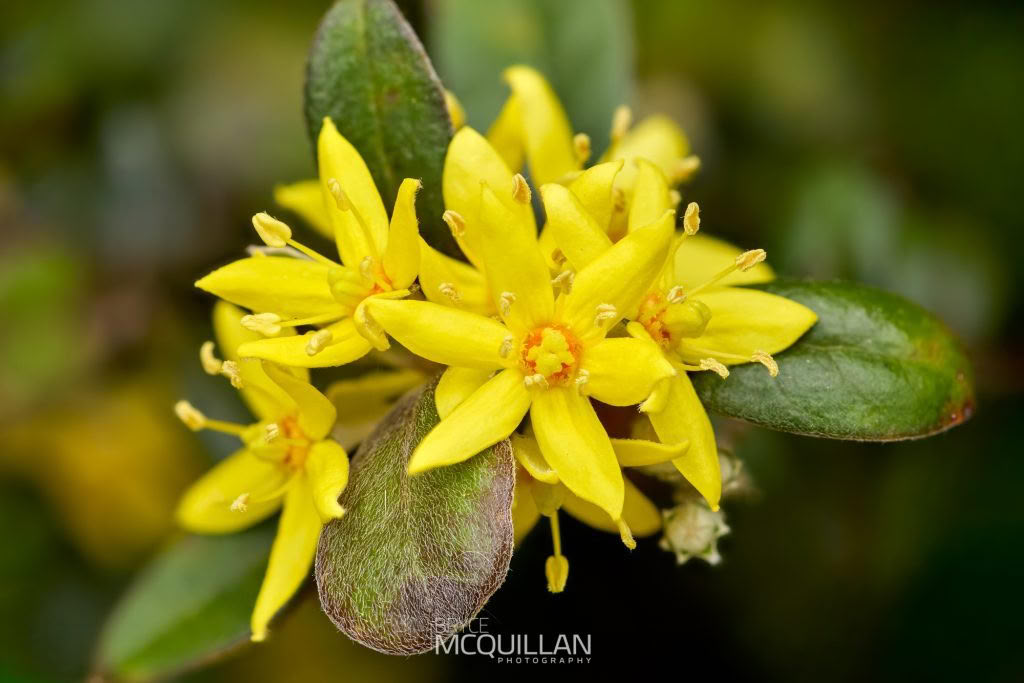
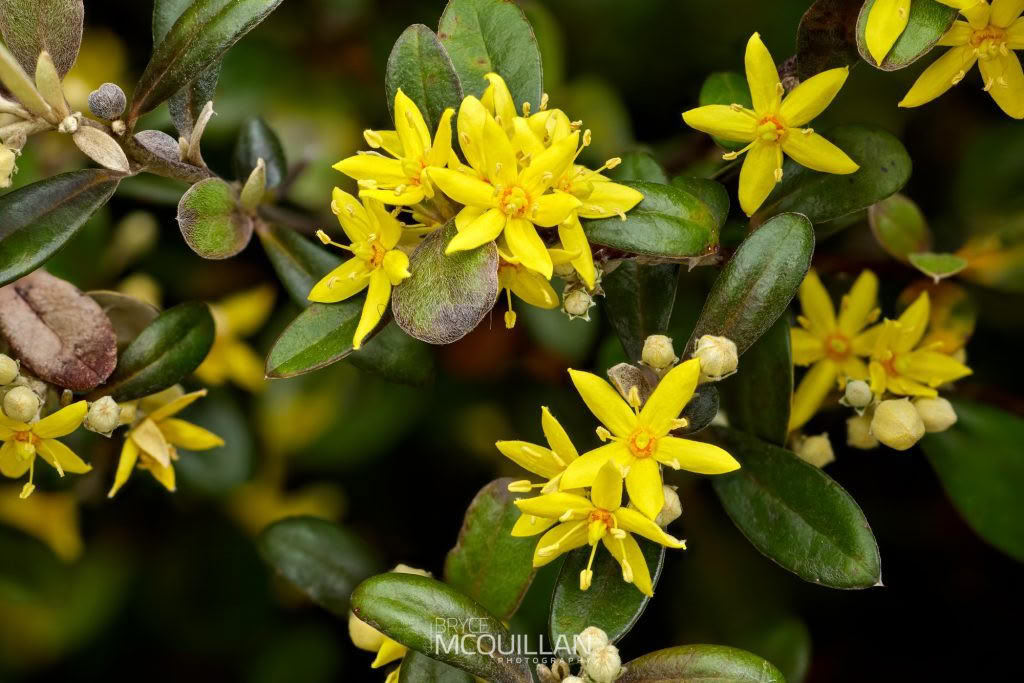
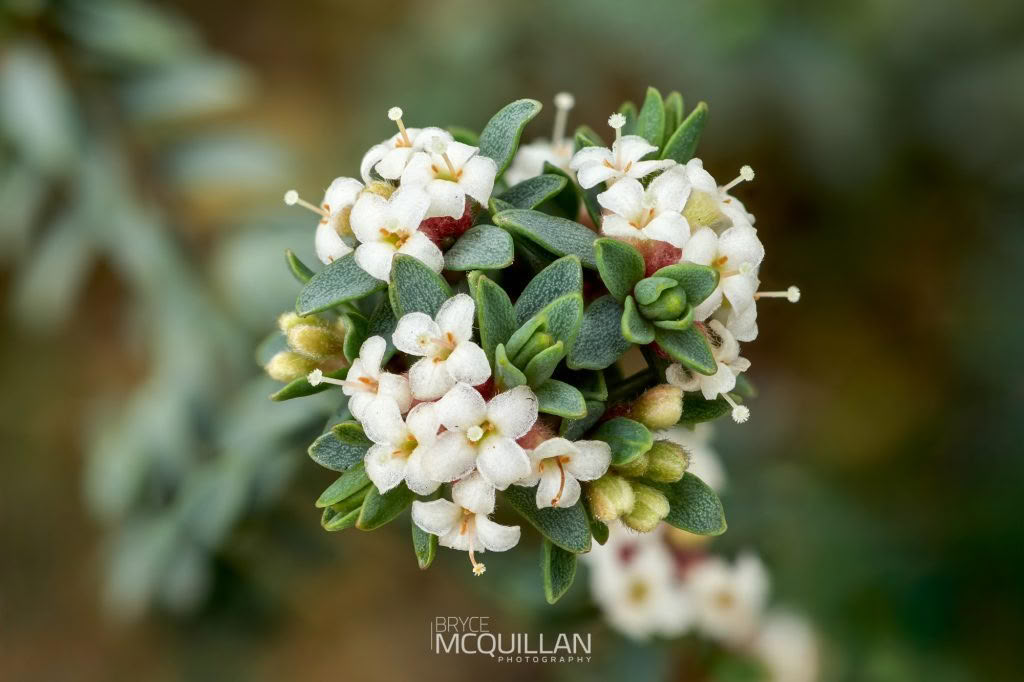
This summer, I wanted to focus more on photographing endemic flowers. While I do a lot of macro work, daytime flower photography is quite different from night-time macro photography of invertebrates, and often requires a different approach and a different set of equipment than my usual macro lens and flash setup.
To prepare for this, I spent some time practising on plants in the backyard and making sure I had the right gear and diffusers sorted. I also built a few DIY diffusers and clamps, which turned out to work extremely well in the field.
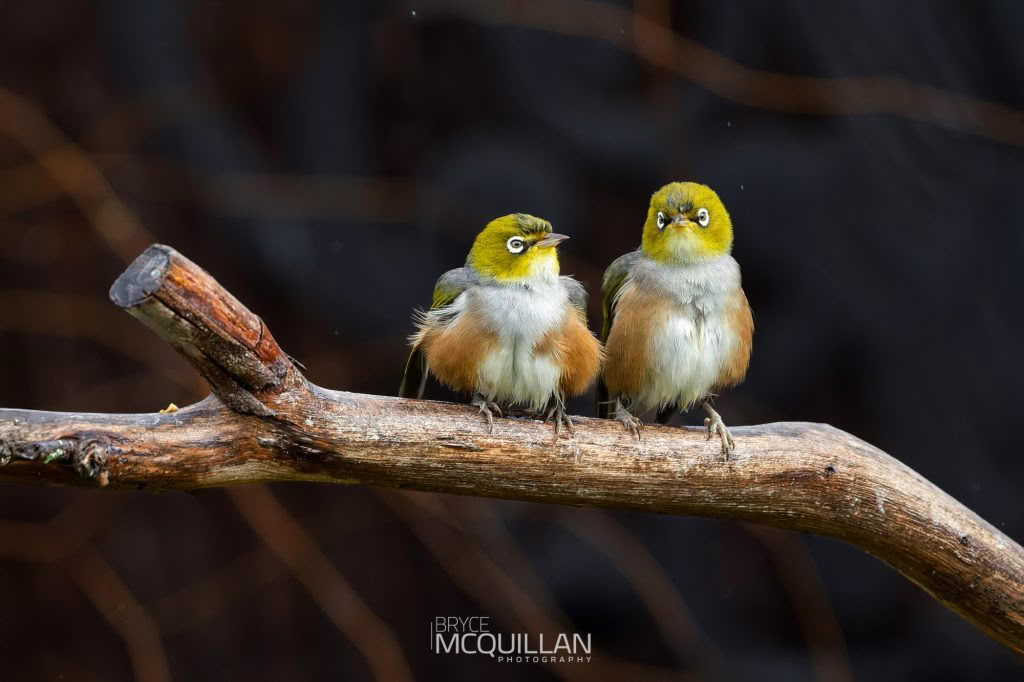
Waxeye
We have a small backyard where we have set up a simple bird feeder surrounded by native NZ plants. During winter and early spring, it attracts a mixture of common birds, both native and introduced. Waxeyes (Zosterops lateralis) are among the native species that visit regularly, giving me the opportunity to capture some great eye-level images straight from our dining room window.
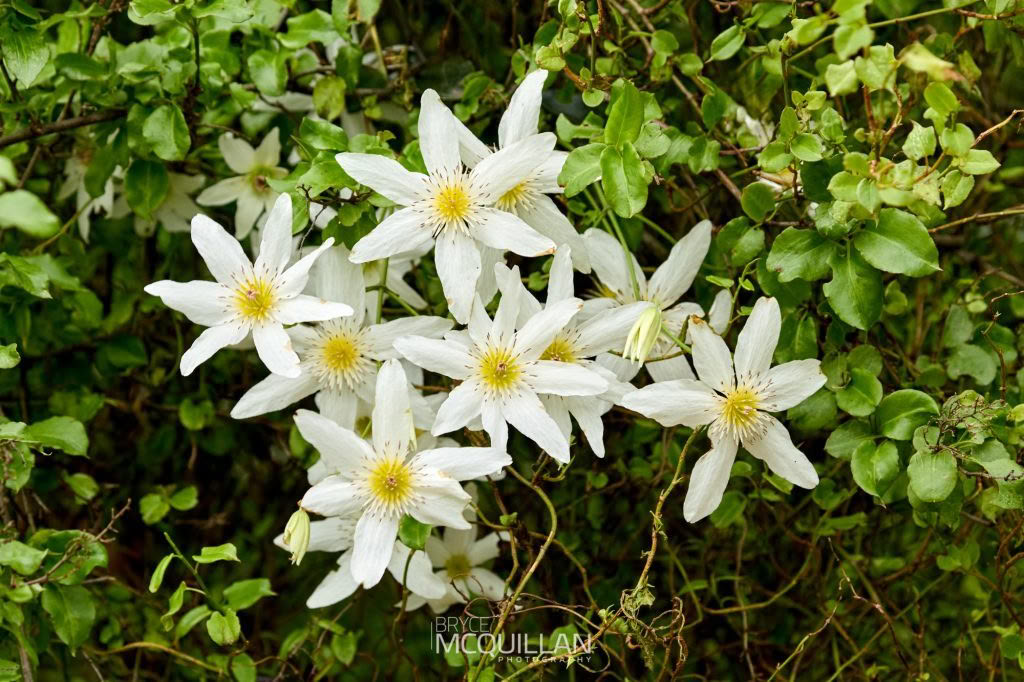
Spring – Flowers
Once I felt I had a clearer idea of what I needed to do to achieve the results I was after, Angela and I set out to find a range of different plant species to photograph. Clematis paniculata is often among the first native flowers to appear in spring.
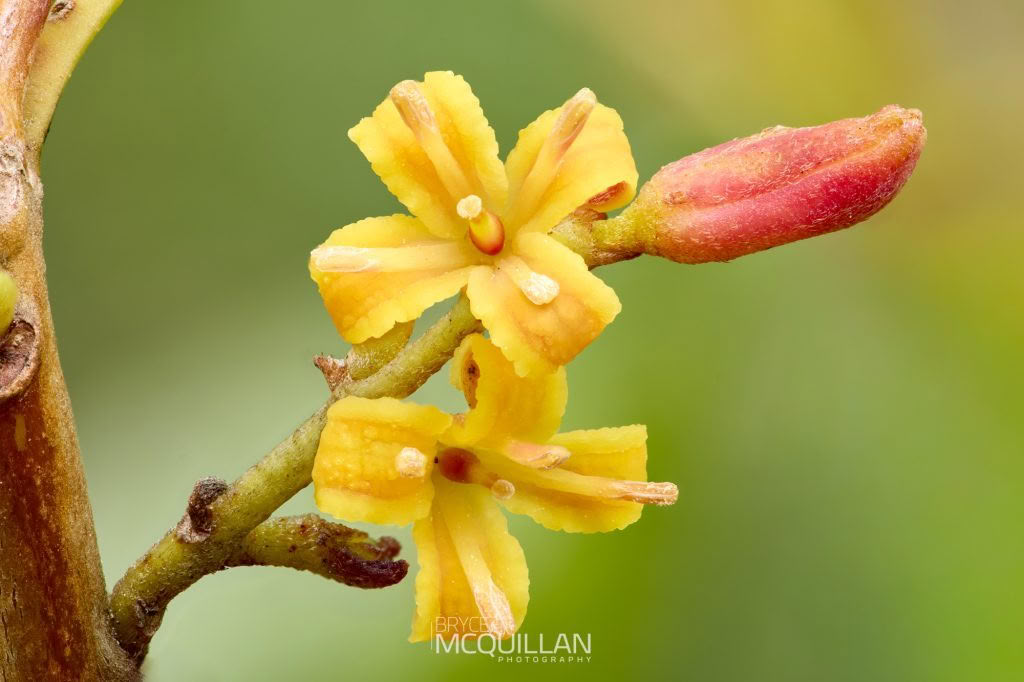
Forest & Bird Lodge, Whakapapa
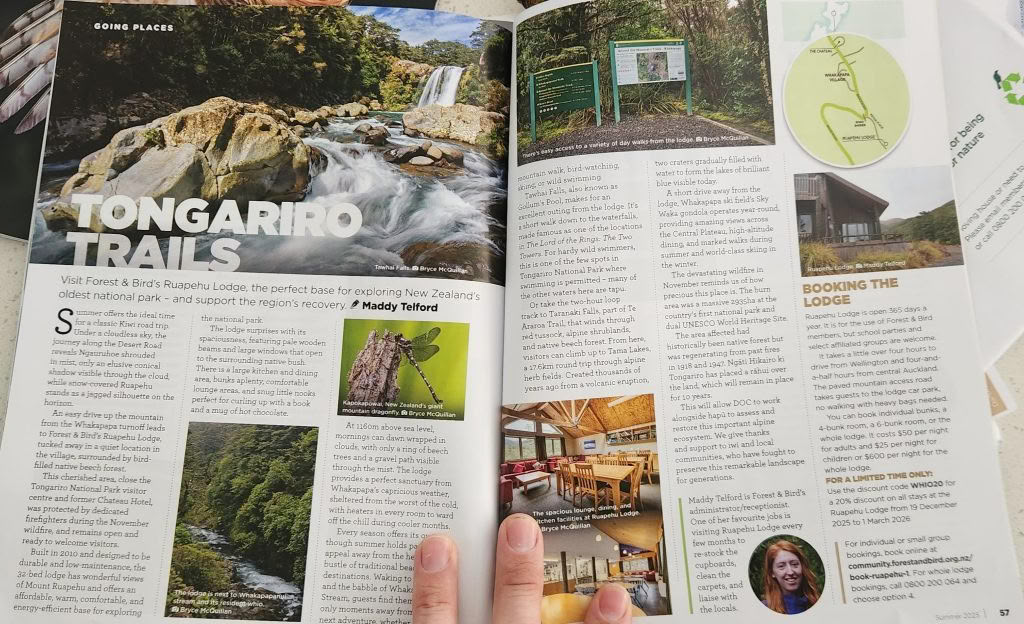
In spring, Angela and I stayed at the Forest & Bird Lodge in Whakapapa Village on Mount Ruapehu for a weekend, to help with an article that Forest & Bird were preparing for an upcoming magazine (Summer 2025 issue). We had aimed to capture a broad range of images, but the weather proved challenging, with low cloud, rain, and near white-out conditions for much of our stay.
Despite this, we were still able to capture a small selection of images, including scenes of the forest walking tracks and the lodge itself. An unexpected highlight was finding this beautiful Iphigenia feredayi just outside the front door of the lodge at night.
Dabchick – on the way home
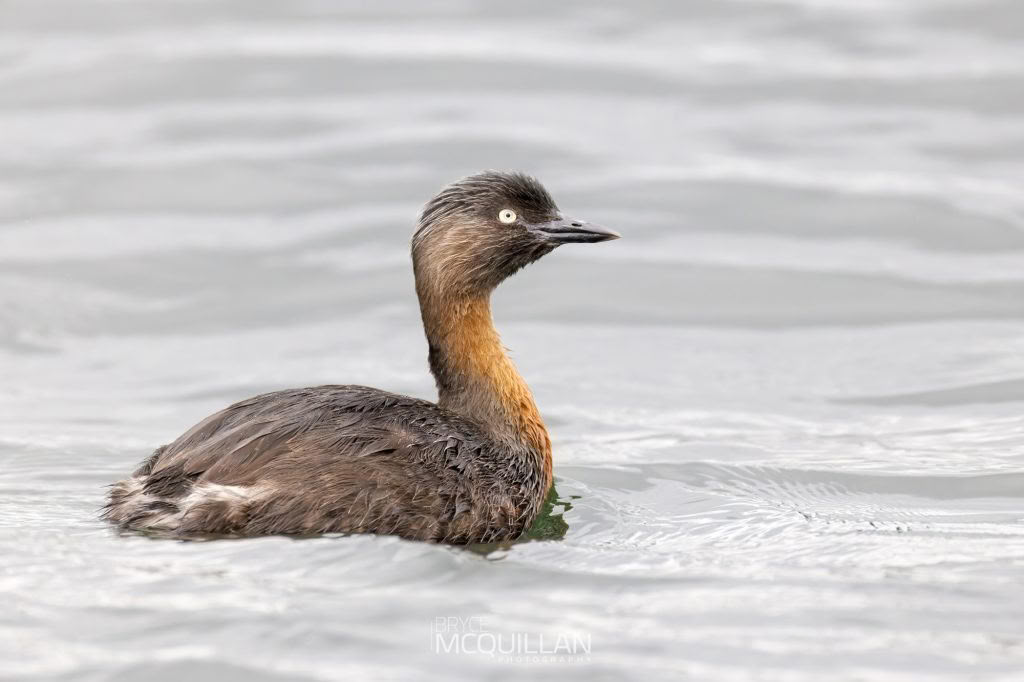
On our drive home from the Forest & Bird Lodge, we stopped at a small bay near the southern end of Lake Taupō to stretch our legs. While we were there, we noticed a beautiful little dabchick (Poliocephalus rufopectus) swimming quite close to the wharf. We lay down on the wharf and managed to capture a couple of photographs as it moved past.
Bearded orchids – Rotorua
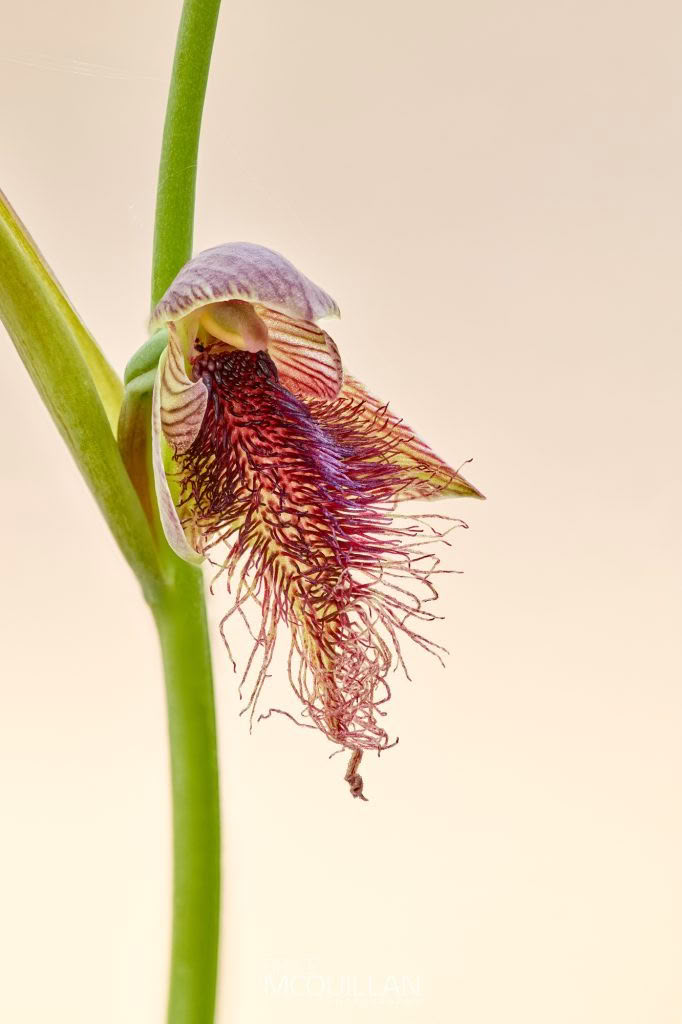
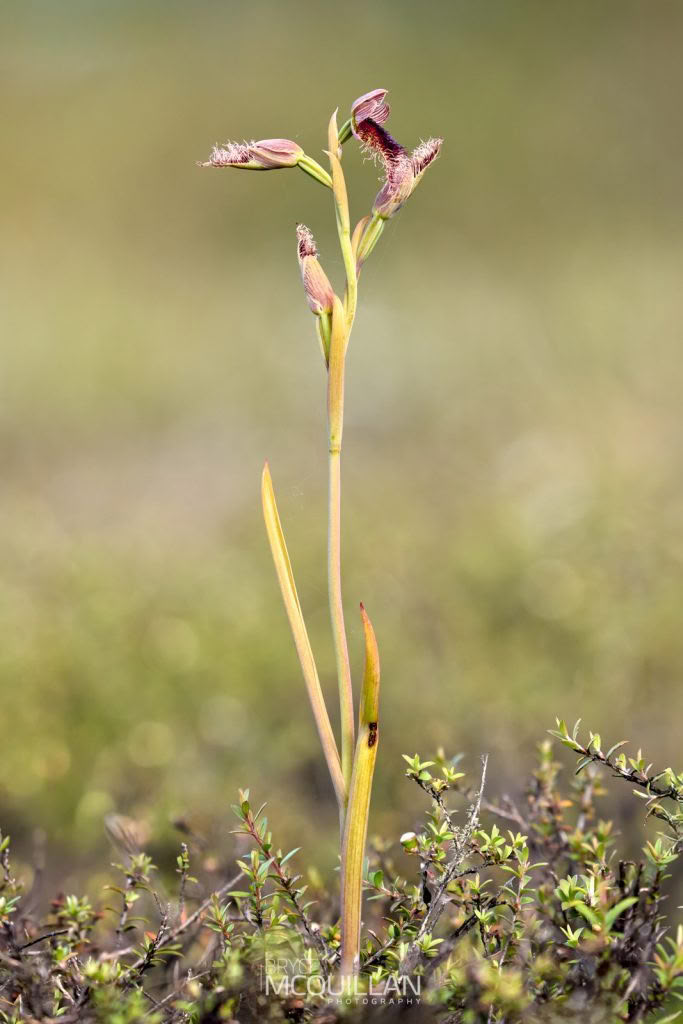
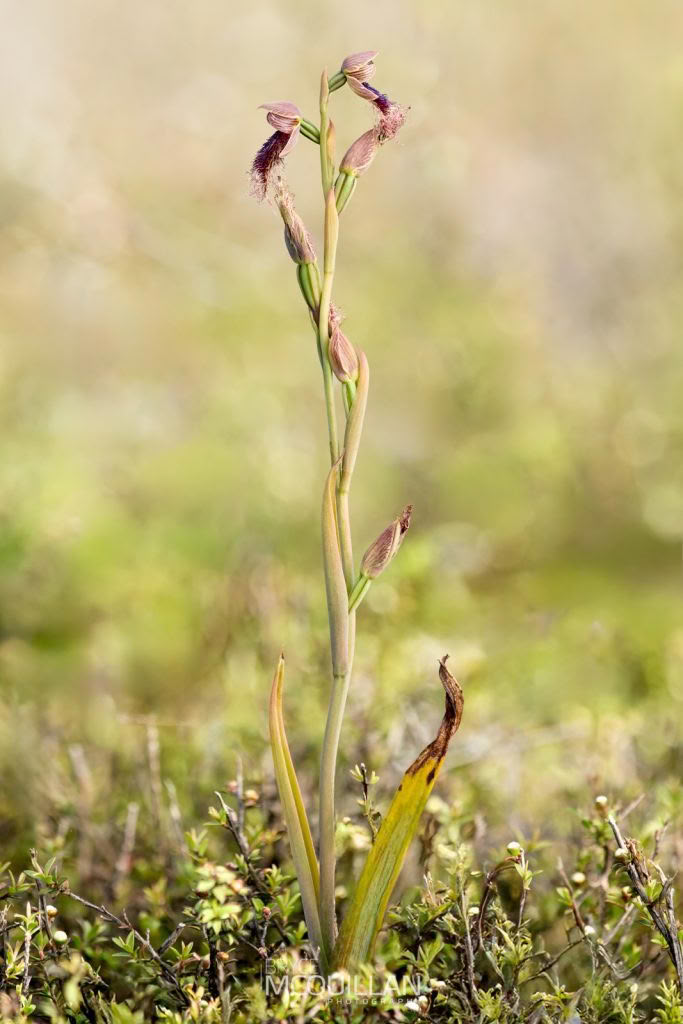
Over the past few years, I’ve spent a lot of time photographing the bearded orchids, but more recently I had mostly focused on close-up images of the flowers, as capturing clean full-plant shots can be challenging. This year, I wanted to push myself to improve on that and make a real effort to photograph the entire plant as well.
I wanted to get both the Red and Brown bearded orchids, however this year we only saw Red bearded orchids (Calochilus robertsonii) with flowers open.
Around Rotorua, there are two main locations where Red bearded orchids (Calochilus robertsonii) are almost guaranteed to be found. One site is particularly difficult for full-plant images due to the surrounding vegetation, while the other is more forgiving, although the backdrop is not as visually appealing.
I decided to begin by capturing clean close-up images of the flowers. Once I was happy with those, I then shifted focus to photographing the whole plant.
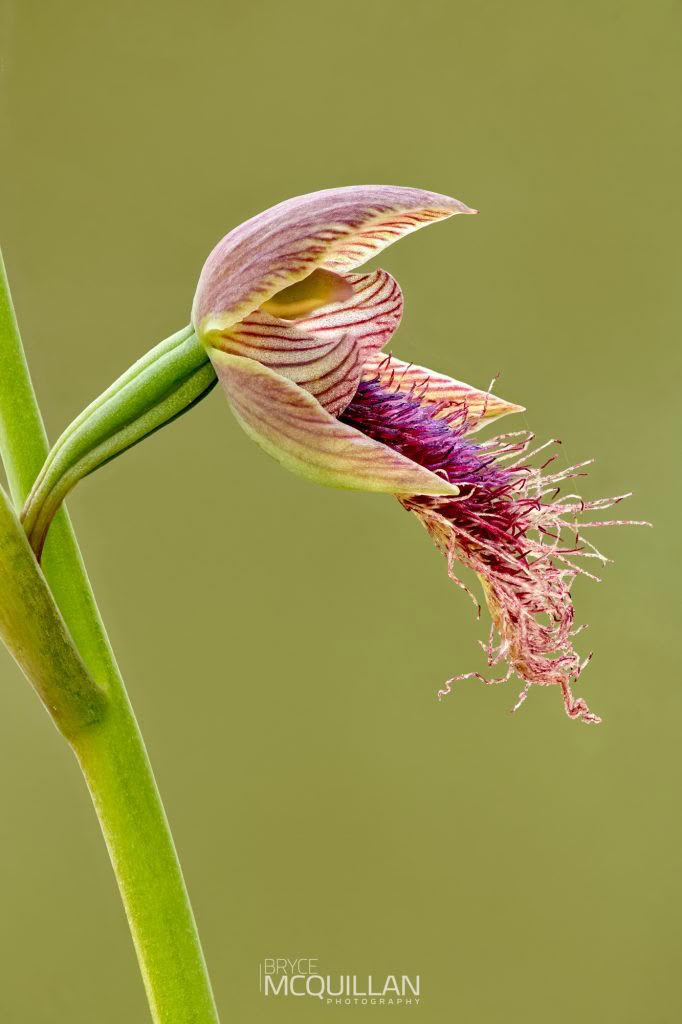
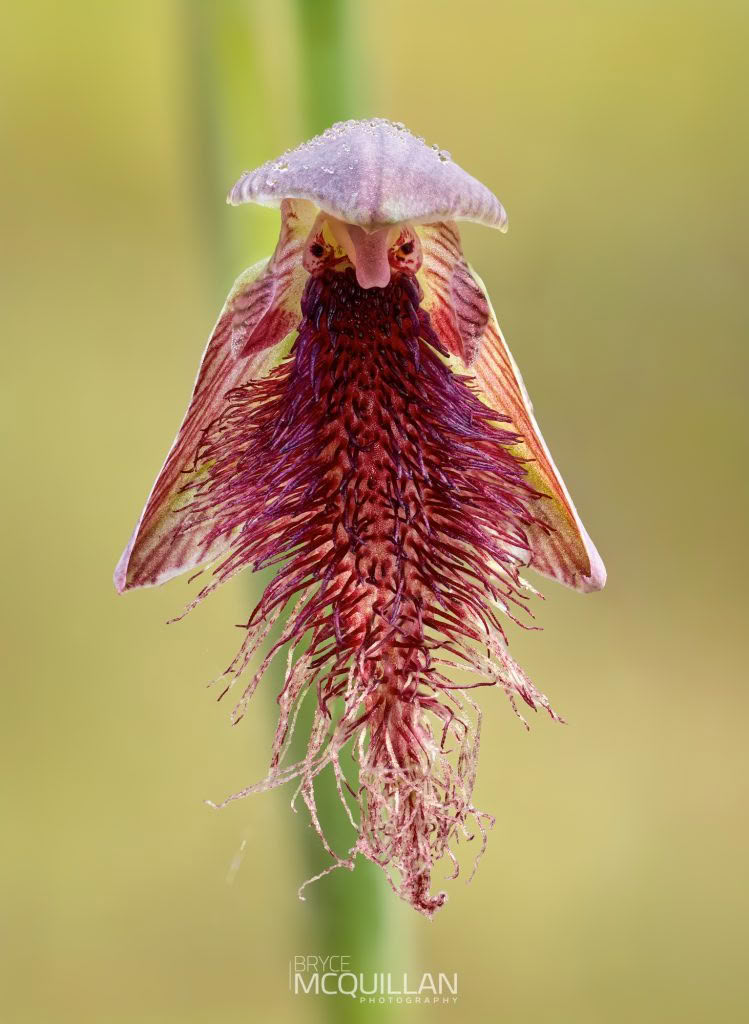
Photographing the whole plant proved to be far more challenging than expected, as I was aiming for the same clean look as the close-up flower shots. I started with the RF 100mm macro, then tried the EF 180mm macro, before eventually settling on the Canon EF 100–400mm, which gave me a much cleaner background and better subject separation.
Image on the left – Canon EF100-400mm. Image on the right – EF180mm macro.
Male Puwere pureora – Redwoods Forest, with Brian
As summer approaches, I often put together a list of species I want to improve my images of. This usually starts with refining clean, straight-on body shots, before moving on to side profiles, face shots, and behavioural images such as egg-laying or feeding.
Puwere pureora was one species I wanted to improve both male and female body shots of. Historically, I’ve been able to get solid images showing the full body and legs, but achieving a tighter body-focused shot has always been challenging. This is largely due to the depth required, combined with the fact that they are often found against tree trunks or dirt banks, both of which create busy backgrounds and make clean lighting and depth control difficult in a single image.
Earlier in the year, I managed to capture a reasonably decent focus stack of a female Puwere pureora on a dirt bank. I was quite pleased with the result, as it showed good depth across the body, a clean background and fairly even lighting. Females are also more subtly coloured than males, which adds another layer of challenge when trying to photograph them against backgrounds of much the same colour.
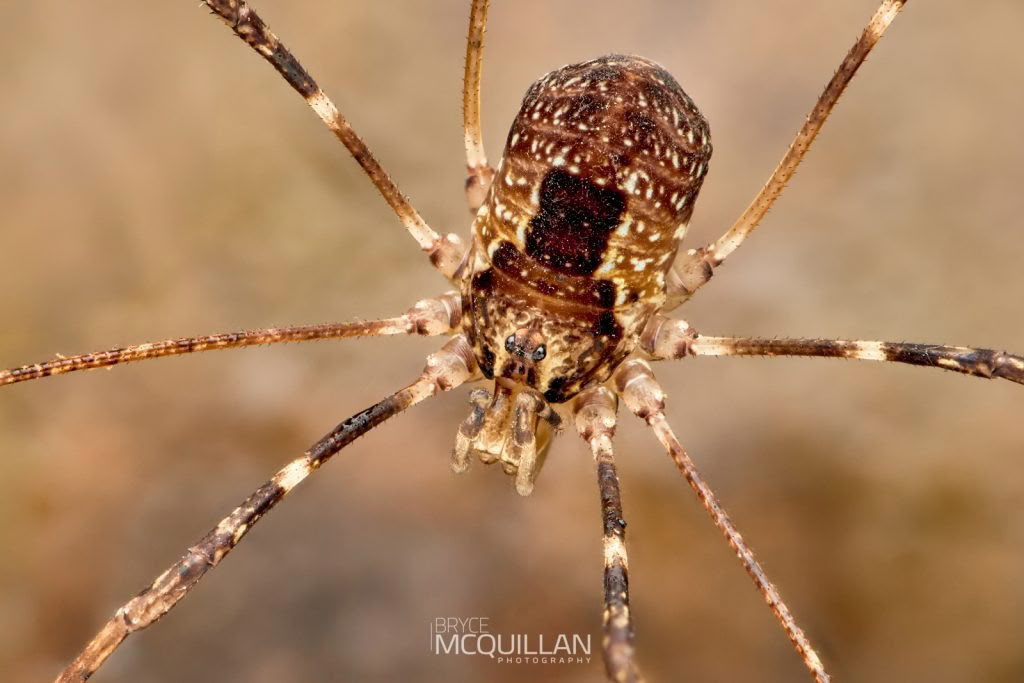
I asked Brian if he was keen for a short wander in the Redwoods, and he was happy to get out. During our walk, we came across a couple of male Puwere pureora. One individual in particular stood out, as it was positioned on a dirt bank, very similar to where I had photographed a female earlier in the year.
This provided a great opportunity to capture a comparable image of the male. I was extremely fortunate that it stayed still long enough for me to complete the full image stack, as it moved on almost immediately afterwards. This image quickly became one of my favourites for 2025.
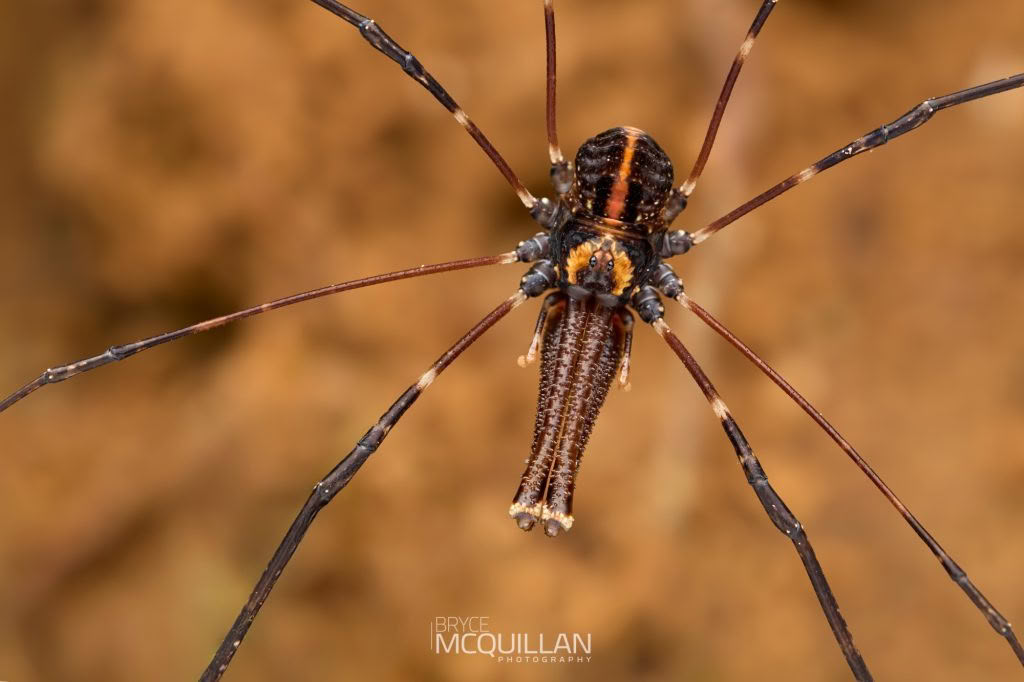
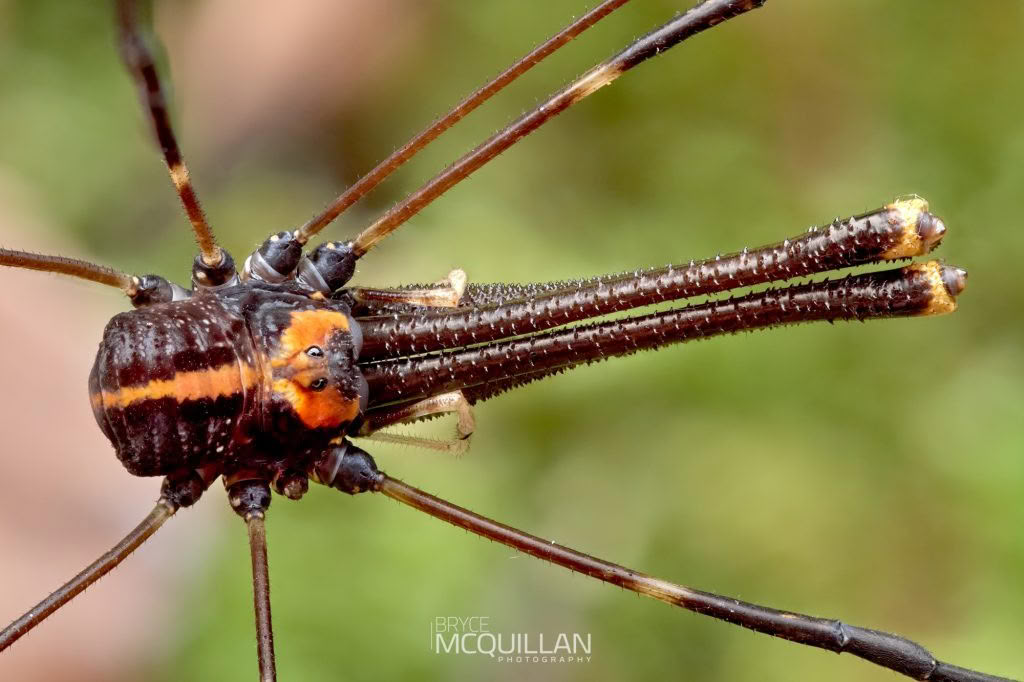
Puwere pureora – Dansey Reserve
A few weeks later, I had the opportunity to visit Dansey Reserve with Tony Whitehead, where we came across a large male Puwere pureora on a fallen log. This individual was particularly colourful and made for quite a nice image.
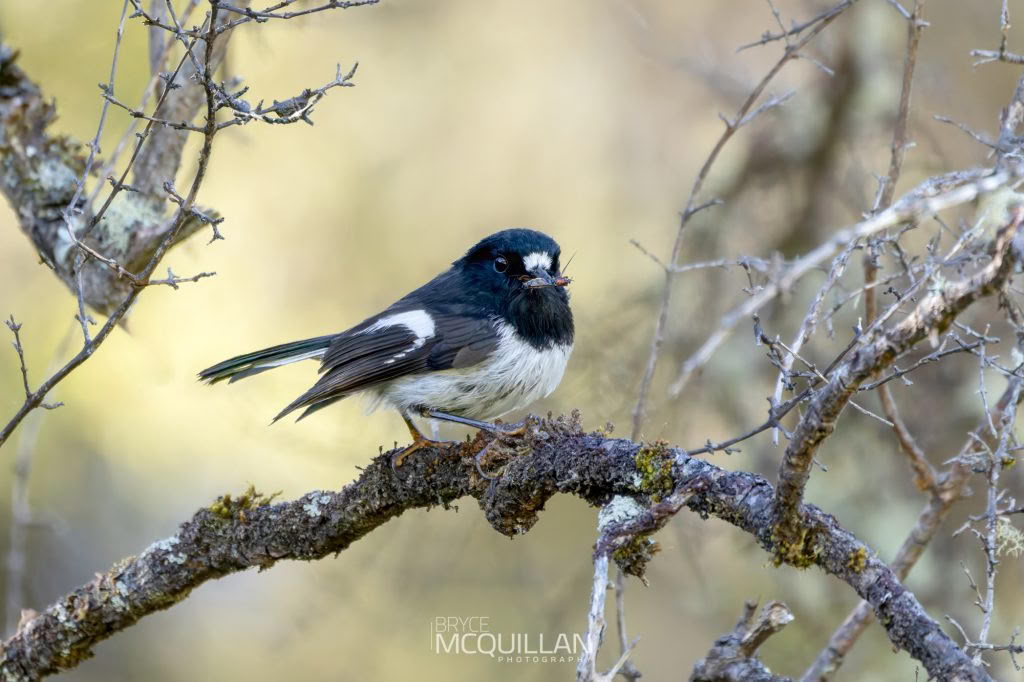
Male Tomtit with prey
In November this year, I had the opportunity to join an overnight Rotorua Botanical Society “Botsoc” trip. During the trip, I photographed a wide range of plants and invertebrates, but one moment that really stood out for me involved a male tomtit (Petroica macrocephala) collecting insects to pass on to a female sitting on a nest.
Watching this interaction was genuinely fascinating, as it was behaviour I hadn’t observed before. Unfortunately, I missed the moment when the insect was passed to the female. I chose not to wait for another opportunity, as the nest was already quite close to the huts and I didn’t want to risk disturbing the birds.
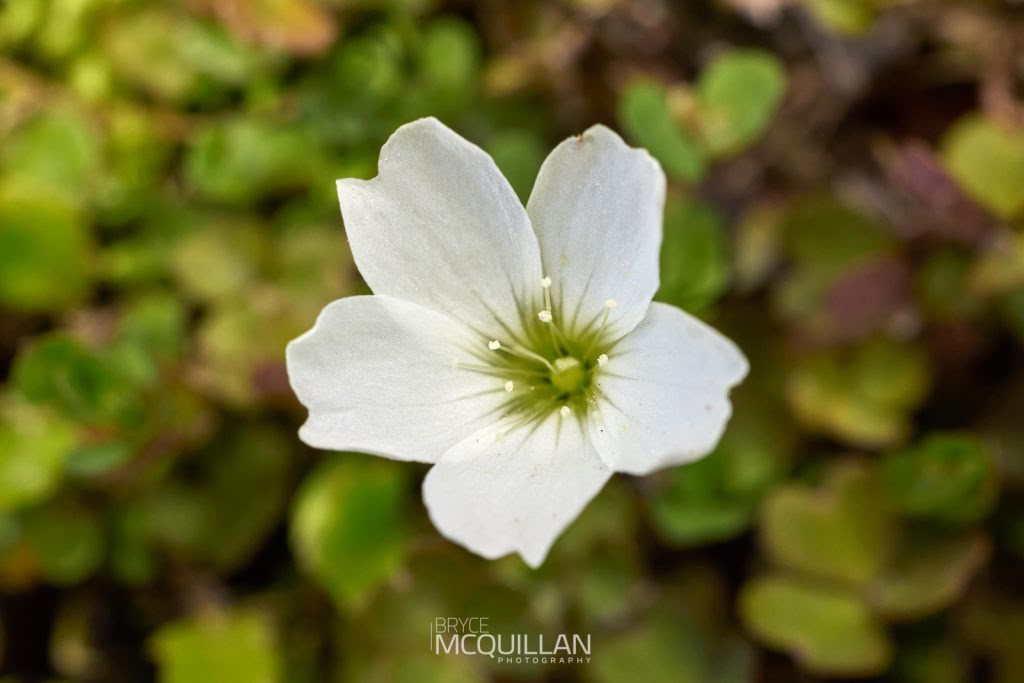
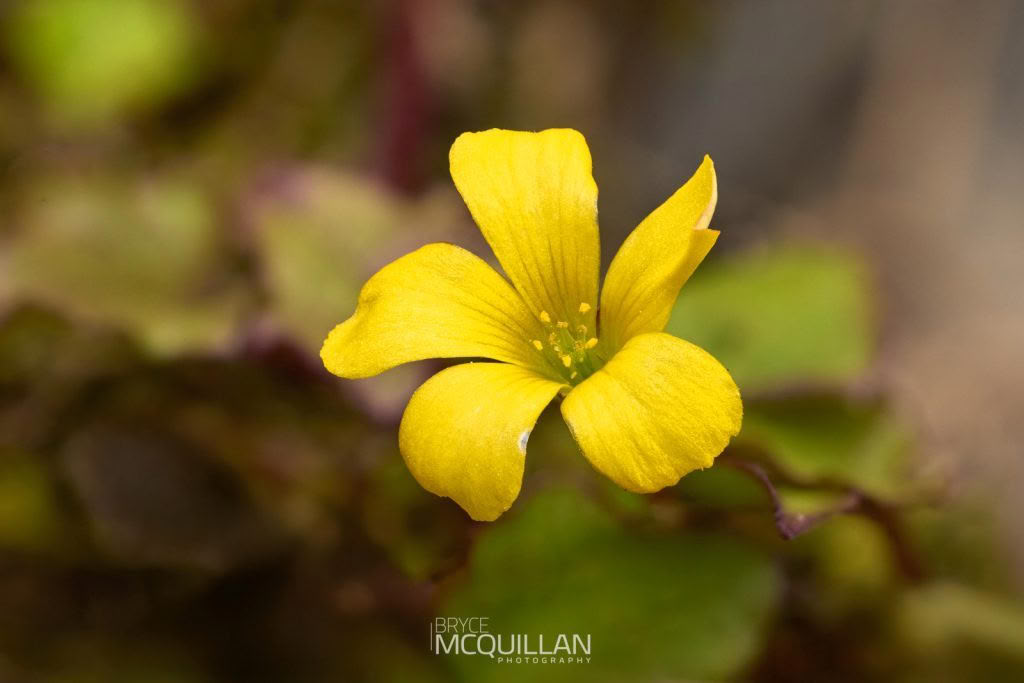
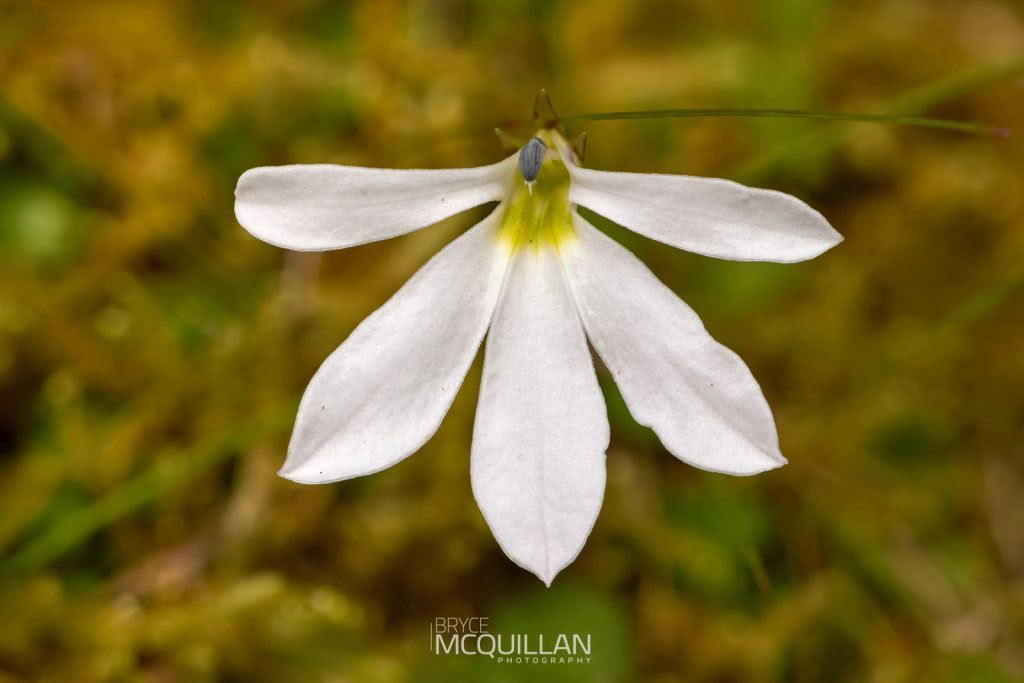
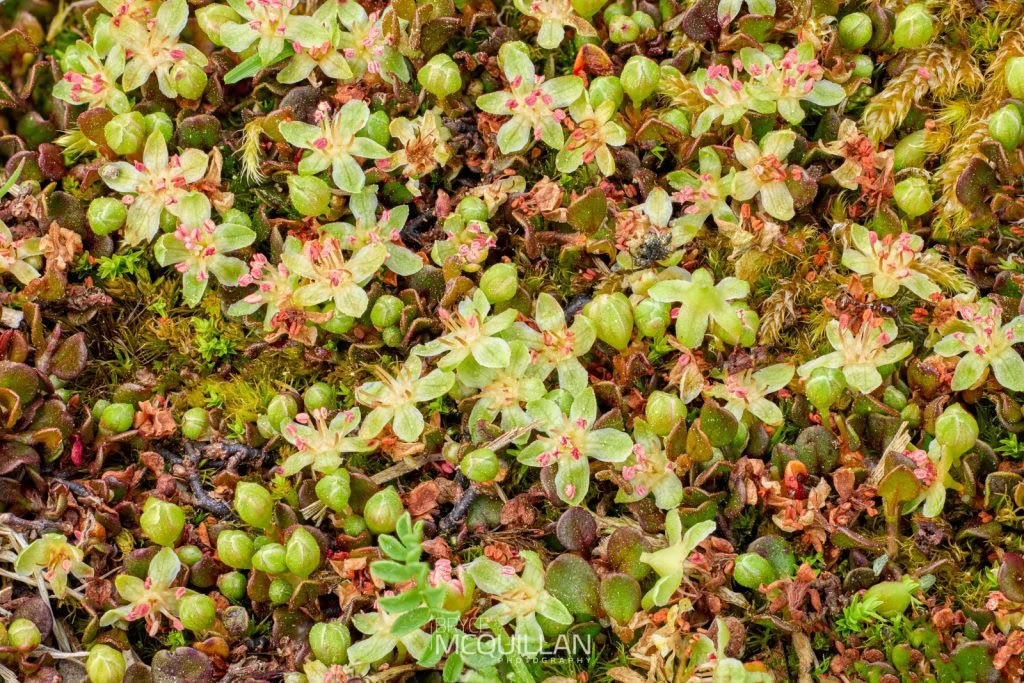
This is a small collection of other images from the BotSoc trip. Many of these are more observational records of the species I encountered, rather than “wow” moments. I tend to see myself more as a natural history photographer than a wildlife photographer chasing standout moments. Documenting a wide range of species is often more important to me than producing striking images, as encountering species I have not seen or photographed before is rewarding and helps me learn and understand them better.
Click on the images to enlarge them.
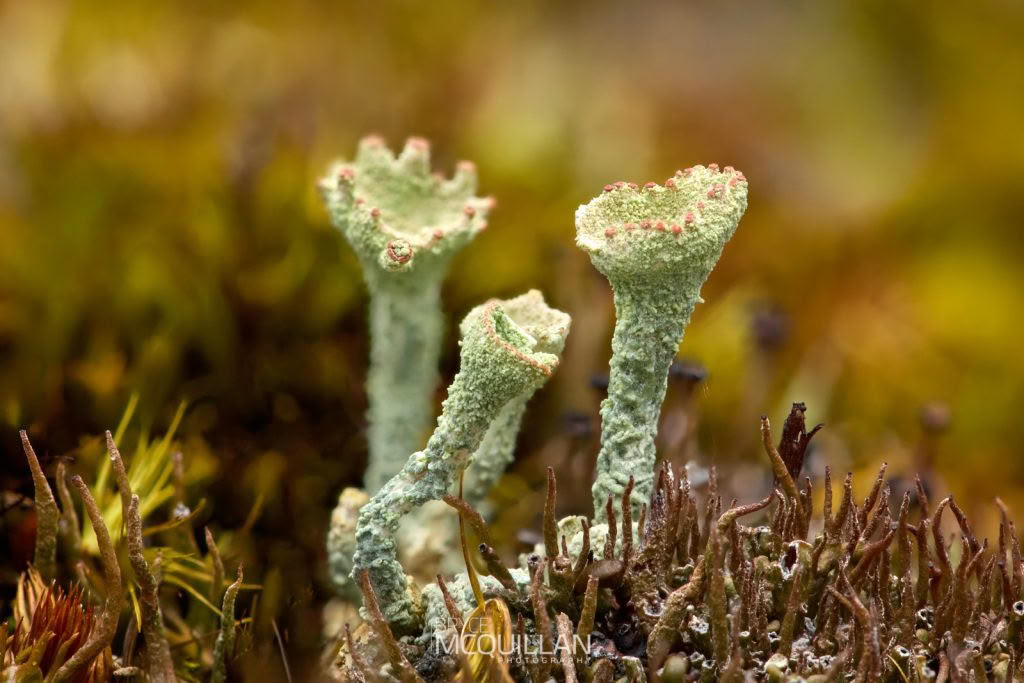
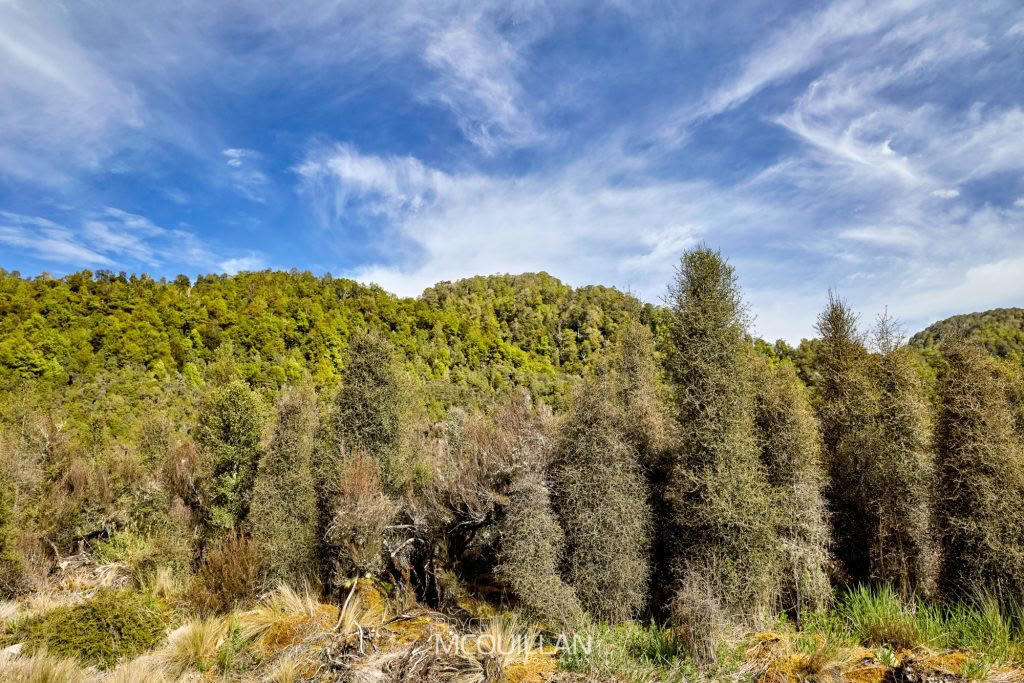
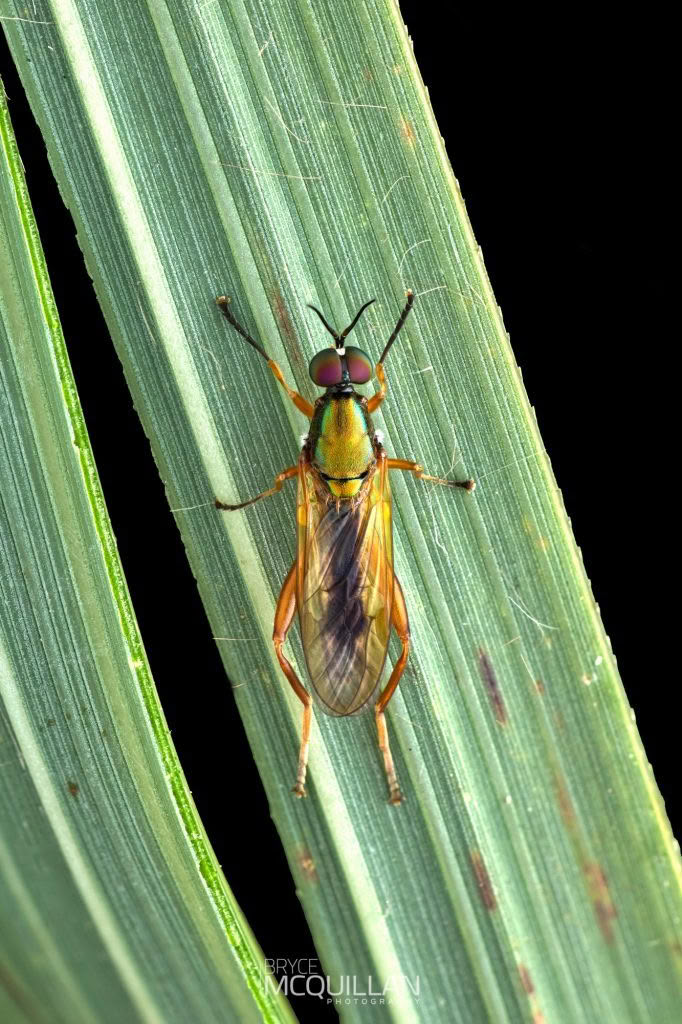
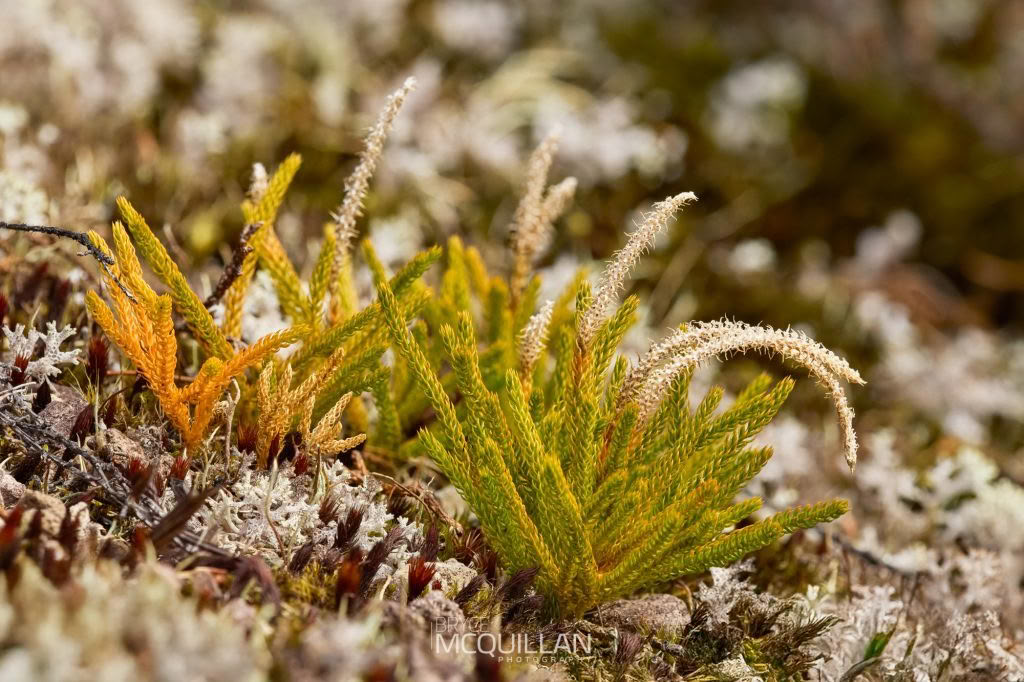
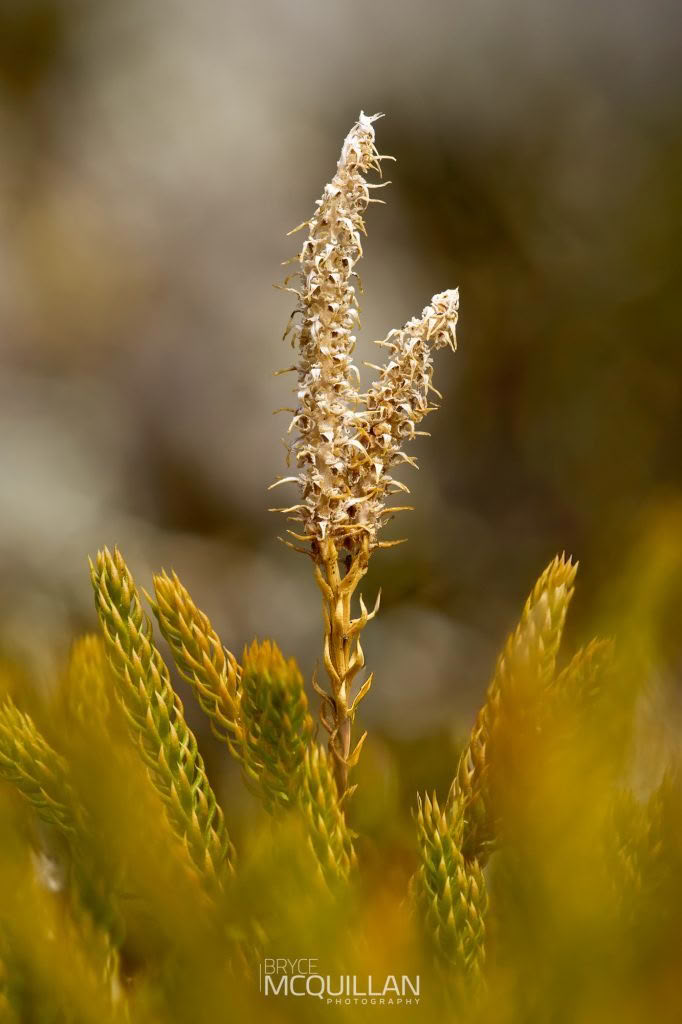
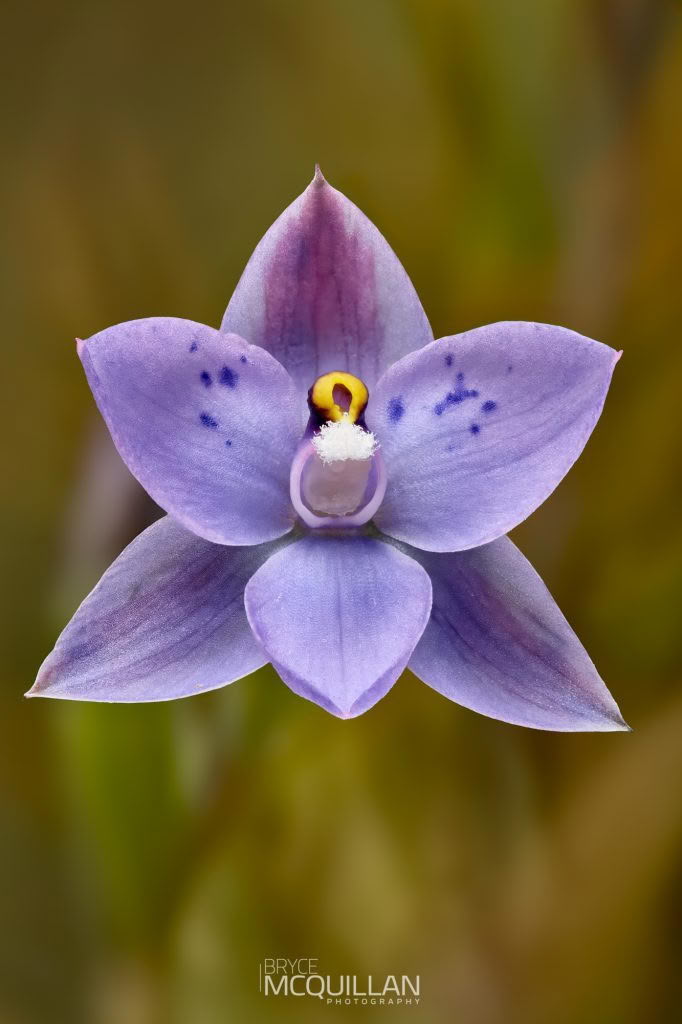
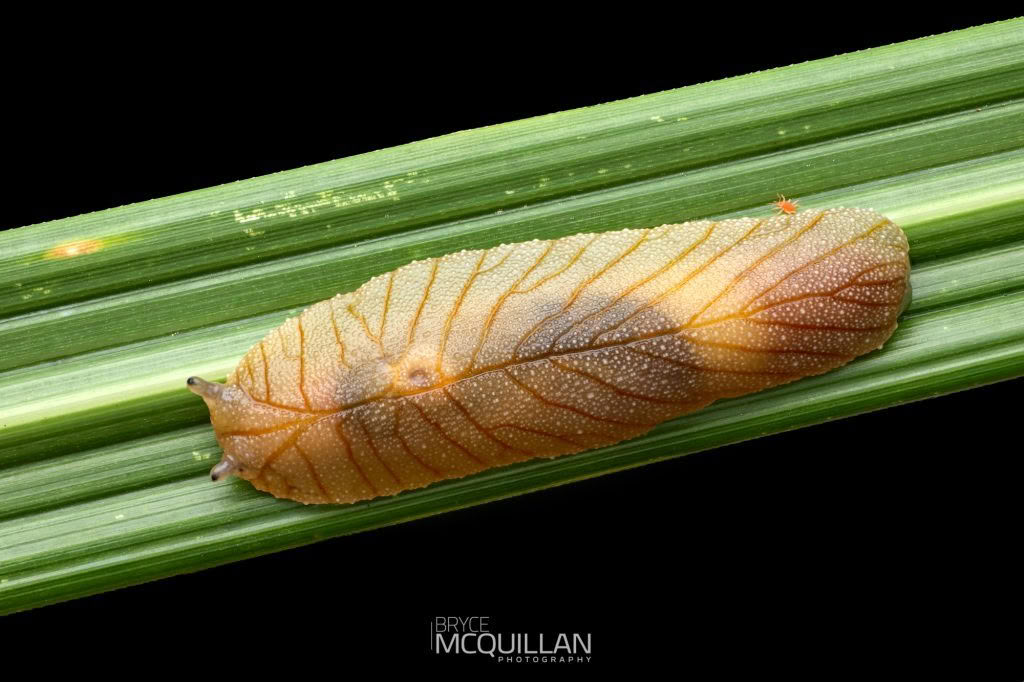
Iwitahi Native Orchid Reserve
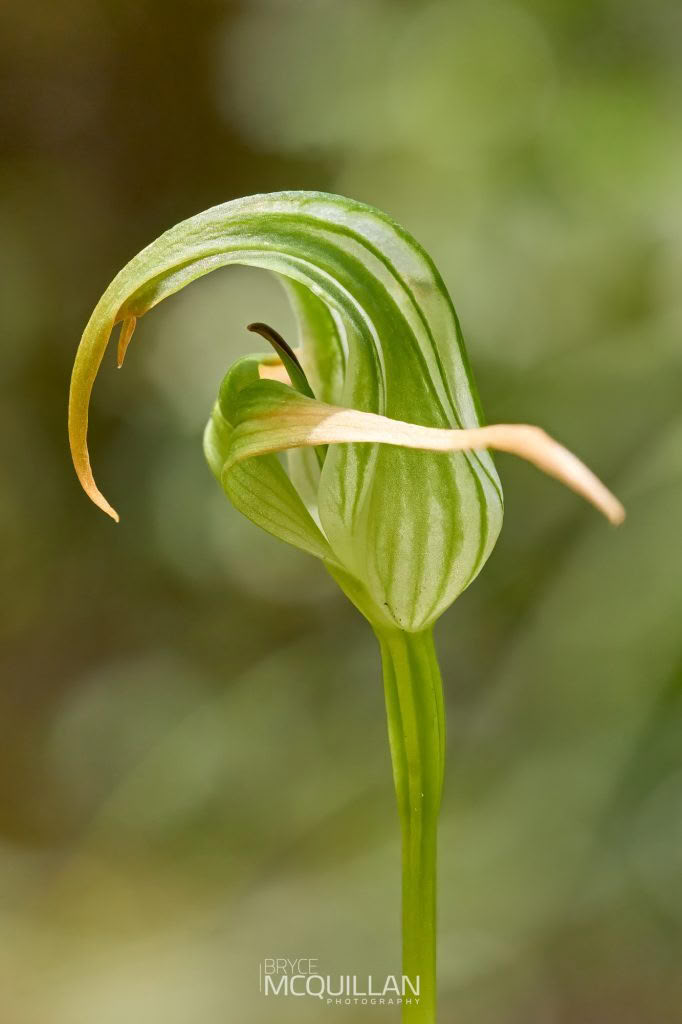
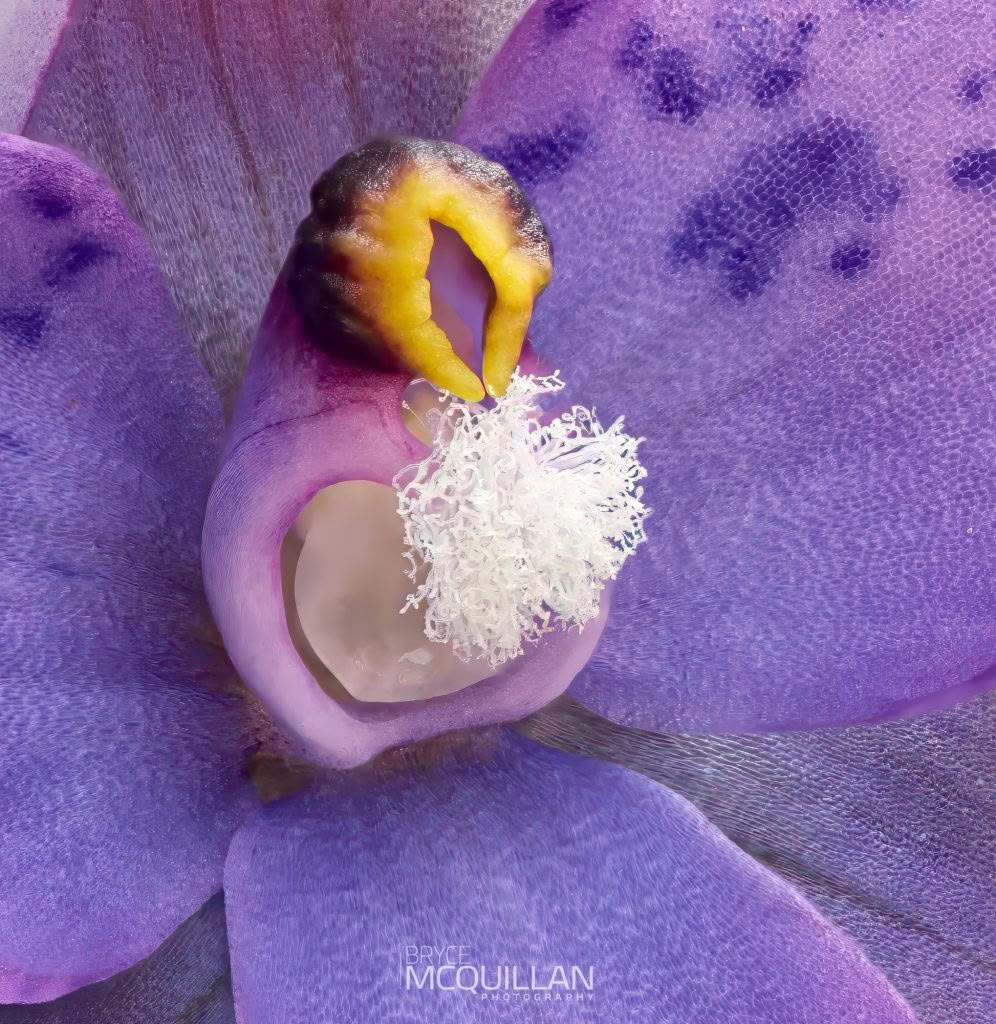
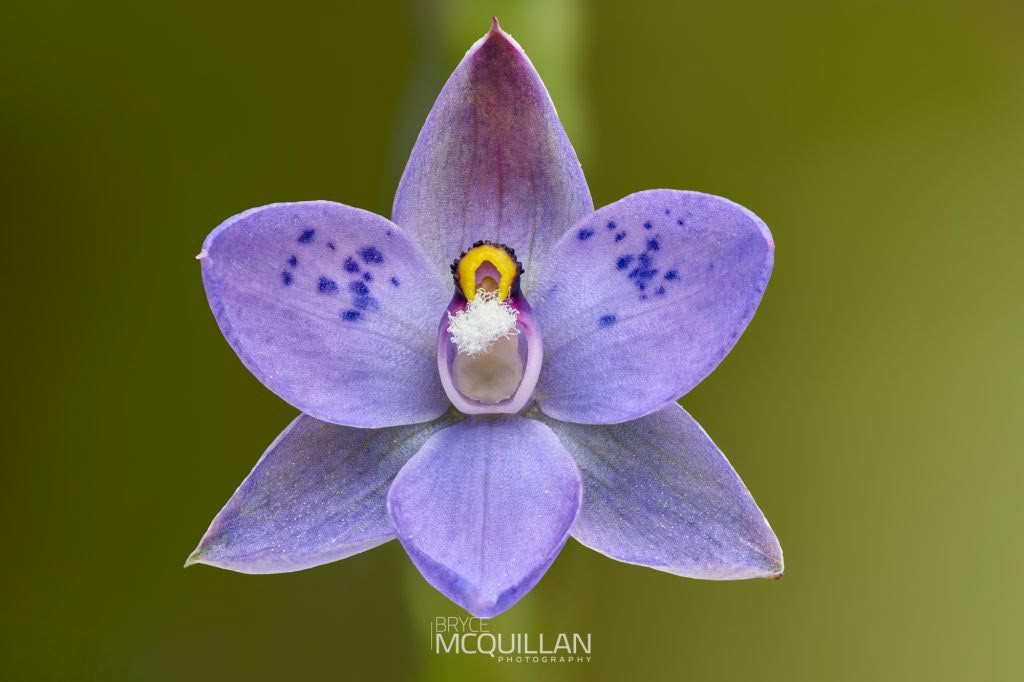
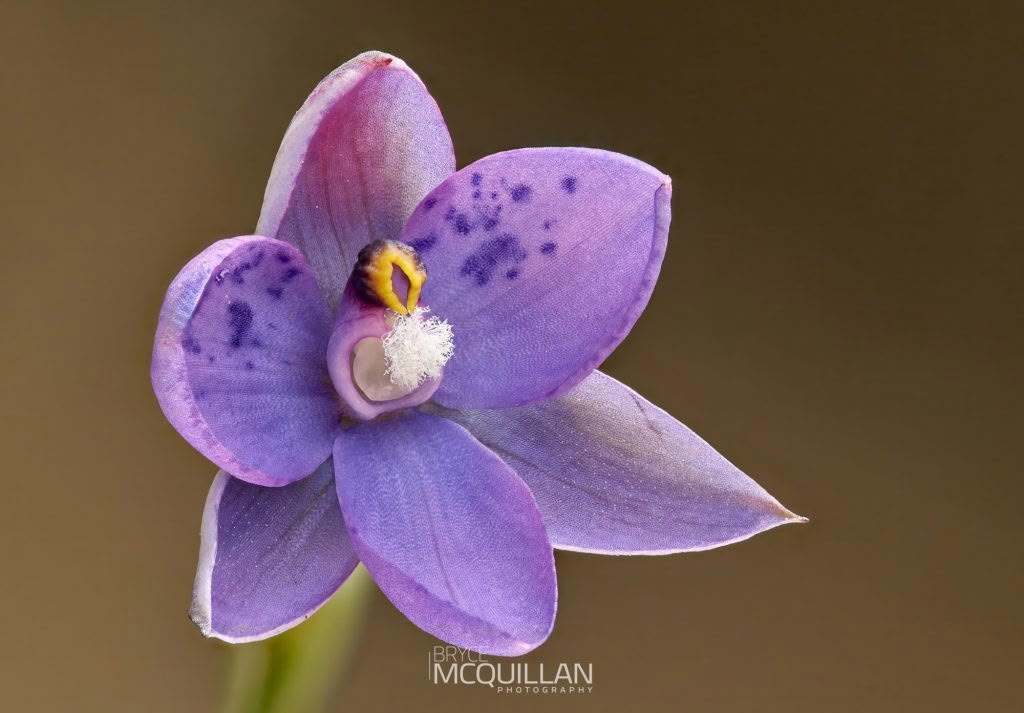
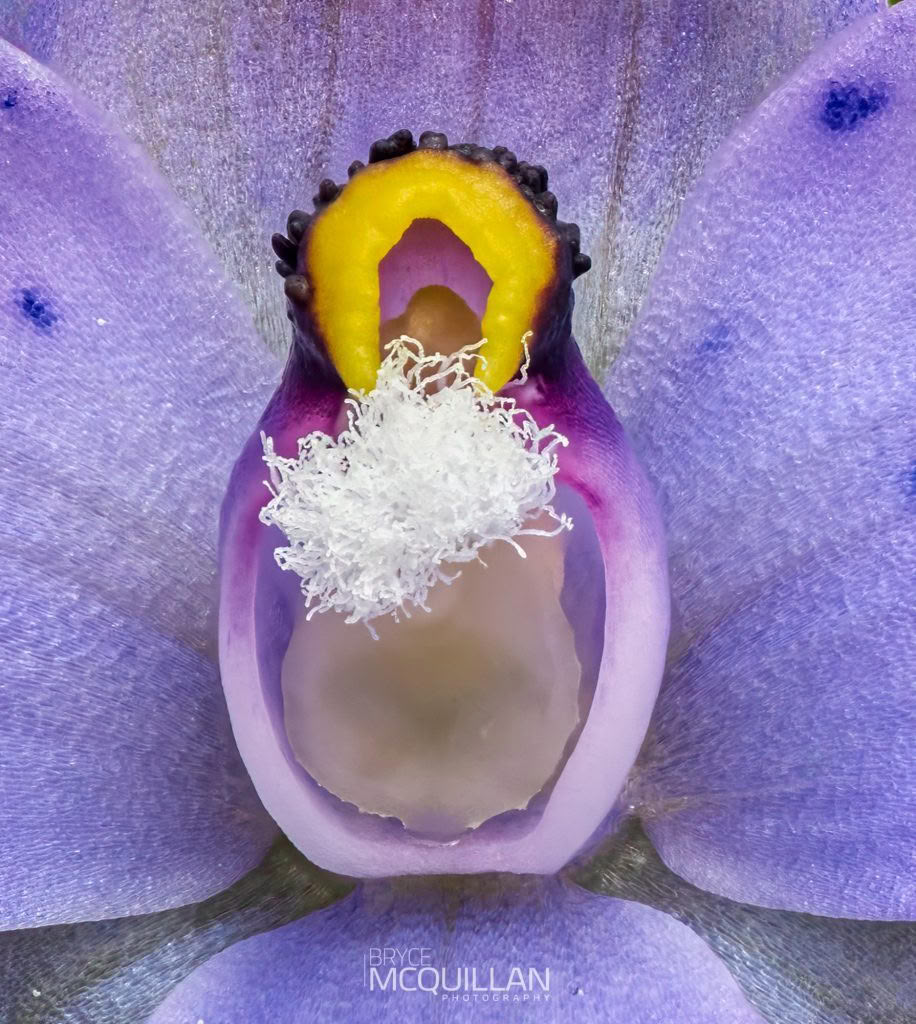
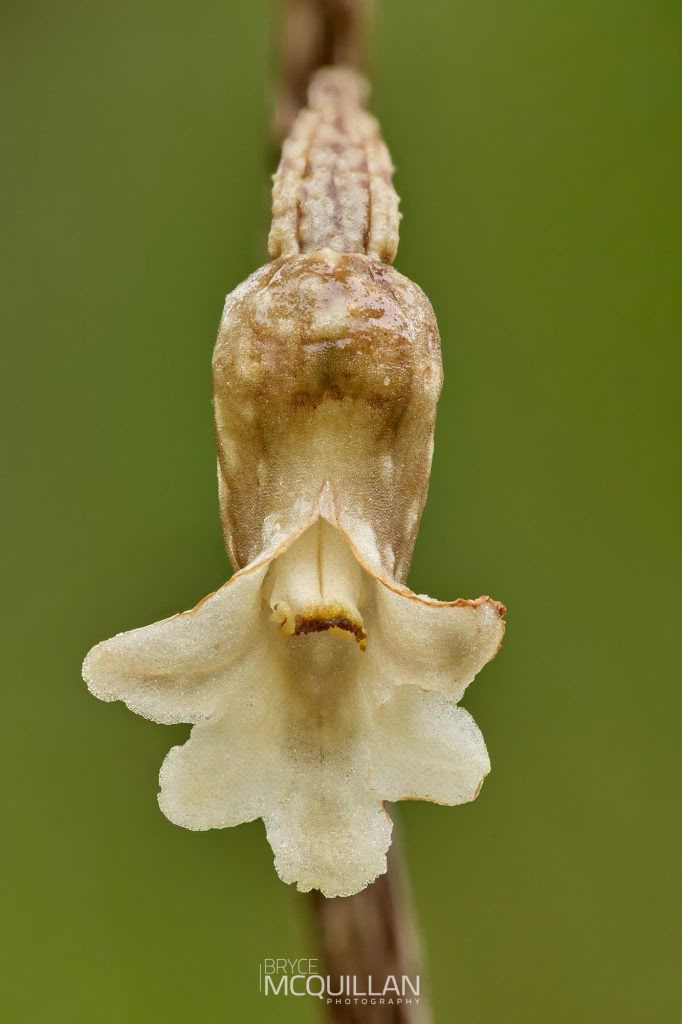
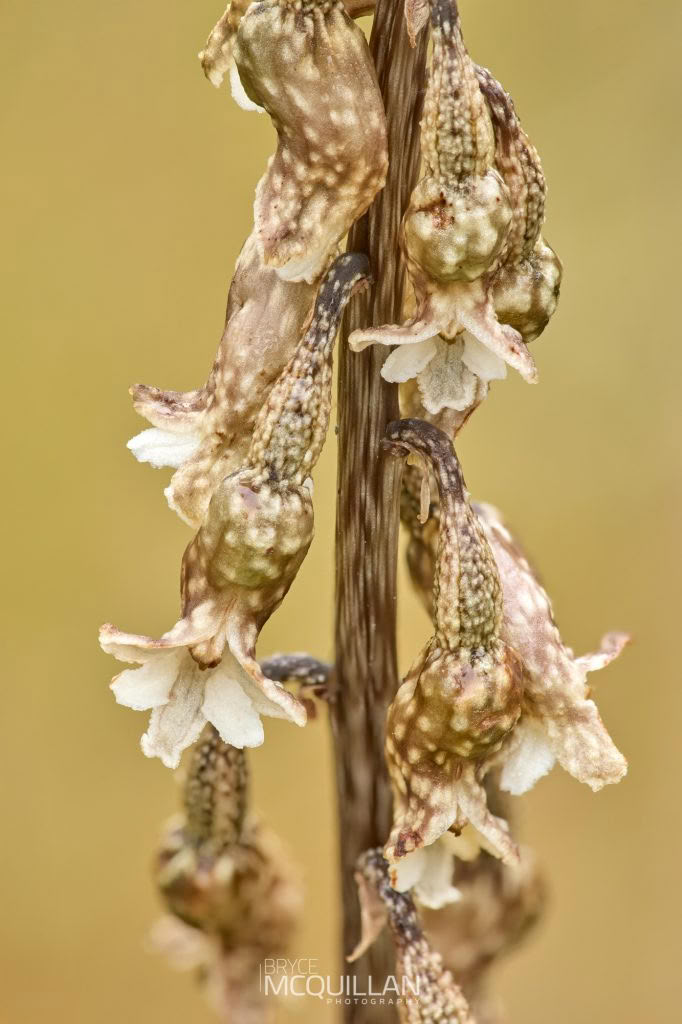
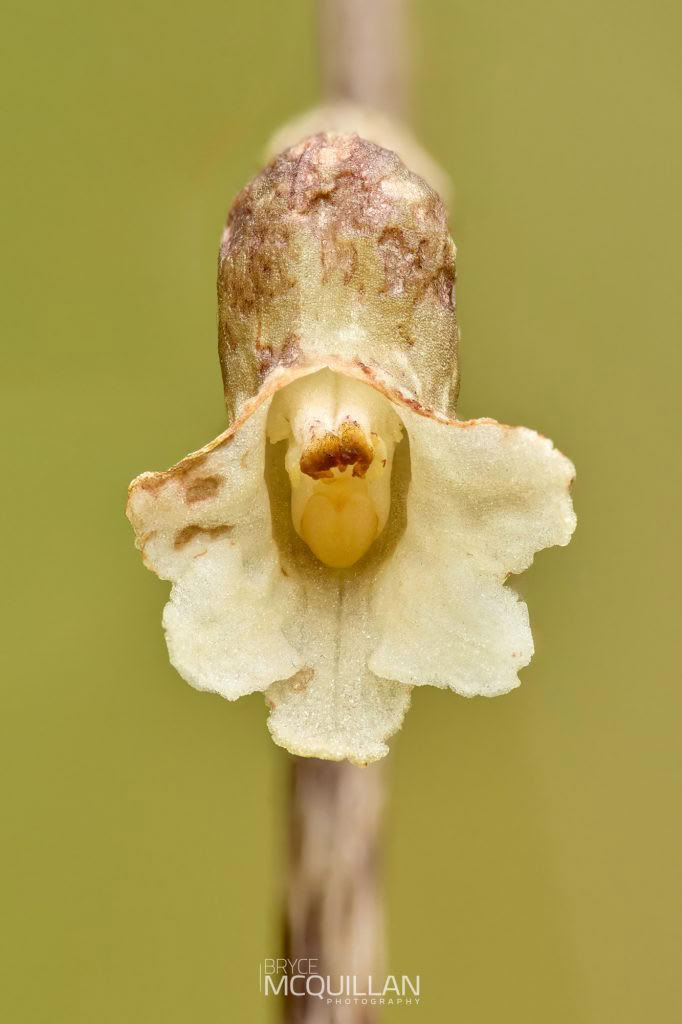
The following weekend after the Rotorua BotSoc trip, Angela and I travelled down to Iwitahi Orchid Reserve to take part in their annual working bee. The visit also provided some excellent opportunities to photograph a range of native orchids that are found throughout the reserve, including a rare species of Gastrodia.
Below is a small selection of close-up images of some of the flowering orchids observed during the visit.
Some final images from our holiday in Ohakune over the 2025/2026 Christmas period
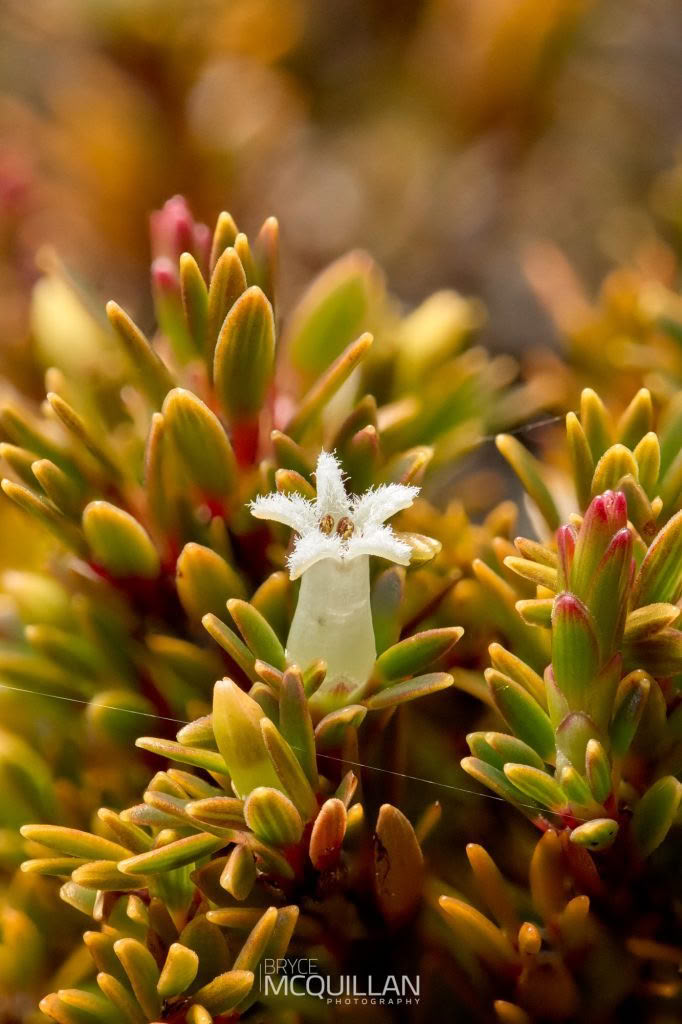
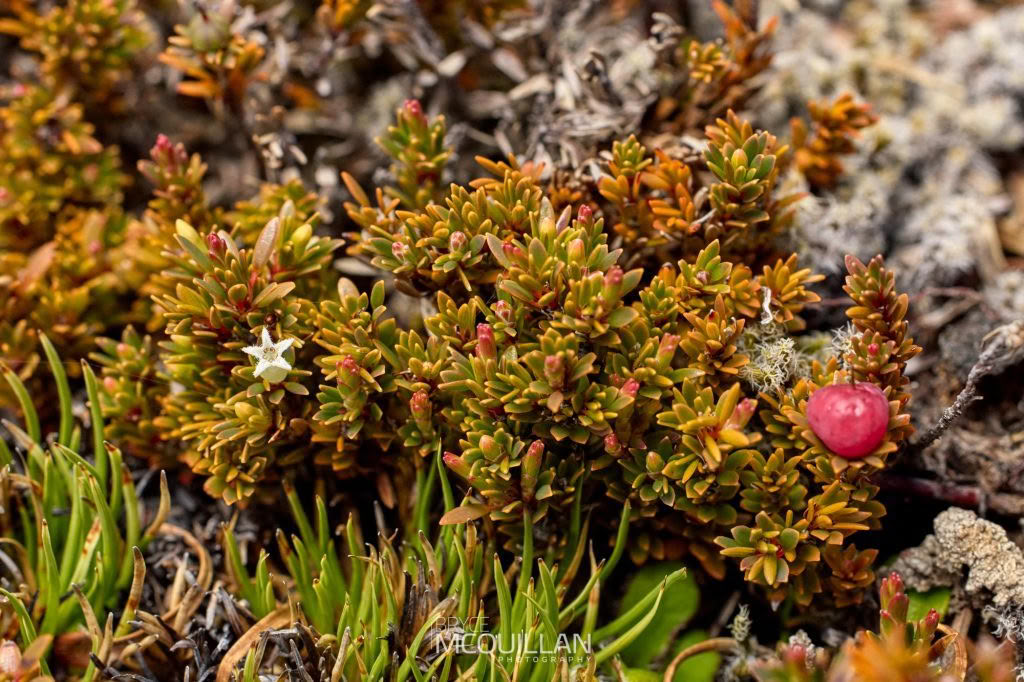
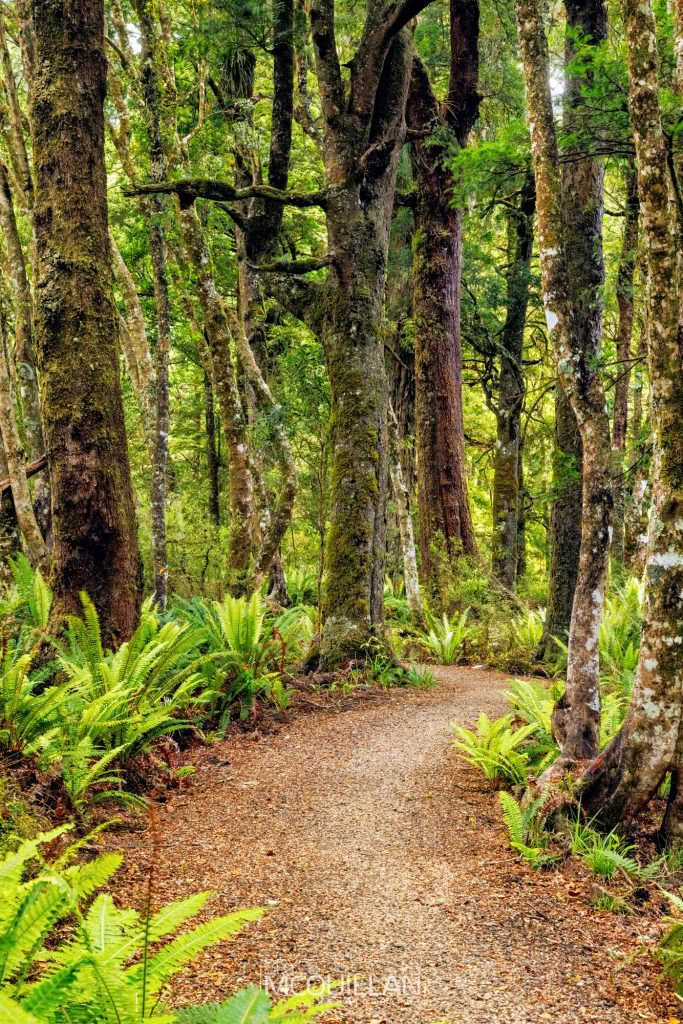
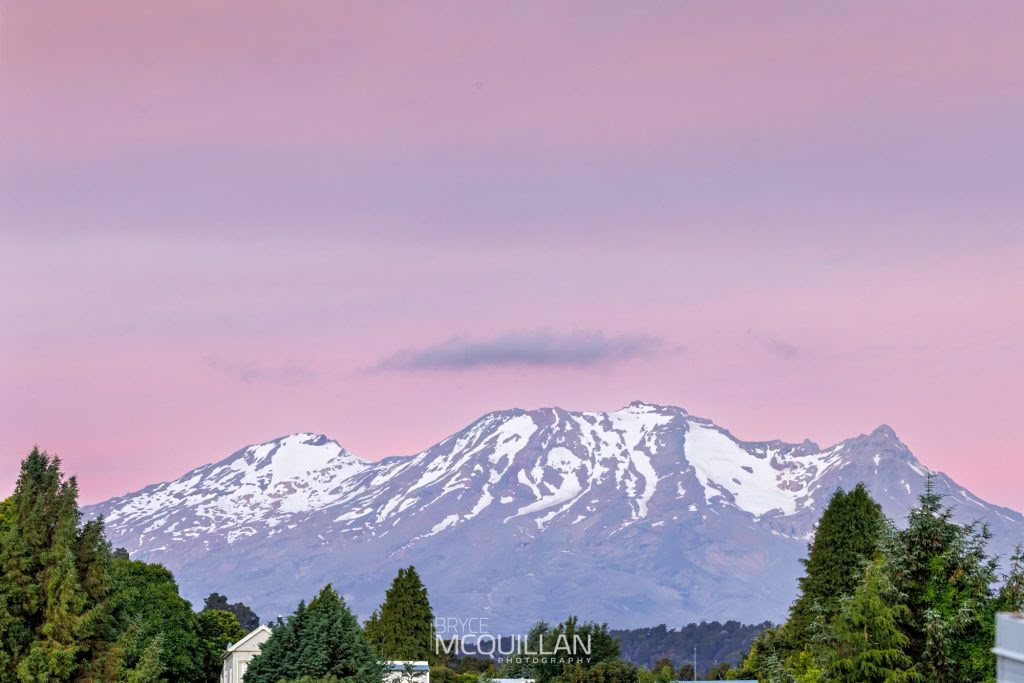
Some final images from our holiday in Ohakune over the Christmas period. I haven’t had the chance to sort through all of the photos from the trip yet, but these are a small selection of those I have gone through so far. Ohakune is a lovely town to stay at with a range of forest and alpine walks close by.