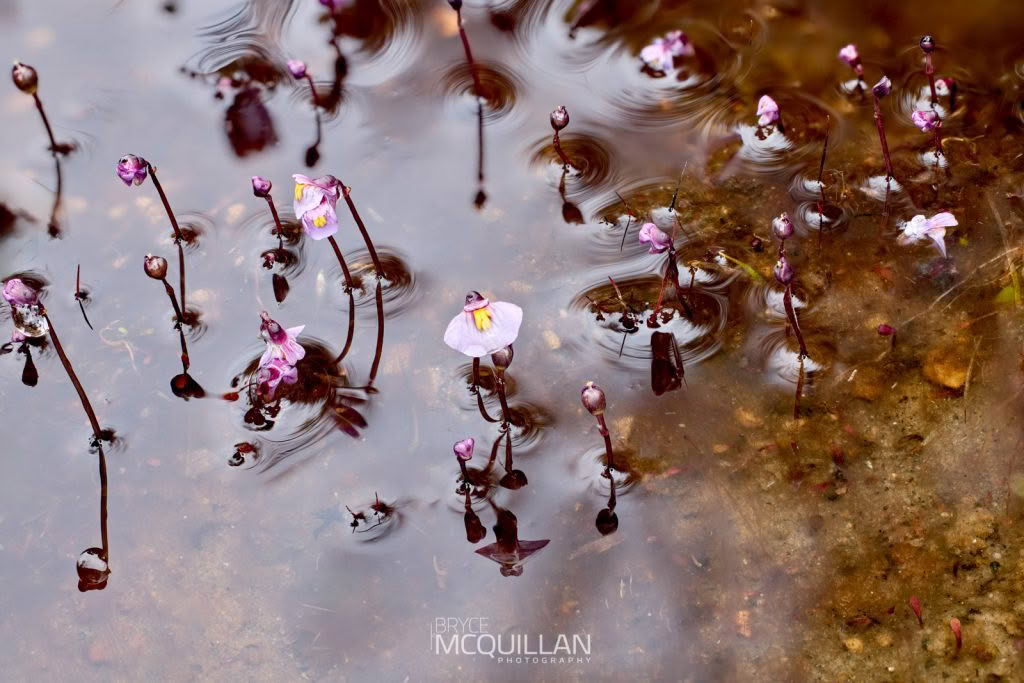
On one of the last days of our Christmas holiday in Tongariro National Park, Angela and I decided to stop at a couple of small wetlands that were easily accessible from the road. We were mainly looking for sundews, particularly Drosera binata, and we were lucky to find a really good patch of them. What I wasn’t expecting, though, was to see Utricularia dichotoma ssp. novae-zelandiae, a carnivorous bladderwort, in flower. I was pretty excited to get a few photos of it.
Images below of Utricularia dichotoma ssp. novae-zelandiae and Drosera binata.
You can find more information about Utricularia dichotoma ssp. novae-zelandiae on New Zealand Plant Conservation Network site: https://www.nzpcn.org.nz/flora/species/utricularia-dichotoma-subsp-novae-zelandiae/ if you have your own observations, you can upload them to iNaturalist https://inaturalist.nz/.
Utricularia dichotoma ssp. novae-zelandiae


Drosera binata


Tongariro National Park has a couple of roads that climb up to the ski fields, which quickly and easily gets you into subalpine and alpine habitats. For a flora and fauna photographer, these places are simply paradise when the weather allows.
I am genuinely in love with New Zealand’s subalpine environments and the biodiversity that can be found there. One thing that always grabs me up there is the lichen and algae. Many of the rocks are coated in algae. One that I believe may be the genus Trentepohlia forms a rich rust orange like colouration. It is visually striking from a distance, but it is only when you get in close with a macro lens that you can really see the texture and details of this algae.


Mount Pureora – Weekend Away
Angela and I spent a weekend with the Wellington Botanical Society while they were running a week-long field trip at Mount Pureora and staying at the Pureora Forest Lodge. Throughout the weekend Angela and I explored a few of the well known tracks around Mount Pureora, including the Waipapa Loop Track just behind the lodge.
Waipapa Loop Track: Pureora Forest Park, Waikato
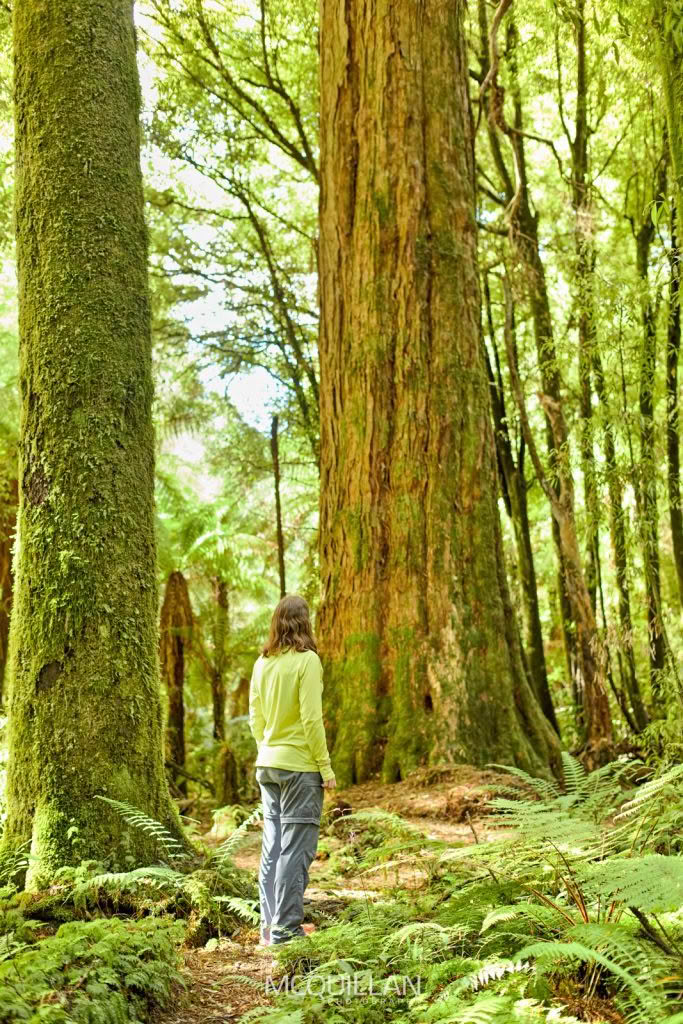
On Saturday morning we did a small walk at Pouakani Tōtara Tree Walk, which leads to one of New Zealand’s largest tōtara trees.


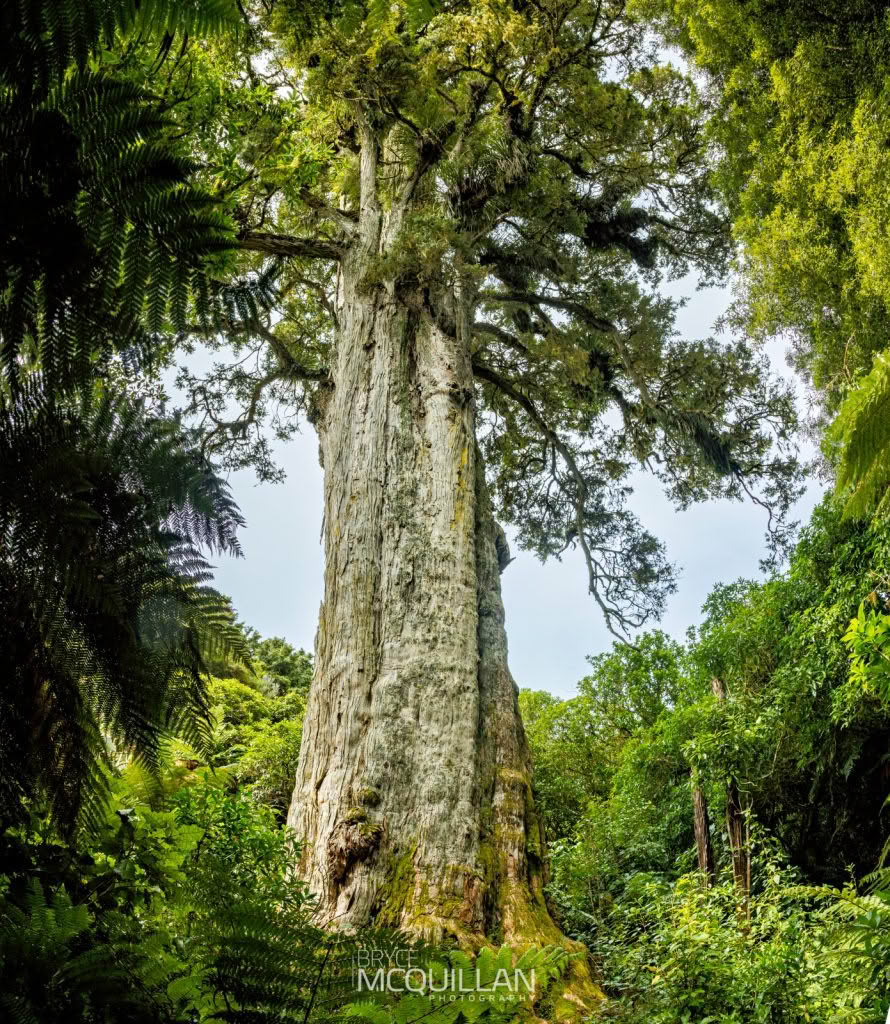
On Saturday afternoon we did the Tōtara Walk in Pureora Forest Park, which is a beautiful track. It is also home to some of our native parrots, including the North Island kākā and the yellow-crowned parakeet (kākāriki).


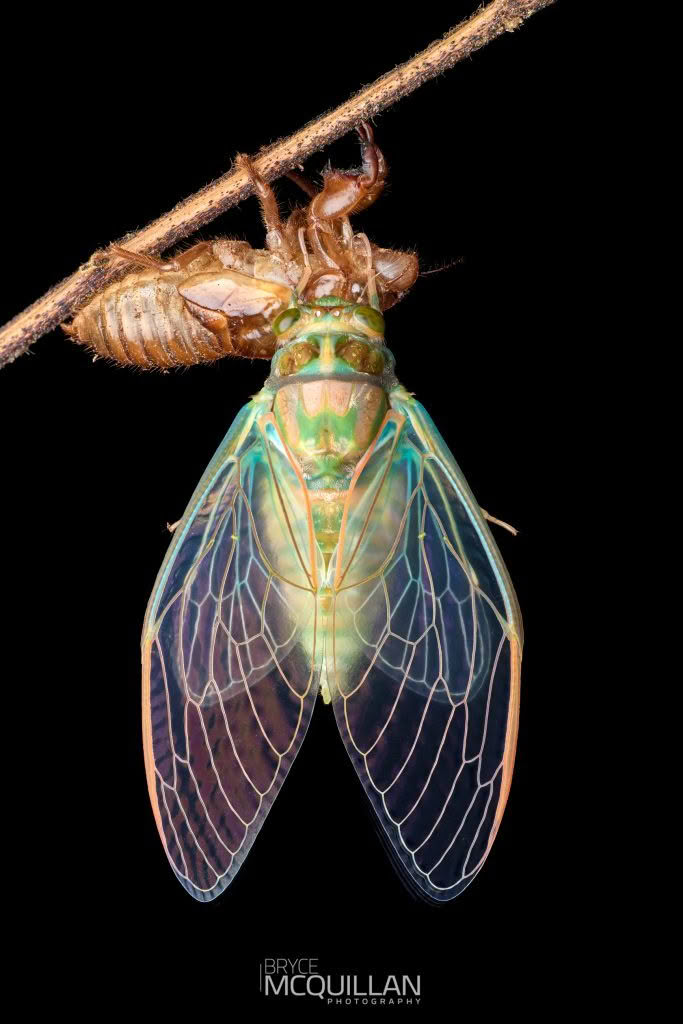
Cicada’s shedding
During late December through January and into early February, is peak cicada moulting season in Rotorua. To get the opportunity to see cicadas shedding, you often need to be out from about 10:30 pm onwards, and in many cases the sweet spot is closer to 11pm through to midnight. New Zealand has more than 40 cicada species, so timing can vary a bit depending on which species of cicada and where abouts in New Zealand you are based. I’ve been heading out to look for and photograph cicadas for well over ten years now, and over that time I’ve learnt the spots that are worth revisiting each year.
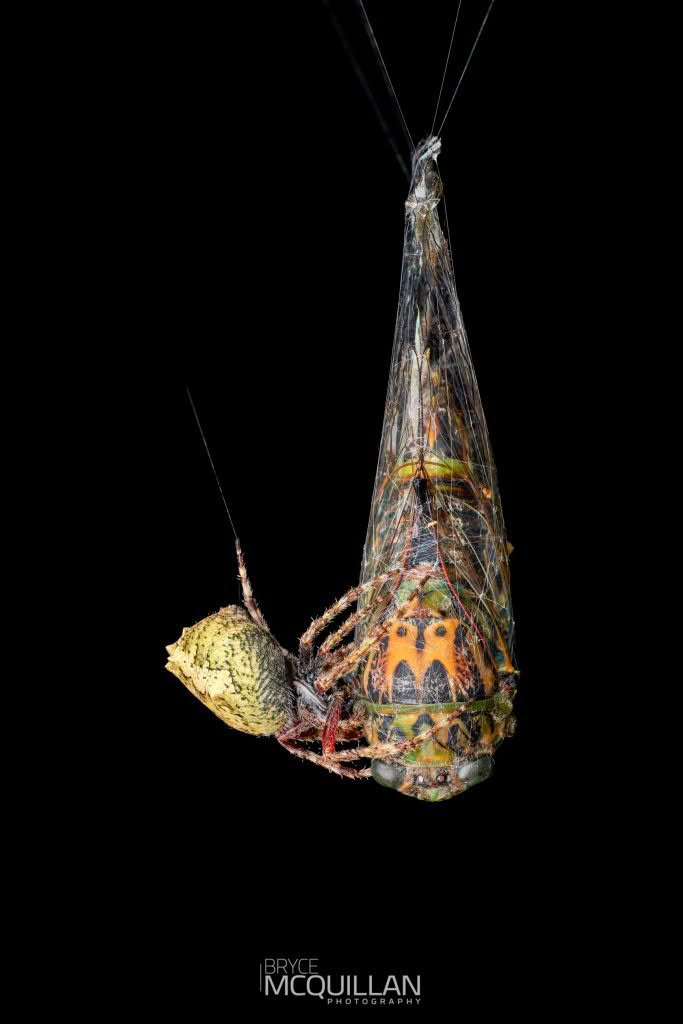
For me, it’s not just the moulting that’s interesting, it’s the whole lifecycle. The nymphs, the shedding, the fresh adults hardening up, the calling, and then the knock on effect as cicadas become a major food source for a wide range of other species, such as our endemic owl, ruru/morepork. One of the main locations I visit each year also has a strong population of one of our larger endemic orb-weavers, Zealaranea trinotata. They often seem to appear around the same time as the cicadas, and many other web-building spiders also take full advantage of the sudden abundance of cicadas.
Cicadas need a warm, humid night to moult successfully, but January weather can be wildly unpredictable. You can go from perfect humid conditions to cold, wet nights in a matter of hours, and this year has been no exception. In fact, January has been extremely wet, with record rainfall in some regions. Bad weather means not every cicada makes it through the moult. Some get stuck partway and die, and sudden drops in temperature can take others out. As harsh as that sounds, it does create a lot of photo opportunities across many nights during January.
Life cycle of cicada’s – from sucessful moults, to those who don’t make it or become food for others.


Zealaranea trinotata waiting for prey and more cicada images.
Images from top left – Female Zealaranea trinotata, Chorus Cicada (Amphipsalta zelandica), juvenile Zealaranea trinotata, and freshly moulted cicada.


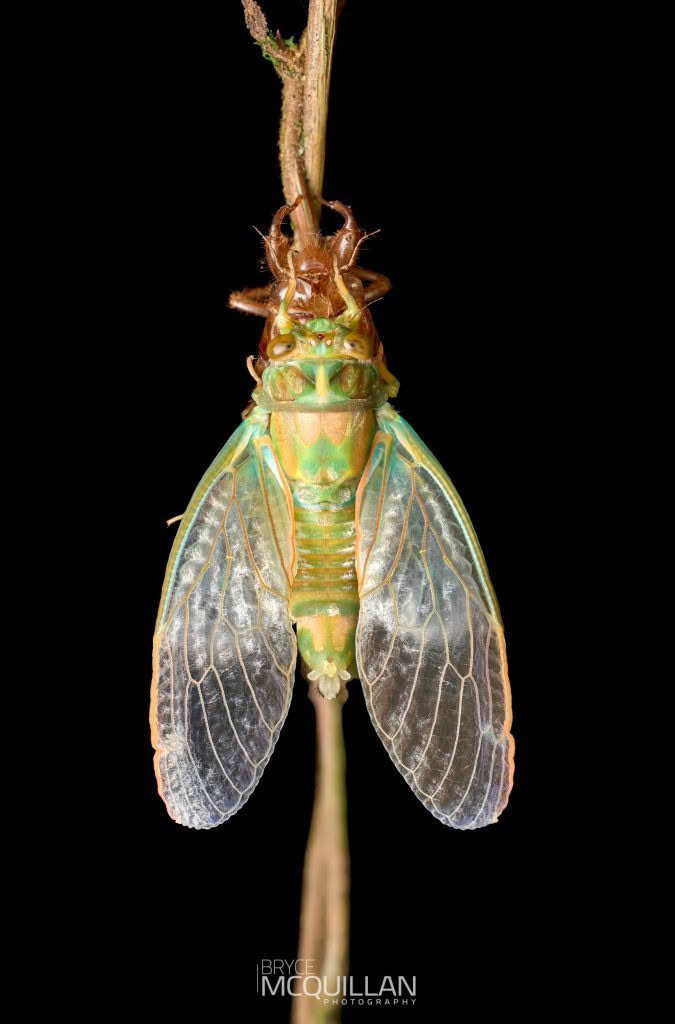


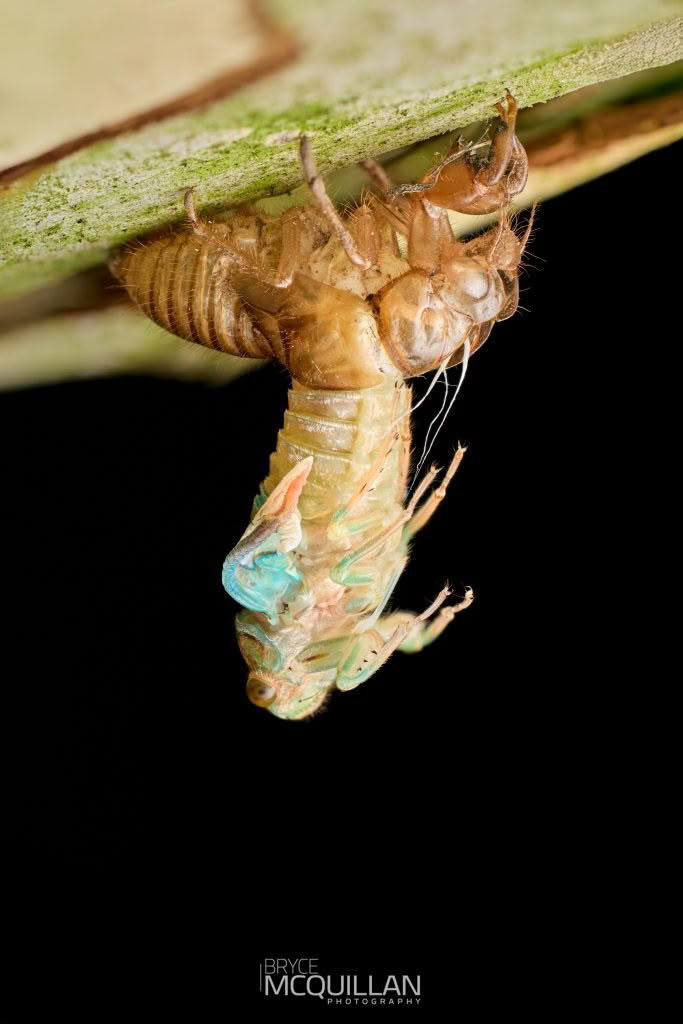
Unsuccessful cicadas.


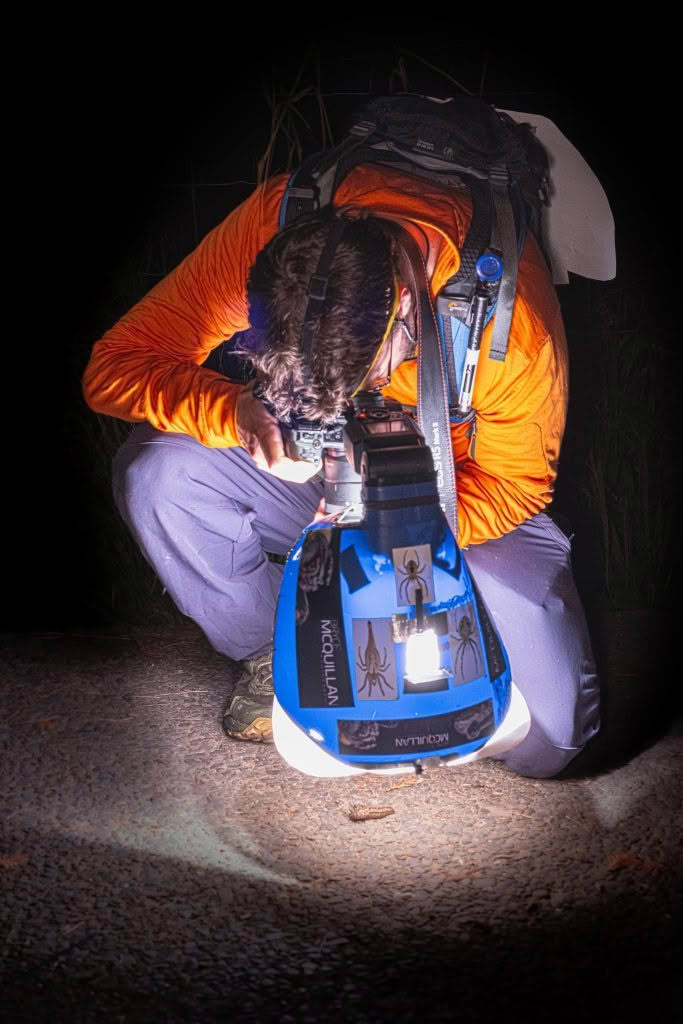
An image a friend Davide took of me on one of our night walks out photographing cicadas. You can visit his images here: https://www.facebook.com/ImagesByDavide – Davide’s website: https://www.imagesbydavide.com/
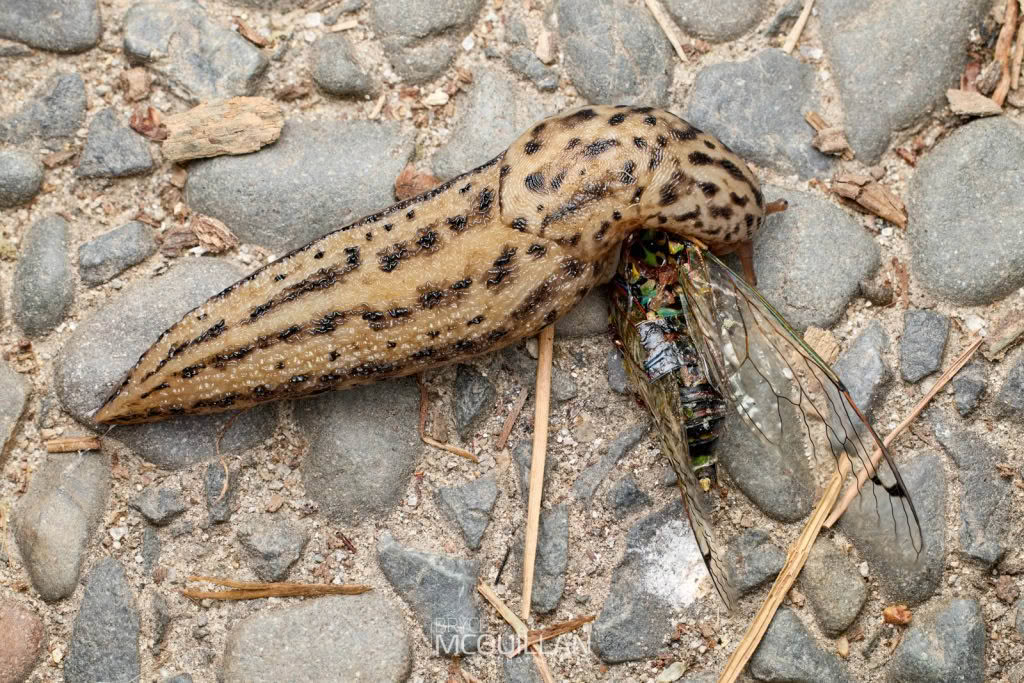
With the record rain and warm temperatures, conditions have been extremely humid, which has driven a burst of fungal growth. That’s also meant more invertebrates falling victim to fungi, with some ending up killed and essentially mummified in place.


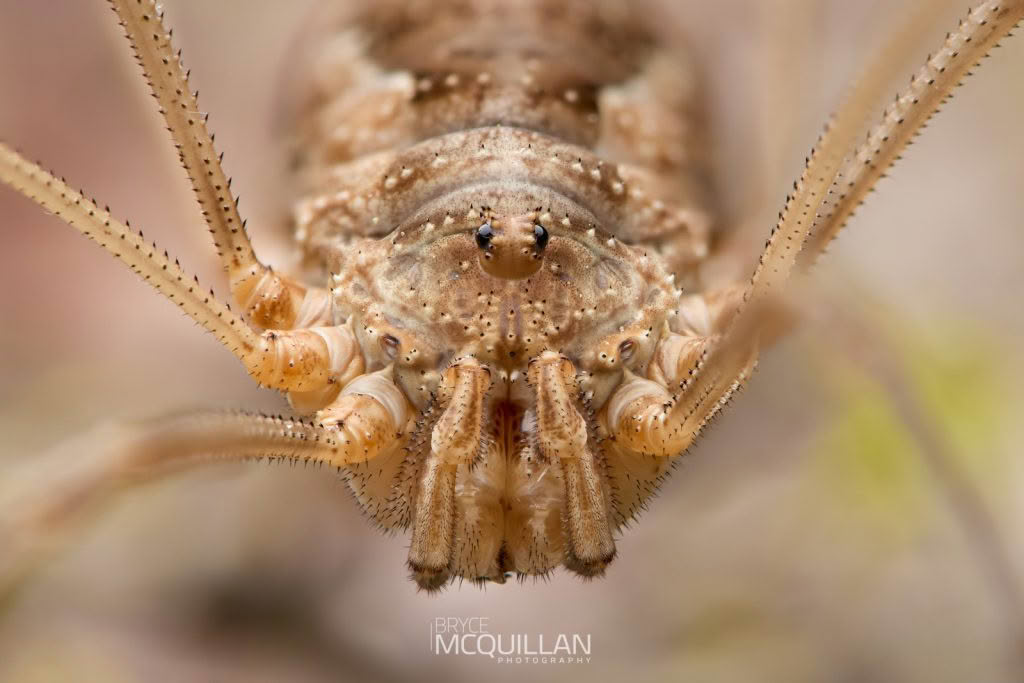
European Harvestman (Phalangium opilio) – Introduced
The European harvestman (Phalangium opilio) is a species that I see quite often in open grassy areas, farmland, and similar habitats. It’s not typically something I bother photographing, as it’s fairly common, quite bland in colouration and is introduced. My main interest over the last ten years or so has been endemic species.
This year though, I want to build a better collection of images across a wider range of species, whether introduced, native, or endemic. I’ve also set myself a personal goal of reaching 2,000 species recorded on iNaturalist, which has me thinking a bit differently about how I approach subjects and what I choose to photograph.
For iNaturalist observations, it’s always a good idea to include a wider shot of the species, followed by a couple of tighter images, and if possible a side angle and an eye or face shot. In some situations it’s simply not always possible to get all of these, but keeping it in mind when I’m approaching subjects should help me to capture a wider range of images.


Summer Nights: Macro Night Walks with Friends
Macro photography is one of the areas of photography where it can actually be more beneficial to have friends come along. You get more eyes to help spot smaller subjects, and at night it’s handy having people to hold torches or help position light. It’s also a safety thing. In New Zealand we’re lucky that we don’t have dangerous animals to worry about in the forest at night, apart from the occasional surprise like disturbing a German wasp nest. The bigger risk is simply tripping over in the dark and seriously injuring yourself, or worse, hitting your head. Going out with others helps to reduce those risks.
Over summer I’m often out looking for and collecting species for various projects, many of which are research-based or involve helping students with their Masters or PhD work. Having a few friends along makes a big difference, especially when we’re keeping an eye out for particular target species. Many of the specimens I collect are photographed on white, then I add the correct collection details to the images before the specimen is sent off to whoever is doing the research.
I’m fortunate to have a few friends locally in Rotorua, as well as some across the wider Bay of Plenty, who are just as keen as I am to get out for a macro shoot. We rotate through half a dozen different locations depending on the time of year and what subjects we’re hoping to find. Below is a mix of subjects from a few of the places we often visit.


A Weekend in Christchurch: Ed Sheeran and Riccarton Bush
Last year we were very lucky to manage to buy a couple of tickets for a concert by Ed Sheeran. If you have ever tried to get tickets to one of his shows, you will know how tricky it is and how fast they sell out.
The weekend of Ed Sheeran concert, the weather could not have been more opposite to a typical New Zealand summer. It was cold for January and we had heavy rain. The concert ran over two nights and our tickets were for Sunday night. We flew down on Saturday to catch up with some friends. I also needed to pass on some spiders to a friend who is running a few research projects (images below).
Spiders collected for Research.
Left to Right – Female and male Australomimetus maculosus, Mimetidae. Female Artoria hospita, Lycosidae.


On Sunday morning, Angela and I visited Riccarton Bush. I was hoping to find and photograph Paradictyna ilamia, a spider I had not seen in over ten years. The first time I saw this species was with Cor Vink when we were gathering images for Photographic Guide to Spiders of New Zealand, so it felt pretty special to be back there and to share that experience with Angela, and to see these beautiful little spiders again.


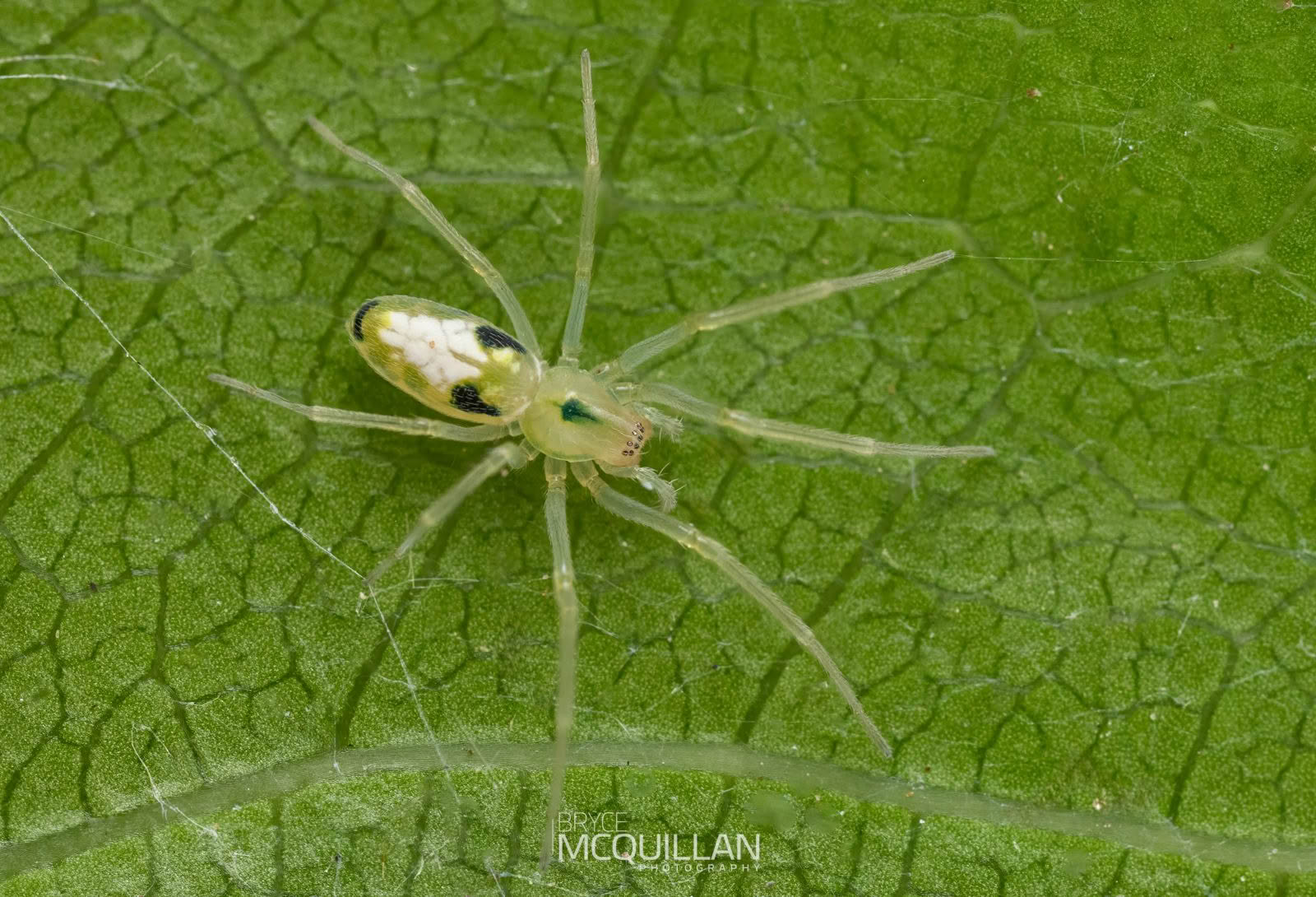
Paradictyna ilamia Riccarton Bush
Paradictyna ilamia can come in a wide range of colours, as shown below.


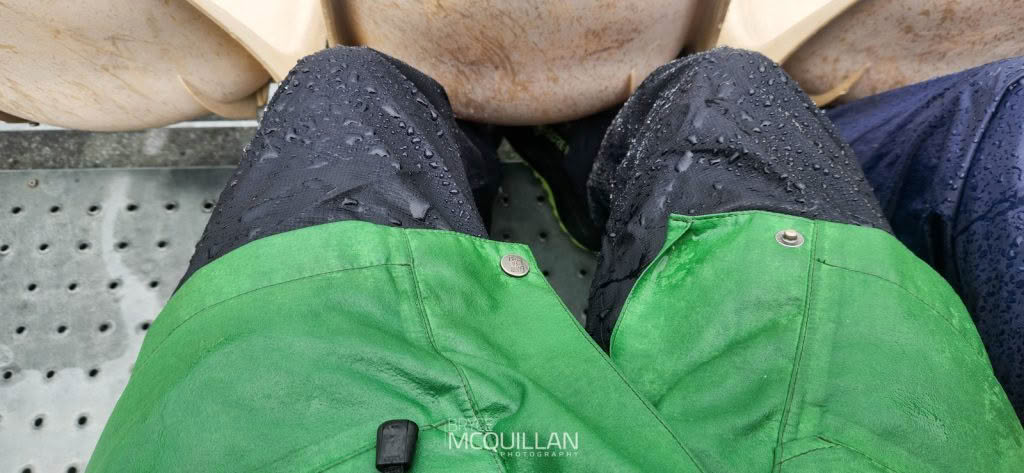
Angela and I thoroughly enjoyed the Ed Sheeran concert, even if we did get absolutely soaked in the rain. Dancing along with the crowd in the fully packed stadium was fantastic fun. The music was brilliant. Thankfully our accomodation had a hot tub so we could warm up in afterwards.

Night walk at Redwood Forest – In search of orb web spiders and cicada’s
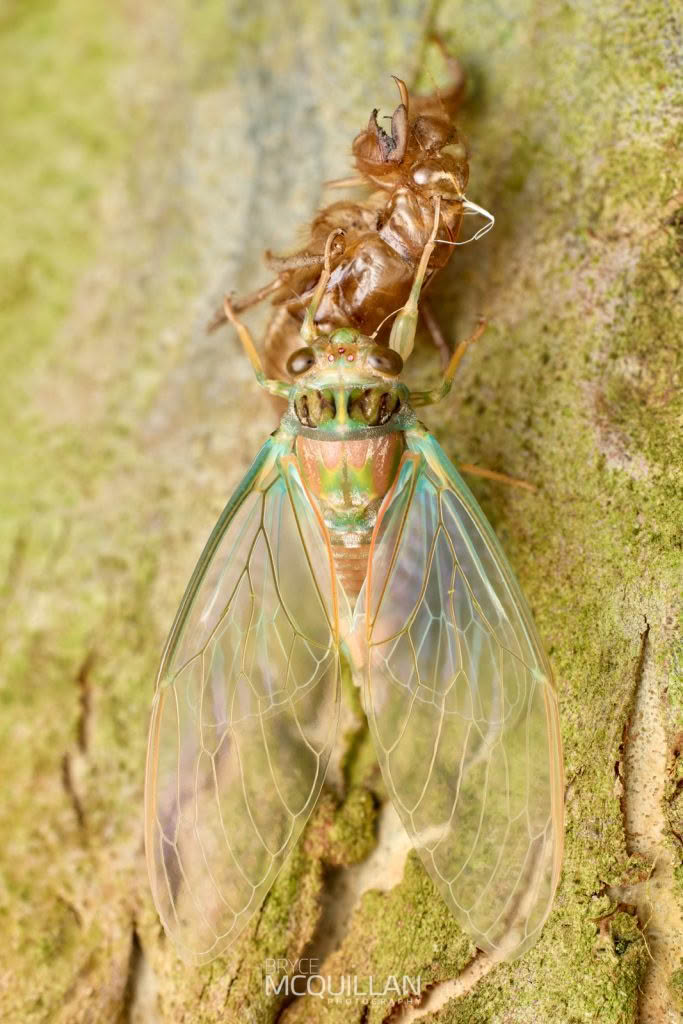
A couple of my friends were keen to see some more cicadas shedding, so we made a trip out to the Redwood Forest in Rotorua to see what we could find. Thankfully, we did see a couple shedding.
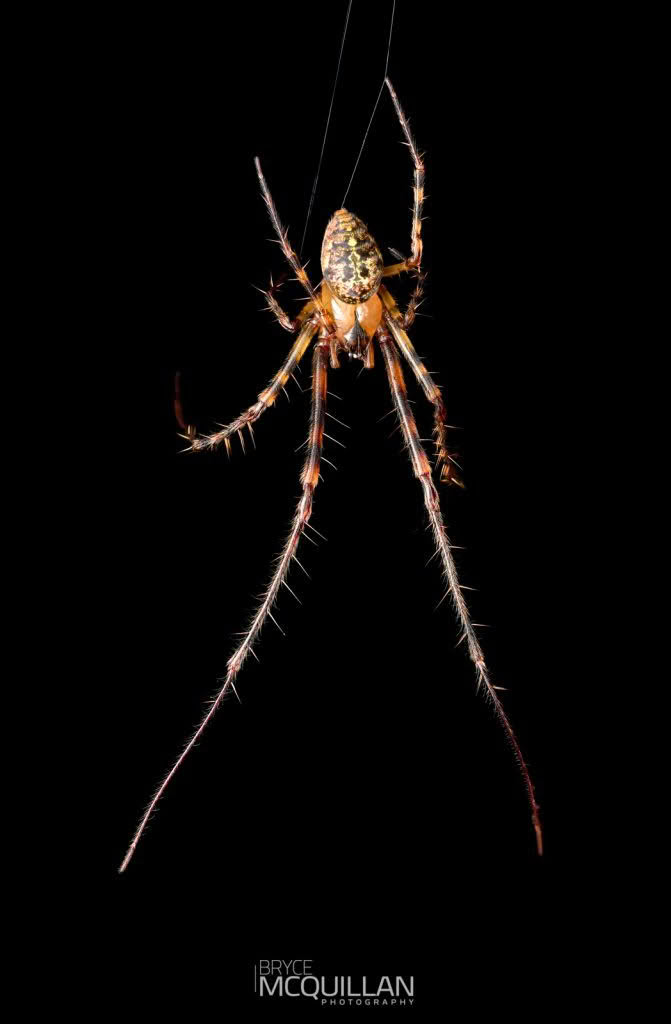
I was also quite keen to find some mature Zealaranea crassa, as it’s a species I still want to get better in situ images of. This time last year they were mature and I found them at this location, as well as a couple of other spots around Rotorua. This year, however, most of the females were still immature. But I did manage to find one or two larger, mature males.
Images left to right – Male Zealaranea crassa, Female Zealaranea crassa, Male Zealaranea crassa on white background.


I also came away with one of my best images of Nanometa forsteri (Tetragnathidae), a species I haven’t photographed much before, not for any particular reason.
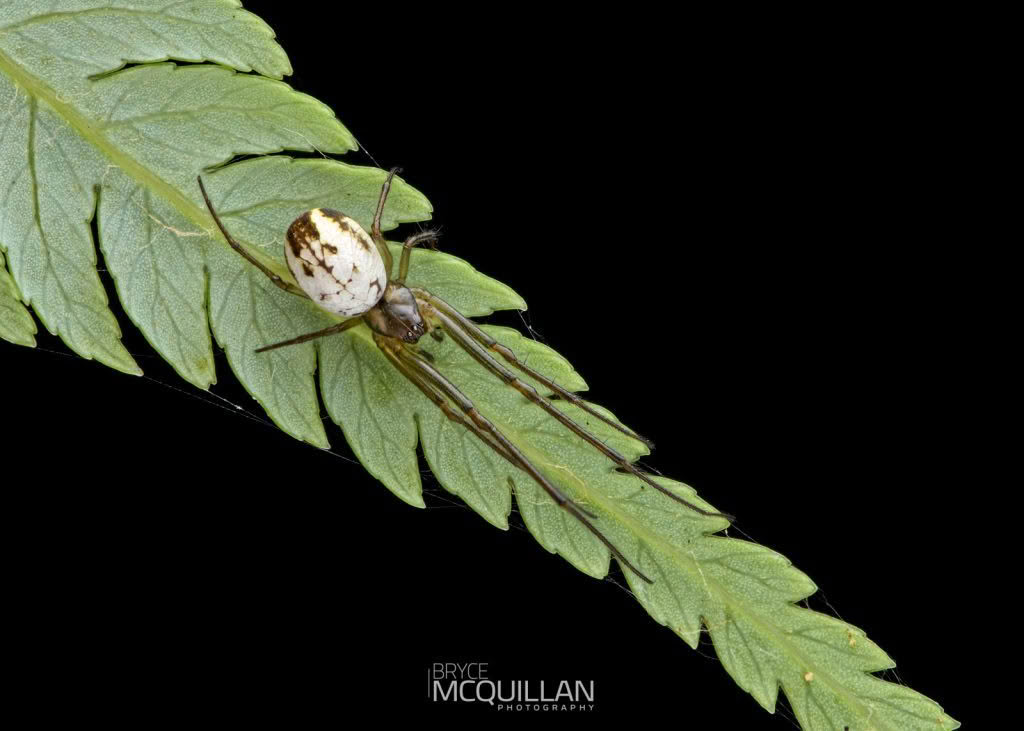
As mentioned above, this year I want to focus more widely on photographing more species, and not just grabbing quick “snip snaps”, but actually putting in proper effort to get good, solid images of each species.
Below are a couple more species of spiders and invertebrates that we saw that evening.


Night walk at Five Mile Wetland, Rotorua
At the end of January, Brian and I decided to do a short night walk at Five Mile Wetland. Over the last five years, Ross and Sarah have been slowly restoring the wetland by removing pest plants and animals, and each year there seems to be more and more biodiversity showing up. This summer has been no exception. Ross and Sarah have set up an iNaturalist project to help document the species found at Five Mile Wetland and it is probably one of the best documented sites in Rotorua for invertebrates.
You can visit the iNaturalist Project Page here: https://www.inaturalist.org/projects/five-mile-wetland.
Five Mile Wetland is a fantastic place for invertebrates, particularly moths. It’s always an enjoyable, relaxing walk, and one of my favourite places to visit for macro photography during summer.
Five Mile Wetland has a wide variety of invertebrate species, including introduced, native, and endemic.
Below is a small selection of images from that night walk. Yes, it’s only a small selection from over 2,000 images taken in a single evening.
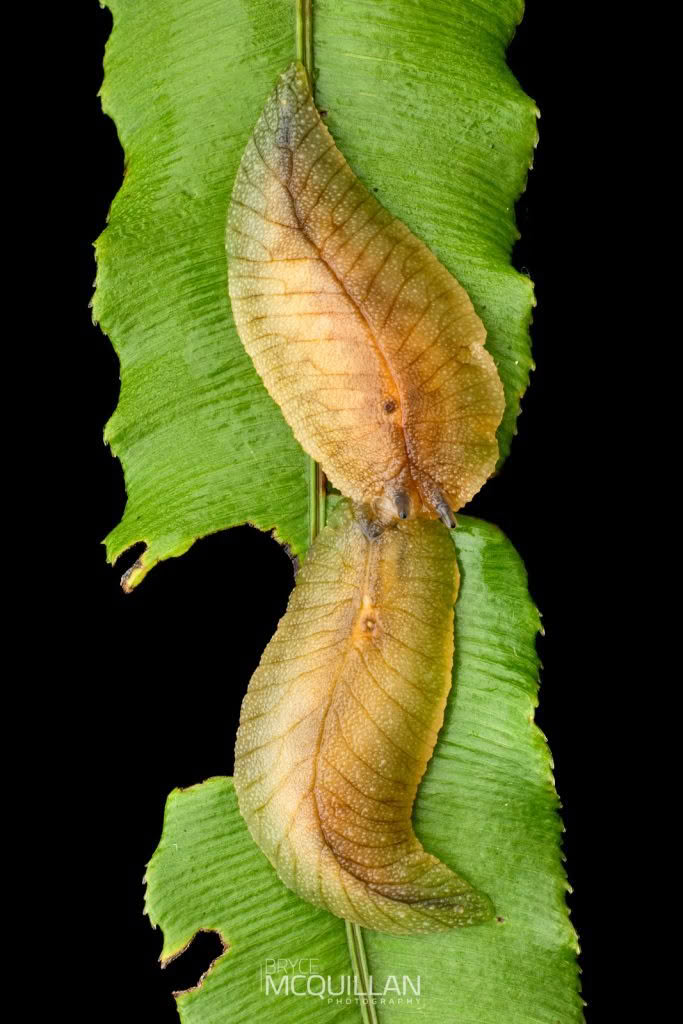
With the highlight being these leaf vein slugs mating.